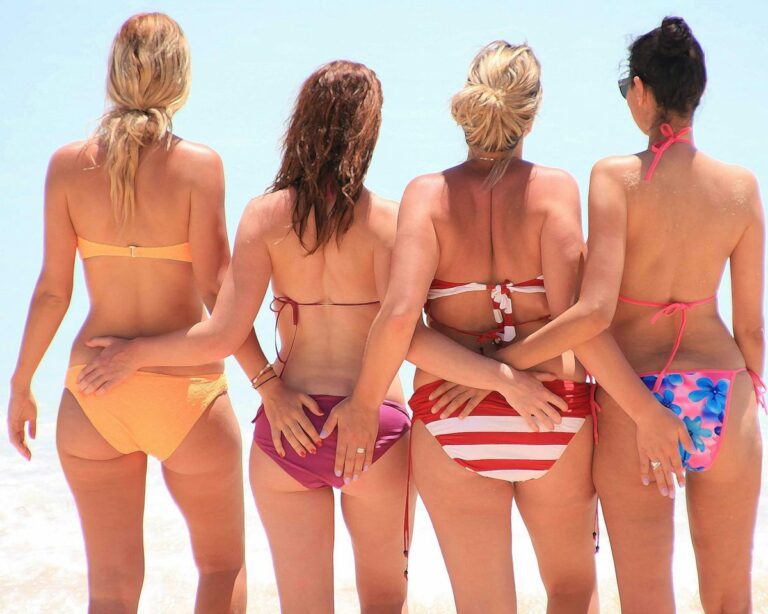
Bikini Tan Lines: 7 Smart Ways to Prevent and Fix Them
The American Academy of Dermatology estimates UV exposure causes up to 90% of visible skin changes — which means every hour spent tanning in the same position is actively sharpening those lines. Some bikini tan lines are barely noticeable. Others look like you drew them on with a ruler. Either way, a handful of adjustments to your beach routine can make the difference between that sharp contrast and a more gradual, natural-looking fade.
The seven strategies below are ordered from prevention (most effective) to correction (works on what’s already there), so you can apply whichever ones fit your situation.
Why Bikini Tan Lines Form and Why They’re Hard to Erase
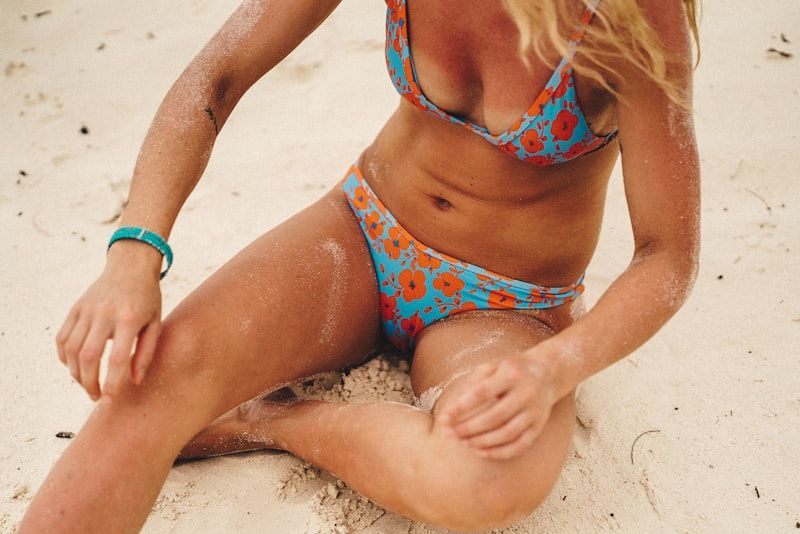
When UV light hits your skin, it triggers melanin production — your skin’s natural defense mechanism against radiation damage. The bikini fabric blocks those rays from reaching the skin underneath, so the covered areas simply don’t receive the same melanin signal. That creates two distinct skin tones: the deeper tan on exposed skin and the lighter shade wherever the bikini sat.
The tricky part is that the tan you already have keeps deepening with each beach session while covered areas only lighten at the pace of your natural skin turnover cycle, which averages 28 days. So the gap between light and dark zones widens the more time you spend outdoors in the same swimsuit. Prevention is almost always easier than reversal — but both are genuinely possible.
1. Shift Your Position Every 15 Minutes
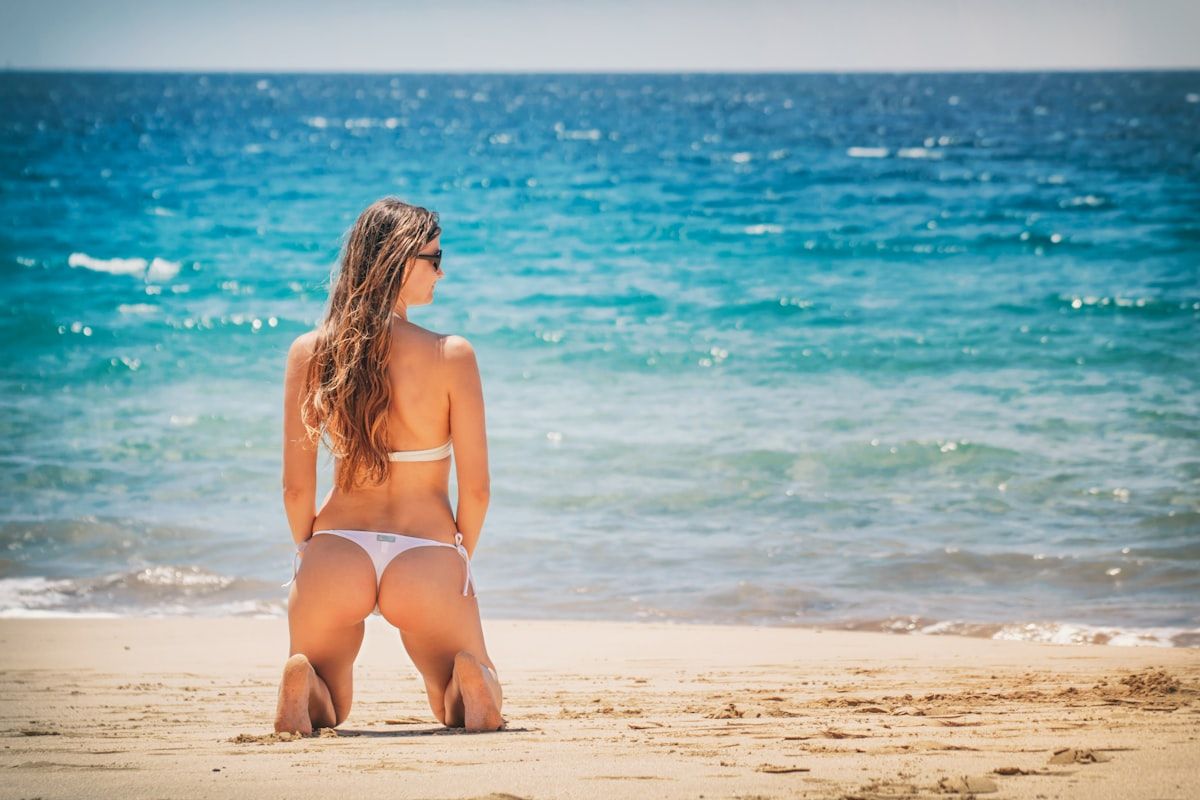
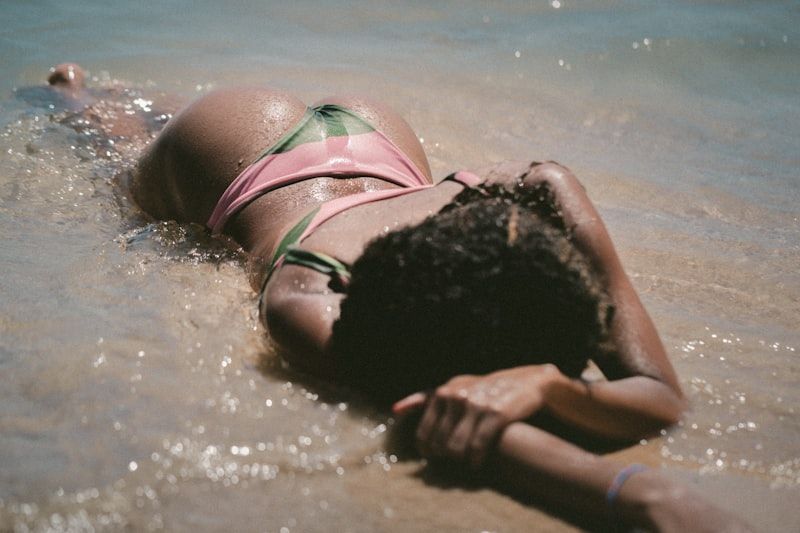
This one change makes the biggest visible difference and most people skip it. Staying face-up or face-down for an hour or two concentrates UV exposure on the exact same skin boundary every time, which bakes the contrast in sharper with each session. A 15-minute rotation — back, left side, stomach, right side — distributes exposure more evenly across all the skin near your fabric edges.
Pay special attention to halter straps. That single horizontal line across the upper back is one of the sharpest tan lines most people get, and it happens simply because lying face-down for extended periods creates non-stop, concentrated exposure right along the strap. Untying your halter while on your stomach takes about five seconds and eliminates that line entirely. If you’re at a more private beach, going fully strapless in the prone position gives you the most even back tan possible.
The other angle worth considering is a timer. Setting your phone to go off every 15 minutes feels annoying at first but becomes automatic after a few beach trips, and the results after a season are noticeably different from people who tan in one position for hours at a stretch.

2. Apply SPF in a Feathered Zone Around Strap Edges
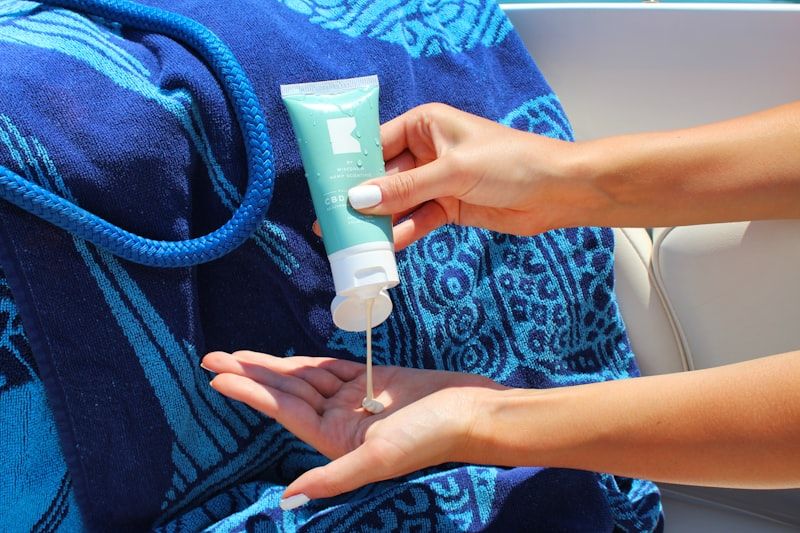
The standard advice — apply sunscreen to exposed skin — actually works against you when it comes to tan lines. If you stop SPF coverage sharply at the fabric edge, the UV exposure changes from zero (under the strap) to full (just outside it) over about one millimeter of skin. That’s exactly what creates a hard, visible line.
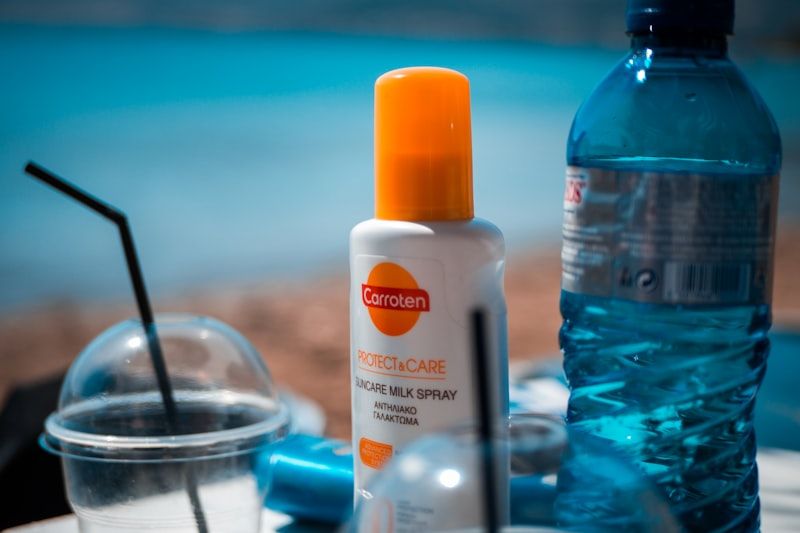
The fix is to apply SPF 50+ in a feathered zone about half an inch on either side of wherever your straps sit. This softens the UV gradient so the transition from covered to exposed skin is gradual rather than a clean break. A 2019 review in the Journal of Investigative Dermatology confirmed that SPF 50 reduces UVB by up to 98% compared to bare skin, so even a partially shaded zone significantly reduces the contrast.1
Mineral sunscreens (zinc oxide or titanium dioxide) are slightly better here because they work immediately on contact rather than needing 20 minutes to absorb. Apply them before heading outside, and reapply every 90 minutes — not just once in the morning.
3. Choose Swimwear That Lets You Shift Coverage
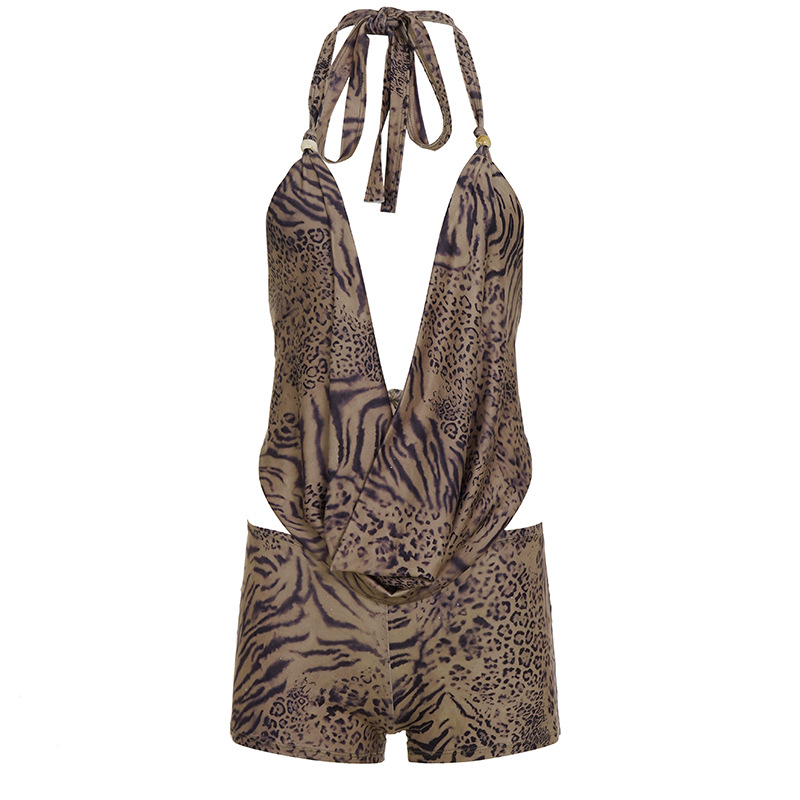
Thin-string bikinis create the sharpest lines because the fabric boundary is narrow and precise. Wider-cut tops and adjustable tie sides let you shift the strap position mid-session — sliding a halter tie a centimeter or loosening a side tie changes exactly where the UV cutoff lands, preventing the same edge from getting repetitive sun exposure.
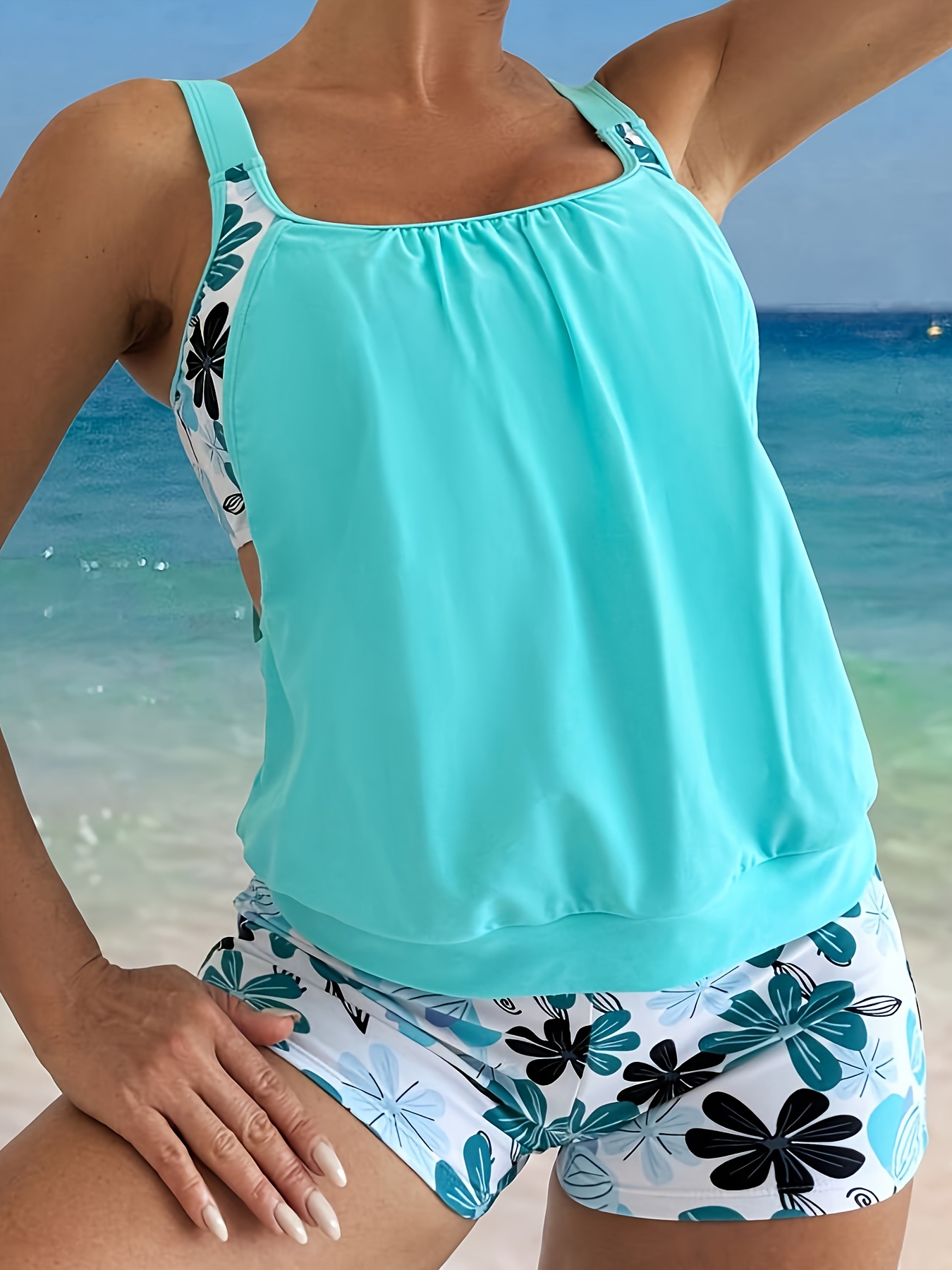
Three-piece sets are particularly useful here because the coverage pieces can be worn in different configurations across sessions, effectively rotating your coverage zones without buying multiple bikinis. Fabric composition also plays a role — some weaves offer measurable UPF protection through the fabric itself, which reduces the coverage difference between where straps sit versus where they don’t. The full breakdown is in the swimwear fabric guide if you want to get specific about UPF ratings.
4. Rotate Between Different Bikini Styles Across Beach Days
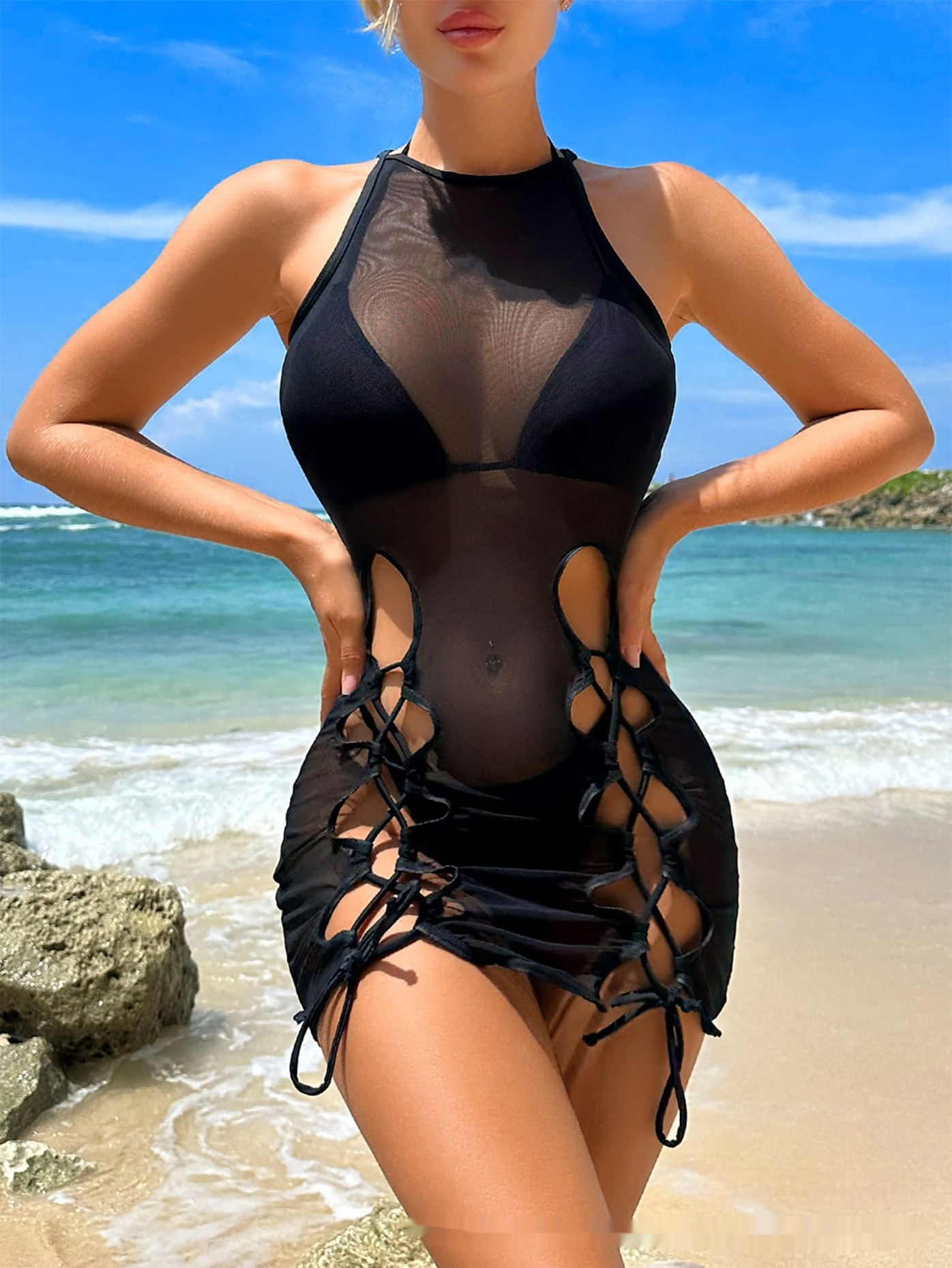
Wearing the same bikini every time you go to the beach is the fastest way to permanently etch a tan line pattern into your skin for the season. Each different swimsuit style places the fabric at slightly different points on your body, so the tan builds unevenly across sessions instead of deepening along the same boundary every time.
Think of it like crop rotation — you’re not letting the same coverage zone take all the UV load day after day. A triangle top on Monday, a halter set on Wednesday, a fuller coverage style on Saturday: by the end of the week, each area of skin has received a mix of UV exposure and coverage, and the overall tan looks far more graduated than it would from three days in the same bikini. This one habit, combined with position shifting, handles most of the tan line problem without requiring any special products.

5. Use Self-Tanner to Bridge Existing Lines
If the prevention window has passed and the lines are already there, self-tanner is the most practical correction tool. The approach isn’t to cover everything — it’s to target the lighter (covered) skin areas and bring them closer to the tone of the surrounding tanned skin.
A light to medium self-tanner applied with a mitt gives you the most control. Start from the center of the lighter zone and blend outward with feathering strokes, extending at least three to four inches beyond the visible line edge on all sides. Stopping right at the tan line edge just creates a second visible border — you need the tanner to fade out gradually. Two applications 48 hours apart typically bridge a moderate line difference. The key thing to avoid is applying in full daylight just before heading out — the developing process takes six to eight hours, so apply the night before.
6. Speed Up Fading With Targeted Exfoliation
Natural skin cell turnover takes 28 days on average, meaning a tan you built in one afternoon takes roughly a month to fade on its own. Chemical exfoliants — specifically lactic acid or glycolic acid in the 5–10% range — accelerate that cycle by gently dissolving the bonds between dead tanned cells and the fresher cells beneath. Applied to the tanned areas three nights per week, they can cut visible fading time roughly in half.
Physical exfoliants (scrubs) work on the same principle but aren’t as targeted and can cause uneven removal if you’re not consistent. For tan line reversal specifically, a leave-on chemical exfoliant gets better results because it works over the full skin surface rather than just where the scrub physically contacts.
Aloe vera gel, applied twice daily to sun-exposed skin, also supports faster fading. A 2014 review in the Indian Journal of Dermatology found evidence that aloe vera reduces UV-induced skin damage and supports the skin’s natural recovery process.2 It’s not a dramatic fix, but it’s something that genuinely helps compared to leaving sun-exposed skin untreated.
If you’re also dealing with swimsuit fabric that’s faded and stretched from sun exposure, the process for restoring faded bikinis can run alongside your skin routine — fixing both the swimwear and the tan pattern at once.
7. Protect First, Tan Second
The framing that people often get backwards is thinking of sunscreen as something that gets in the way of tanning. SPF 30–50 still allows tanning — it just slows the UV penetration rate so your skin isn’t racing to produce melanin as fast. The result over a beach season is often a more even, gradual tan than people who skip sunscreen and spend the same amount of time outdoors, because the slower melanin response gives pigment time to distribute more uniformly rather than peaking sharply at exposure edges.
The AAD recommends SPF 30 as a minimum for any meaningful protection, with reapplication every two hours and after swimming.3 Building that habit as the foundation of your beach routine — rather than an afterthought — prevents most of the tan line problem before it starts. For a full look at how to structure the rest of your beach day to get the most sun exposure without overdoing it, the perfect beach day timeline maps out when to apply, when to reapply, and when to take a shade break.
Sources
- Journal of Investigative Dermatology — SPF 50 efficacy and UVB radiation reduction — Peer-reviewed research on sunscreen protection factors and UV penetration.
- Indian Journal of Dermatology — Aloe vera and UV skin recovery — Review of evidence for aloe vera in reducing UV-induced skin damage.
- American Academy of Dermatology — How to apply sunscreen — Official guidelines on SPF selection and application frequency.