
How Eco Swimwear Actually Performs: Fabric Science, Care, and What to Expect
The moment you invest in a sustainable swimsuit, a quiet question follows you home: does it actually perform as well as the conventional one you replaced? The marketing says yes. The price premium asks you to believe it. But real-world experience — chlorine, salt water, sun, rinse, repeat — is what truly answers the question. This guide is not about why eco swimwear matters or how to read the labels. It is about what happens after you buy it: how these fabrics feel and move, what they need from you to stay in peak condition, and whether the longevity promise holds up when you are on the sand for the third summer in a row.
The Fabrics Behind Most Sustainable Swimwear
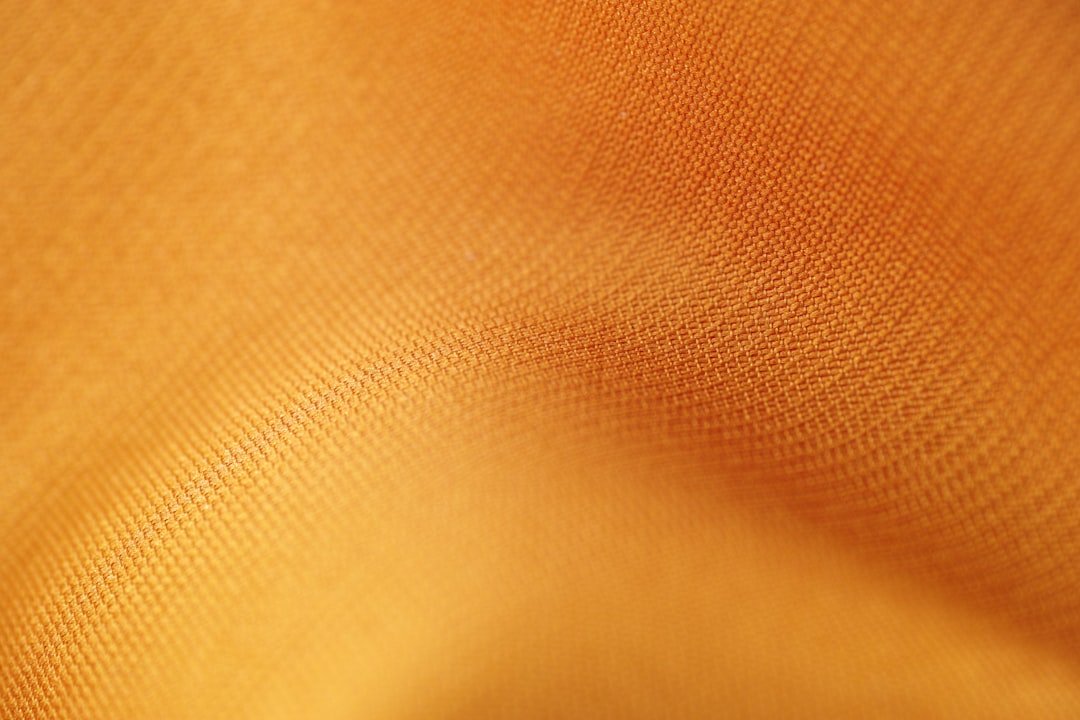
The sustainable swimwear market runs on a small number of regenerated and recycled fiber systems. The most widely used is ECONYL — a regenerated nylon produced by Italian company Aquafil from recovered ocean fishing nets, discarded carpet flooring, and industrial nylon waste. The regeneration process breaks waste material down to its polymer base and rebuilds it into yarn that is chemically identical to virgin nylon. There is no performance trade-off written into the fiber itself. An ECONYL swimsuit has the same tensile strength, stretch, and recovery as a conventional nylon suit made from petrochemical feedstock. The raw material’s origin has changed; the material’s properties have not.
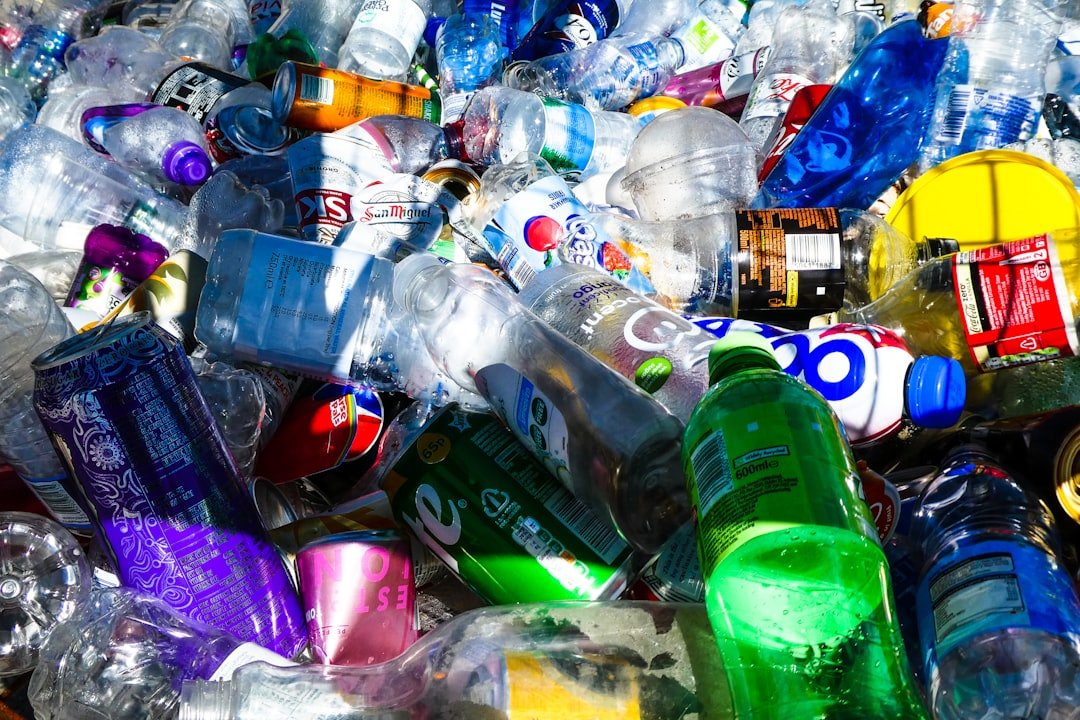
Repreve is a recycled polyester fiber made from post-consumer plastic bottles — the PET in water bottles is broken down and respun into performance fabric. It appears more commonly in rash guards and coverups than in swimwear because recycled polyester has slightly less inherent elasticity than regenerated nylon, and swimwear demands elasticity. For structured one-pieces and bikinis that need to hold shape through movement, diving, and hours in water, ECONYL-based fabrics are the industry benchmark. Repreve performs well in swim shorts, boardshorts, and hybrid pieces where the cut of the garment provides the fit more than the stretch of the fabric.
A newer, emerging category is bio-based fabrics: fibers derived from natural sources like sugarcane cellulose or algae. These are still niche in swimwear because chlorine resistance and UV stability requirements are demanding, and bio-based textiles have not yet met that bar at commercial scale. For most shoppers today, regenerated nylon is the practical, proven choice for a suit you will actually swim in repeatedly across multiple seasons.

How Eco Fabrics Feel Compared to Conventional Synthetics
The tactile experience of a well-made eco swimsuit is genuinely difficult to distinguish from premium conventional nylon. ECONYL has the same silky, slightly matte finish and the same satisfying snap-back when you stretch it. Where you may notice a difference is not in the fiber itself but in what the brand does with it. Sustainable swimwear brands tend to invest more in fabric weight and seam construction because their customer expects a suit to last. A thin, lightweight conventional bikini can feel sleeker out of the bag, but thin fabric is precisely what fails at the stitching after eighteen months of salt water and sun. The extra density of a well-constructed eco suit is a feature, not a design flaw.
Performance in Salt Water, Chlorine, and Direct Sun

Salt water is gentler on synthetic swimwear than chlorine. Ocean swimmers often get two or more solid seasons from a suit before noticing significant elasticity loss. Chlorine, by contrast, attacks the spandex — also called elastane — component in any swimsuit, eco or conventional, breaking down the elastic polymer over repeated exposure. The sustainability credentials of the outer fabric do not change chlorine’s chemistry. What matters for pool swimmers is spandex content and fabric weight: look for a spandex ratio between 18 and 22 percent. Below that threshold, the suit lacks the stretch and recovery for an active fit. Above it, chlorine degradation accelerates and you shorten the suit’s useful life regardless of how carefully you care for it.
A common concern about regenerated fiber is whether it fades faster under UV exposure. In practice, fade resistance is governed by the dye process and UV-stabilization treatment applied during manufacturing, not by whether the nylon yarn was regenerated from waste or extruded from a petroleum feedstock. A budget eco suit from a brand cutting corners on the dye bath will fade faster than a well-made conventional suit. The fiber’s origin is not the variable that matters here. Manufacturing quality is. When assessing a sustainable brand, their dye process and UPF ratings tell you more about color longevity than the eco certification alone.
Shop ECONYL Sustainable Swimwear on Amazon →
The Care Routine That Determines Whether Your Suit Lasts Two Seasons or Five

Sustainable swimwear is an investment, and like any investment, it rewards consistent attention. The single most damaging thing you can do to a swimsuit is leave it sitting in direct sunlight while wet. UV exposure combined with residual salt or chlorine accelerates fiber degradation and causes dye to oxidize from the surface inward. The damage compounds every time you repeat it. Rinse your suit in cold, fresh water immediately after every use — cold, not lukewarm, not warm. Heat degrades spandex. Even the warmth of afternoon sun on a wet suit parked on a lounger begins that breakdown process.
Hand wash in cool water using a dedicated swimwear wash or a pH-neutral, fragrance-free soap. Machine washing, even on a delicate cycle, introduces friction that abrades the knit structure and pulls at seam threads over time. The spin cycle does concentrated damage — it stretches wet spandex in directions it was not engineered to handle, permanently affecting recovery. If machine washing is unavoidable, use a mesh laundry bag, cold water, and the shortest available cycle. Skip the spin entirely and press water out gently by hand instead.
Dry your suit flat, in the shade. Hanging a wet one-piece by a single strap loads the elastane at the shoulder under the full weight of the waterlogged fabric. Flat shade drying preserves the shape the manufacturer engineered in. A towel roll — gently pressing the suit between two clean towels to absorb excess moisture before laying it flat — gets you there faster without any of the distortion. Store swimwear separately from garments with metal zippers or hardware, which can snag the open knit structure even when the suit is dry.
What to Expect After Multiple Seasons of Real Wear

The first thing to go on any swimsuit — eco or conventional — is elasticity at stress points: the leg openings of a one-piece, the underband of a bikini bottom, the elastic casing at a halter tie. This degradation is governed by spandex content and construction method, not by the fiber’s sustainability credentials. On a well-made sustainable suit that is cared for correctly, expect two to three seasons of regular summer use before elasticity loss becomes noticeable enough to affect fit. Heavy pool use — daily laps — compresses that timeline. That is not a failure of eco fiber. That is the predictable chemistry of chlorine on spandex, which behaves the same way regardless of what the surrounding yarn started as.
Color retention on premium eco suits is strong for the same reasons discussed above — dye quality and UV treatment, not fiber origin. The first sign of wear to look for on cheaper eco suits is pilling at friction zones: the inner thighs of a one-piece, the underarm area of a tankini top. Pilling happens when the knit surface breaks down under repeated abrasion. It is a reliable indicator of fabric weight: lighter fabrics pill sooner. A heavier, denser knit from a brand investing in durability holds its surface integrity noticeably longer.
Structured cups and moulded underwire inserts have their own longevity logic. The foam backer in a structured top should be heat-bonded to the outer fabric, not inserted as a separate removable piece. Bonded foam resists delamination in salt and chlorine far better. When foam starts to separate — felt as bubbling or rippling at the cup edge — the structural integrity of the top is gone and no amount of careful care reverses it. This is a construction detail worth asking about before purchase, not something you learn only after it fails.
Shop Recycled Nylon Swimwear on Amazon →
End of Life: What Actually Happens When You Are Done With a Sustainable Suit
One of the areas where genuinely sustainable brands distinguish themselves from brands using eco as a marketing overlay is in what they offer at end of product life. Several brands in the ECONYL supply chain have take-back programs that accept worn swimwear and either mechanically recycle the fiber back into raw material or divert it through certified textile recovery partners. This closed-loop approach — where the suit eventually becomes yarn for a new suit — is what makes the sustainability claim meaningful beyond the hang tag and the brand’s Instagram captions.
If your brand does not offer a take-back program, third-party textile recyclers accept synthetic fabrics. The complication with swimwear is the spandex blend: nylon-spandex combinations are harder to recycle mechanically than single-fiber textiles because the two polymers have different melting points and resist clean separation. Some newer brands are exploring low-spandex constructions that rely on the fabric’s knit architecture for stretch rather than elastane, making end-of-life recycling cleaner. These are not yet mainstream, but they signal where the industry is headed as circular design standards tighten.
Before donating a worn suit, be honest about its condition. A suit with stretched elastic or significant pilling at the seams will not serve a new wearer the way you might imagine. Textile recycling drop-offs — often available at participating fast-fashion retailers running industry recovery programs — accept worn synthetics regardless of condition. That is a more honest outcome than a donation bin, and a better one than a landfill.
Fit, Body Confidence, and the Long Wear That Only Comes from Suits That Actually Work

There is something specific about the relationship between a well-fitting swimsuit and the body wearing it. A suit that stays in place — that does not require constant adjustment in the water, does not creep, does not shift when you stand up from the sand — changes how freely you move and how present you can be. This is not separate from the sustainability argument. One of the most genuinely sustainable choices you can make is buying fewer suits that you actually wear consistently across multiple seasons, and the prerequisite for wearing something consistently is that it fits correctly on your body.
Sustainable swimwear brands, particularly independent and mid-size ones, tend to build more thoughtful sizing architecture than fast-fashion swimwear. Wider size ranges. Separates that let you choose a different size on top and bottom independently. Adjustable ties, convertible straps, and ruched side panels that accommodate a range of shapes rather than being cut for a single standard. This is not idealism for its own sake — it is practical: a brand building for longevity needs the suit to function on real bodies across the full range of movement, not just look appealing on a sample size at a shoot.
If you have been wearing a conventional swimsuit that does not quite fit because the price point made it feel like an acceptable compromise, a sustainable suit that actually fits your body reshapes the entire calculation. The higher upfront cost distributes over two or three seasons of regular wear and stops feeling significant. The discomfort of an ill-fitting suit does not distribute — it quietly shapes how much you enjoy being in the water, and that is a cost worth naming.
Shop Sustainable Swimwear in Inclusive Sizes on Amazon →
The Honest Assessment
Eco swimwear does not perform miracles. A sustainable suit will not outlast every conventional suit ever made, and it will not look pristine after five years of neglect. What it offers is a knowable trade-off: fabric made from recovered material rather than virgin petrochemicals, construction that typically prioritizes durability because the customer expects it, and — with basic care — more seasons of genuine use than you would get from a fast-fashion equivalent at half the upfront cost. The real return is concrete: fewer purchases across seasons, less waste, and a suit that holds its shape and color long enough to actually become a reliable part of your wardrobe rather than a seasonal throwaway. That is the long game with sustainable swimwear brands, and for most people who commit to the care routine, the numbers make sense.
Sources
Aquafil — ECONYL Regenerated Nylon
Repreve — Recycled Performance Fiber by Unifi
US Environmental Protection Agency — Textiles and Materials