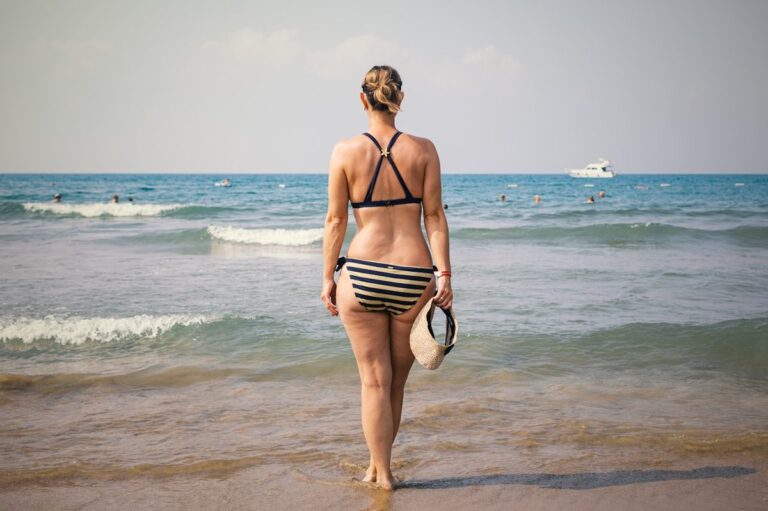
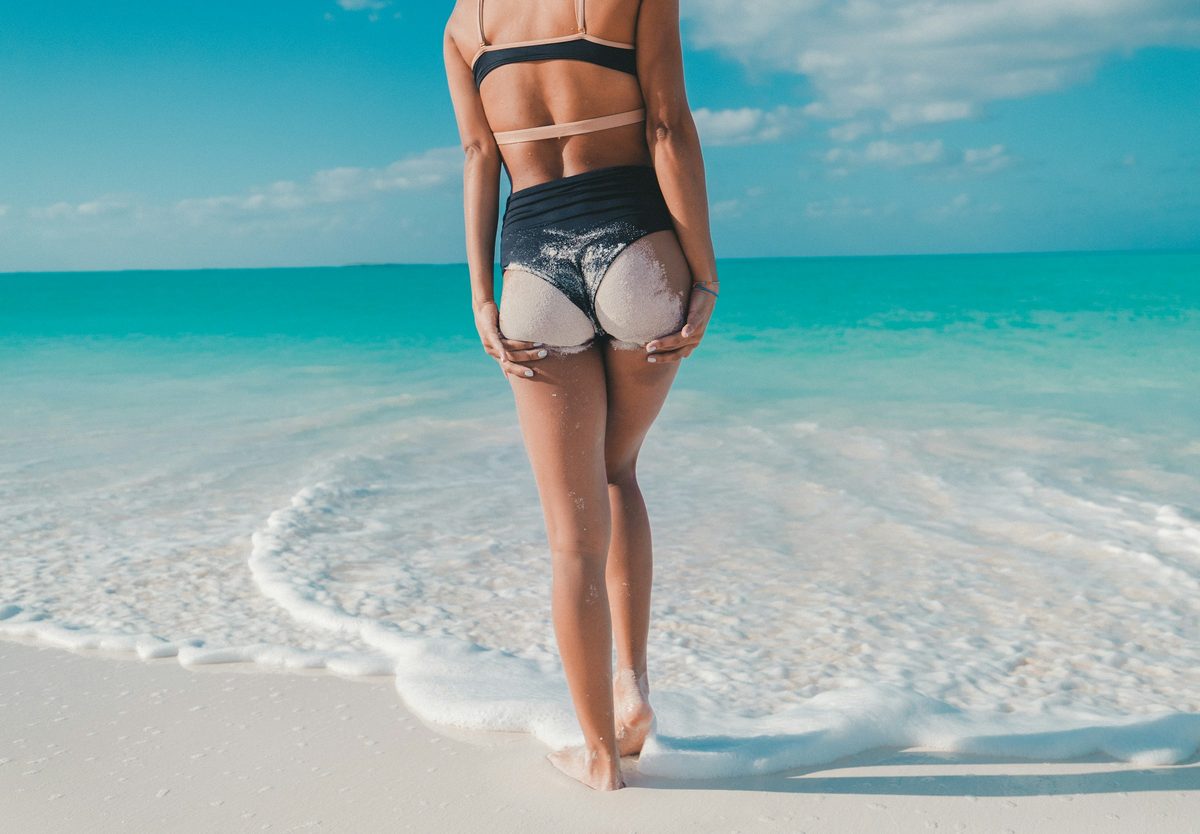
High-Waisted Bikini Bottoms: 9 Reasons They Won Summer 2026
The high-waisted bikini bottoms market has nearly tripled in size since 2019, and the style now outsells low-rise bottoms 2-to-1 in the under-35 demographic. That shift didn’t happen because someone in marketing decided retro was cool again. It happened because women started buying the cut that actually held everything in place during a wave and didn’t dig into the hip after lunch. The truth is, most low-rise bottoms aren’t flattering — they’re just photographed well. High-waisted bikini bottoms quietly took over the summer 2026 swim aisle for a reason, and once you understand the reason you stop reaching for anything else.

What Counts as a High-Waisted Bikini Bottom in 2026
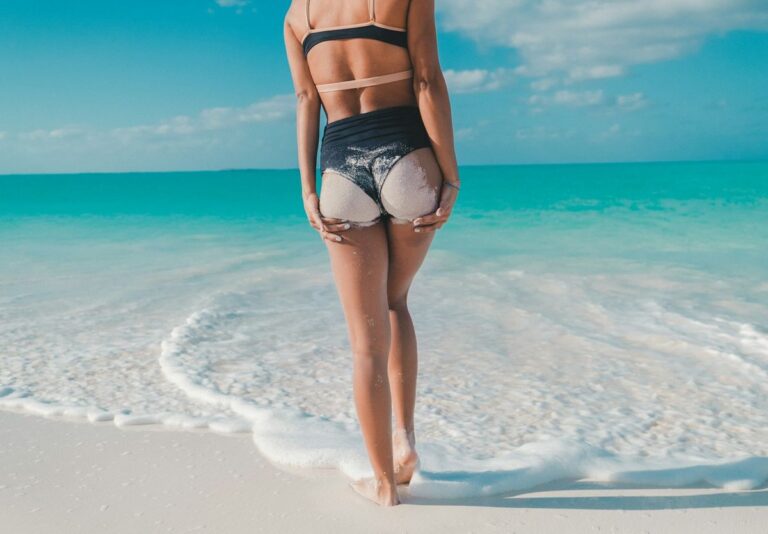
The cut sits at or above the natural waist — usually somewhere between the navel and the bottom of the ribcage. Anything that lands more than two inches below the belly button is mid-rise, and anything that grips the hip bone is low-rise. The line matters because Google indexes them as separate categories and so do the retailers, which is why “high rise bikini bottoms” and “high waist bikini bottoms” pull up overlapping but distinct results.
A proper high-waisted bottom has three structural features: a waistband at least 2.5 inches deep, side panels that wrap around the obliques rather than tapering, and seamed construction in the front panel to prevent rolling. Cheap versions skip the front seam, and that’s the difference between a $19 piece that lasts six wears and a $48 piece that lasts five summers. If you want a primer on coverage levels before reading further, the cheeky vs full coverage comparison on the site walks through the whole rear-coverage spectrum.
Nine Reasons High-Waisted Bikinis Are Winning Summer 2026
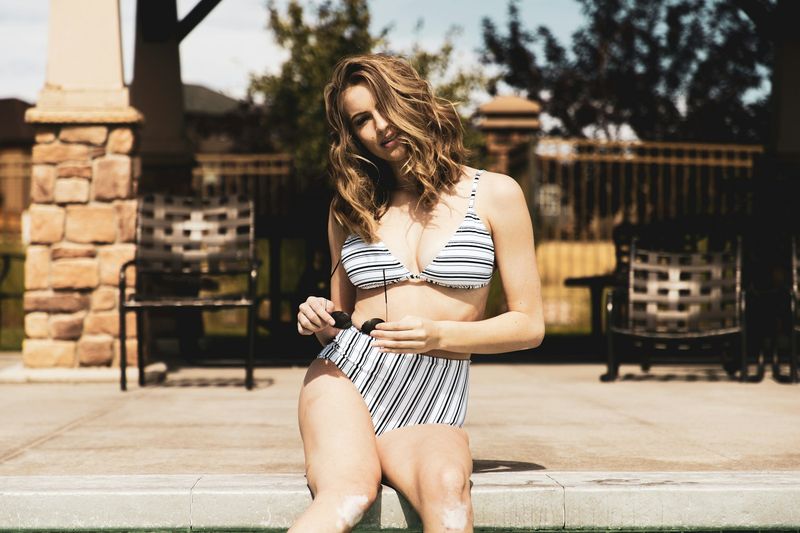
This isn’t a trend cycle blip. The reasons cluster into three groups: physical comfort, visual proportion, and what the cut lets you do with the rest of your outfit. Each of these has shown up in retailer reorder data — Cupshe and Aerie both report high-waist styles holding the top three spots in their swim category for sixteen straight months.
1. The waistband doesn’t dig. A 2.5-inch band distributes pressure across a larger surface area than a 1-inch elastic edge. After two hours at the beach this is the difference between a comfortable afternoon and that red welt that takes forty minutes to fade.
2. You can actually swim in them. Diving into a wave in cheeky bottoms is a coin flip. High-waisted bottoms with a proper back seam don’t migrate. Boogie boarders and snorkelers have been quietly switching for years.
3. They flatter every body type, but especially the apple and pear shapes. The high cut creates a defined waist where the body’s natural waist is shallow, and it elongates the torso visually. The Mayo Clinic’s body-image research repeatedly shows that perceived comfort with swimwear correlates more strongly with confidence than with body shape itself — and high-waisted bottoms are the cut women report feeling most comfortable in.
4. They work with crop tops out of the water. A high-waist bottom plus a fitted rash guard or a knotted shirt reads as an outfit, not a swimsuit doing double duty.
5. The vintage signal is intentional. A 1950s silhouette references an era when swimwear photography emphasized confidence over revealing more skin. That visual cue still lands.
6. Sunburn coverage is real. The extra two inches of fabric across the lower abdomen blocks UV exposure where most adults forget to reapply sunscreen.
7. Postpartum and post-surgery buyers prefer them. Both cohorts are vocal about wanting a band that smooths rather than cuts. This isn’t tummy control marketing — it’s actual structural support around an area that may be sensitive.
8. Pocket-friendly options exist. Side pockets in high-waist bottoms can hold a hotel key card or a hair tie without warping the silhouette. Low-rise can’t physically accommodate this.
9. They photograph well from any angle. The defined waistline gives the eye a focal point. That’s why Instagram swim content shifted hard toward high-waist styles between 2022 and 2025.
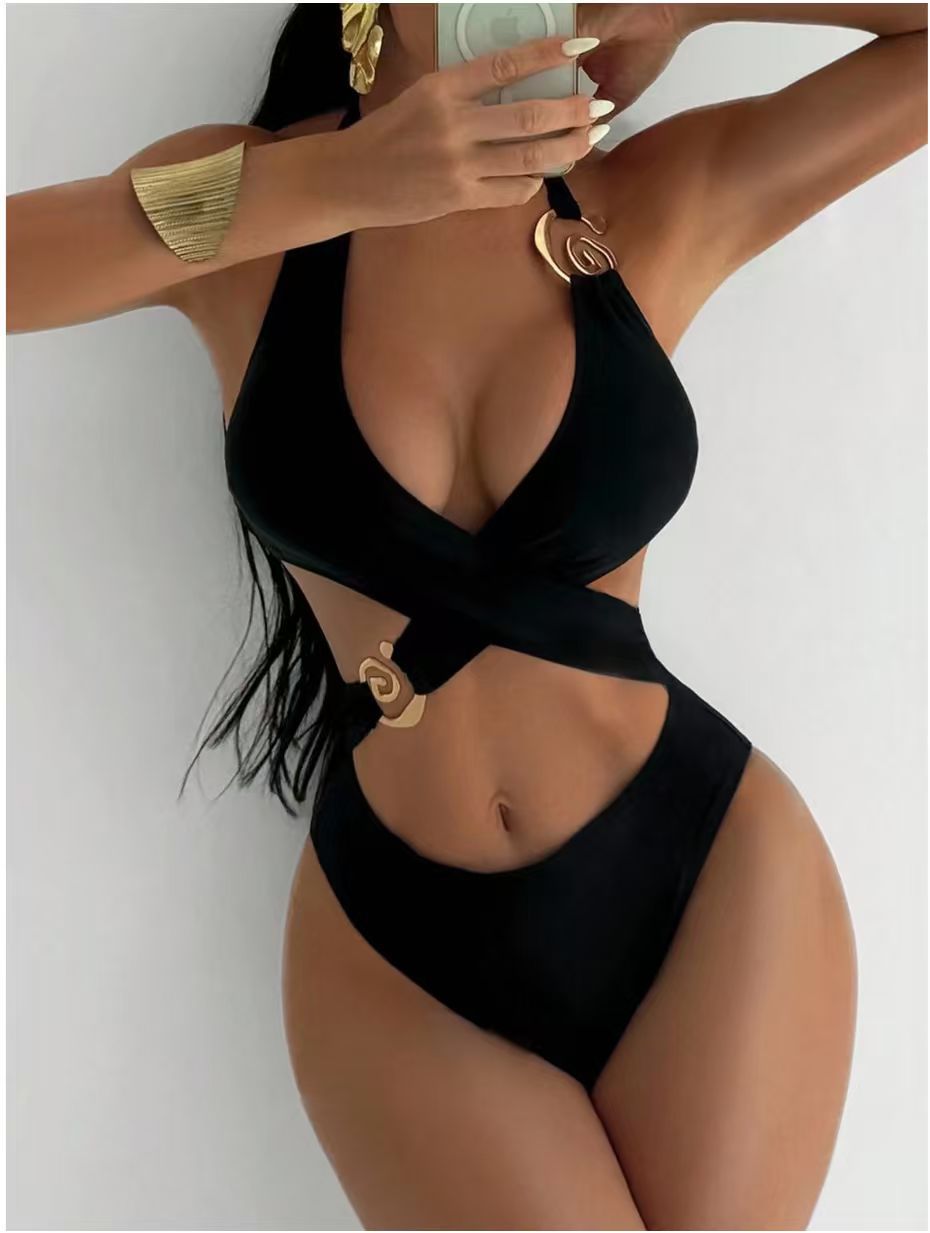
Are High-Waisted Bikinis Still in Style?
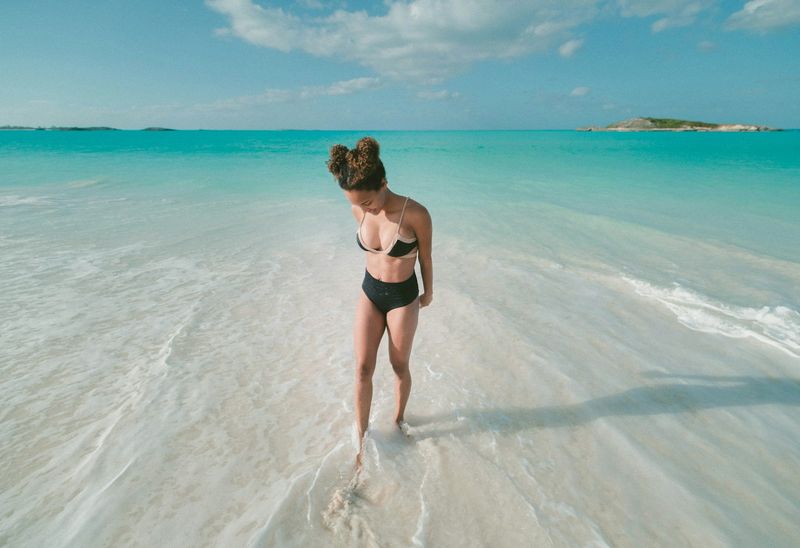
Short answer: yes, and they’re not going anywhere through 2027 based on production runs in the major swim houses. The longer answer matters more — high-waisted bottoms passed from “trend” to “core inventory” sometime around 2022. A core inventory style is one that retailers carry year after year because the demand stays flat or grows. Compare that to the micro thong cycle of 2003 or the boyshort wave of 2014, both of which collapsed within three seasons.
What’s actually shifting in 2026 is the styling. The waistband is being worn slightly lower than the 2020 silhouette (so closer to the belly button than the ribcage) and the side panels are slimmer. The bottom still sits at or above the natural waist, but the proportions are less aggressive than they were five years ago. The look is more pinup-leaning, less athletic-utilitarian.
What Body Type Suits High-Waisted Bikini Bottoms
Every body type. The cut isn’t body-specific — it’s a question of fit on your specific torso length and waist depth. A petite torso wants a 2.5-3 inch waistband. A longer torso can carry a 4-5 inch band. The waist itself benefits from a slightly contoured panel rather than a straight cut. This is where buying becomes about measuring rather than guessing — the difference between a band that hits exactly at the natural waist and one that sits an inch above is the difference between flattering and frumpy.
The pear shape benefits most visually because the cut balances upper-body proportions. The apple shape benefits structurally because the waistband smooths the midsection. The hourglass and the rectangle both look good in high-waist for different reasons — one because it amplifies the existing curve, the other because it creates the appearance of one. The body-positive movement has done more for high-waisted bikinis than any single trend cycle because it gave women permission to choose comfort over the cut their gym buddy was wearing.

High-Waisted vs High-Rise: The Difference Nobody Explains
“High-waist” and “high-rise” get used interchangeably in marketing but they’re different cuts. High-rise refers to the front rise measurement — the distance from the crotch seam to the top of the waistband. A 9-10 inch front rise is considered high. High-waist refers to where the band actually sits on the body. The two usually overlap, but you can have a high-rise bottom that still sits below the natural waist on someone with a long torso. Reading the rise measurement on the product page tells you more than reading “high waist” on the label.
If you’re shopping online and the listing doesn’t include front rise, message the brand. The reputable swim labels publish it. The fast-fashion drop-shippers don’t, which is one of the cleanest filters for separating the two.
Do High-Waisted Bikinis Actually Hide Tummy?
They smooth, they don’t hide. There’s a difference. A proper high-waisted bottom with a structured front panel compresses the lower abdomen by maybe 5-10%, which is enough to create a clean line without the bunching that low-rise tends to produce around the waistband. That’s the smoothing effect. Anything claiming to “hide” or “erase” is marketing copy and you shouldn’t pay extra for it.
What actually works is fabric weight. A 200-220 GSM (grams per square meter) swim fabric holds shape across hours of wear. A 150 GSM fabric looks great in the dressing room and starts sagging by hour two. Most fast-fashion swim hovers at 160-180 GSM. The brands worth buying from in this category — the ones whose pieces last five summers — sit at 200+. This isn’t always on the label. If you can’t find the GSM, the proxy is price-per-square-inch and customer reviews mentioning the word “stretched.”
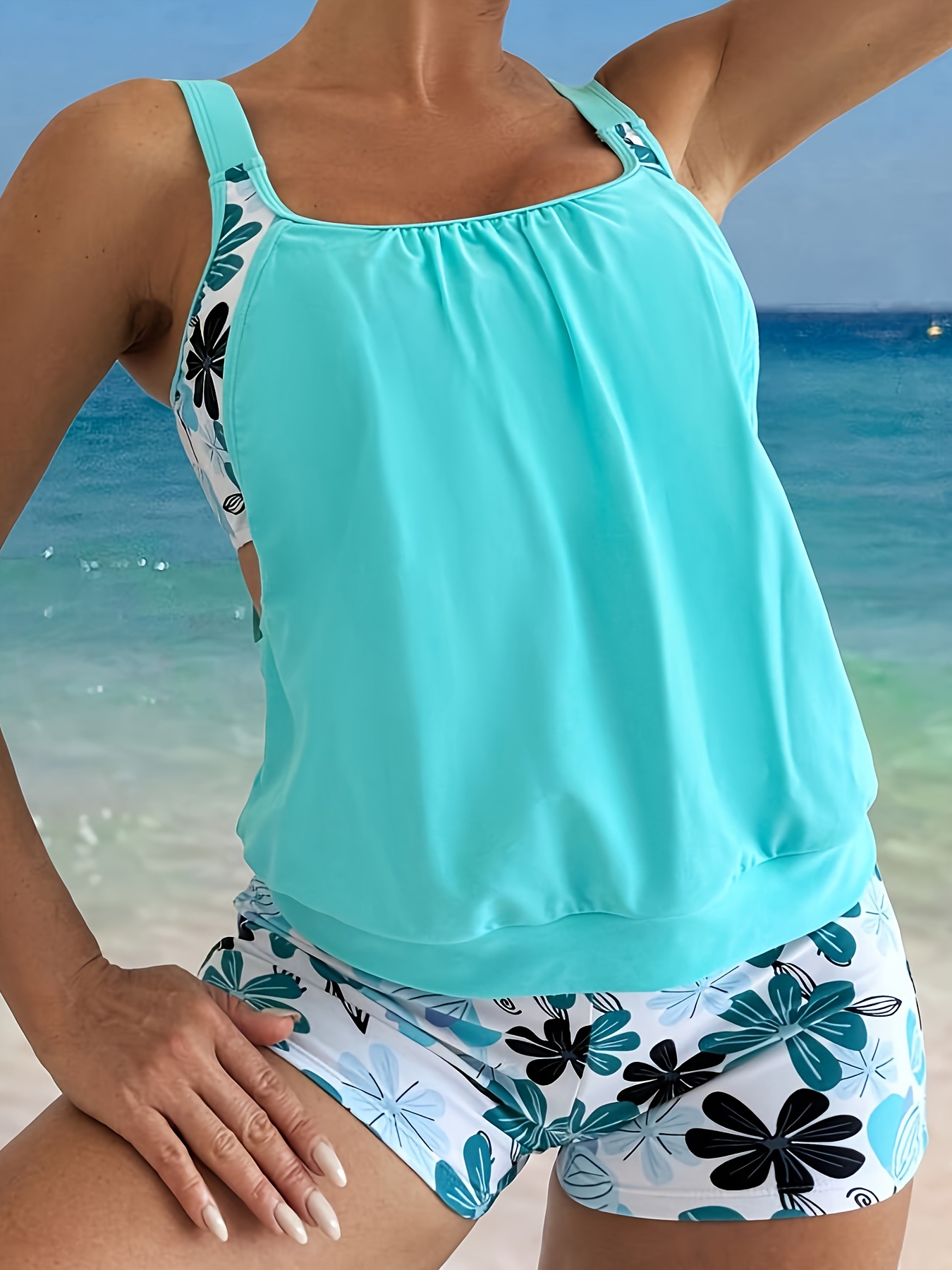
How a High-Waisted Bikini Should Fit
The band should sit flat against the skin without rolling, gaping, or cutting in. If you can fit more than two fingers under the waistband on each side, size down. If you can fit fewer than one finger, size up. The leg openings should follow your hip-to-thigh curve without dipping into muffin territory. Side seams should run straight down — not pulled forward, not torquing backward.
Sit down, stand up, walk ten steps. If the band rolled, the fabric is too light or the cut is too narrow at the top. If the leg opening shifted, the elastic is loose or the rise is wrong for your torso. A high-waisted bottom that passes all three movements at the fitting-room mirror is a piece you’ll wear for years.
Watch for one more thing: the back coverage. High-waisted comes in cheeky, moderate, and full coverage at the rear. The cheeky version pairs the high front with a smaller back, which is the most popular cut in the U.S. market. Moderate is the most flattering for most body types because it balances the front coverage with proportional back coverage. Full coverage reads as retro pinup and pairs best with high-neck tops.
The YouTube Try-On That Explains It Best
The clearest visual breakdown of fit differences I’ve seen is from one of the larger swim try-on creators. Watch a few different cuts on one body and the differences click in a way no diagram can match.
Vintage and Retro Styling: Why the Look Lasts
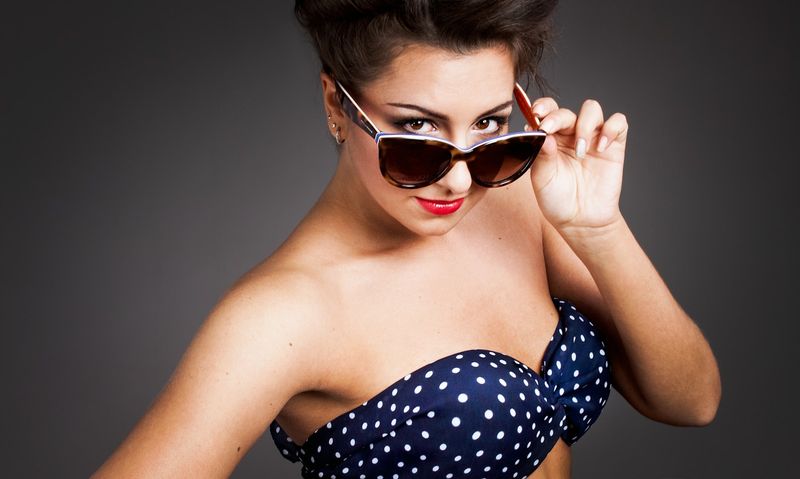
The 1950s pinup silhouette wasn’t designed by accident. The mid-century swimwear industry was selling structure — bustline support, waist definition, hip balance — at a moment when the rest of fashion was doing the same thing. The high-waisted bottom carried that engineering forward when other elements of the silhouette (the cone bras, the rigid corsetry) fell out of favor. That’s why it survived seventy years of trend cycles while other 1950s details disappeared.
For retro-leaning shoppers, the styling cues are specific: polka dot or solid bottoms paired with bandeau or halter tops, a wide-brim hat, red lipstick if you’re committing. Modern retro is less literal — solid black or solid red high-waist bottoms with a contemporary top read as confident rather than costume. According to Vogue’s bikini retrospective, the 1950s silhouette was the original “respectable” swimwear cut, and that quiet authority is part of why it photographs so well today.
The Care Routine That Doubles Their Lifespan
A high-waisted bottom is an investment piece compared to a $12 string bikini. Treating it like one means rinsing in cool water after every swim, hand washing weekly with a gentle detergent like Soak or Eucalan, and laying flat to dry. Chlorine is the silent killer of swim elastic — the saltwater rinse after a pool day actually neutralizes some of the chemical exposure. Avoid wringing, avoid the dryer, and rotate between two or three pieces if you’re swimming daily. The full swimwear care toolkit walks through the routine in detail.
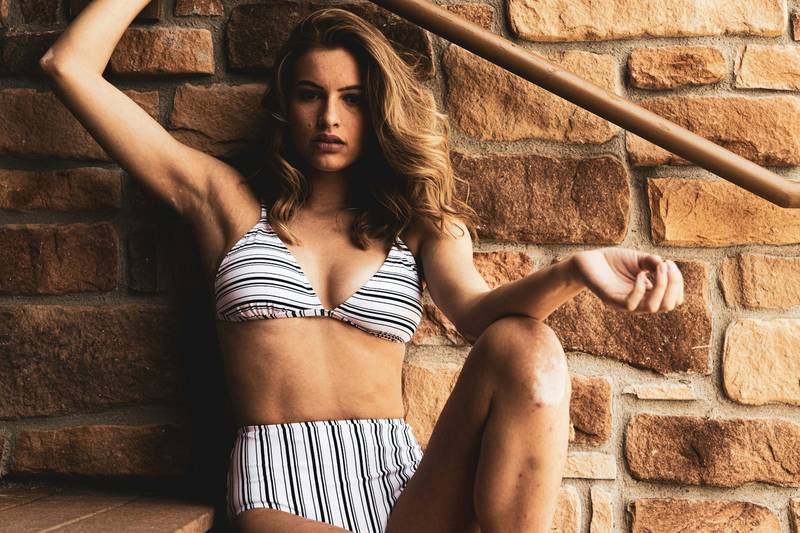
Where High-Waisted Bottoms Fall Short
I said I’d take a position, so here it is: high-waisted bottoms are not the right cut for serious lap swimming, for tanning evenly across the lower abdomen, or for women with a very short torso who find the band reaches the underbust. In any of those three cases, a mid-rise athletic cut or a one-piece is the better tool. The cut isn’t universally superior — it’s universally available, which gets confused for the same thing.
The other failure mode is buying cheap. A $19 high-waisted bottom in 160 GSM fabric will roll, fade, and pill within six wears. It’s worse than buying a $19 low-rise because the structural promise of the cut depends on the structural quality of the fabric. If your budget is $19, buy a low-rise that’s honest about being a casual piece.
Pairing With Tops: The Three Combinations That Always Work
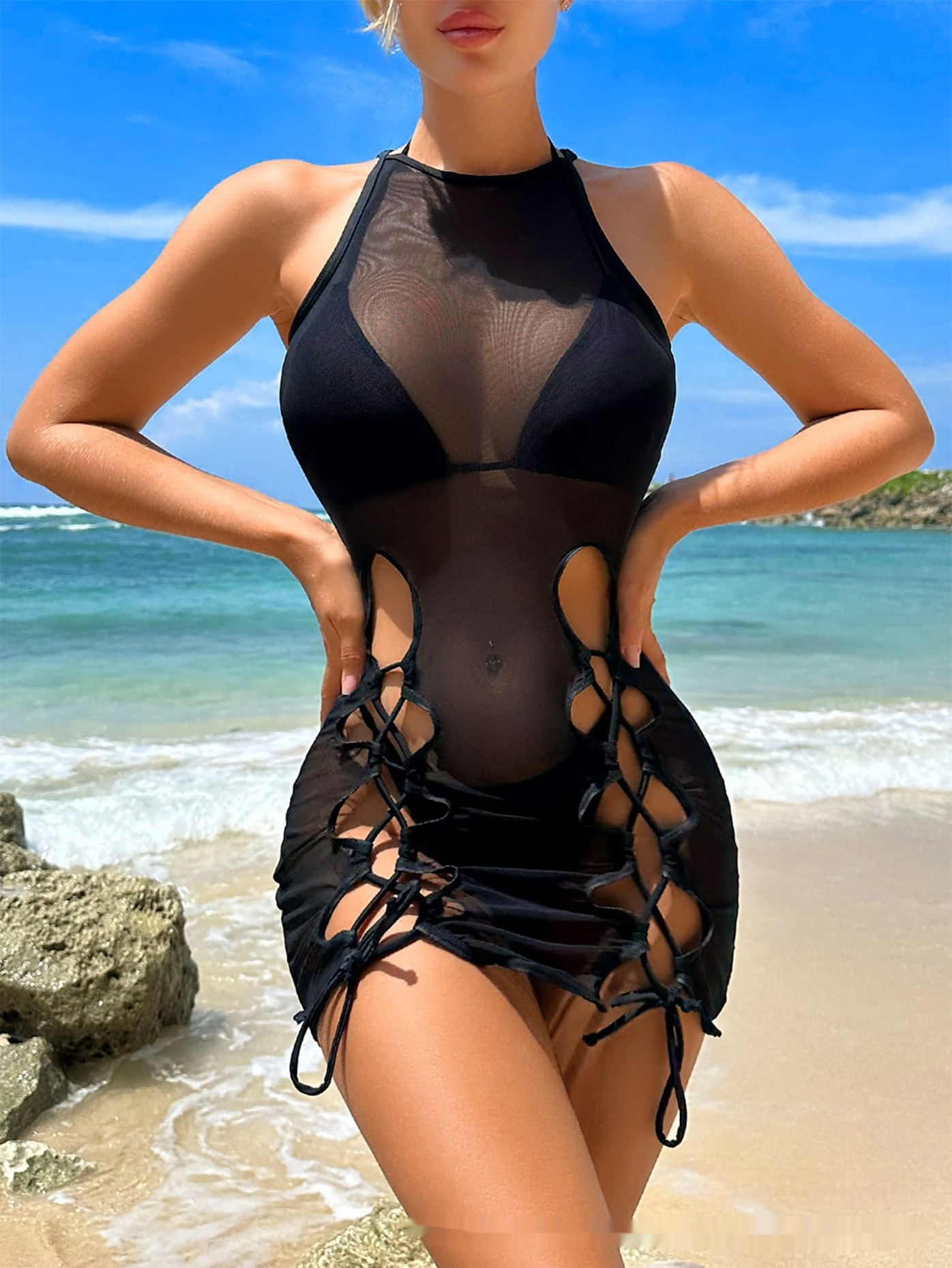
A high-waisted bottom is forgiving on the top half because the visual weight sits below the waist. Three pairings consistently flatter across body types. First, a triangle top creates a vertical line that elongates the torso. Second, a bandeau top emphasizes the shoulders and pairs cleanly with the bottom’s horizontal band. Third, a halter top with structured cups balances upper-body proportion and reads as deliberate, vintage-adjacent without going full pinup. If you’re stuck on what to pair, T’s summer solstice refresh guide covers how to build a capsule swim wardrobe around two or three top shapes and rotate them through bottom cuts.

Shopping Smart in a Crowded Category
The high-waisted bottom market exploded between 2020 and 2024, which means the category is now flooded with poor-quality drop-ship versions. Five filters separate the buys from the don’t-buys. Check the front rise measurement (8 inches minimum, 9-10 for most torsos). Check the fabric weight (200 GSM or better). Check the band depth (2.5 inches minimum). Read reviews mentioning the words “rolled,” “faded,” or “see-through.” And buy from brands that publish their model’s measurements next to the photographed size — that single transparency cue correlates strongly with overall product quality.
One last thing: the price-per-wear math on a quality high-waisted bottom is brutal in the buyer’s favor. A $48 piece worn 30 times across two summers is $1.60 a wear. A $19 piece worn 6 times before it stretches out is $3.16 a wear. The expensive piece is the cheaper piece. This math applies to virtually every category of clothing but is especially obvious in swim because the failure modes are visible.
The Bottom Line on the Bottom That Lasts
Buy two. One in black, one in a print or color you’d actually wear. The black one becomes your default — it pairs with everything and survives multiple summers if you bought quality. The print becomes the one you reach for when you want the look to feel like an event rather than a wash-and-go. Skip the fast-fashion fourth and fifth piece — they’ll be in the donate pile by August. The category rewards depth, not breadth.
The high-waisted bikini bottom isn’t a moment. It’s the cut that survived the moment, kept winning the comfort argument, and quietly became the default for women who care less about what’s trending and more about what works. Pick one well, take care of it, and it’ll be the piece in your drawer you reach for first every June through 2030.
Sources
- Vogue — The Bikini Turns 75 — Retrospective on the bikini’s evolution and the 1950s high-waist silhouette.
- Statista — Global Swimwear Market Value — Market sizing data on swimwear category growth.
- Mayo Clinic — Body Image and Confidence — Research on how comfort with clothing influences perceived confidence.
- Cosmopolitan — High-Waisted Bikini Guide — Style breakdown of contemporary high-waisted cuts.
Shop our full range of bikinis and swimwear at the BikiniCool store →