
How to Make Your Swimwear Last: The Care Toolkit Every Bikini Owner Needs

Your favorite bikini deserves more than a quick rinse and a hopeful prayer. Whether you are a curvy queen, an athletic swimmer, or just someone who loves a long pool day, your swimwear works hard — and the right care toolkit can stretch its lifespan from a single season into years of beach days. The best part? You do not need a closet full of expensive products. A handful of smart, well-chosen tools can transform how your suits hold up against chlorine, salt, sun, and sand.
This is the complete care toolkit every swimwear lover should own. It is not about complicated routines or guilt over every little misstep. It is about giving the suits that make you feel amazing the simple, consistent support they need to keep showing up for you, summer after summer, body and confidence intact.
Why Swimwear Needs a Specialized Care Approach
Swimwear lives a tough life. Most bikinis are made from a blend of nylon or polyester with spandex (also called Lycra or elastane), and that spandex is what gives suits their stretch and snug, supportive fit. Unfortunately, spandex is also the most fragile part of your swimsuit. Chlorine breaks down those stretchy fibers, salt crystallizes and cuts into them, sunscreen oils stain the fabric, and UV rays degrade the dyes that keep colors bold.
Regular laundry tools were not designed for these conditions. A standard washer and dryer cycle is a slow-motion crime scene for delicate swim fabrics. That is why having a small, dedicated set of swim-specific tools matters: each one solves a problem that ordinary laundry products cannot touch.
The Wash-Day Essentials
Mesh Laundry Bags

If you only buy one thing from this entire list, make it a set of zippered mesh laundry bags. These soft, breathable pouches are the difference between a bikini that loses shape after a few washes and one that holds its fit for years. Even if you commit to hand-washing, a mesh bag still protects your suits when you are traveling, drying, or storing them in a drawer.
Look for bags with sturdy zippers (not Velcro, which snags) and a fine mesh weave. Smaller bags are best for individual bikinis so the pieces do not tangle around each other or twist the straps out of shape.
Shop Mesh Laundry Bags for Delicates on Amazon →
Delicate Detergent Made for Swim Fabrics
Regular laundry detergent contains enzymes and brighteners that are too harsh for the elastane in swimwear. They strip natural oils, fade dyes, and weaken stretch fibers with every wash. A pH-neutral detergent specifically formulated for delicates is gentle enough to use after every swim and effective enough to lift sunscreen, salt, and chlorine residue.
Brands like The Laundress, Soak, and Forever New have built reputations on swimwear-safe formulas. Look for products labeled “no-rinse” if you want to simplify hand-washing — you soak, gently squeeze, and skip the rinse step entirely. A single bottle lasts a full season for most swimsuit collections.
Shop Delicate Swimwear Wash on Amazon →
Chlorine Neutralizer

If you are a regular pool swimmer, a chlorine neutralizer is a game-changer. Products like Suit Solutions or Summer Solutions use ascorbic acid (vitamin C) to bond with chlorine molecules and pull them out of the fabric before they degrade your suit. A single ten-minute soak after each pool visit dramatically extends the life of lap-swimming and competition suits, where chlorine damage shows up fastest.
You can also DIY a basic version by dissolving a teaspoon of pure vitamin C powder in a sink of cool water and soaking your suit for ten minutes before regular washing. It is not as concentrated as commercial products, but it works beautifully in a pinch and costs almost nothing per soak.
Storage Tools That Save Your Suits
Padded Velvet Hangers

If you hang your bikinis, the type of hanger you use matters more than you might think. Wire hangers and chunky plastic ones distort the shape of bikini tops and dig grooves into the straps over time. Slim, padded velvet hangers grip the fabric without stretching it and take up minimal closet space.
For one-pieces and high-cut suits, look for hangers with a wider shoulder profile that supports the bust without points. For bikini tops, narrow velvet hangers are perfect — the velvet keeps slippery fabrics from sliding off, and the slim shape does not pull at the cups or distort molded shapes.
Shop Padded Velvet Hangers on Amazon →
Drawer Dividers and Acid-Free Tissue
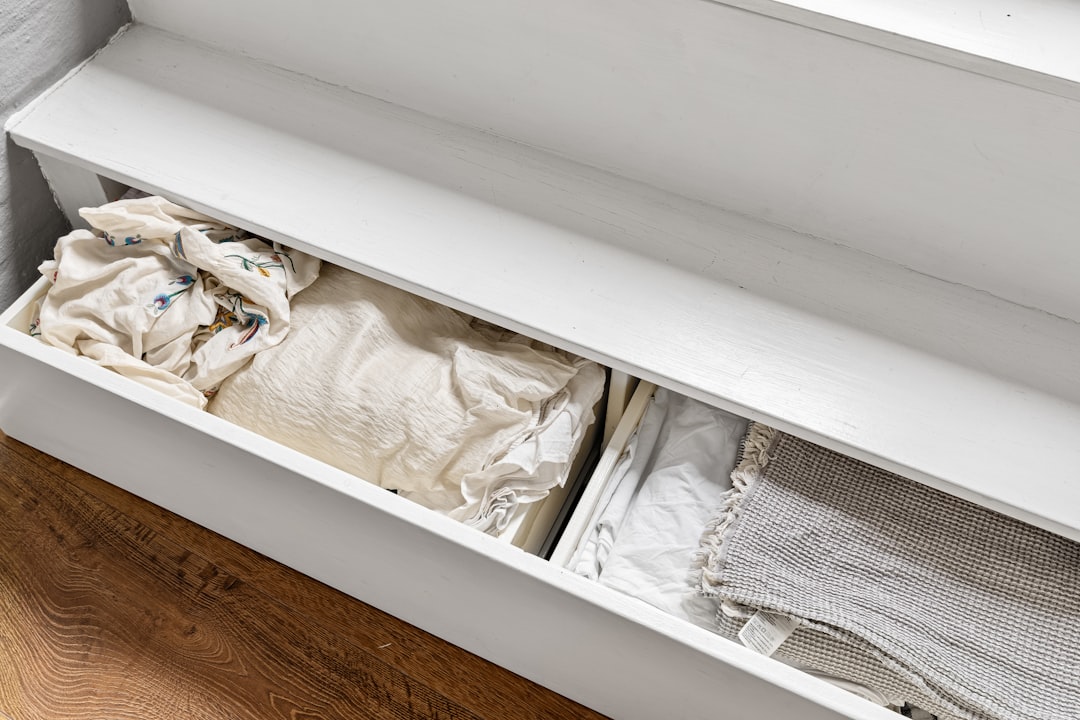
If you prefer folding, drawer dividers prevent your suits from tangling, snagging on zippers, or pressing flat against rough drawer edges. Pair them with acid-free tissue paper between each suit to prevent dye transfer between bright colors and to give padded cups something to rest on so they do not deform under the weight of suits stacked above.
For long-term off-season storage, breathable cotton storage bags beat plastic bins every time. Plastic traps moisture and yellows white suits over months in a closet. Cotton lets the fabric breathe while still protecting against dust and light exposure.
Drying Tools That Beat Sun and Heat Damage
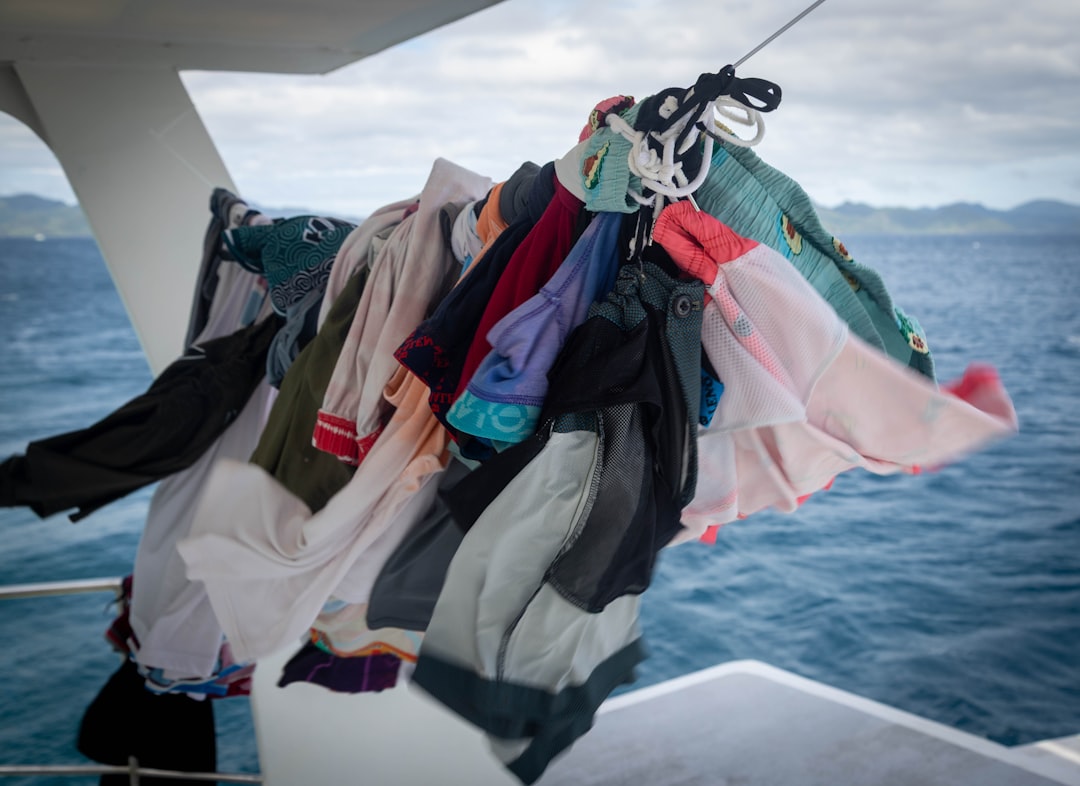
How you dry your swimwear matters as much as how you wash it. The dryer is a hard no — heat melts elastane, distorts molded cups, and fades colors fast. Direct sun is almost as bad: UV rays bleach dyes and break down fibers from the outside in, leaving suits brittle and chalky after just a few exposures.
A simple mesh drying rack laid flat in a shaded, well-ventilated spot is the gold standard. Mesh lets air circulate around both sides of the fabric so suits dry evenly without stretching under their own water weight. If you are tight on space, a foldable countertop rack works for one or two suits, and a hanging mesh sweater dryer can hold a full week’s swim wardrobe in a small footprint.
Never wring out a swimsuit. Instead, lay it flat on a clean cotton towel, roll the towel and suit together, and press gently to absorb water. Then transfer the damp suit to your drying rack. This technique removes most of the moisture without putting any twisting stress on the fibers.
Repair and Touch-Up Essentials
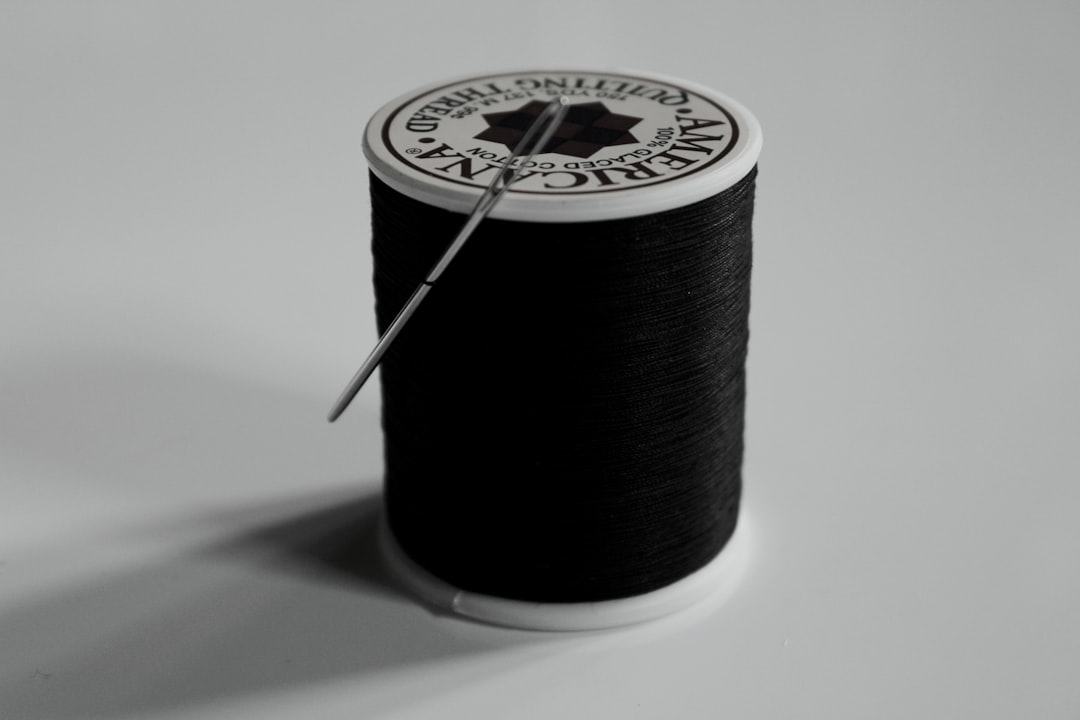
Even with perfect care, swimwear eventually shows wear: a loose stitch on a string, a snagged thread, a slightly pilled fabric surface. A small repair kit can buy you another season or two before a suit truly needs to retire.
Stock your kit with these basics:
- A small fabric shaver to remove pilling without damaging the surface
- A pack of stretch-fabric sewing needles (regular needles can split spandex fibers)
- Polyester thread in white, black, and any signature colors in your wardrobe
- Fray-stop liquid for sealing small fabric edges before they unravel further
- A few replacement adjustable sliders for halter ties and string bottoms
Most swimwear repairs take five minutes and do not require any real sewing skill. A short video tutorial and a steady hand will keep your favorite suits in rotation long past their expected expiration date.
Pre-Wear Protection for Brand-New Bikinis

Brand-new swimwear arrives with excess dye, finishing chemicals, and sometimes a slight stiffness from packaging. Before the very first wear, soak it for fifteen minutes in cool water with a splash of white vinegar (about a quarter cup per gallon). The vinegar sets the dye and rinses out residual chemicals so colors stay vibrant and the fabric feels softer right away.
This single step is the most overlooked move in swimwear care and one of the most impactful. Suits that get pre-treated hold their color noticeably better through the first dozen washes — and the first dozen washes are when most fading actually happens.
The Five-Minute Post-Swim Ritual
None of these tools matter if they do not get used. Build a quick post-swim routine so caring for your suits becomes automatic instead of a chore:
- Rinse in cool freshwater within thirty minutes of leaving the pool, ocean, or hot tub
- Soak in a small sink with a splash of delicate detergent for ten minutes
- Gently squeeze (never wring) and roll in a cotton towel to absorb water
- Lay flat on a mesh rack out of direct sunlight to air-dry
- Once fully dry, return to a padded hanger or a drawer divider with tissue paper
The whole sequence takes about five minutes of active attention. The drying is hands-off. Done consistently, this routine alone can double the lifespan of any suit you own — even before you add the more specialized tools above.
Building Your Toolkit on Any Budget
You do not need to assemble all of this at once. Start with the highest-impact pieces: a pack of mesh wash bags and a bottle of delicate detergent will solve most swimwear care problems on their own. Add padded hangers or drawer dividers next, depending on how you store your suits. Save the chlorine neutralizer for when you have identified a real need — there is no point buying ascorbic acid soaks if you only swim in the ocean.
The best toolkit is the one you actually use. A few thoughtfully chosen products beats a closet full of specialty items you forget about. Your favorite swimsuits — the ones that make you feel powerful, beautiful, and ready for anything — deserve the small effort. Take care of them, and they will keep showing up for every pool day, beach trip, and confident moment for years to come.
Sources
- The Laundress — fabric care guides for delicates and swimwear
- Wikipedia: Spandex — properties and care of elastane fibers
- SwimOutlet — competitive swimwear care resources
Shop our full range of bikinis and swimwear at the BikiniCool store →