Swimwear Fit, Decoded: How Fabric & Construction Work for Any Body
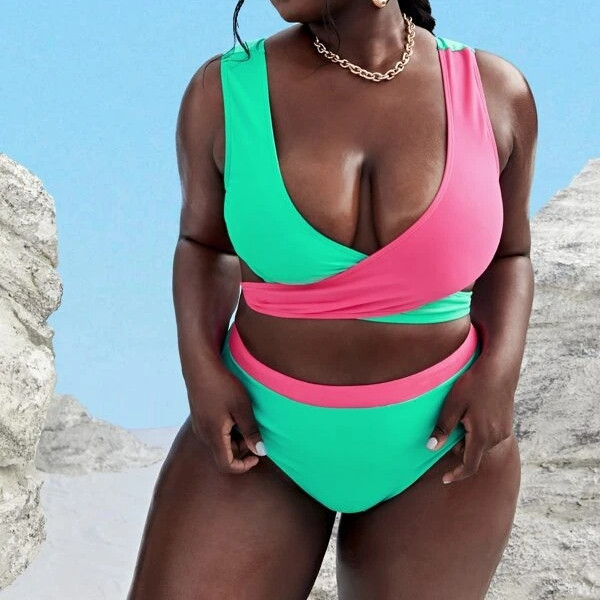
Somewhere along the way, swimwear shopping turned into a personality test. Pick your “shape,” match it to a chart, and follow the rules: this cut for pears, that neckline for apples, this ruching to “hide” and that panel to “minimize.” It’s exhausting, and it’s mostly wrong. The truth is that a swimsuit either fits your body or it doesn’t — and whether it fits has far more to do with how it was built than with which category a magazine assigned you. Once you understand what fabric, seams, linings, and hardware are actually doing, you stop shopping by body type and start shopping by construction. That single shift is what makes the best swimwear for every body type suddenly feel within reach.
Why “body type” is the wrong starting point
Body-type charts assume there are four or five human shapes and that everyone slots neatly into one. In reality, two people labeled the same “type” can have completely different rib depths, torso lengths, shoulder widths, and bust-to-underbust ratios — all of which change how a suit sits. A swimsuit doesn’t read the label you were assigned. It responds to the physical space between your shoulders and hips, the length of your torso, and how much support your bust needs. Those are engineering problems, not identity questions.
This matters because the “rules” quietly encode an old idea: that certain bodies need correcting. When a guide tells you to “minimize” here and “draw the eye away” there, it has already decided your body is a problem to be managed. A construction-first approach throws that out. It asks a neutral, practical question instead — does this garment hold, move, and support the way I need it to? — and lets your body simply be the thing it’s built around.
Fabric: the invisible part that decides everything
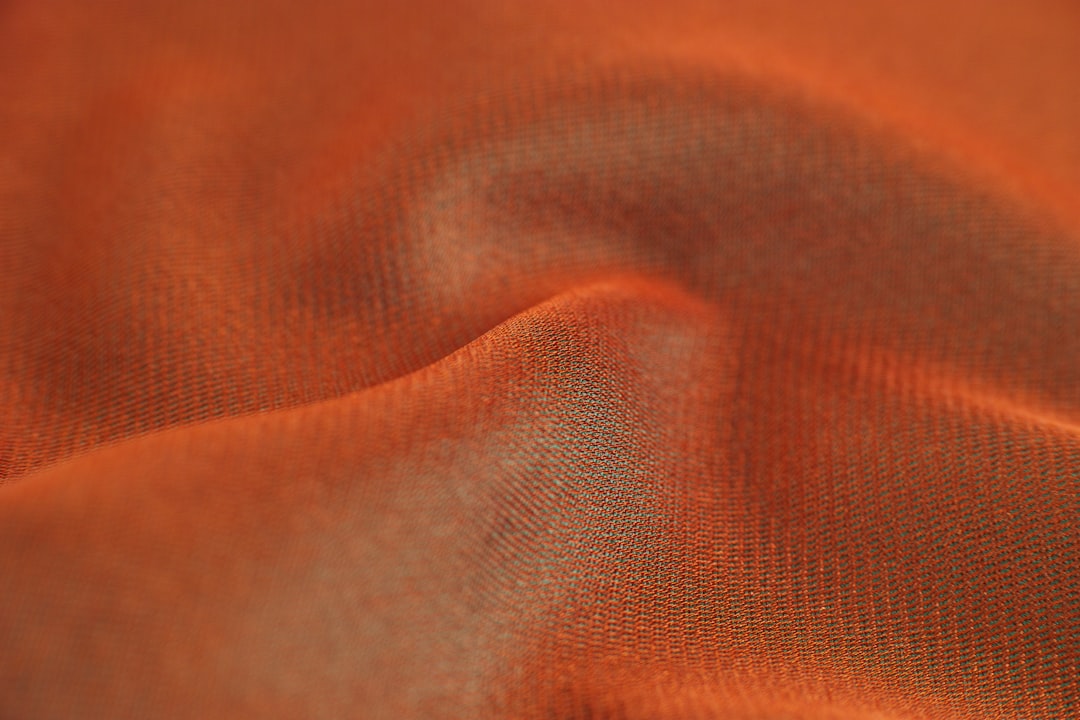
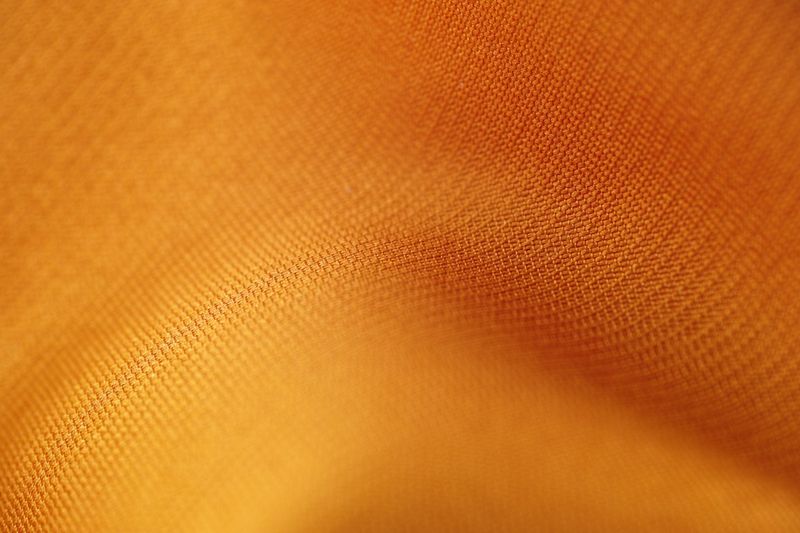
Nearly everything you feel about a swimsuit — whether it hugs or digs, smooths or bunches, holds its shape after a summer or sags by July — comes down to fabric. Most quality swimwear is a blend of nylon (or polyester) with elastane, usually branded as spandex or Lycra. The elastane content is the number worth caring about. A suit in the range of roughly 18–22% elastane has real recovery: it stretches to fit your movement and springs back to its original shape. Cheaper suits with very little elastane feel fine in the fitting room and then stretch out, going baggy and see-through within weeks.

Fabric weight matters just as much as composition. A heavier, more compressive knit holds you gently and smooths the surface without squeezing — which is why a well-made one-piece can feel supportive across an enormous range of bodies. Lighter fabrics feel airy and drape beautifully but offer little containment. Neither is better; they’re built for different jobs. If you want a suit that quietly holds everything in place through a wave or a beach volleyball game, weight and elastane are your friends. If you want something soft and unstructured to throw on for a rooftop pool, a lighter hand is the point.
One overlooked test: pull a section of fabric taut and hold it up to the light. If it turns sheer under a gentle stretch, it will be sheer on your body too, especially when wet. Good swimwear fabric stays opaque under the same tension it will experience on you.
Shop Compressive One-Piece Swimsuits on Amazon →
Seams, panels, and where the structure hides
Look at the inside of a swimsuit and you’ll learn more than any hangtag can tell you. Seams aren’t just where two pieces of fabric meet — they’re where a designer built in shape. A curved princess seam running vertically through a one-piece follows the body’s natural lines and gives the fabric somewhere to contour, which is why paneled suits sit smoothly on so many different torsos. Flat, straight seams are cheaper to produce but offer no shaping; the fabric has to do all the work alone.
Power mesh and the myth of “tummy control”
Turn a mid-tier or premium one-piece inside out and you’ll often find a second layer of firmer, slightly stiffer fabric across the front — that’s power mesh. It’s the same family of material used in shapewear, and its job is gentle, even compression that smooths the surface rather than cinching a single spot. The marketing calls it “tummy control,” which frames a soft belly as something to control. A better way to think about it: power mesh is structural support for the fabric, giving the suit a stable base so it stays put and feels secure during movement. It works across every body because it’s supporting the garment, not judging you.
Ruching — those gathered folds of fabric, usually along the sides or center front — gets a similar bad rap for “hiding.” Mechanically, ruching does something genuinely useful: it lets a single size accommodate a much wider range of torso depths, because the gathers expand and contract. That’s why ruched suits are so forgiving in fit and so consistent across bodies. Use it because it fits more flexibly, not because you’ve been told to camouflage something.
Support hardware: straps, bands, and cups
If there’s one area where construction is non-negotiable, it’s bust support — and it’s where the most people are wearing the wrong thing. Real support in swimwear comes from the same place it comes from in a good bra: a firm underband, adjustable straps, and cups that match your volume. A bikini top or one-piece that relies on a single thin string tied behind the neck is putting all the weight on your neck and none on your ribcage, which is uncomfortable for most people and unworkable for a fuller bust.

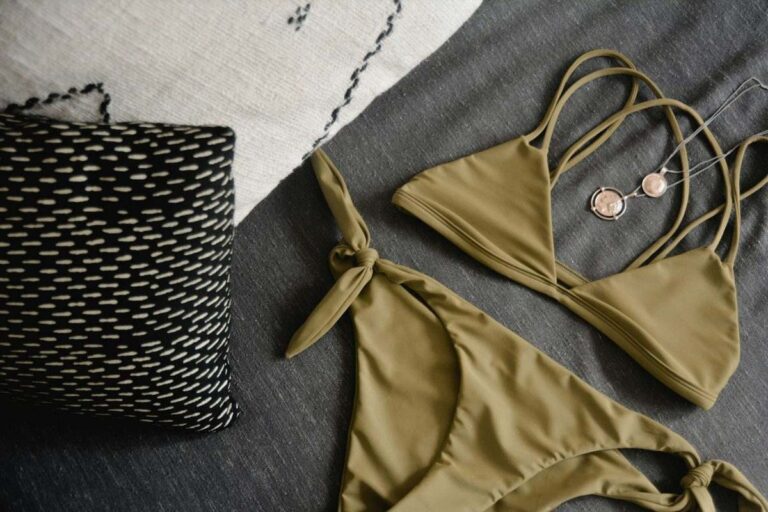
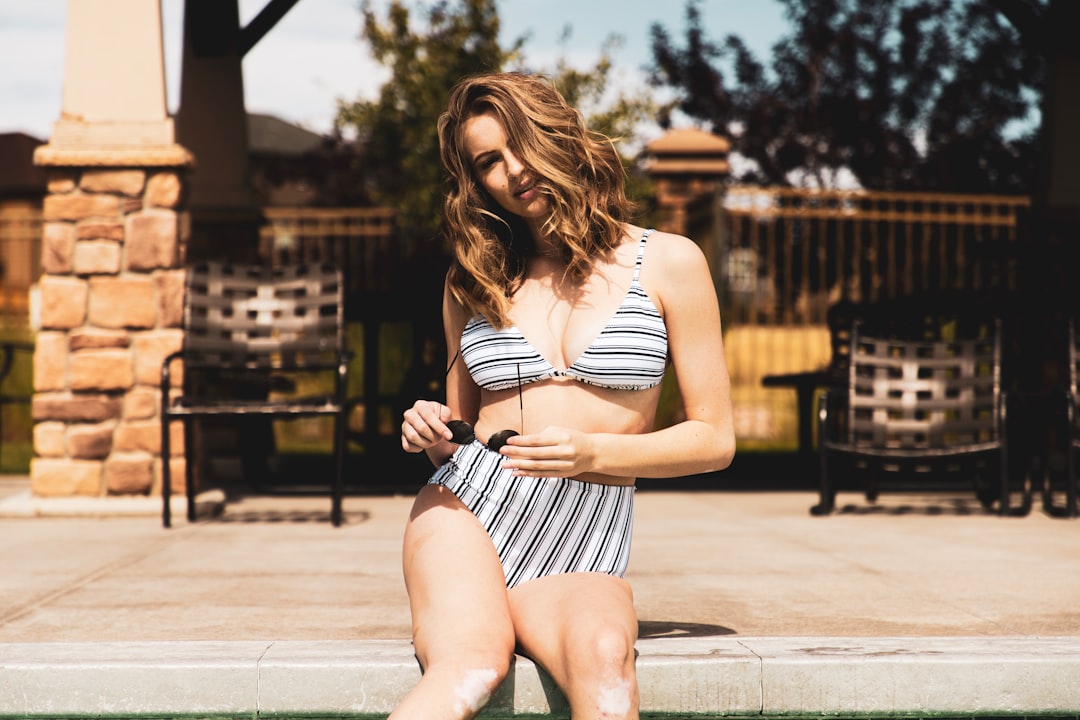
The features that signal genuine support are easy to spot once you know to look: a wide, elasticated underband that sits level and snug around the ribcage; straps that adjust with sliders and can be crossed or widened; underwire or molded cups sized in actual bra sizing rather than S/M/L; and side boning or extra-wide side panels that keep everything anchored. A suit with these will feel secure whether you’re a B cup or a G cup, because it’s distributing weight the way the body needs. Meanwhile, bralette-style and triangle tops offer softness and easy comfort for smaller busts or low-key days — again, a matter of the job the garment is built for, not a hierarchy of bodies.
Adjustability is the quiet hero of “fits any body.” A top with sliding straps, a hook-and-eye back closure, and side-tie bottoms can be dialed in to dozens of proportions that a fixed garment never could. When you shop, count the points of adjustment — the more a suit lets you tune, the more bodies it will genuinely fit.
Shop Underwire Support Bikini Tops on Amazon →
Linings, leg lines, and rise
A full front-and-back lining does two things: it keeps the suit opaque when wet and adds a smoothing layer that makes fabric sit better against skin. Unlined or partially lined suits are lighter and dry faster but demand more from the outer fabric. Neither is a dealbreaker — just know which you’re buying, because a beautiful print in a thin, unlined suit can betray you the moment you leave the water.
Leg lines and rise are pure geometry, and understanding them frees you from a lot of trial-and-error frustration. A higher-cut leg lengthens the visual line of the leg and gives more room through the hip, which is why high-leg and high-waisted styles feel so comfortable and secure for so many people — the fabric isn’t fighting the widest part of the hip. A lower, straighter leg offers more coverage and a retro feel. The rise — where the waistband lands — determines whether a bottom sits at your natural waist, below it, or somewhere in between, and that’s what decides comfort when you sit and bend, not how you “should” look.
Shopping by construction: a fitting-room method
Put it all together and swimwear shopping becomes a hands-on inspection instead of a body audit. Before you even try a suit on, check the fabric composition on the tag and stretch-test it against the light. Turn it inside out and look for lining, power mesh, princess seams, and how the cups and band are built. Count the points of adjustment. This ninety-second check filters out most of the suits that were never going to work, no matter your shape.
Once it’s on, move the way you’ll actually move at the beach or pool. Raise your arms fully overhead — does the top stay put or ride up and pull the band off your ribs? Bend forward from the waist — does the neckline gape or hold? Sit down and check whether the bottoms cut in or the waistband digs. Do a couple of small jumps. A suit that passes these movement tests is a suit that will let you forget you’re wearing it, which is the entire point. Fit that survives motion beats fit that only looks right standing still in front of a mirror.
Sizing deserves the same construction-minded flexibility. Swimwear sizing is notoriously inconsistent between brands, and it’s completely normal to be different sizes in different labels or even to size the top and bottom separately. Mix-and-match sets and separates exist precisely because most bodies aren’t proportioned to a single size. Buying two sizes and returning one isn’t indecision — it’s how you account for the fact that no brand’s block was drafted specifically for you.
Shop Mix-and-Match Swimwear Separates on Amazon →
The confidence is in the fit, not the rules
Here’s the freeing part: when you shop by construction, “flattering” stops being a verdict on your body and becomes a description of a well-built garment. A suit with the right fabric weight, real support hardware, thoughtful seaming, and enough adjustability will look and feel good on you not because it disguises anything, but because it genuinely fits. That’s what the endless body-type charts were always fumbling toward without saying it plainly.

So the next time you’re staring down a rack or a checkout cart, skip the question of which category you belong to. Ask instead what the suit is made of, how it’s built, and whether it holds up when you move. Learn to read a garment, and every body — including yours, exactly as it is today — becomes a body that swimwear was made to fit. That’s not a marketing promise. It’s just how the fabric works.
Sources
- Wikipedia — Spandex (elastane): properties and recovery
- Wikipedia — Swimsuit: construction and style history
- Cotton Incorporated — textile and fabric performance resources
Shop our full range of bikinis and swimwear at the BikiniCool store →