
One-Piece or Bikini? How to Choose Based on What Your Day Actually Looks Like
Every swimwear season, the same question comes up: one-piece or bikini? Most of the advice you’ll find frames this as a body-confidence call or a trend decision — which silhouette is fashion-forward right now, which one is more universally flattering. What rarely gets asked is the more useful question: what are you actually going to be doing? The swimsuit built for serious ocean swimming looks completely different from the one you want when you’re parked on a sun lounger at a beach club. And once you start making the choice based on activity and context rather than aesthetics and trends, the decision gets a lot simpler.

Why Your Plans Matter More Than the Trend
Fashion has strong opinions about which swimwear silhouette is dominant this season, but those opinions rarely account for whether you’ll be paddleboarding at 7am or floating in a infinity pool with a cocktail by noon. Your primary activity is the variable that should be driving the decision — not the runway, not the Instagram algorithm, not what sold out first on the retailer’s site. A one-piece stays put under pressure. A bikini offers flexibility and adjustability. Neither is inherently superior. They’re optimized for different versions of a beach day, and recognizing that distinction cuts through most of the noise around this debate.
It’s also worth noting that both categories have evolved significantly. Today’s one-pieces include underwire bust support, adjustable straps, high-leg cuts, and sculpting panels that didn’t exist a decade ago. Bikinis now come in high-coverage bottoms, longline bralette tops, and adjustable tie systems that perform far better in the water than older styles. The binary choice has softened. But the activity-first logic still holds — and it’s the most practical framework for making a decision you won’t regret on day two of a resort week.
When the One-Piece Is Genuinely the Better Option

If you’re going into the water to swim — really swim, not just wade in to cool off — a one-piece is almost always the more functional choice. There’s no coordination required between two separate pieces, no top drifting upward when you push off the wall or dive under a wave, and no pre-swim adjustment ritual. For lap swimming, open ocean swimming, or any water activity where your body is moving continuously at speed, a one-piece sits flush against your body and stays there.
Water sports make this case even more clearly. Surfing, paddleboarding, kayaking, and snorkeling all involve repeated dynamic movement, wipeouts, and moments when you have no control over how your body is oriented in the water. A one-piece handles all of this without requiring any mental overhead. You don’t surface from a wipeout wondering about your coverage situation — you just get back up and go again. Even if the activities aren’t extreme, an active beach day that involves a lot of in-and-out of the water, beach volleyball, or keeping up with kids in the surf is a strong argument for the one-piece. You can move freely without constantly monitoring your situation.
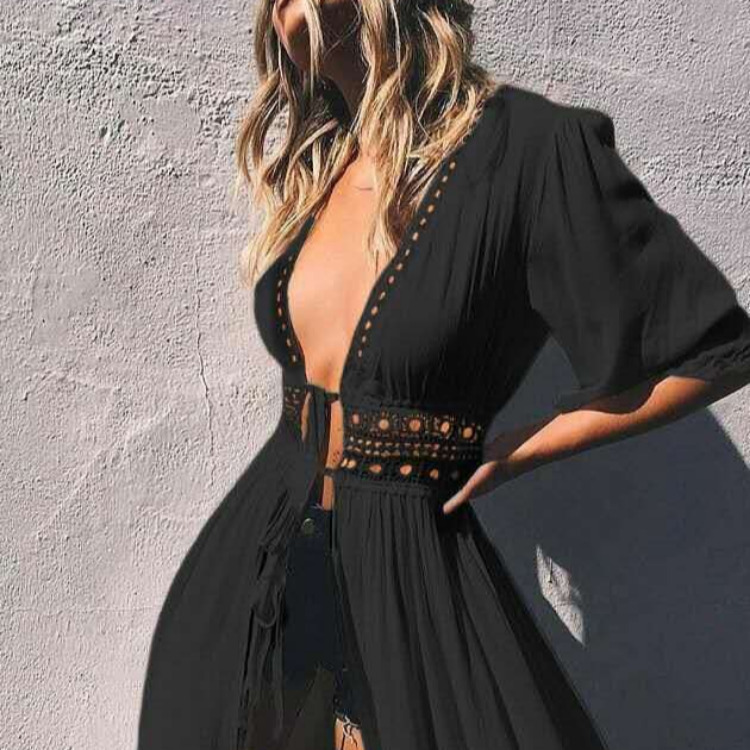
Wind is another underrated factor. Bikini tops are vulnerable to the unexpected — a strong gust, a poorly timed wave, an enthusiastic jump from a boat. A one-piece removes that variable entirely. For travel to destinations where beach culture leans more conservative, or for any setting where you’ll be moving between beach and non-beach spaces throughout the day, a one-piece also transitions more easily. You’re not rummaging for a cover-up every time you want to duck into a restaurant or a market.
👙 Shop Women’s One-Piece Swimsuits on Amazon →
When a Bikini Earns Its Place

The bikini has a functional advantage that no one-piece can ever match: bathroom ease. It sounds trivial until you’re at a beach club, fully coated in SPF, and you need to use the facilities. Peeling off a one-piece and then managing wet fabric is nobody’s idea of a good time. If your day involves a lot of lounging, eating, drinking, and brief dips rather than sustained swimming, a bikini is genuinely the more practical choice for moving through your whole day comfortably.
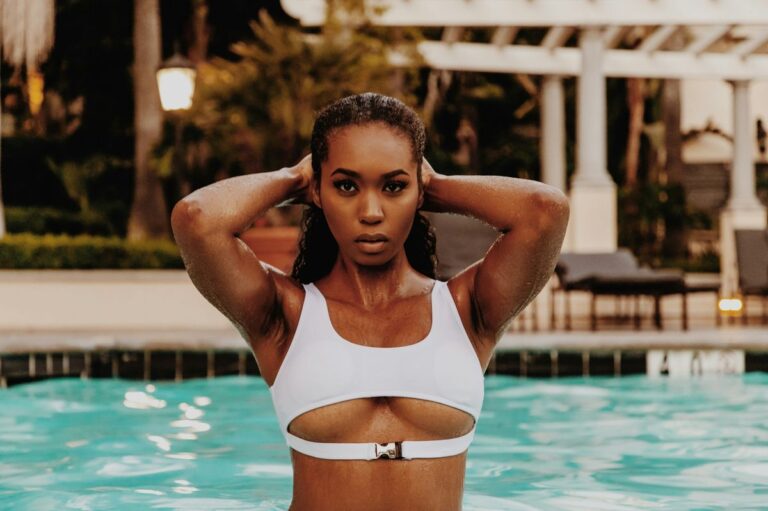
Bikinis also win on sunbathing. If maximizing your tan — or your vitamin D — is part of the day’s agenda, a two-piece gives you the flexibility to adjust as you go. Untie the back. Drop one strap. Rotate the waistband to prevent lines. A one-piece, no matter how well designed, doesn’t offer this kind of real-time adjustability. If tanning is your primary goal rather than your secondary one, the bikini is the more honest choice.
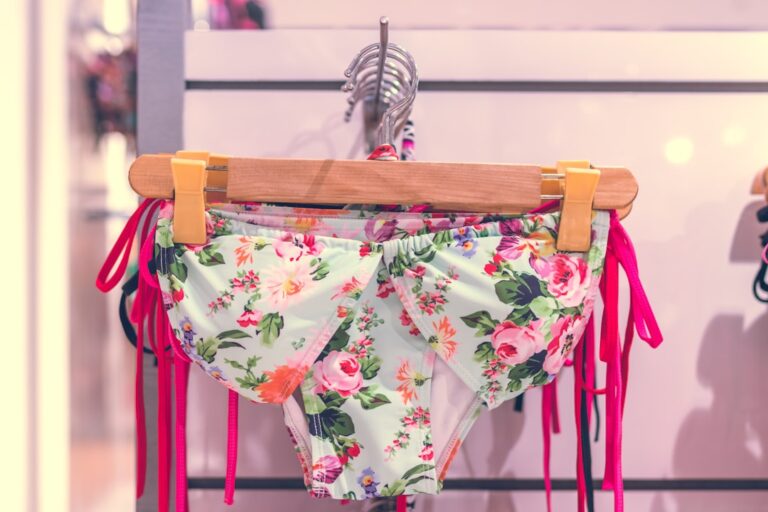
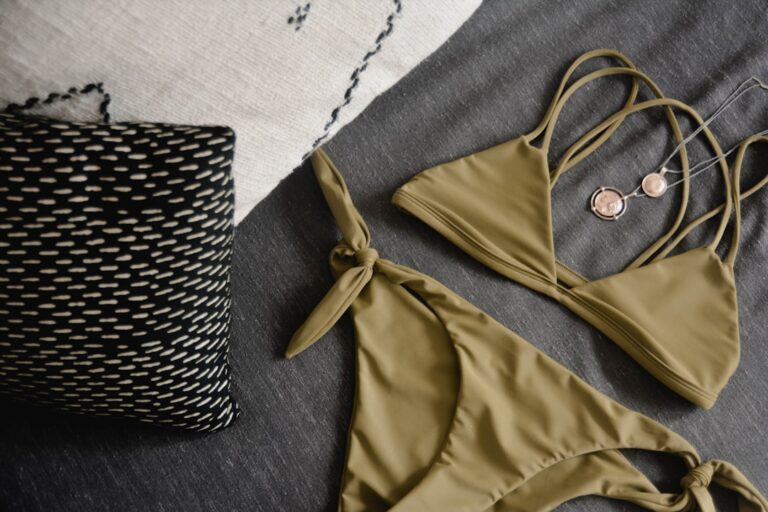
The versatility case for bikinis is real, too. A well-chosen bikini top functions as a fashion top — under an open linen shirt, paired with high-waisted shorts, or worn with a wrap skirt for a beach-to-lunch transition that requires zero additional effort. A good bikini bottom extends your beach wardrobe without taking up meaningful space in your bag. If you’re a light packer building a capsule wardrobe for a trip, two or three bikini pieces that mix and match in multiple combinations will serve you better than an equivalent number of one-pieces taking up the same bag space.
👙 Shop Women’s Bikini Sets on Amazon →
How the Length of Your Trip Changes the Calculation

For a single beach day, the activity-based logic works cleanly: active and in the water, go one-piece; lounging and socializing with occasional dips, reach for the bikini. But a multi-day beach vacation — a cruise, a resort week, a tropical trip with a varied itinerary — almost always calls for both. Your plans shift day to day, and building a small, intentional swimwear wardrobe that covers multiple scenarios is smarter than betting everything on one style.
A practical packing structure for a week-long trip: one versatile one-piece plus two bikini tops and two bottoms that work in combination. The one-piece handles the pool workout, the snorkeling excursion, and the windy boat day. The bikini combinations rotate through resort lounging, beach bar afternoons, and any lower-intensity day where flexibility matters more than security. You’re not choosing one-piece over bikini as a philosophy — you’re covering different versions of your trip with a small, non-redundant wardrobe that earns its luggage weight.
Sun Protection Is Part of the Conversation

One variable that consistently gets underweighted in swimwear conversations is sun exposure. A one-piece covers significantly more skin than a bikini — that’s simply the geometry of the garment. If you’re prone to burning, if you’re traveling to a high-UV destination near the equator or at altitude, or if you’ll be in direct sun for many consecutive hours, the additional coverage of a one-piece reduces both your sunscreen burden and your total UV exposure. This isn’t a small consideration when you’re looking at a full beach week.
UPF-rated swimwear has raised the ceiling here. One-pieces and swim leggings with built-in UV protection ratings are a genuine option for high-exposure situations, not just a niche product. A rash guard worn over a bikini achieves similar results if you prefer the two-piece format. But if you’re not already factoring in a rash guard and you know you’ll be in direct sun for extended periods, a one-piece is quietly doing protective work that a bikini top — particularly a bralette or bandeau style — can’t replicate on the torso and upper back.
Styling Either Style Off the Sand
One of the least-discussed arguments for a one-piece is how effortlessly it transitions off the beach. A clean-lined, solid-color one-piece tucked into a pair of high-waisted wide-leg trousers reads as a deliberately put-together top — not a swimsuit being passed off as something else. Add a blazer, earrings, and slides, and it functions as a legitimate warm-weather going-out look. This isn’t a styling trick that requires imagination; it’s a practical reality that makes a one-piece work harder in a vacation wardrobe than its single-use reputation suggests.
Bikini tops, meanwhile, have been functioning as standalone fashion tops for years without much debate. A structured bikini top with a printed midi skirt and wedge sandals is a beach-to-restaurant transition that requires zero additional styling effort. The line between a bikini top and a fashion crop top has largely collapsed at this point — which quietly extends the value of a well-chosen bikini set well beyond the shore and into your everyday warm-weather rotation.
👙 Shop Mix and Match Swimwear on Amazon →
The Fit Reality: What Actually Makes Either Style Work
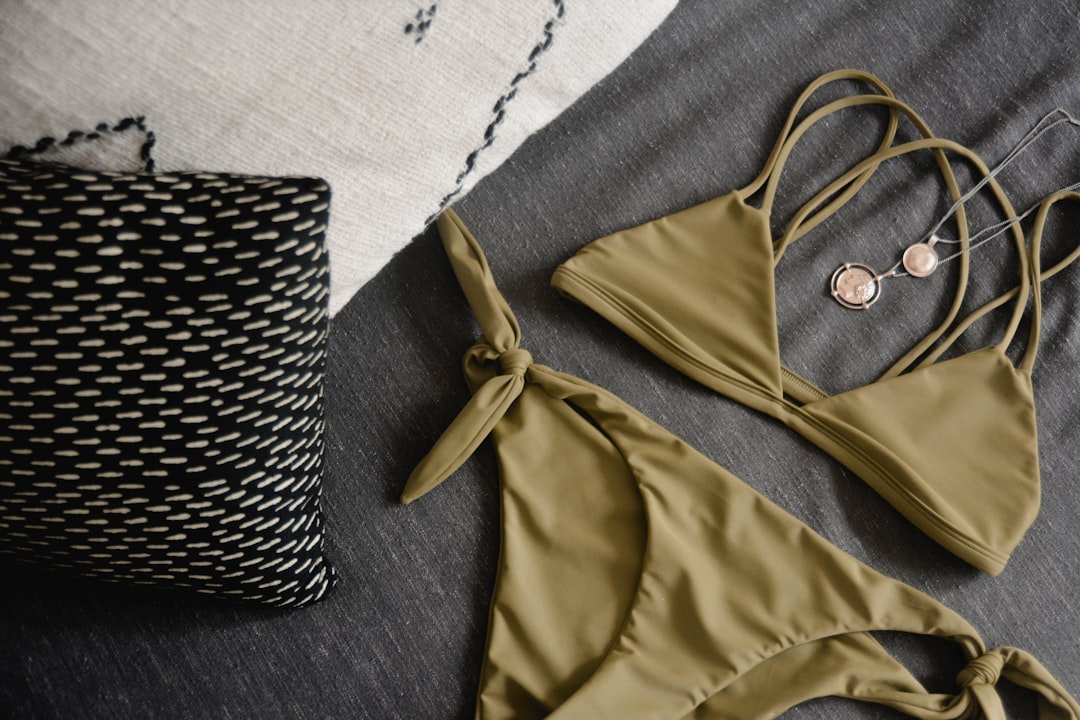
Here’s where the honest, body-positive truth lands: neither style is inherently more flattering, more appropriate, or more right for any particular body. The variables that actually determine whether you feel confident and free in either style are fit and cut — not the broad category you’re shopping in. A one-piece that’s too short in the torso, too narrow through the hips, or unsupportive in the bust will feel terrible regardless of how well it photographs. A bikini that actually fits — top and bottom sized and styled to your specific proportions — will feel great even if it’s not the silhouette you expected to reach for.
For one-pieces, the fit variables that matter most are torso length (many brands now offer tall and petite sizing), bust support structure, and how the hip cut sits on your body. A suit that pulls down in front or gaps at the chest will undermine the whole experience. For bikinis, the most practical advice is to buy tops and bottoms as separates when your top and bottom sizing don’t align — which is the case for more people than the matching-set model acknowledges. There’s no reason to accept a poor fit in either piece when separates are widely available and increasingly well made.
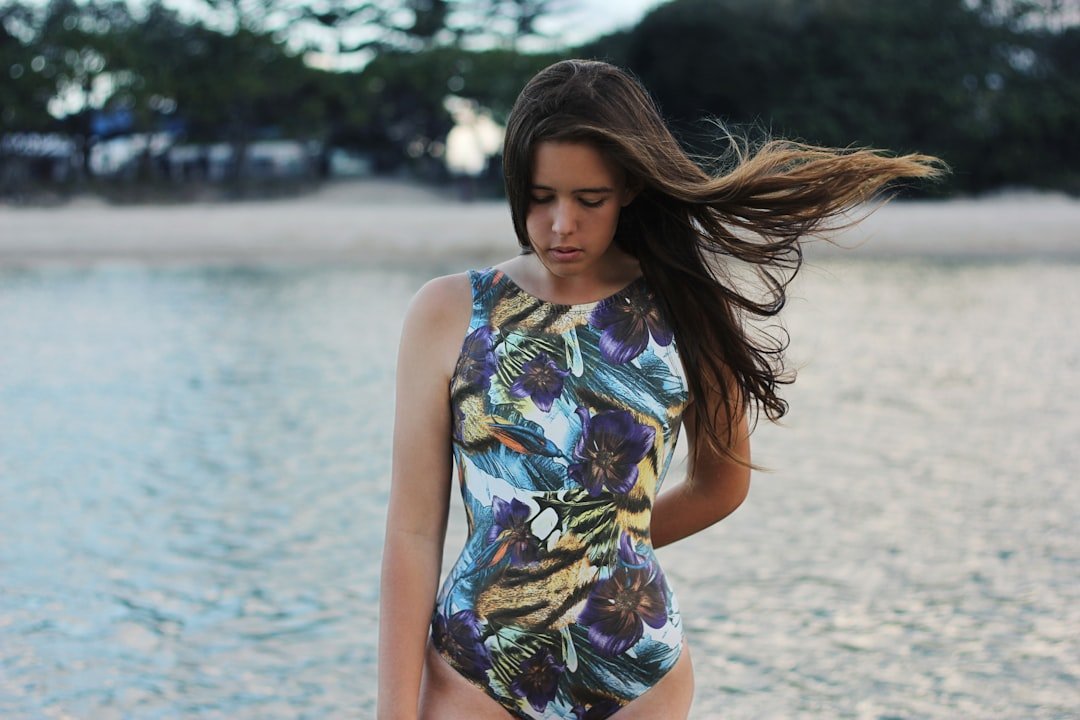
The question was never really one-piece versus bikini as a statement about your body, your confidence, or your relationship with showing skin. It’s a practical question about your day — what you’ll be doing, how long you’ll be in the sun, what the conditions are, and how much you want to think about your swimsuit once you’re actually out there. When either style fits well and suits the activity, it disappears into the background. That’s exactly what good swimwear is supposed to do.
Sources
Swimsuit history and styles — Wikipedia
Swimwear trends and fashion — Vogue
Sun protection and UV exposure guidance — Skin Cancer Foundation