
One-Piece or Bikini for Swimming, Surfing & Water Sports?
Most one-piece vs bikini debates start with the mirror. But the more useful question isn’t which silhouette looks “best” — it’s which one actually keeps up with you once you’re in the water. A suit that photographs beautifully on a lounger can betray you the second you dive under a wave, and a barely-there bikini that feels perfect while you sunbathe can turn into a wardrobe emergency mid-lap. Your body isn’t the problem in either scenario. The mismatch between the suit and the activity is.
So let’s reframe the whole comparison around movement. Below, we’ll walk through how one-pieces and bikinis each perform across the things people genuinely do at the pool and the beach — swimming laps, catching waves, snorkeling, chasing kids, and doing gloriously nothing for six hours. The goal is confidence through fit-for-purpose, not coverage rules. Whatever your shape, there’s a version of both that moves with you.
(If you’re after the fundamentals first — coverage, support, styling, cost — our full one-piece vs bikini guide covers those in depth. This one is just about what happens once you’re moving.)

Why Activity — Not Body Type — Should Drive the Choice
For years, swimwear advice was organized around “flattering” your figure, as if the suit’s only job was optical. That framing quietly told a lot of people their bodies needed managing. A far kinder and more practical lens is engineering: what forces will act on this fabric while you wear it, and can the suit handle them?
Water is roughly 800 times denser than air. When you push through it, dive under it, or get hit by a breaking wave, that density translates into real drag and tug on whatever you’re wearing. A suit that only has to sit still on warm skin faces almost none of that. A suit that has to survive a duck-dive faces a lot. This single variable — how much force the water applies — explains most of the difference between a suit that feels reliable and one that feels like a liability.
So instead of asking “what’s my body type,” ask “what will I be doing, and for how long?” Then match the silhouette to the answer. Here’s how each option behaves across the most common beach-day jobs.
Swimming Laps and Serious Distance
If your version of a good day involves actual swimming — steady laps, open-water distance, or just powering back and forth for exercise — the one-piece has a clear structural advantage. A well-fitted one-piece behaves like a single continuous panel from shoulder to hip. There are no waistlines to shift, no side ties to loosen, and the shoulder straps anchor the whole garment against the repeated overhead pull of freestyle and backstroke.
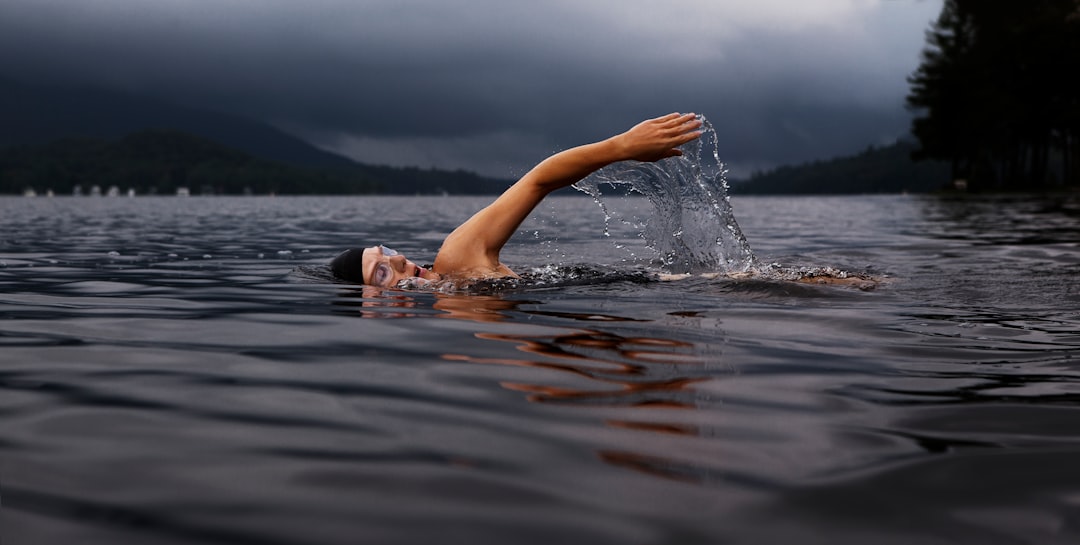
This is why competitive and lap swimmers overwhelmingly reach for one-pieces (or the racing-cut variants of them). The suit compresses gently, reduces the number of edges that can catch water, and stays put through flip turns and pushes off the wall. Look for a “racerback” or “cross-back” strap style — the narrowed back keeps straps from sliding off your shoulders during the arm recovery, and it opens up shoulder rotation so you’re not fighting your own suit on every stroke.
Bikinis aren’t disqualified from swimming, but they ask more of you. A sport-cut bikini with a fixed racerback top and full-coverage bottoms that sit snug at the waist can hold up to a moderate swim. What tends to fail is the pretty stuff: triangle tops with slider adjusters, string ties, and low-rise bottoms that rely on friction alone. If you love a two-piece and still want to swim, buy the athletic version rather than trying to make a fashion set do a job it wasn’t built for.
Shop Racerback One-Piece Swimsuits on Amazon →
Surfing, Bodyboarding, and Wave Play
Surf changes the equation because the danger isn’t sustained drag — it’s sudden, violent force. A breaking wave can strip a poorly secured suit in a single wipeout, and paddling means constant chest-down friction against a board. Here, both silhouettes can work, but only in their locked-down forms.

Plenty of surfers love a one-piece precisely because there’s less to worry about when you’re getting tumbled — no bottoms to yank back up as you surface. But a huge share of the surf world runs on bikinis, specifically because you can mix a high-support, thick-strap sport top with secure, wide-side bottoms and get both security and freedom of movement. The non-negotiables for wave play, whichever route you choose: no slider adjusters, no thin string ties, and straps you can tie off or that are sewn fixed. If a piece can be undone by a tug, the ocean will find it.
One underrated tip: rash and chafe matter more than you’d expect. Paddling repeatedly presses your torso and the suit’s seams into the board. A one-piece can reduce skin-on-board contact, while a bikini pairs beautifully with a lightweight rash guard on top — which also handles sun exposure on the part of your body that faces up the longest.
Snorkeling, Diving, and Long Ocean Days
Snorkeling is a stealth endurance activity. You’re not sprinting, but you’re in the water for a long time, often floating face-down with your back to a strong tropical sun for hours. The two real threats are sunburn and slow, cumulative shifting of the suit as you kick along.
Coverage on your back and shoulders becomes genuinely functional here, not modesty-driven. A one-piece — or a bikini worn under a rash guard — protects the exact skin that catches the most UV while you drift. Because you’re moving gently rather than explosively, either silhouette stays reasonably secure, so this is a category where personal comfort can lead. If you overheat easily and want water against more of your skin, a bikini feels freeing. If you’d rather set it and forget it, a one-piece removes all fidgeting.
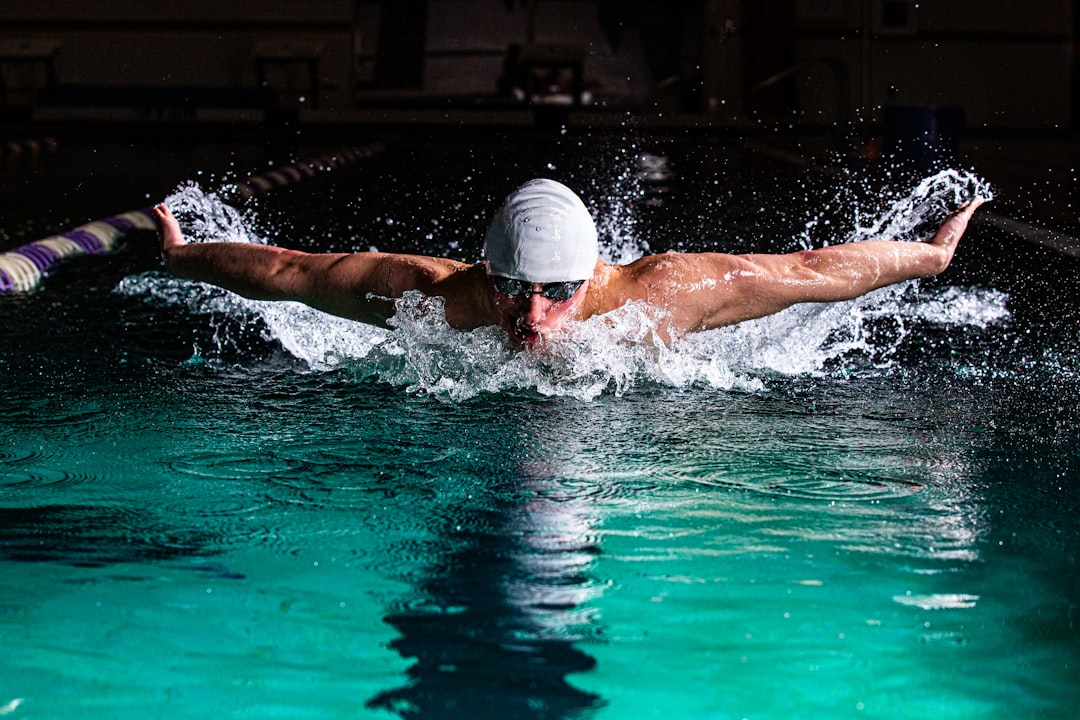
Whatever you pick, remember that swimwear fabric alone offers limited sun protection when it’s wet and stretched. Pairing your suit with a UPF-rated top for the long float is the single best upgrade for a full snorkeling day, and it works over either silhouette.
Chasing Kids, Standing in the Shallows, and In-and-Out Days
This is the most common real-world beach mode, and it’s stop-start by nature: bending, lifting, wading, sitting on the sand, popping in to cool off, popping back out. Here, convenience quietly wins over pure hydrodynamics.
Bikinis and tankinis shine for the practical reason nobody puts on a swimwear tag: bathroom breaks. When you’re managing a sandy toddler and your own hydration, a two-piece you can partially remove is dramatically more convenient than peeling a wet one-piece all the way off. The trade-off is more edges to adjust when you bend and lift repeatedly, so favor bottoms that sit at or above the natural waist and a top with a proper band or underbust support rather than a single thin string.
One-pieces answer back with security during all that bending and lifting — nothing rides down when you scoop up a child, and there’s no gap at the waist for sand to colonize. Modern one-pieces with adjustable straps and higher leg cuts move far more freely than the stiff maillots of a generation ago, so “one-piece” no longer means “restrictive.”
Shop High-Waisted Bikini Sets on Amazon →
Pure Lounging and Sunbathing
When the entire agenda is a book, a drink, and warm skin, the performance requirements basically vanish — and this is where the classic bikini truly earns its reputation. Minimal tan lines, maximum airflow, and the easy freedom to untie a strap for an even glow are the whole point. There’s no wave to survive and no lap to swim, so the delicate, decorative pieces that fail in athletic settings are exactly right here.

That said, plenty of people find a fashion-forward one-piece — a plunging neckline, a cutout monokini, a bold color — to be their favorite lounging suit precisely because it feels like an outfit rather than underwear, and it transitions to a beach bar without a cover-up scramble. Lounging is the one category where you can and should choose entirely on how you want to feel. There’s no wrong answer when the water isn’t testing you.
Fit Beats Silhouette Every Time
Here’s the thread running through every category above: a well-fitted suit in the “wrong” style will almost always outperform a poorly-fitted suit in the “right” one. A one-piece that’s too long in the torso will drag and sag; a bikini top a cup size too big will gape the moment you lean forward. Fit is the real performance variable.
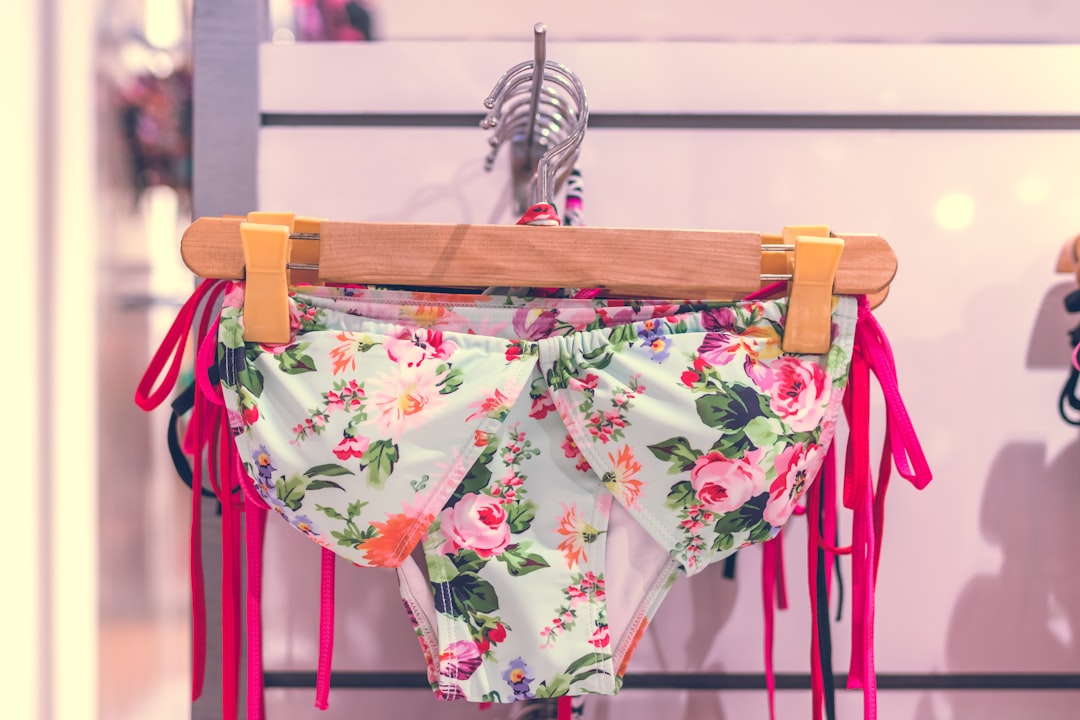
A few fit checks that apply to both silhouettes: the band or waistline should stay put when you raise your arms overhead; straps should hold without digging deep grooves; and for anyone with a fuller bust, a real underbust band and adjustable straps matter far more than the number of pieces. Do the movement test in the fitting room — reach up, bend over, twist. If the suit stays where you put it on land, it has a fighting chance in the water.
And build a small rotation rather than hunting for one magic suit. Most people are best served by two: a secure, athletic piece for actually doing things in the water, and a comfortable, expressive piece for the lounging days. Once you stop asking a single suit to be everything, the whole one-piece vs bikini question relaxes into something much friendlier — the right tool for the right day.

Shop Athletic Swimsuits on Amazon →
The Bottom Line
One-piece vs bikini was never really a contest between two bodies of style — it’s a match between a suit and a task. One-pieces win on security, distance swimming, and set-it-and-forget-it ease. Bikinis win on convenience, airflow, sun-flexibility, and mix-and-match support. Wave play and shallow-water days can go either way as long as the pieces are locked down and well fitted. Choose based on what you’ll be doing, dress your body kindly, and let the suit earn its place by how it moves with you — not by how well it hides you.
Sources
- U.S. Masters Swimming — technique and gear guidance for lap and open-water swimming.
- Skin Cancer Foundation — sun protection and UPF fabric guidance for time in the water.
- American Academy of Dermatology — sunburn prevention during extended outdoor and water activity.
- Wikipedia: Swimsuit — background on one-piece and bikini construction and history.
Shop our full range of bikinis and swimwear at the BikiniCool store →