
Pack Swimwear for Travel: 7 Genius Tips
A five-night beach trip with two swimsuits sounds simple until suit number one is still damp on day three and suit number two smells like a locker room by day four. That’s not bad luck — it’s a fabric science problem. Elastane, the stretch fiber in nearly every bikini and one-piece, starts degrading the moment chlorine or salt water touches it and keeps degrading in a sealed suitcase pocket long after you’ve toweled off. The fix isn’t packing more swimsuits. It’s packing the two or three you have correctly.
How Many Swimsuits to Actually Pack
One suit per two to three days of beach time, capped at three or four total, covers almost any trip without turning your suitcase into a swimwear closet. The logic is simple rotation: wear one, rinse and dry one, keep one clean and ready. A single suit worn daily for a week never fully dries between wears, and damp elastane sitting in a beach bag is exactly the environment that breeds mildew and that faint sour smell that no amount of detergent fully removes.
If you’re building a whole trip wardrobe around swimwear rather than just packing a suit or two, it’s worth reading through how a beach, pool, and resort itinerary changes what you actually need — a pool day and a snorkeling excursion don’t call for the same suit, and packing for both without overpacking is its own small puzzle.
The Right Way to Fold a Bikini for Travel
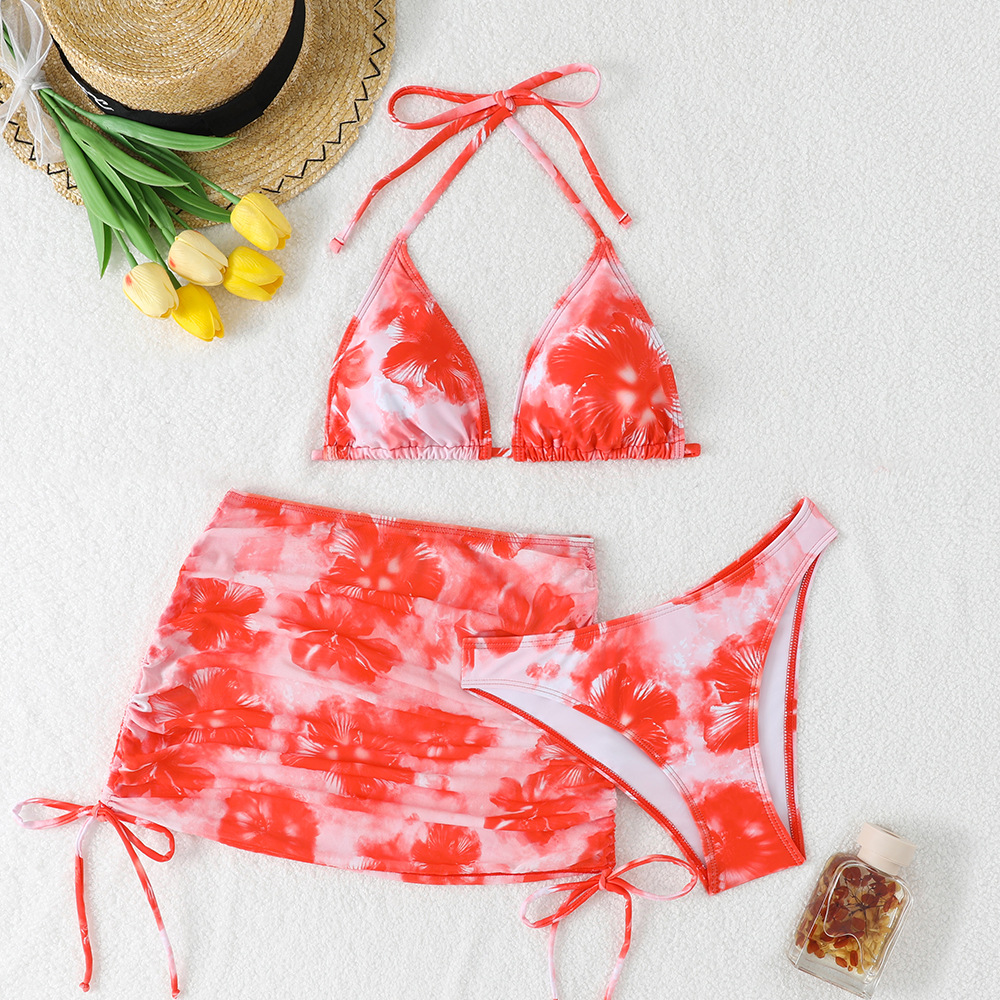
Rolling swimwear the way you’d roll a t-shirt does more harm than good — it crushes molded cups and twists ties into knots that leave permanent kinks. Flat-folding protects the shape instead: fold the suit in half vertically with straps tucked inward, then fold it in half horizontally so top and bottom line up, then fold once more into a flat rectangle. Molded-cup tops stack better than they fold, so nest them cup-to-cup rather than flattening them.
Bikini bottoms and briefs hold up fine with either method since there’s no cup structure to crush, but ruffle trim and asymmetrical cuts do better flat-folded — a rolled ruffle tends to hold a curled shape for the rest of the trip. Give a newly folded suit a quick shake before you wear it; a day or two compressed in a cube is usually enough to leave faint fold lines that a shake and a minute of air time will smooth out.
- Tuck ties and straps inward before folding so nothing dangles and snags on a zipper
- Stack cup-style tops instead of folding them flat
- Keep clasps and metal rings away from delicate mesh or crochet pieces
- Place the folded suit between two soft t-shirts for extra cushioning in a hard-sided case
Delicate styles need even more care in transit — a strapless top with no shoulder straps to anchor it shifts around more than a standard triangle top and benefits from its own small pouch rather than loose placement in a packing cube.
Packing Cubes vs. Rolling: What Actually Saves Space
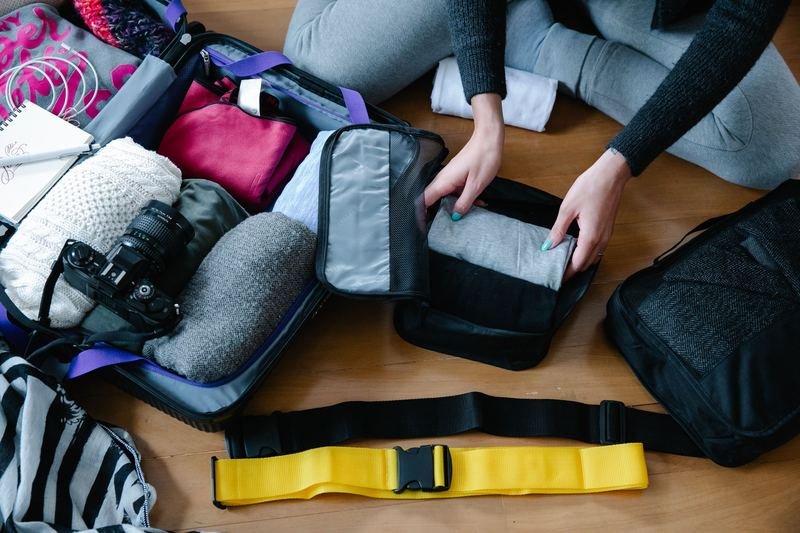
A dedicated packing cube for swimwear and underwear beats rolling for one reason: separation, not compression. Swimwear tangles with everything it touches — straps hook onto buttons, ties wrap around bra hooks, sequins snag delicate fabric. A small cube keeps every suit in its own compartment so you can see and grab exactly what you need without unpacking half the bag.
Stuffing folded suits into the crown of a packed sun hat is a genuinely useful trick for squeezing in one more piece without adding bulk. It works because a hat crown is otherwise wasted space, and a flat-folded bikini top weighs almost nothing. Skip this trick for anything with an underwire or molded cup, though — the hat won’t hold its shape and neither will the suit.
The Wet Swimsuit Problem: Why a Sealed Plastic Bag Is the Wrong Move
Sealing a wet suit inside a standard zip-top bag feels like the obvious solution and is actually the fastest way to ruin one. Trapped moisture with no airflow turns into a breeding ground for the mildew smell that never fully washes out, and prolonged contact with chlorinated water sitting against fabric accelerates fiber breakdown instead of pausing it. A breathable wet bag — mesh-lined or with a water-resistant exterior and open top — lets the suit stay damp without stewing.
Better still: rinse the suit in the sink with cool water before it goes anywhere near a bag. This single step removes most of the chlorine, salt, and sunscreen residue that would otherwise keep working on the fibers overnight. If a sink isn’t available, a quick rinse under a beach shower before heading back to the room accomplishes the same thing.
Why Your Bikini Loses Its Shape by Day Three
Elastane — the stretch fiber blended into almost every swimsuit — is the most chlorine-sensitive material in your suitcase. Textile scientist Carolina Quintero Rodriguez of RMIT University found that after roughly 300 hours of combined chlorine and sun exposure, equivalent to about 35 days of regular summer wear, swimwear fabric can lose up to 65% of its strength. Elastane degrades faster than the polyester or nylon it’s woven with, which is exactly why a suit stretches out at the leg openings or goes baggy across the chest before the fabric pattern itself shows any wear.
Salt water and UV compound the damage rather than replacing it — a suit that sees both the pool and direct sun on the same trip is working through that 300-hour clock faster than the label suggests. Rinsing after every wear and drying away from direct sunlight is the only real countermeasure, and it’s a bigger factor in how long a suit lasts than the price tag ever is.
Quick-Dry Fabric: The One Buying Decision That Fixes Half This Problem
A suit that dries in one to two hours instead of overnight solves the packing problem before it starts, because you can rinse it after breakfast and wear it again by lunch. Fabric blends heavy on polyester rather than nylon tend to dry faster and hold up better against repeated chlorine exposure, which is worth checking before a trip rather than after a suit stretches out on day two.
This is also where owning three suits instead of two pays off in suitcase space, not just comfort. Two fast-drying suits in rotation can functionally cover a week-long trip the same way four slow-drying ones would, without the extra fabric taking up room.

Beach Bag Essentials That Won’t Wreck Your Suit in Transit
What sits next to your swimsuit in a beach bag matters as much as how the suit itself is packed. Sunscreen tubes leak, keys and phone cases scratch delicate fabric, and a wet towel thrown in loose soaks everything around it. A few small habits keep the rest of the bag from undoing a carefully packed suit:
- Keep sunscreen and any liquids in a separate zip pouch, not loose against fabric
- Pack the wet bag on top, not buried under everything else, so it’s the first thing out when you’re back from the beach
- Use a dry pouch for phone and keys so sand and sunscreen residue don’t transfer to swimwear
- Bring a lightweight cover-up so a still-damp suit isn’t your only option walking back through the lobby
This same logic applies to the suitcase, not just the day bag — anything with a rough zipper, jewelry, or a textured strap should never sit directly against a suit’s fabric.
Sand is the other quiet culprit. It works into seams and elastic waistbands the same way it works into everything else at the beach, and left there it acts like fine sandpaper against fabric every time the suit moves. Shaking a suit out before it goes back in the bag, rather than after the whole bag gets unpacked at the hotel, keeps sand from grinding against seams for hours at a stretch.
TSA Carry-On Rules for Sunscreen and Wet Gear
Liquid sunscreen still falls under the TSA’s 3-1-1 rule, meaning any bottle in a carry-on has to be 3.4 ounces or smaller and fit inside one quart-size bag along with your other liquids. Solid sunscreen sticks skip this limit entirely and can go straight into a carry-on without restriction, which makes them the easier choice for a beach trip that’s carry-on only. A damp swimsuit itself isn’t a liquid and travels through security without issue as long as it’s not dripping.
Anyone flying carry-on only should build the liquids bag around this limit before packing swimwear at all — a full-size sunscreen bottle that gets confiscated at the gate is a worse problem than a slightly creased bikini.

Putting It Together for a Real Trip
A seven-day trip with two beach days a week doesn’t need seven swimsuits. Two or three suits, flat-folded into their own small cube, a compact wet bag riding on top of the day bag, and a rinse-and-dry routine after every wear covers the whole trip without a single stretched-out strap or mildew smell on the flight home. If you’re also working out the rest of the trip wardrobe around a tight budget, the same rotation logic shows up in planning a beach vacation that doesn’t overspend on things you’ll wear twice.
Quick Reference: Folding and Packing



Get the folding and the rinsing right and the suitcase takes care of itself. Two well-cared-for suits will outlast four that got rolled up wet and left in a corner — and they’ll still fit right on the last day of the trip, not just the first.
Sources
- The Conversation — “Do I have to rinse out my swimsuit after the pool? A textile scientist has the answer” — Carolina Quintero Rodriguez, RMIT University, on chlorine’s effect on swimwear fiber strength.
- TSA — Liquids, Aerosols, and Gels Rule — Official 3-1-1 carry-on liquid limits, including sunscreen.
- Organizing.TV — How to Fold Swimwear — Folding and storage methods for bikinis, one-pieces, and trunks.