Plus-Size Swimwear Brands: What Actually Sets Them Apart
Scroll through enough swimwear marketing and every plus-size brand starts to sound identical: body-positive, inclusive, made for every curve. The language is the same everywhere, which is exactly why it stops being useful. What actually separates a swimsuit that holds its shape through a week at the beach from one that stretches out by the second wear has almost nothing to do with the campaign photos and everything to do with decisions made months earlier, on a factory floor, about fabric weight and pattern grading. This guide walks through what those decisions look like from the outside, so you can tell the difference before you buy instead of after.
Why Plus-Size Does Not Mean One Size
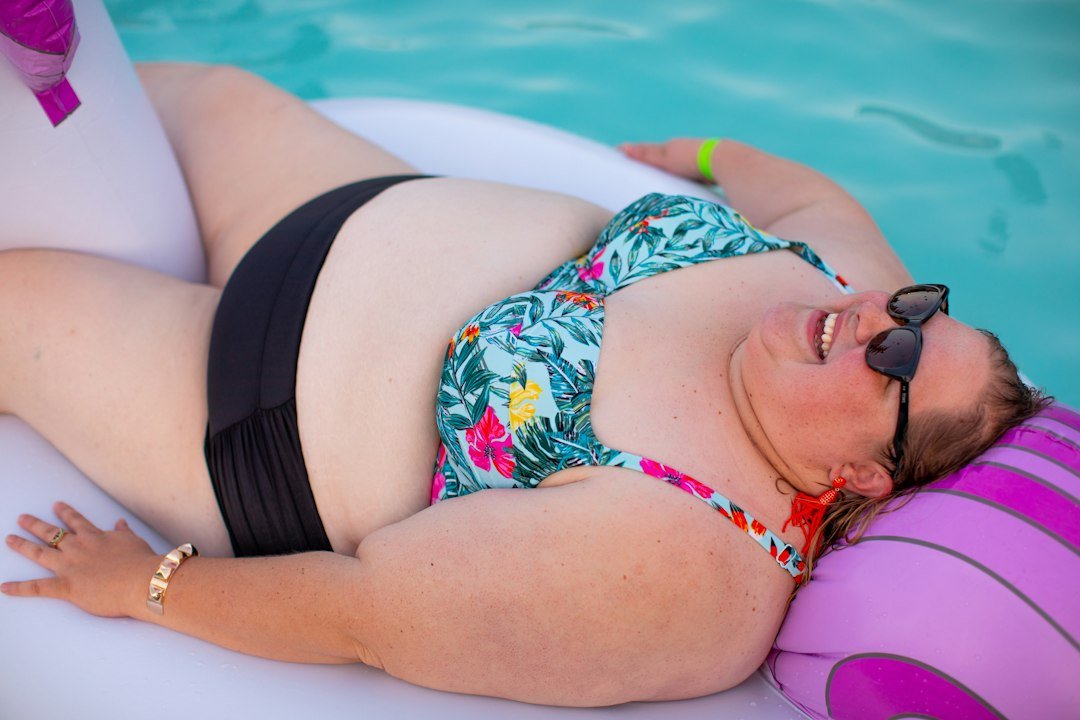
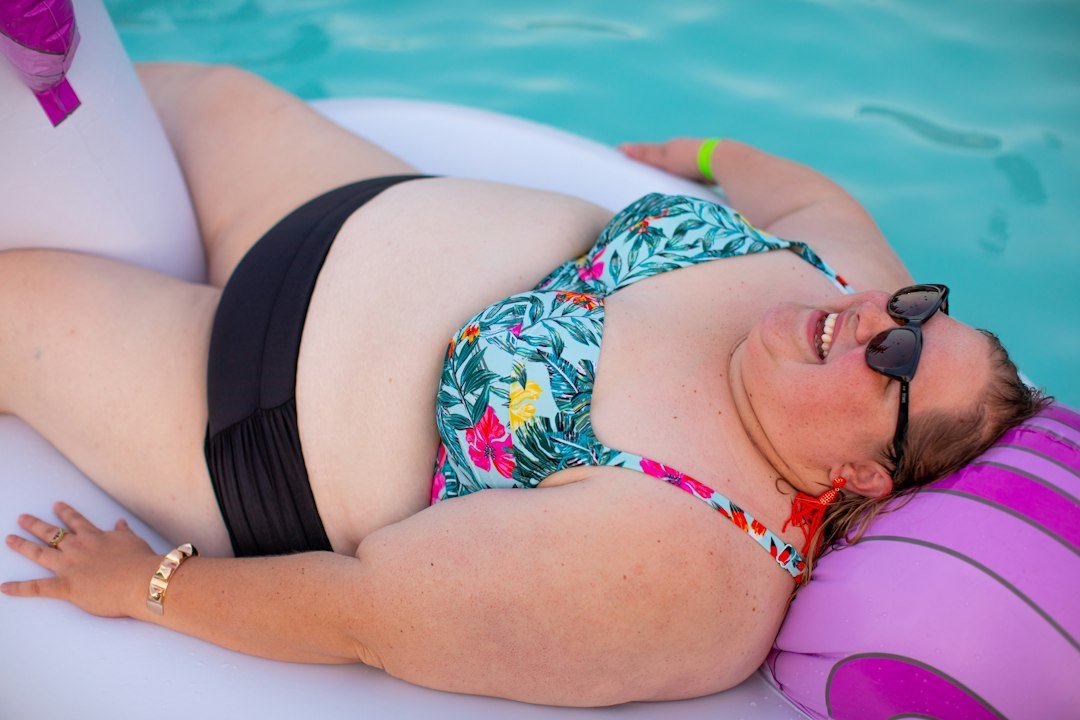
The phrase plus-size swimwear covers an enormous range of bodies, and a brand that genuinely serves that range has to grade its patterns differently at every size, not just scale the same shape up proportionally. A swimsuit sized up from a small pattern tends to gap at the same spots no matter how large the size number gets, because the proportions of a size 10 pattern and a size 24 body are not the same. Brands that design plus sizing as its own category, with separate block patterns rather than a scaled-up base, are solving a design problem instead of a marketing one. You can often tell the difference in the product photos: brands using true plus-size blocks tend to show the same style on multiple body types rather than one model in every listing.
The Fabric Question Nobody Explains
Most swimwear fabric is a blend of nylon or polyester with spandex, and the ratio between them determines almost everything about how the suit behaves. A higher spandex percentage, generally in the 20 to 28 percent range, gives four-way stretch and recovery, meaning the fabric snaps back to its original shape after being stretched rather than sagging. Lower-spandex fabric is cheaper to produce and feels fine in the dressing room, but it loses recovery fast, especially with repeated exposure to chlorine and salt water. Chlorine in particular breaks down spandex fibers over time, which is why a suit that fit perfectly in June can feel loose by August even without any change in body size. A brand that lists its fabric composition and spandex percentage on the product page is telling you something useful. A brand that just says \”premium fabric\” is not.
Compression is a related but separate question. Some plus-size lines lean heavily on firm-hold, shaping fabric marketed as tummy control, while others prioritize soft stretch with minimal compression. Neither approach is objectively better, but they solve different problems, and a brand’s marketing rarely tells you which camp a specific style falls into. Reading fabric descriptions closely, rather than the headline copy, usually reveals which fabric family a suit belongs to.
Shop Tummy Control Swimsuits on Amazon →

Reading a Size Chart Like a Pattern Cutter
Every brand’s size chart is built from its own set of body measurements, which is why a size 18 at one company can fit like a size 22 at another. The chart itself is more useful than the size label. Measure bust, waist, and hip with a soft tape while wearing a well-fitting bra, then compare those three numbers against the brand’s chart rather than against the size you normally buy in clothing. Swimwear sizing tends to run differently from everyday clothing sizing because the fabric needs to stretch over a body in motion, not just sit still the way a pair of jeans does.
Pay attention to how a brand handles the gap between bust and waist measurements, sometimes called the cup-to-band relationship in swim tops. Brands that offer separates, meaning tops and bottoms sold individually rather than as a fixed set, are usually signaling that they have thought about the fact that bust size and hip size do not scale together at the same rate for every body. A brand that only sells fixed one-piece sets in a single size per number is making a simpler product, which is not necessarily wrong, but it does mean less room to dial in fit for an asymmetric body.

Construction Details That Separate Brands
Underwire, if a top has it, should sit flat against the ribcage without poking or twisting when you raise your arms overhead. Cheap underwire construction often uses a wire that is slightly too rigid for the fabric casing around it, which is why it works fine standing still in a fitting room mirror and then digs in the moment you reach for a beach umbrella or swim a few strokes. Adjustable straps matter more on plus-size tops than on straight sizes, because bust volume varies independently of band size, and a strap that cannot be shortened or lengthened is a fixed design decision that will not work for every body it claims to fit.
Seam placement is another detail worth a close look. Suits with side seams that sit at the natural hip crease tend to move with the body, while suits with seams cutting across the fullest part of the hip or thigh create a visible line under clothing and can dig in when sitting. Lining quality also varies more than shoppers expect: a double-lined suit, meaning two layers of fabric through the body rather than one, holds its shape longer and is less prone to becoming sheer when wet, which matters more in lighter colors.
Shop Underwire Swim Tops on Amazon →

The Return Policy Test
Because fit is so brand-specific, a company’s return and exchange policy is one of the most honest signals of how confident it is in its own sizing. Brands that offer free exchanges between sizes and hold onto detailed measurement charts per style, rather than one generic chart for the whole size range, tend to have invested more in getting fit right in the first place. A brand with a restrictive final-sale policy on swimwear, or one that only accepts returns for store credit, is passing the cost of its own sizing uncertainty onto the customer. It is worth reading the return policy before adding anything to a cart, not after a suit already does not fit.

Watching for the Warning Signs
A few patterns tend to show up in swimwear that will not hold up past a season or two. Suits priced dramatically below the category average are usually using thinner, lower-spandex fabric to hit that price point, since fabric is one of the largest line-item costs in swimwear production. Product photos that only ever show one body type across an entire plus-size range, despite marketing copy claiming inclusivity, suggest the sizing was an afterthought layered onto a straight-size pattern rather than designed from the start. Reviews mentioning that a suit runs noticeably small compared to the size chart, especially several reviews saying the same thing independently, are usually more reliable than the chart itself.

Caring for the Fabric You Already Own
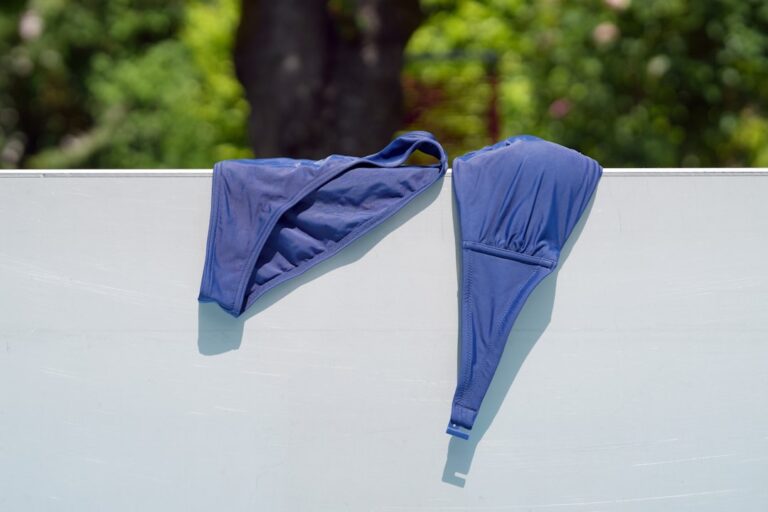
Even a well-made suit will degrade faster than expected if it is only ever rinsed after a pool day and left balled up in a beach bag. Chlorine and salt both accelerate spandex breakdown, and the sun does its own damage through UV exposure, which weakens fiber elasticity and fades color independent of chemical exposure. Rinsing a suit in cool water immediately after wearing it, rather than waiting until laundry day, removes most of the chlorine or salt before it has time to sit in the fabric. Hand washing with a gentle detergent and laying the suit flat to dry, out of direct sun, extends the life of even mid-range fabric considerably. Machine washing and tumble drying are the two fastest ways to shorten a swimsuit’s lifespan regardless of how good the fabric was to begin with, since the friction and heat break down spandex much faster than air drying does.
Rotating between two suits rather than wearing the same one every day of a beach trip also matters more than people expect. Spandex needs recovery time between wears to snap back fully, and a suit worn on consecutive days without a full day to rest tends to lose its shape faster than the same suit worn every other day.

A Few Things Worth Checking Before Checkout
A handful of details are worth confirming on the product page before adding anything to a cart, rather than discovering them after a suit arrives.
- Fabric composition and spandex percentage, not just a vague \”premium fabric\” claim
- Whether tops and bottoms are sold as separates or only as a fixed set
- A size chart specific to that style, not a single generic chart for the whole collection
- The return and exchange policy for swimwear specifically, since it often differs from the general policy
- Reviews mentioning true-to-size fit or sizing that runs small
Shop Plus-Size One-Piece Swimsuits on Amazon →
None of this means the marketing language is wrong, exactly. Most brands using words like inclusive and body-positive mean them sincerely. But intention and execution are two different things in garment manufacturing, and the gap between them shows up in fabric composition, pattern grading, and construction choices that never make it into the ad copy. Checking a few concrete details before buying, rather than trusting the label alone, is the difference between a swimsuit that becomes a summer staple and one that gets worn once and pushed to the back of a drawer.
Sources
- SELF — reporting on fabric technology and swimwear fit testing
- Refinery29 — coverage of body-positive fashion and sizing standards
- Byrdie — garment care and fabric maintenance guidance