
Swim Dress: 7 Best Styles for 2026
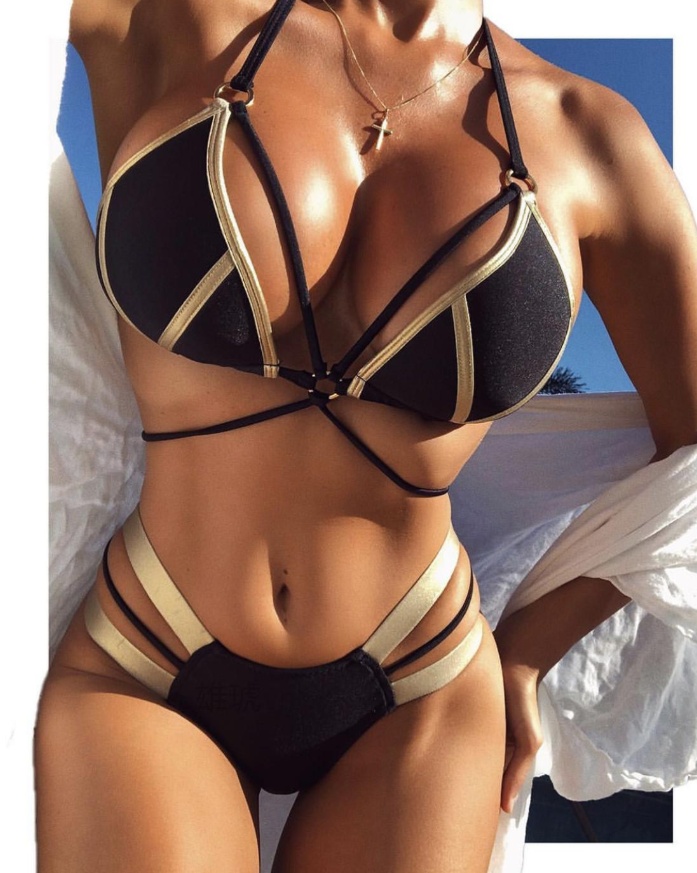
Search interest in swim dresses climbs every spring for the same reason: bikinis and standard one-pieces ask a lot of skin to be on display, and not everyone wants that trade every time they get in the water. A swim dress splits the difference — you get an actual swimsuit, built to swim in, with a skirt that moves with you instead of floating up around your waist. TODAY’s shopping team called out styles with “built-in bottoms and a tie skirt that sits over top” as standouts for exactly this reason, and ruched tummy panels show up across nearly every version on the market this year.1 The seven styles below cover the real differences between them — what each one is actually built for, not just what it looks like on a hanger.
What Makes a Swim Dress Different From a Beach Cover-Up
The confusion is understandable, because both garments look similar from ten feet away. A swim dress has a built-in liner or brief sewn into the skirt, uses swim-grade fabric rated for chlorine and salt exposure, and is meant to be worn in the water as the actual swimsuit. A cover-up dress — the kind covered in our beach dresses and kaftans guide — goes over a separate bikini or one-piece and is built from cotton, linen, or rayon blends that were never designed to get wet. Wear a cover-up into the ocean a few times and you will watch it lose its shape by the end of the trip.
The practical test is simple: can you swim laps or get knocked over by a wave in it without a second suit underneath? If yes, it is a swim dress. If the fabric goes see-through or the seams start pulling the moment it is submerged, it was built to be worn over something, not instead of it. That distinction matters more than it sounds — a lot of swim dress returns happen because someone bought a cover-up expecting swimwear performance.
1. Fit-and-Flare Swim Dress Hides What You Don’t Want Shown
The fit-and-flare is the style most people picture when they hear “swim dress” — fitted through the bust and ribcage, then releasing into an A-line skirt from the natural waist. That flare is doing real work: it skims over the stomach and hips without clinging, which is why this cut shows up so often in the tummy-control category. Unlike a structured tummy-control one-piece that compresses, the fit-and-flare just covers, and for a lot of women that reads as more comfortable for an all-day beach stretch.
The trade-off is drag. Because there is loose fabric below the waist, this is not the style for anyone planning to swim actual distance — the skirt fills with water and pulls against your legs on every stroke. It is built for wading, playing with kids in the shallows, and standing around a pool bar, not for lap swimming.


2. Wrap-Front Swim Dress Adjusts to a Changing Body
A wrap-front swim dress crosses at the bust and ties at the side or back rather than relying on a fixed seam, which means the fit adjusts by inches instead of by size chart. That makes it one of the few swim dress cuts that genuinely works through a changing body — postpartum, mid-pregnancy, or any stretch where your usual size stopped fitting the same way week to week. Our maternity swimwear guide covers wrap styles in more depth for exactly this reason.
The wrap also solves a problem specific to swim dresses: most skirted styles have one fixed waist point, and if that lands wrong on your torso, the whole dress looks off. A wrap lets you set the crossover point higher or lower depending on where your natural waist actually sits that season, which is a level of adjustability a seamed fit-and-flare simply does not offer.
3. One-Shoulder Swim Dress Brings 2026’s Asymmetric Line to Coverage
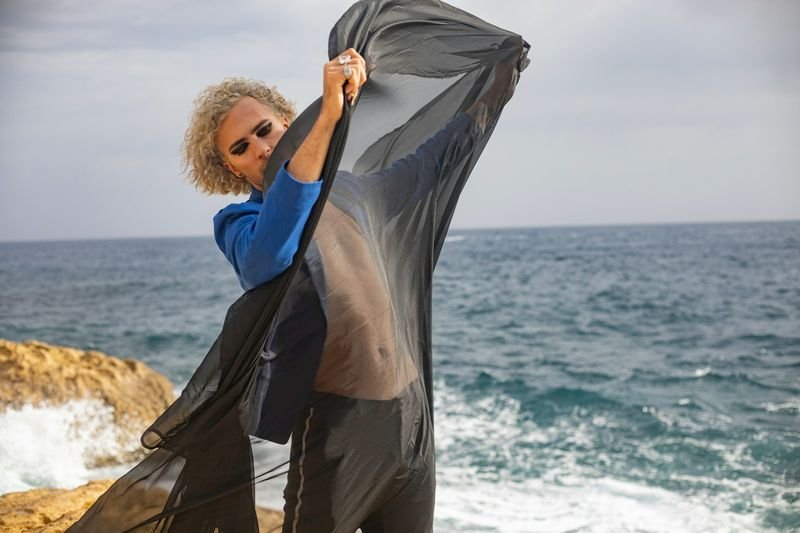
Asymmetric necklines have been the dominant one-piece trend for two summers running, and the swim dress category picked it up this year. A single strap over one shoulder pulls the eye diagonally across the collarbone, which reads as more deliberate and less “modest swimwear default” than a symmetrical high-neck cut. It is the version of a swim dress built for someone who wants coverage but does not want the silhouette to announce that coverage was the priority.
Function-wise, the one-shoulder sits between the fit-and-flare and the more athletic cuts. The single strap limits how much movement the dress can handle before it needs adjusting, so it is better suited to lounging and posing for photos than active play. Size up slightly if you plan to move around in it — a snug one-shoulder strap is the first thing to slip when you are reaching for a beach bag or hauling a cooler.

4. High-Neck Swim Dress Adds Real Sun Protection
A high-neck swim dress covers the collarbone and upper chest, which sounds like a styling choice but is really a sun-protection one. The Skin Cancer Foundation notes that a tightly woven, UPF-rated fabric can block the large majority of UV radiation that would otherwise reach unprotected skin, and the chest and upper back are two of the most commonly missed spots in a standard sunscreen routine.2 A high-neck swim dress with a UPF rating printed on the tag covers both, which is more reliable than remembering to reapply sunscreen there every ninety minutes.
This is also the style that pairs most naturally with the modest swimwear category. If you already like the coverage logic of a high neckline, our modest swimwear guide breaks down how it compares to burkinis, tankinis, and rash guard sets for different activities — lap swimming in particular, where a loose swim dress skirt is the wrong tool for the job.


5. Cutout Swim Dress Balances Coverage With the Trend Everyone’s Wearing
Cutouts are the single biggest one-piece trend of 2026, and the swim dress version borrows the same logic — small windows of skin at the waist or side, framed by a skirt that still covers the hips and thighs. It gives you the visual interest of a cutout one-piece, covered in our cutout swimwear trend guide, without going as bare as a full cutout monokini.
Placement matters more here than on a standard one-piece because the skirt changes what a side cutout actually shows. A waist cutout on a fit-and-flare swim dress reads as a defined waistline; the same cutout on a looser tunic-length cut mostly disappears under the fabric. If the cutout is the reason you are buying the dress, look for a fitted silhouette through the torso — a loose cut wastes the detail.
6. Ruffle-Hem Swim Dress Adds Movement Without Adding Bulk
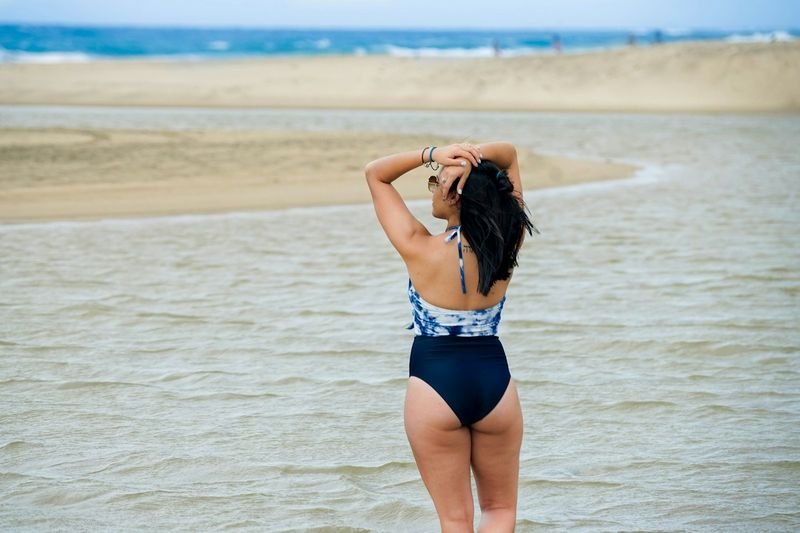
A ruffled hem changes how a swim dress skirt behaves in the water. Instead of a flat panel of fabric that clings and drags, a tiered or ruffled hem breaks into smaller sections that lift and move independently — less water resistance, less clinging when wet, and a hemline that keeps some shape even after an hour in the pool. It is a small construction detail that solves the biggest complaint about skirted swimwear.
Ruffles also do the same visual work here that they do on regular swimwear: a ruffle at the hip or hem adds width exactly where it creates the impression of curve, without adding actual bulk to the garment. The mistake to avoid is stacking multiple ruffle tiers on a petite frame, where the horizontal lines can shorten the silhouette instead of flattering it. One well-placed tier at the hem is usually the stronger choice.
7. Tunic-Length Swim Dress Is Built for Actually Swimming
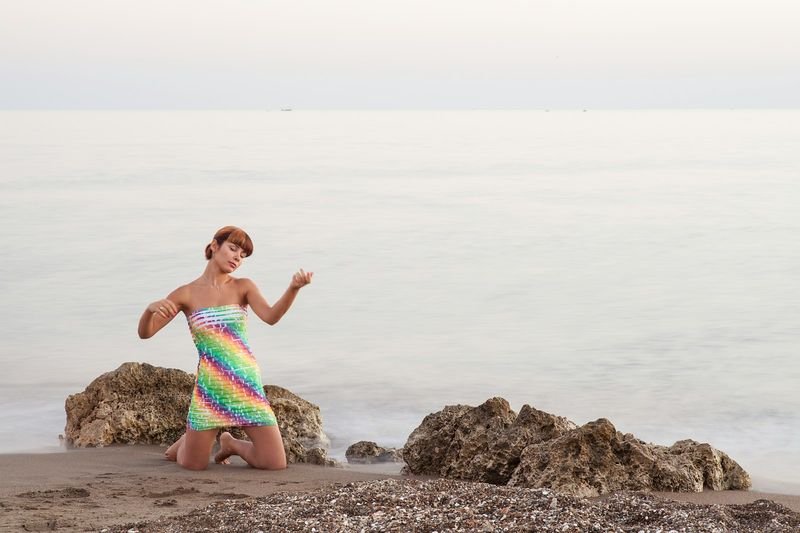
Most swim dress styles are built for lounging, not swimming — but a shorter, tunic-length cut that stops well above the knee closes most of that gap. The shorter hem means less loose fabric to fight against on a real stroke, which makes it the one swim dress style that holds up reasonably well for water aerobics or a relaxed lap or two, not just standing in the shallow end. It will still never move like a fitted competition suit, but it is a realistic middle ground for someone who wants coverage and still plans to actually swim.
Fabric matters more on this style than any other, because it gets more water exposure over its lifespan. A nylon-spandex blend is fine for occasional wear, but the elastane in standard spandex breaks down under repeated chlorine exposure — a PBT or chlorine-resistant spandex blend holds its shape and color through hundreds of hours of pool time where a standard blend would not.3 If you are buying a tunic-length swim dress for regular pool use rather than a once-a-summer trip, that fabric spec is worth checking before price.

Sizing and Fabric: What to Check Before You Buy a Swim Dress
Swim dresses run into the same sizing trap as regular dresses: bust, waist, and hip measurements can each point to a different size, and the skirt hides enough of the body that a bad fit through the torso is easy to miss until you are already in the water. Check the brand’s torso length if it is listed, and when your measurements fall between two sizes, size up. A slightly loose swim dress skirt is a non-issue; a tight one through the ribcage is not fixable once you are past the return window.
Fabric composition tells you more about how a swim dress will hold up than the price tag does. Look at the care tag before checking out — a blend with 18% or higher elastane content in a chlorine-resistant grade, sometimes labeled XTRA LIFE or similar, will outlast a standard nylon-spandex blend by a wide margin if you are swimming regularly rather than once a summer. Rinse in cold water after every wear and skip the dryer entirely; heat is what actually kills swimwear elastane, more than chlorine on its own.
This walkthrough of current swim dress picks is worth watching if you want a visual sense of how these cuts actually sit on a body, not just on a hanger:
Sources
- TODAY: 9 Best Swim Dresses for Full Coverage and Modesty in Summer 2026 — Editorial roundup on built-in-liner construction and tummy-ruching details across current swim dress styles.
- Skin Cancer Foundation: Sun-Protective Clothing — Guidance on UPF-rated fabric and how it compares to standard clothing for blocking UV radiation.
- Stretch House: Chlorine-Resistant Swimwear Fabric — What To Look For — Breakdown of how chlorine-resistant spandex and PBT blends outlast standard swimwear fabric under repeated pool exposure.