Public Pool Etiquette: 9 Unwritten Rules
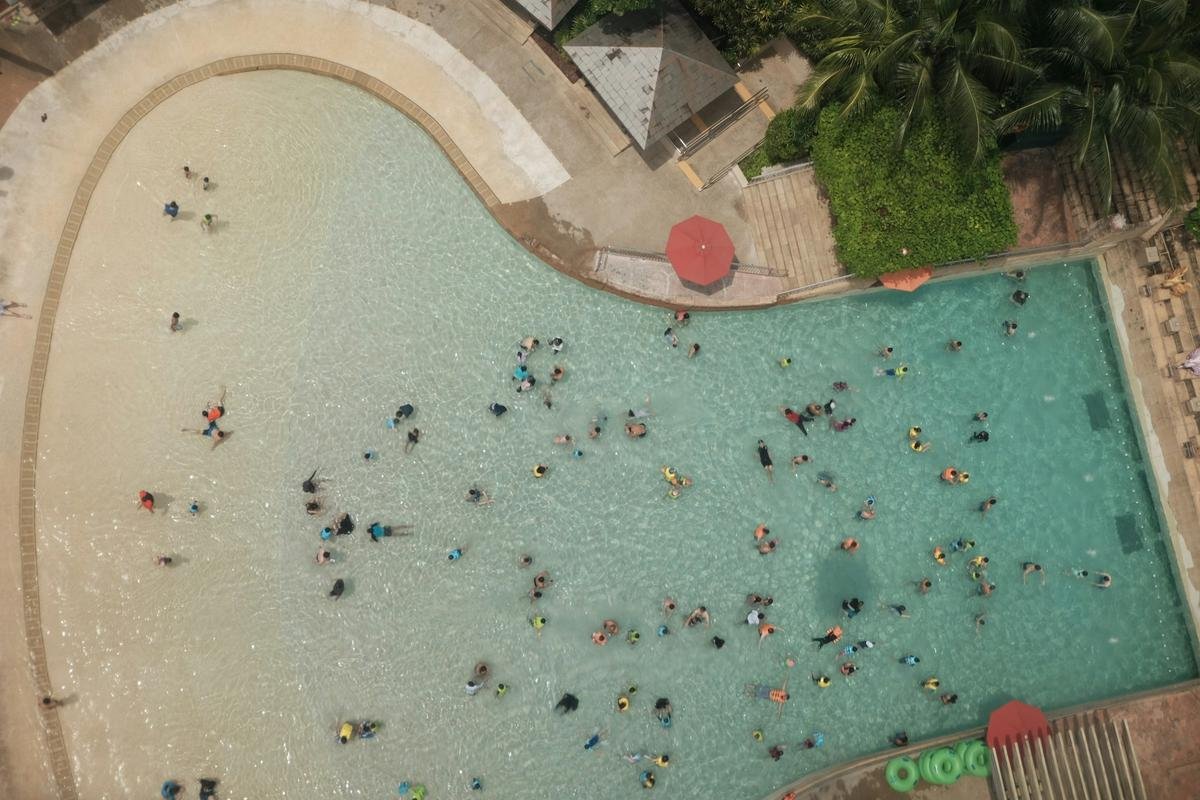
The sign at the entrance of most public pools covers maybe four rules — no diving, no running, no glass, shower required. It says nothing about the eight-person friend group that’s claimed eleven lounge chairs since 9 a.m., or the guy filming shallow-end reps who happened to catch your towel in frame. Public pool etiquette lives in the gap between the posted rules and what it actually feels like to share water with forty strangers on a 95-degree Saturday. Most of it isn’t complicated. It just rarely gets said out loud until someone’s already annoyed.
Public Pool Etiquette Starts in the Shower
Nobody wants to stand under a cold outdoor shower before they’ve even gotten wet, but the one-minute rinse does more than you’d think. The CDC points out that a brief shower removes most of the sweat, lotion, and dirt on your skin that otherwise eats up the chlorine a pool needs to kill actual germs. Skip it, and the person who showers before you gets a pool with less protection left in it. This isn’t about looking clean — it’s chemistry, and it’s the one rule that genuinely changes the water for everyone else in it.
The same logic applies to anything on your skin before you jump in: heavy sunscreen, body oil, and leave-in conditioner all do the same thing a shower is supposed to prevent. There’s a real reason public health agencies push this so hard — germs like Cryptosporidium survive chlorine for days, and the only real defense is keeping as little waste and residue out of the water as possible in the first place. If you’ve got sensitive skin from repeat pool trips, a quick chlorine skin care routine after swimming matters more than what you put on beforehand.
Lane Sharing: The Standoff Nobody Needs
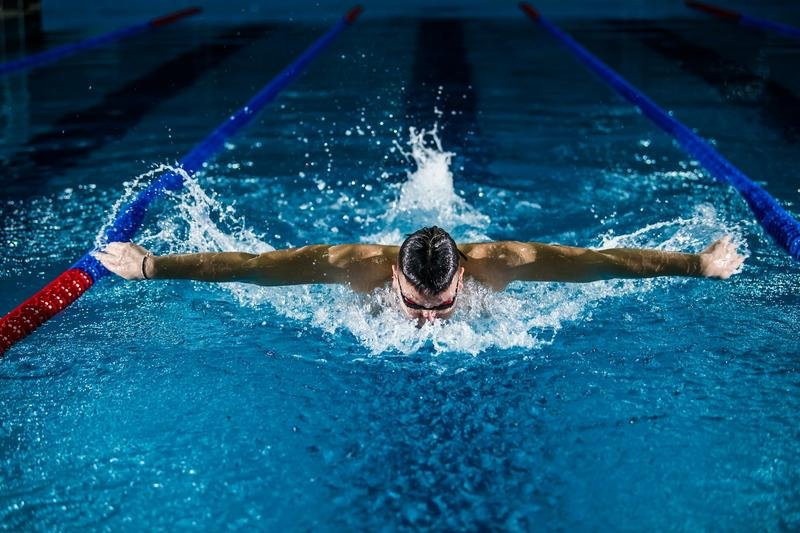
Two swimmers in a lane can split it down the middle. Three or more, and it switches to circle swimming — everyone moves counterclockwise, staying right, passing left. That’s the standard most public and lap pools post somewhere near the lane ropes, even when nobody reads it until they’ve already had an awkward head-on moment with a stranger mid-lap.
The actual friction usually isn’t the pattern, it’s the stop. Swimmers who pause mid-lane to check a watch or catch their breath block the whole rotation behind them. Rest at the wall, tuck into a corner, and leave the middle third clear for anyone turning. If you’re noticeably slower than the swimmer behind you, let them pass at the wall instead of making them swim around you lap after lap.
Most lap pools also post rough speed designations on the lane ropes — fast, medium, slow — specifically so swimmers can self-sort before anyone gets frustrated. Pick based on your actual pace, not your ego. A strong swimmer stuck behind someone doing a slow breaststroke in the “fast” lane is the single most common source of pool-deck irritation, and it’s entirely avoidable by reading the sign before jumping in.
Chairs and Loungers Aren’t Reservations
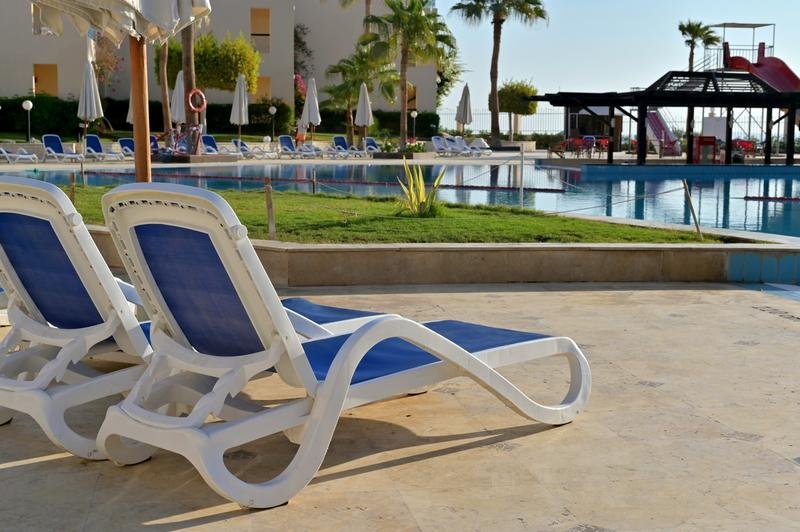
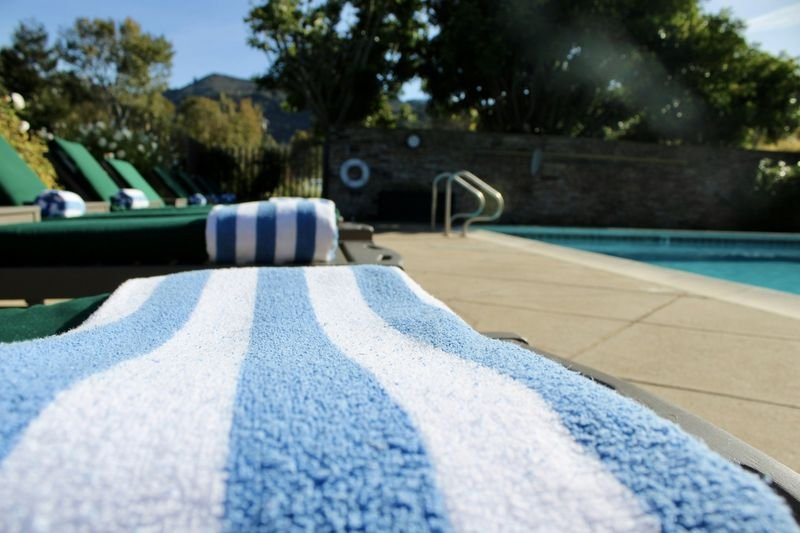
A towel draped over a lounger at 8 a.m. for a seat you won’t use until noon is the single most reliable way to start a quiet pool-deck feud. Most public and resort pools don’t allow chair-holding for exactly this reason — space is first-come, and leaving a chair empty for hours while you’re at breakfast or the bar takes it out of circulation for someone who actually wants to sit down.
If your group of six needs six chairs, that’s fine — but claim them when you’re ready to use them, not three hours ahead. And if you step away for more than twenty or thirty minutes, assume the chair is fair game again. A towel isn’t a lease.
This gets stricter, not looser, at community and HOA pools, where the same fifty families share a much smaller set of chairs all summer. Hotel and resort pools can usually absorb some chair-hogging because there’s more turnover and more total seating, but a neighborhood pool with thirty loungers and two hundred residents has zero slack for an empty chair held “just in case” someone wants it later.
Phones, Photos, and the Consent Nobody Asks For
Swimsuits mean more skin on display than almost any other public setting, which makes photo etiquette at the pool sharper than it is almost anywhere else. Taking a photo of your own group is obviously fine. Getting a stranger’s body in the background of a boomerang, or filming a workout set that happens to sweep across three other lounge chairs, isn’t — even if you never meant anything by it.
The fix is simple: frame tight, check your background, and if someone asks you to delete something that includes them, do it without an argument. It costs you nothing and saves someone else a genuinely bad day. Locker rooms and changing areas get an even stricter version of this rule — phones stay in pockets or bags entirely, not just angled away, because there’s no framing choice that makes a camera in that space acceptable.
What You Wear Matters More Than You Think
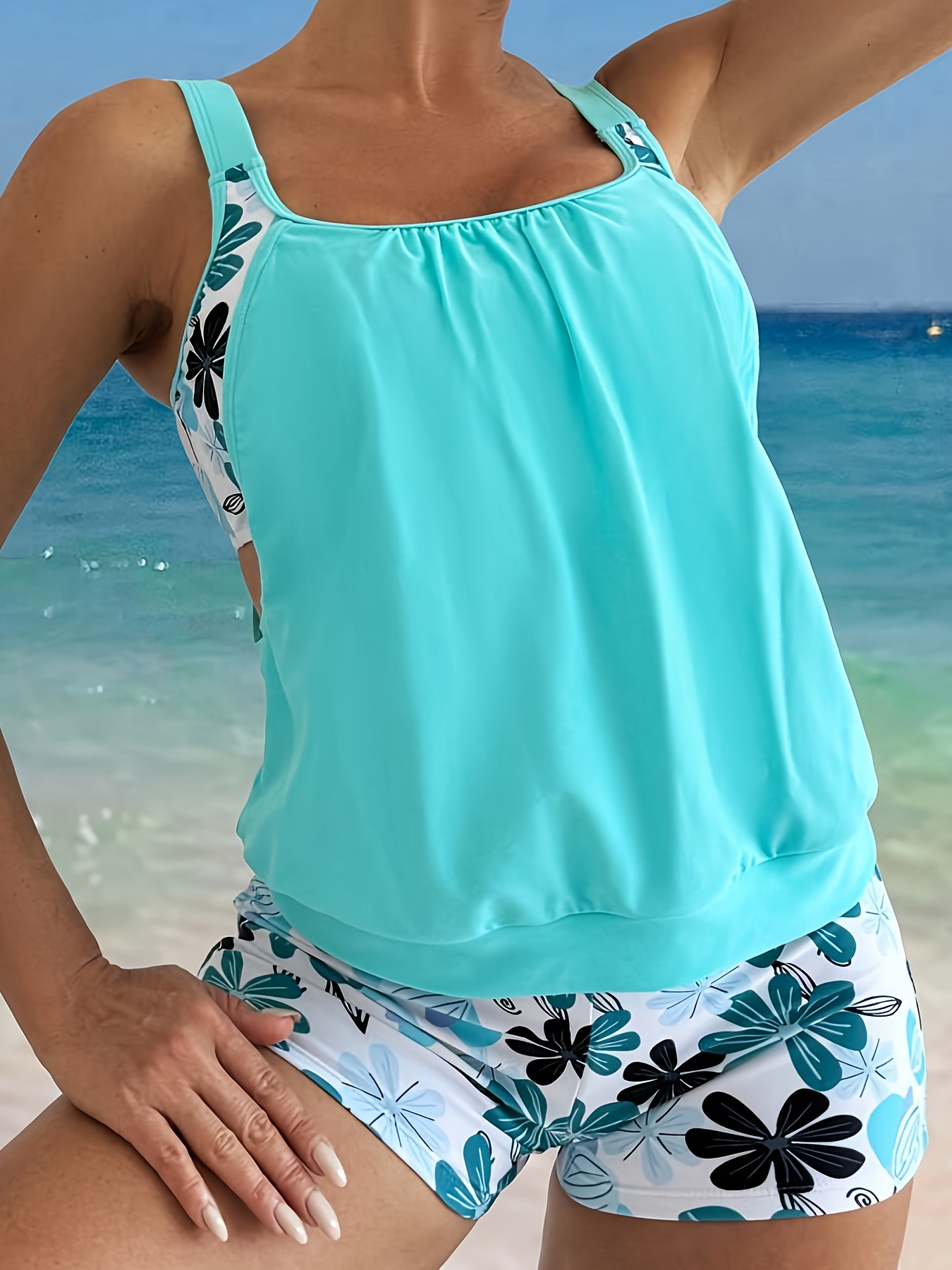
Most public pools post a swimwear policy for a reason that has nothing to do with fashion: cotton sheds fibers that clog filtration systems, and anything with metal hardware, zippers, or heavy embellishment can damage pool liners. A proper swimsuit — built from chlorine-resistant nylon or spandex blends — isn’t just more comfortable for eight hours of sun and water, it’s what the pool’s equipment is actually designed to handle. If your current suits are stretched out or fading fast, how you wash them matters as much as what you buy; a correct swimsuit care routine adds real seasons to a suit’s life.

Floaties, Kids, and Supervision That Isn’t the Lifeguard’s Job
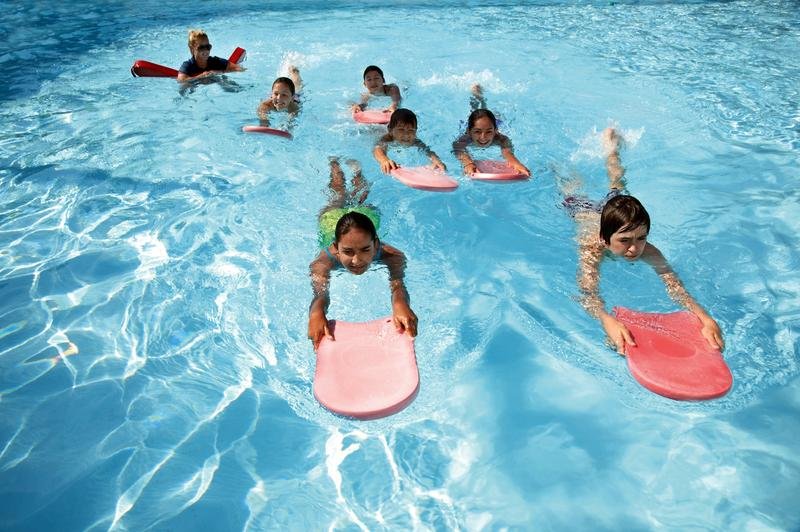
A lifeguard is watching the entire pool, not your specific five-year-old. The American Red Cross recommends designating an actual water watcher — a specific adult whose only job for that stretch of time is tracking the kids in your group, phone down, eyes up, until someone else takes over. Lifeguards back up that attention; they aren’t a substitute for it, and drowning can happen in the time it takes to answer one text.
Floaties and noodles are great right up until they drift into someone else’s lap lane or block a set of pool steps. Keep gear contained to the area your group is actually using, and if a toy floats away, go get it rather than letting it become someone else’s obstacle. Drowning is also far quieter than most people expect — it rarely looks like splashing and shouting, and it can happen in well under a minute, which is exactly why “someone’s probably watching” isn’t a real supervision plan.
Don’t Stare, Don’t Comment: The Rule That Actually Matters
Every body at a public pool is wearing less than it does anywhere else, and that visibility seems to give some people permission to comment, stare, or offer unsolicited opinions on strangers’ shapes. It doesn’t. The idea that swimwear needs to be “flattering” in the first place is mostly a sales pitch — our own breakdown of what actually matters in swimwear gets into why that framing does more harm than good.
The actual etiquette rule is short: if a comment about someone’s body wouldn’t be said at the office, it doesn’t get said poolside either, compliment or otherwise. Confidence at a public pool isn’t about whose body fits some template — it’s about everyone getting to swim without an audience judging them for it.

Music, Splashing, and Reading the Room
A speaker at a reasonable volume in a lively family pool reads completely differently than the same speaker at a quiet lap pool at 7 a.m. Public pool etiquette isn’t a fixed volume setting — it’s reading which pool you’re actually at. The same goes for splashing and cannonballs: fine in the deep end during open swim, a problem when it lands on someone’s book three loungers over or soaks a toddler who wasn’t part of the game.
Headphones solve most of this if you want music without negotiating volume with forty strangers. If you don’t have them, keep the speaker low enough that you’d have to lean in to hear your own playlist from six feet away.


Trash, Gum, and What You Should Never Leave Behind
Gum in a pool filter, a sunscreen bottle left on the deck, food wrappers tucked under a lounger — none of it is dramatic on its own, but a pool deck used by hundreds of people a day adds up fast when everyone assumes someone else will deal with their mess. Trash cans exist within a few steps of almost every pool entrance for exactly this reason.
Pool equipment follows the same logic. Kickboards, noodles, and diving rings get returned to wherever you found them, not left floating for the next person to track down. It takes fifteen seconds and means the next family doesn’t start their day hunting for gear that was already there an hour ago. The same goes for your own gear before you leave — a forgotten goggles case or water shoe under a lounger becomes lost-and-found clutter that someone else has to deal with by closing time.
None of this is written on the sign at the gate, and it doesn’t need to be. Public pool etiquette is just what happens when forty strangers decide, without discussing it, to make a shared space work for everyone instead of just themselves. Show up ready to do that, and you’ll never be the story someone tells about their pool day.
Sources
- CDC — Preventing Swimming-Related Illnesses — official guidance on showering before swimming and pool hygiene.
- American Red Cross — Water Safety — water watcher guidance for supervising children around pools.
- City of Temecula — Lap Swim Etiquette — municipal guidelines on circle swimming and lane-sharing rules.