Beach Bag Essentials: 7 Things to Pack
Most beach bag essentials lists read the same: sunscreen, towel, water, repeat. A nylon-spandex swimsuit can lose a measurable amount of its stretch and strength after just 30 to 60 hours of combined chlorine and sun exposure, according to fabric testing compiled by swimwear manufacturer Spandex By Yard. Polyester-spandex blends hold up longer, around 80 to 120 hours, but saltwater and sand wear suits down on a similar timeline even without pool chemistry in the mix. That single fact changes what belongs in a beach bag more than any generic checklist does — because the fix isn’t a better detergent, it’s packing a second suit and giving the first one time to recover.
The Backup Swimsuit Nobody Packs
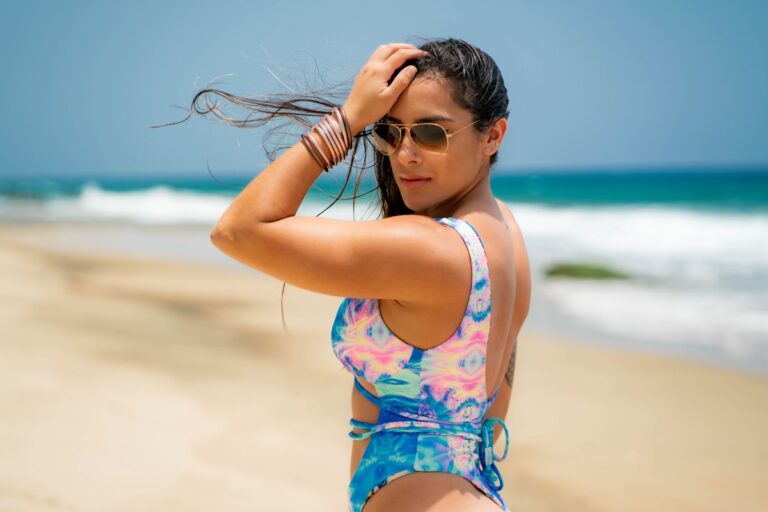
Most beach packing guides tell you to bring “a swimsuit,” singular, as if one suit can survive six hours of saltwater, sunscreen, sand, and sun without consequence. It can’t. A study from Germany’s Hohenstein Institute found that elastane fibers exposed to chlorine and then UV light degrade 2.3 times faster than fibers exposed to just one of the two. Ocean swimming adds salt and sand abrasion on top of that. The suit you put on at 10 a.m. is chemically different by 3 p.m., even if it still looks fine.
Packing a second suit solves two problems at once. You get a dry, un-stretched option for the second half of the day, and you have a backup if a strap snaps or a seam gives out — which happens more often on suits already weakened by a prior trip. A simple three-piece set works well for this because the extra coverage piece doubles as a cover-up on the walk back.

A Separate Bag for Wet Swimwear
Dumping a dripping suit straight into your tote soaks the towels, the sunscreen label, and whatever book you brought. The fix is a dedicated wet bag, and there are two real options. Mesh bags, like the kind made popular by swim brands such as Speedo’s Ventilator line, let air circulate so a rinsed suit can start drying on the walk home. Waterproof wet bags, the sealed kind sold for swim diapers and gym gear, trap moisture completely instead — better if you’re tossing in a sandy suit you won’t deal with until later.
- Choose mesh if you’re rinsing suits in an outdoor shower before packing them
- Choose a sealed wet bag if the suit is going straight from body to bag
- Either way, keep it separate from the bag’s main compartment, not just a side pocket
If your swimsuits already show stretched-out elastic or color fading, a wet bag won’t reverse that. Our swimwear care guide covers the rinse-and-dry routine that actually extends a suit’s life once you’re home.
Sunscreen You’ll Actually Reapply
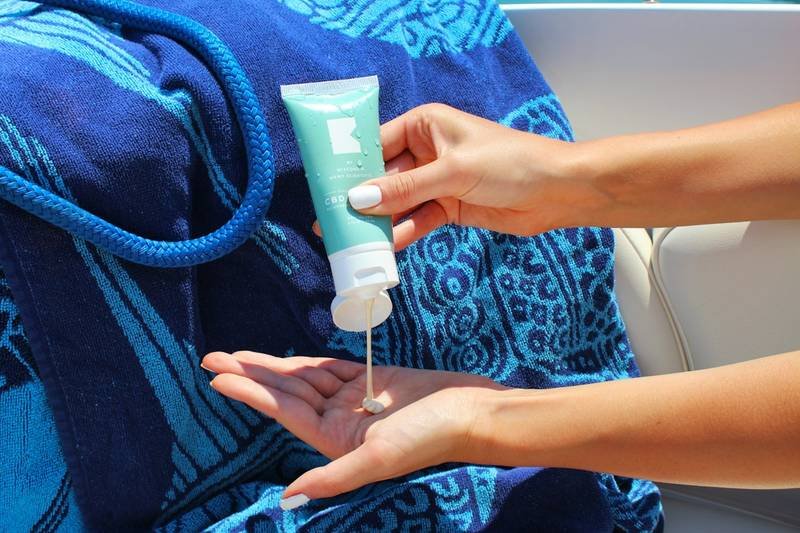
The American Academy of Dermatology is specific on this: sunscreen needs reapplication every two hours outdoors, and immediately after swimming or toweling off, regardless of what “water-resistant” claims on the bottle. No sunscreen is fully waterproof. That means the trial-size tube buried at the bottom of your bag doesn’t count as sun protection — you need one bottle in an outer pocket you’ll actually open.
Reef-safe formulas, free of oxybenzone and octinoxate, matter more in some destinations than others depending on local regulation, which our reef-safe sunscreen picks break down by location. What doesn’t change regardless of formula: pack enough for the full day, not just the first application.
Water and Snacks You’ll Actually Run Out Of
Beach days run longer than people plan for, and the heat radiating off sand pushes dehydration faster than a normal summer afternoon. An insulated bottle that holds 24 to 32 ounces keeps water cold for several hours instead of turning lukewarm by noon, which matters more than it sounds — warm water gets left unfinished. Pair it with snacks that hold up in heat: nuts, dried fruit, and hard cheese survive a hot bag better than anything with chocolate or dairy that needs refrigeration.
Electrolytes matter more than most people plan for too. A few hours of sweating under direct sun depletes sodium and potassium faster than plain water replaces them, which is part of why a beach-day headache often isn’t sun exposure at all — it’s water intake without anything to rebalance it. A single electrolyte packet dropped into the bottle covers this without adding another item to carry.
Skip the cooler if you’re walking any real distance to your spot. A single insulated bottle plus heat-stable snacks covers most half-day trips without the extra weight, and the bottle does double duty as a way to rinse sand off your feet before getting back in the car.

A Towel That Actually Dries Between Uses
Standard cotton beach towels hold water and stay damp for hours, which means if you’re using the same towel twice in a day, you’re drying off with something already soaked. Microfiber towels dry roughly five times faster because the fiber structure doesn’t absorb and hold water the way cotton loops do — it wicks it instead. They also pack down to a fraction of the size, which matters when you’re already carrying a second swimsuit and a wet bag.
If you’re swapping into a dry suit partway through the day, as covered above, a quick-dry towel is what makes that actually work instead of just sounding good in theory. Size matters here too — a towel under 60 inches long works fine for drying off but leaves you sitting directly on sand, which then ends up in the wet bag, the tote, and eventually the car. A slightly oversized towel, closer to 70 inches, solves that without needing a separate blanket.

Keeping Your Phone Sand- and Water-Free
Sand works into a phone’s charging port and speaker grille faster than most people expect, and it’s a repair bill, not just an inconvenience. A waterproof pouch with a floating strap solves both problems — it keeps sand out entirely and means a dropped phone in shallow water doesn’t sink. Skip the ziplock-bag workaround; the touchscreen sensitivity drops noticeably through a thick plastic bag, which defeats the point of bringing your phone at all.
Cash, cards, and keys belong in the same sealed pocket. A soaked debit card usually still works, but a soaked car key fob is a different, more expensive problem.
Watch: Beach Bag Essentials Packed and Explained
Seeing a packed bag side by side with the list above makes the sizing and layout clearer than a bullet list can — especially how the wet bag and backup suit fit without the whole thing turning bulky.
The Bag Material That Actually Survives Sand
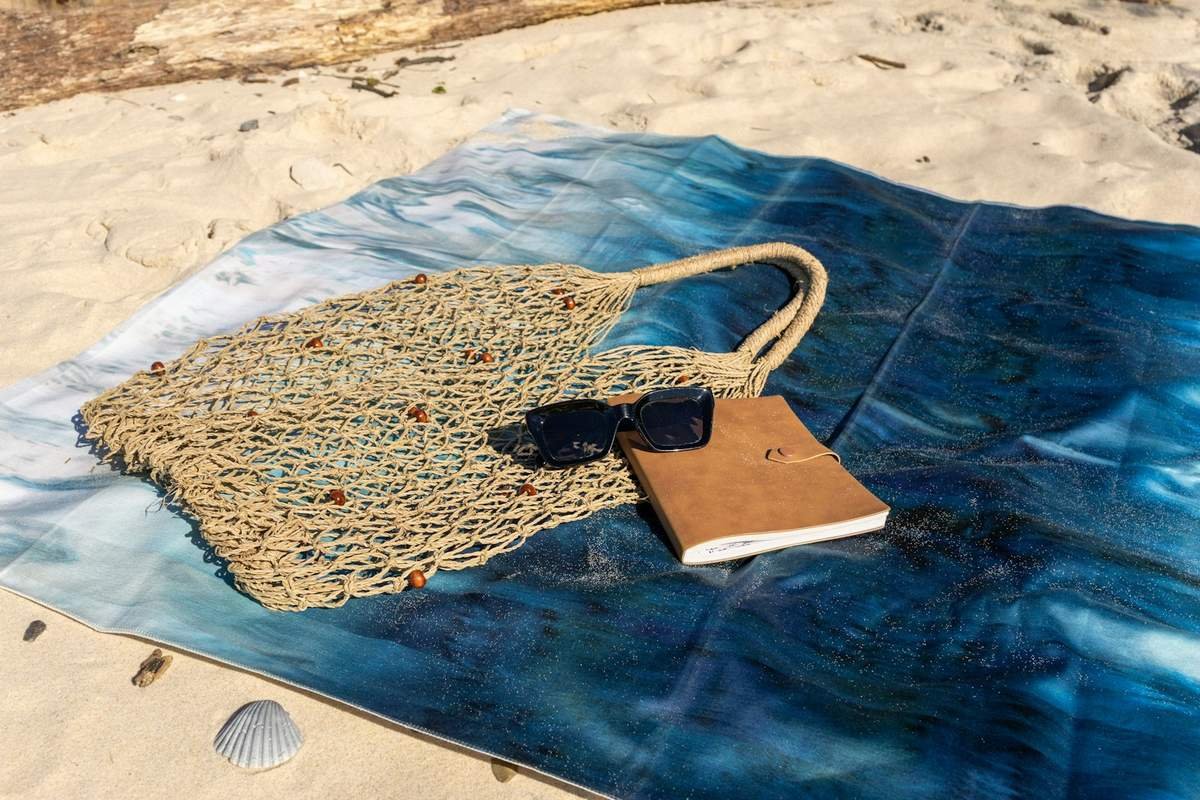
Cotton canvas totes look good in photos and hold up badly at the beach. Sand works into the weave and stays there, and cotton soaks up any moisture it touches, including from a wet suit that leaked past its wet bag. Woven synthetic totes and open mesh bags both solve this: sand falls straight through a mesh weave instead of collecting in it, and synthetic fibers don’t hold water the way cotton does.
This matters more on trips where the bag is doing double duty for packing swimwear for travel, not just a single beach day, since a bag that’s still damp or sandy when you’re repacking a suitcase creates problems well past the beach itself.

What to Skip
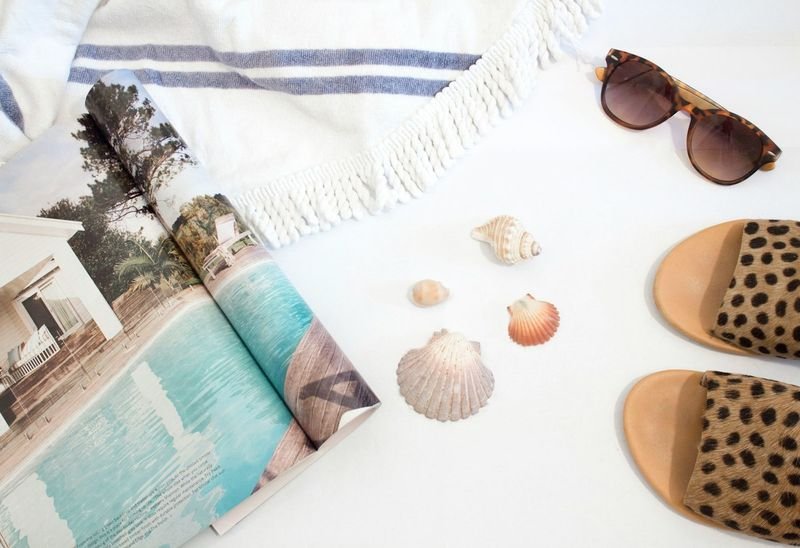
A full change of regular clothes rarely gets worn — most people just throw a cover-up over a dry suit and head home. Books get sand in the spine and salt-air humidity warps the pages within a day; an e-reader or phone handles this better if reading matters to you. A second towel “just in case” is dead weight once you’ve got a quick-dry one that actually works between uses, and so is a second pair of shoes beyond sandals and whatever you drove in wearing.
Makeup is the other one worth leaving at home. It runs the moment you sweat or swim, and reapplying it at the beach means doing it over sunscreen, which neither product is designed for. A tinted SPF balm covers what little coverage is worth keeping.
None of this requires buying new gear for a single trip. A backup suit, a $10 mesh bag, and sunscreen you remember to reapply cost less than most resorts charge to rent a towel and umbrella for one afternoon — and unlike the rental, you keep all three for next time.
Sources
- American Academy of Dermatology — How to Apply Sunscreen — official reapplication guidance, including after swimming.
- Spandex By Yard — Swimwear Fabric Guide — chlorine and UV degradation timelines for nylon-spandex and polyester-spandex blends.
- We3Travel — Best Mesh Bags for Beach and Wet Gear — mesh vs. sealed wet bag comparison for swimwear storage.