Snorkeling Swimwear: 7 Best Picks
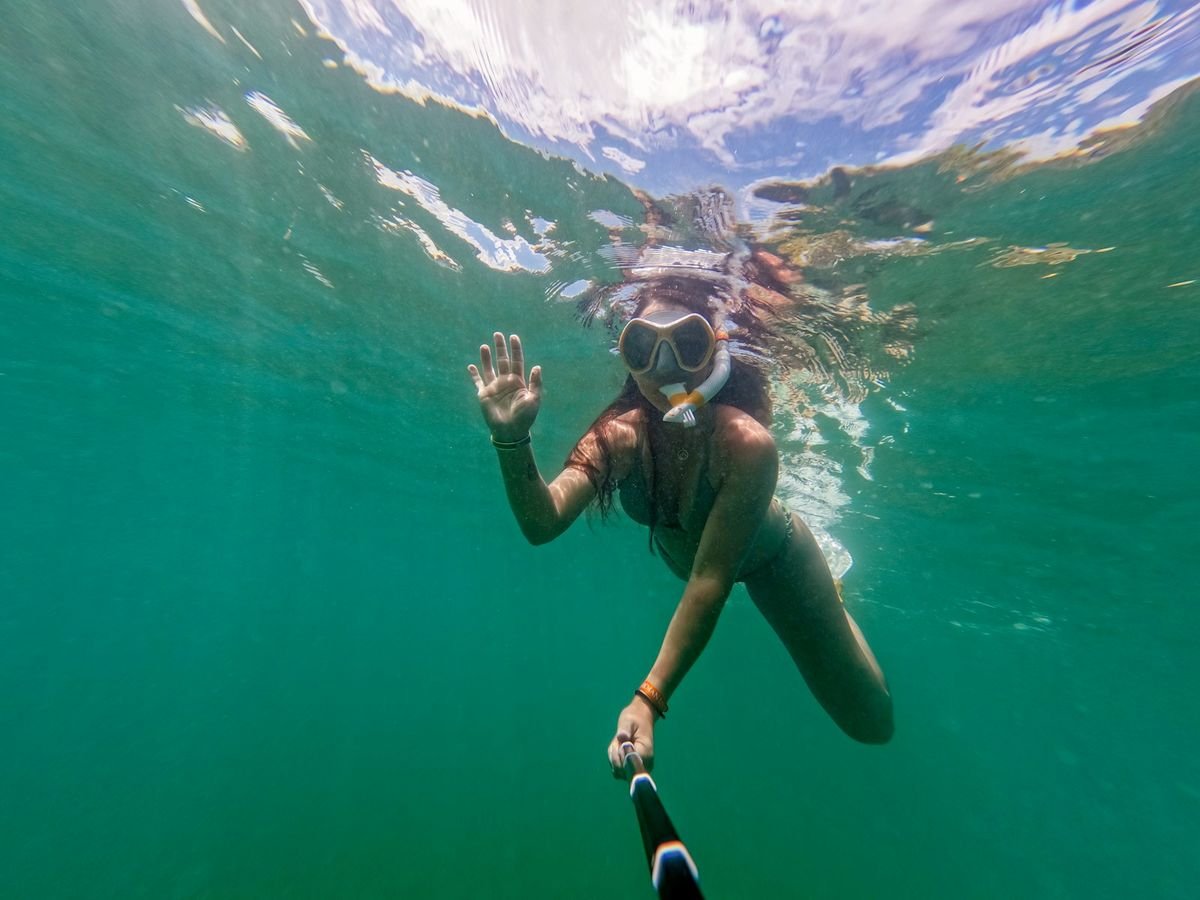
A regular bikini was never built for three hours face-down in open water. Hawaii’s Department of Land and Natural Resources logs sunburn and jellyfish stings among the most common snorkeler complaints every season, and both come down to the same fix: what you’re wearing before you ever hit the water. Bikini ties slip loose on a dive, bottoms ride up when fins kick, and the backs of your thighs — the part you can’t see and can’t reach with sunscreen mid-swim — take the worst of it.
Why Your Regular Bikini Doesn’t Survive a Snorkel Trip
Snorkeling swimwear needs to do three things a beach bikini was never designed for: stay put through fin kicks, cover skin that’s facing the sun for hours at a time, and survive repeated contact with salt water, reef, and sunscreen oils. A string bikini fails all three. The ties work loose, the fabric isn’t rated for UV, and there’s nothing between your shoulder blades and the sun once you’re floating face-down watching fish.
The fix isn’t a different bikini. It’s a different category entirely — swimwear built around coverage first, cute second. That doesn’t mean giving up style. It means picking pieces that layer, stretch, and actually stay where you put them.
Full-Coverage Rash Guard Sets Are the Non-Negotiable Layer
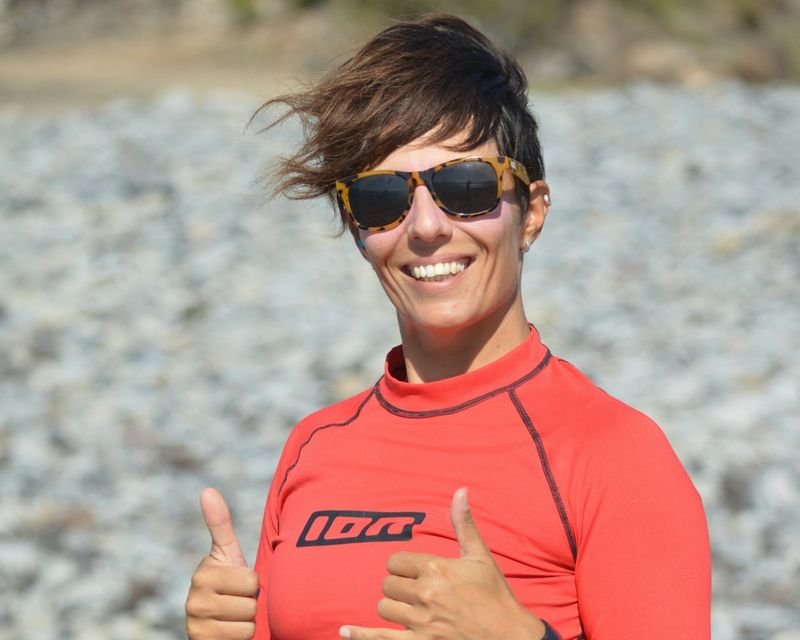
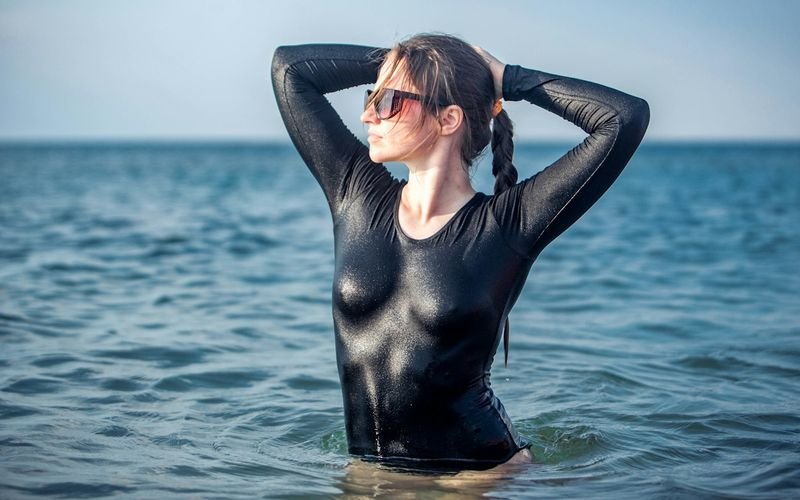
A long-sleeve UPF 50+ rash guard worn over a bikini top or one-piece is the single biggest upgrade you can make to your snorkeling kit. It covers the shoulders, upper arms, and back — the three spots that take direct sun for the entire swim — and it does it without the bulk of a wetsuit. Lycra rash guards dry fast, pack flat in a beach bag, and don’t trap heat the way neoprene does, which matters in 85-degree Caribbean or South Pacific water.
One detail trips people up: rash guards are unlined. Light colors turn semi-transparent once wet, so wear a proper swimsuit underneath rather than going without. A fitted bikini top or the top half of a one-piece works fine. Look for flatlock seams specifically — the flat, overlapping stitch pattern that lies against the skin instead of a raised ridge — because a raised seam rubbing against wet skin for three hours is exactly how a snorkel trip ends in chafing instead of a tan.
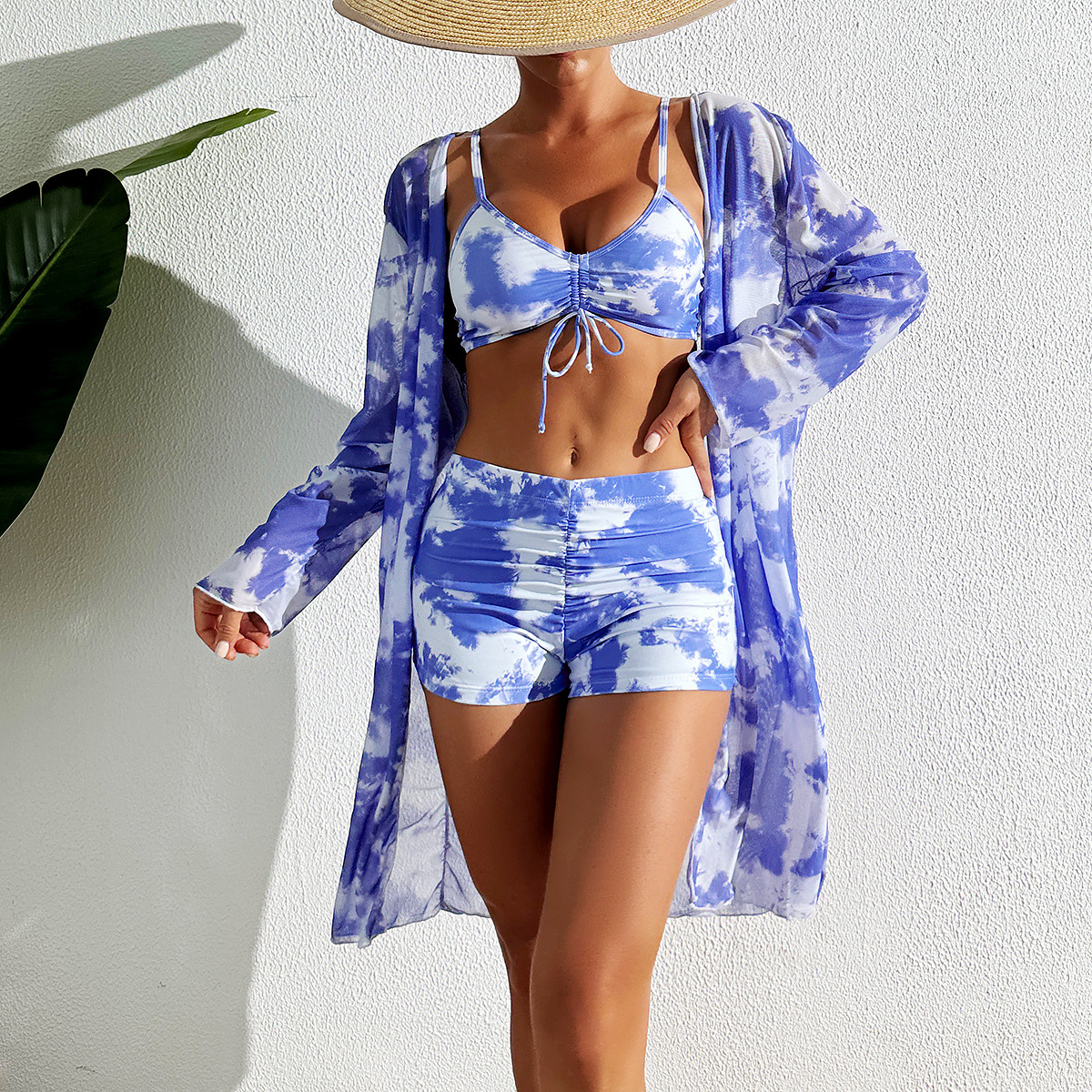
One-Piece Swimsuits Built for Watersports, Not Lounging
If layering a separate rash guard over a bikini sounds like too many steps for a vacation morning, a one-piece with short sleeves and a zip front does the same job in a single garment. The zip matters more than it sounds like it should — a snug one-piece without one turns into a 10-minute wrestling match when your skin is damp from sunscreen, and nobody wants to do that on a dive boat with six other people waiting.

Sport one-pieces also solve the fit problem that ruins most snorkel sessions: nothing shifts when you kick, nothing needs adjusting mid-swim, and there’s no strap to re-tie while treading water over a reef. For anyone snorkeling multiple times a day on a trip — morning reef, afternoon wreck, sunset swim — that’s the difference between enjoying three sessions and dreading the second one.

UPF Swim Leggings Cover the Part Everyone Forgets
Here’s the gap even careful snorkelers miss: the backs of the thighs and calves. You’re horizontal, face-down, kicking gently — which means the backs of your legs sit directly under the sun for the entire swim while the fronts barely see light. A pair of UPF 50+ swim leggings closes that gap completely, and because they’re built from the same four-way stretch fabric as a rash guard, they don’t restrict the kick the way board shorts or a sarong wrap would.
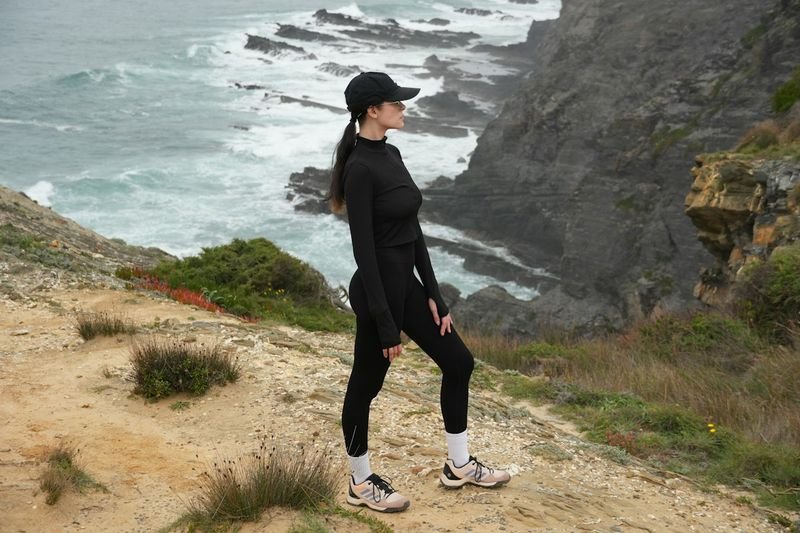
The Skin Cancer Foundation rates a UPF 50 fabric at blocking 98% of UV radiation, which in practice means you can snorkel for two hours and reapply sunscreen zero times on the parts the leggings cover.1 That’s worth more than it sounds on a boat where reapplying sunscreen mid-trip usually means greasy hands on your mask strap and stinging eyes five minutes later. Pair the leggings with a UPF 50 rash guard and you’ve covered every square inch that matters without touching a bottle of sunscreen after the first application.
Fit matters here just as much as with the rash guard. Leggings that are even slightly loose will bag at the knee once they’re wet, which drags against your kick and defeats the point of wearing something streamlined in the first place. Go a size snugger than you would for gym leggings — swim fabric relaxes once it’s saturated, and a size that feels perfect dry often feels loose five minutes into the swim.
Getting the Fit Right Is What Actually Prevents Chafing
Too loose and a rash guard drags through the water like a parachute, slowing your kick and bunching up under your arms. Too tight and the seams dig in after an hour, which is worse than sunburn because you feel it the entire swim, not just that night in the shower. The fit you want sits snug against the skin without pulling when you raise your arms overhead — test that specific motion in the fitting room or hotel mirror, because it’s the one that matters most once you’re actually swimming.
Skip anything cotton. It’s tempting to think a cotton swim shirt is “good enough,” but cotton absorbs water instead of shedding it, goes see-through within minutes, and chafes badly once salt works its way into the fibers. It also takes most of a day to dry, which is a problem if you’re snorkeling again tomorrow morning and packed only one.
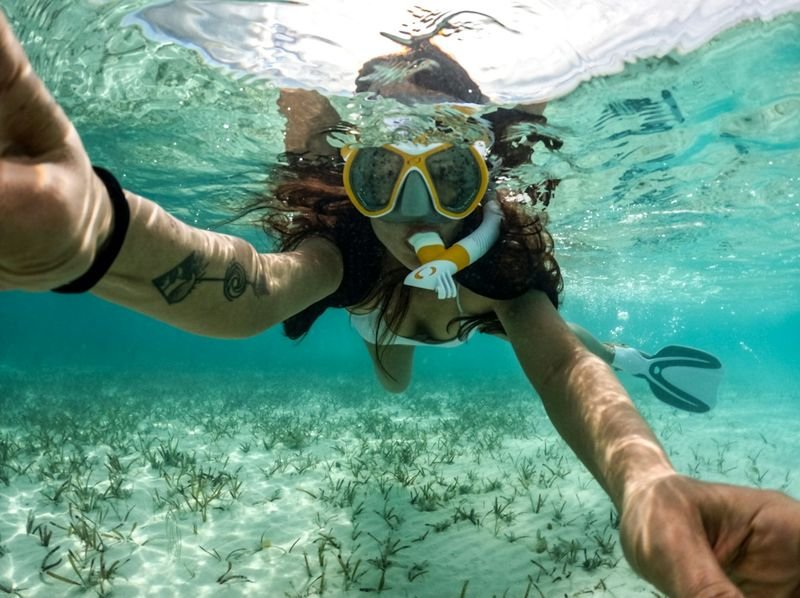
Neoprene Shorties Earn Their Place in Cooler Water
Lycra and nylon rash guards cover sun and minor stings, but they do nothing for cold. Anywhere the water runs below about 75°F — Northern California kelp forests, spring-fed cenotes, early-season Mediterranean dives — a thin neoprene shorty changes the trip from tolerable to actually enjoyable. The 2-3mm neoprene used in shorties traps a thin layer of water against the skin that your body heat warms, which is a different mechanism entirely from a rash guard’s dry UV blocking.
The honest downside: neoprene is bulkier to pack and slower to dry than Lycra, so it’s not something you throw in for a tropical trip on the off chance one dive site runs cool. Check the water temperature for your specific destination before deciding — a shorty is the right call for maybe a quarter of snorkel trips, and dead weight in a suitcase for the rest.
Color and Visibility Matter More Than People Think
Boat crews and dive guides scan the surface for snorkelers constantly, and a pale blue or white swimsuit disappears against chop and glare almost as effectively as nothing at all. Bright yellow, orange, and hot pink show up from a boat deck in conditions where a washed-out pastel blends straight into the water. It’s a small styling choice that happens to double as a safety one, which is rare enough to actually act on.
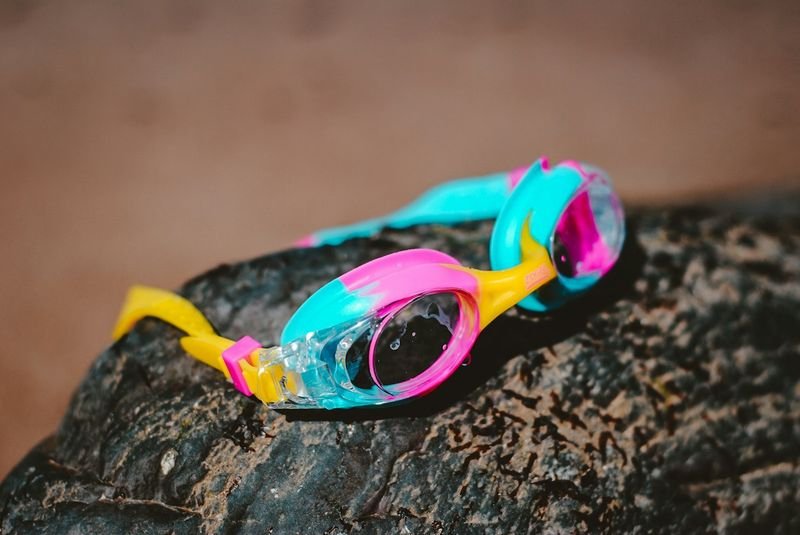
This isn’t paranoia — Hawaii’s ocean safety division specifically flags low-visibility swimwear as a factor in delayed water rescues, right alongside swimming alone and ignoring posted conditions.2 A bright rash guard doesn’t replace a dive flag or a buddy system, but it’s the one piece of safety gear you were already planning to buy anyway.

Watch This Before You Pack
This family-focused rundown covers the practical side of gearing up for a first snorkel trip — mask fit, fins, and what to actually wear in the water — and it’s a useful gut-check before you finalize what goes in the beach bag.
Building a Snorkeling Swimwear Kit That Actually Works
Start with the base layer: a swimsuit you can kick in, full stop. Add a UPF 50+ rash guard or swap the whole thing for a sleeved one-piece with a zip front. If the backs of your legs burn easily, add swim leggings. If the water runs cold, swap Lycra for a neoprene shorty. And pick a color a boat crew can actually spot from thirty feet up. None of this requires an expensive dive-shop haul — it’s four decisions, made once, that turn a snorkel trip from something you survive into something you’d happily do again tomorrow morning.
Pair any of these pieces with our full rash guard sizing and fit guide if you’re buying your first one, check our UPF swim leggings picks for the leg coverage, and if goggles or a mask fogging up is your other recurring headache, our swim goggles guide covers that separately.
Sources
- The Skin Cancer Foundation — Sun-Protective Clothing — UPF ratings and how much UV radiation they block.
- Hawaii Department of Land and Natural Resources — Snorkeling Safety — official guidance on snorkeling risk factors including visibility and sun exposure.