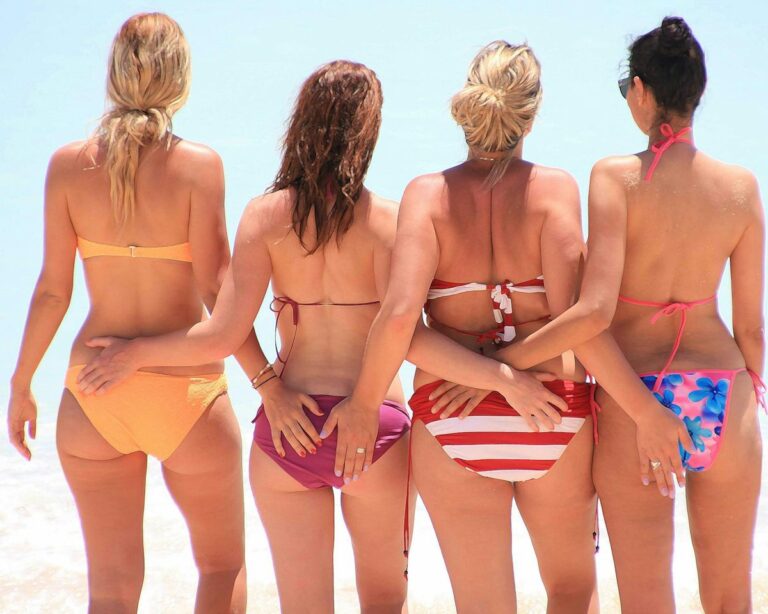

Swimwear for Cellulite: 7 Flattering Picks
According to the Cleveland Clinic, between 80 and 90 percent of women who’ve gone through puberty have some degree of cellulite, compared to less than 10 percent of men. That number includes marathon runners, yoga instructors, and women who’ve never carried extra weight in their life — it’s a structural thing in how female connective tissue holds fat, not a fitness report card. If you’ve spent years buying the wrong swimsuit because you thought a stronger core or a few pounds down would fix it, it’s worth knowing upfront that it probably won’t. What changes how cellulite reads on a beach day is fabric weight, ruching, and where the seams sit on your leg.
What Cellulite Actually Is (And Why No Suit “Removes” It)
Cellulite happens when fibrous bands under the skin pull down unevenly while the fat layer beneath pushes up, creating the dimpled texture most women see on thighs, hips, and the back of the upper legs. Men get it too, but their connective tissue runs in a crisscrossing pattern that hides the dimpling — women’s fibers run parallel, which is exactly why it shows more. Aging thins the skin on top of that fat layer, which is why the appearance can get more noticeable in your 30s and 40s even without weight gain, a pattern the American Society for Dermatologic Surgery also flags as independent of body weight.
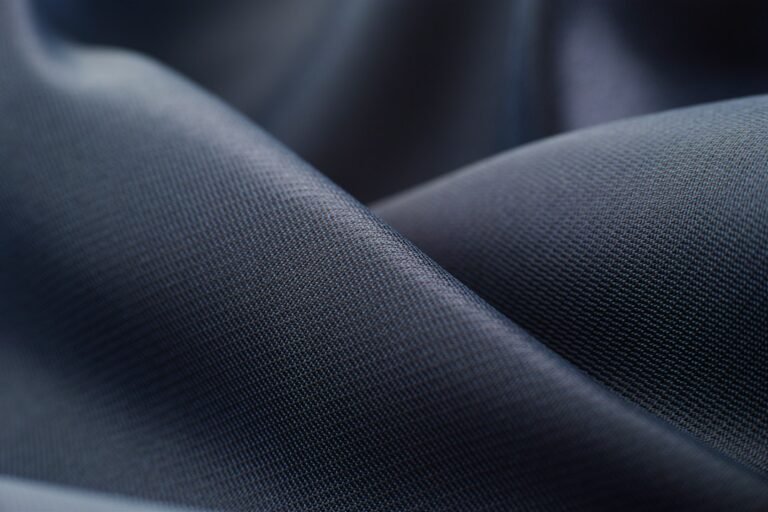
None of that means a swimsuit is a treatment. What a well-built suit can do is change the light and texture bouncing off your skin — a smooth, taut fabric over a dimpled surface reads every ripple, while a textured or ruched fabric breaks up the surface so the eye doesn’t catch individual dimples. That’s the entire mechanism behind every recommendation below. It’s optics, not correction, and there’s nothing wrong with wanting better optics on vacation photos.
Ruched Fabric Does More Than Any Color Choice
Ruching — the gathered, scrunched fabric panels you’ll see on one-pieces and bikini bottoms — works because it physically interrupts a flat plane of skin with fabric folds, so your eye reads the folds instead of the dimples underneath them. It’s the single most effective fabric treatment for this specific concern, more effective than going dark or picking a busy print, because it changes the surface itself rather than just the color sitting on top of it.
Look for ruching that runs horizontally across the hip and upper thigh rather than just at the waistline — a lot of suits only ruche the stomach panel and leave the thigh area flat and exposed. We cover fit and placement in more depth in our ruched swimsuit guide, including which brands put the ruching where it actually matters for leg coverage instead of just the midsection.
High-Waisted Bottoms Move the Cut Line Above the Problem
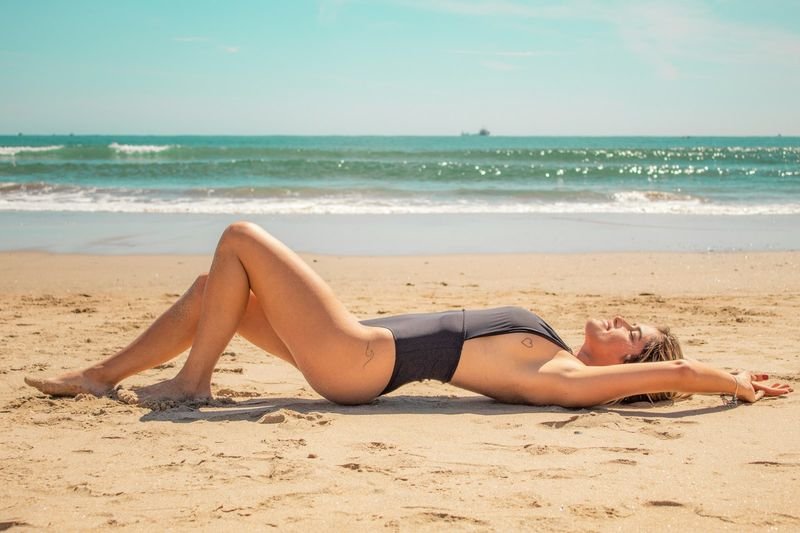
A standard low-rise bikini bottom cuts across the exact spot where thigh cellulite is most visible — right at the crease where the leg meets the hip. A high-waisted bottom moves that cut line up to the natural waist, which does two things: it covers more of the upper thigh outright, and it removes the horizontal line that would otherwise draw attention to where the skin changes texture.
- Full-coverage high-waisted bottoms sit at or above the belly button and cover the hip dimpling entirely
- Mid-rise high-waisted styles split the difference, covering the upper thigh crease without the retro look
- Look for a wide waistband (2 inches or more) — thin elastic digs in and creates a second line that draws the eye right back down
This pairs well with a textured or ribbed fabric on the bottom half specifically, since that’s the area doing the most visual work.

Match the Suit to What You’re Actually Doing That Day
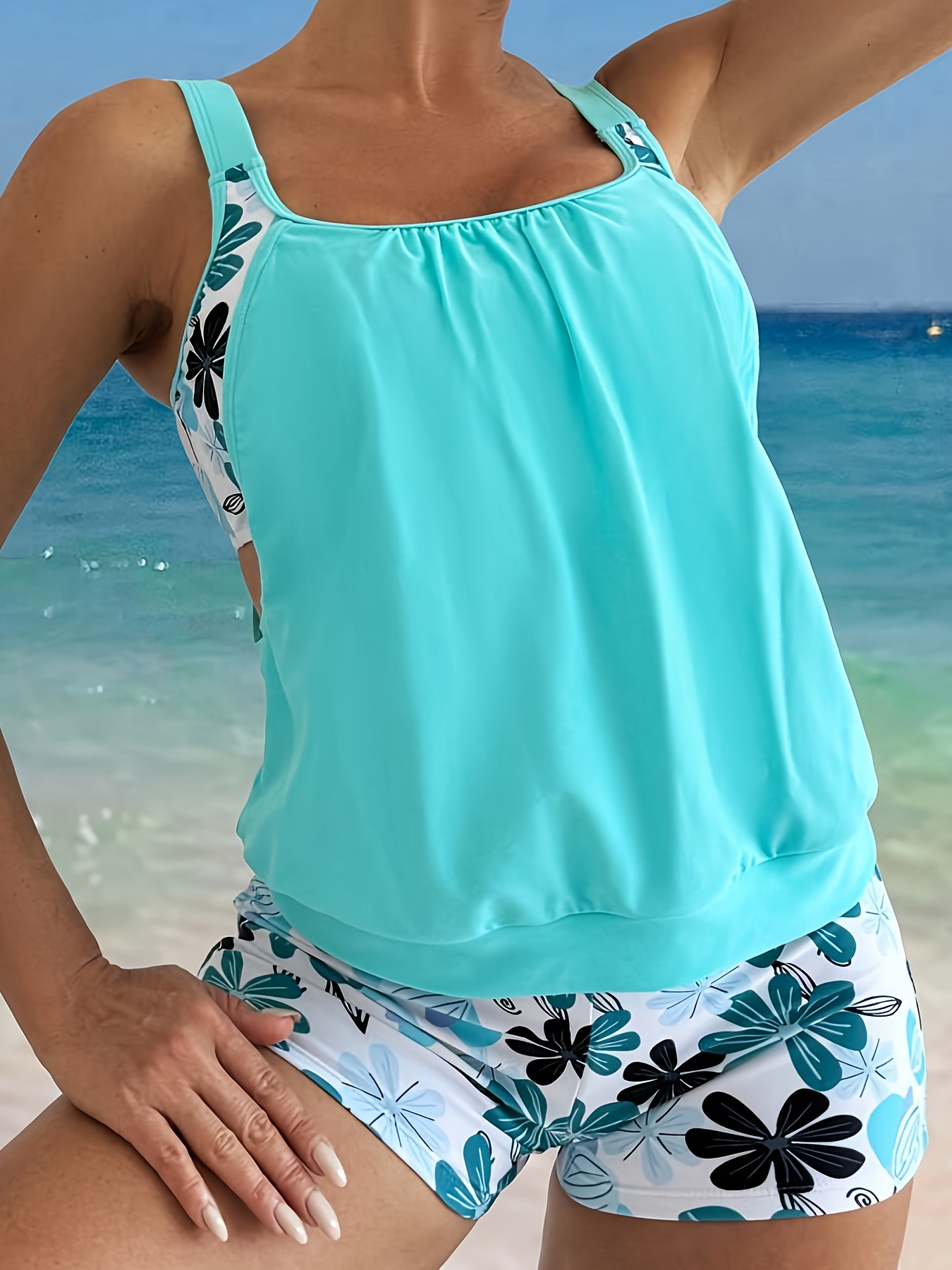
A suit that’s great for lounging on a towel can fall apart the second you’re doing laps or chasing a toddler through the shallow end. High-waisted bottoms and ruched one-pieces hold up fine for both, but swim skirts and skirtinis need a second look if the day involves real swimming — a loose flared skirt drags in the water and can ride up awkwardly mid-stroke. For active days, a fitted, slightly shorter boy-short-style bottom in a ruched or ribbed fabric gives you the same thigh coverage without the drag.
For a pool party or beach lounging where you’re sitting more than swimming, the skirt and skirtini options earn their keep — you get the coverage without sacrificing anything, since you’re not fighting fabric through the water. Think about where you’ll spend more time, in the water or on the sand, before you pick the silhouette.
Swim Skirts and Skirtinis Give You Real Coverage Without a Cover-Up
A skirtini — a bikini top paired with a short attached swim skirt instead of a bottom — gives you several inches of actual fabric coverage over the upper thigh while you’re still in the water, which no cover-up can do since you take those off to swim. Swim dresses go a step further, extending coverage to mid-thigh or longer while still functioning as a real swimsuit you can swim laps or chase kids in.
The trade-off is less sun exposure on the covered area, so if you’re trying to even out a tan line, a skirt isn’t the move. But for pool days, family trips, and anywhere you’re more focused on comfort than symmetric color, a flared swim skirt in a mid-weight fabric is the single most coverage-per-garment option on this list.
What Tummy-Control Fabric Actually Does to a Thigh
Tummy-control suits use a denser knit — usually a higher percentage of spandex woven tighter than a standard swimsuit fabric — built to compress the stomach panel. That same fabric, when it extends down over the hip and upper thigh, applies light compression there too, which smooths the surface the same way shapewear does under clothes. It’s not going to flatten cellulite completely, but it noticeably softens the texture compared to a thin, stretchy standard swim fabric.
The catch is coverage area: a lot of tummy-control suits only reinforce the torso panel and leave the leg opening in regular thin fabric, which defeats the purpose if thighs are your actual concern. When shopping, run your hand over the leg opening fabric specifically — if it feels the same as a cheap bikini bottom, the compression engineering stopped at the waistline. Our tummy-control swimwear guide breaks down which styles extend the denser fabric panel down through the hip.


Does Color Actually Matter, or Is That a Myth?
Every swimsuit guide repeats the same line: wear black or navy to hide cellulite. It’s not wrong, exactly — darker colors absorb more light and create less contrast across a dimpled surface than a pale solid would. But the effect is small compared to fabric and fit, and it’s worth saying plainly: a woman in a bright red ruched one-piece with good thigh coverage looks better than a woman in a black bikini bottom cut too low and made from flimsy fabric. Color is the last 10 percent of this decision, not the first.
If you’d rather wear color, a busy print or a medium-scale pattern does almost the same visual-breakup job that ruching does, just through print instead of texture. Solid pale colors in thin fabric are the actual worst combination here — not black versus red.

Three Mistakes That Make Cellulite More Noticeable, Not Less
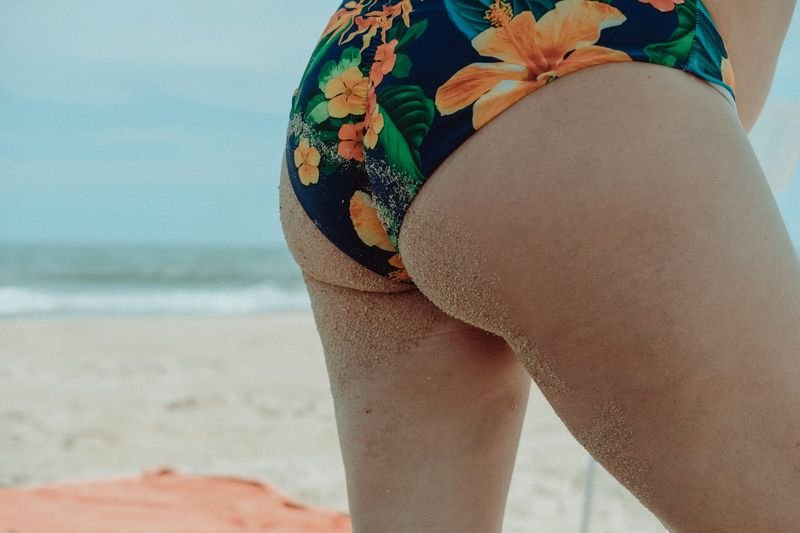
Shiny, high-sheen fabrics catch light unevenly across a bumpy surface and end up highlighting texture instead of hiding it — a matte or slightly brushed finish lies flatter against skin and reads smoother in photos. Low-rise bottoms are the second mistake, for the cut-line reason already covered above. The third is sizing down to feel like you’re buying a smaller number: a suit that’s genuinely too small stretches thin over the hip, and thin stretched fabric shows every dimple underneath it far worse than a fabric sized to actually fit without pulling.
A quick gut check before you buy: hold the fabric up to a window. If light passes through easily, it’ll stretch thin on your body too.
A Quick Video Breakdown
This rundown covers the same fabric and fit logic in under five minutes if you’d rather watch than read:

The Short Version
Buy for fabric and cut before you buy for color: a ruched or compression-knit suit with a high-waisted bottom or attached skirt will do more for how your thighs look in photos than any shade of black ever will. More importantly, you’re in the 80-to-90-percent majority here, not an outlier, so the suit that fits well and lets you actually get in the water beats the one you bought hoping it would make the cellulite disappear. If you’re still narrowing down a shape, our guide to swimwear for curvy figures is the next logical read for fit beyond just the thigh.
Sources
- Cleveland Clinic — Cellulite: What It Is, Causes, Location & Treatment — prevalence statistics and the connective-tissue mechanism behind cellulite
- American Society for Dermatologic Surgery — Cellulite — background on prevalence and contributing factors
- WebMD — How to Get Rid of Cellulite: Treatments That Work — overview of what topical and clinical treatments can and cannot do