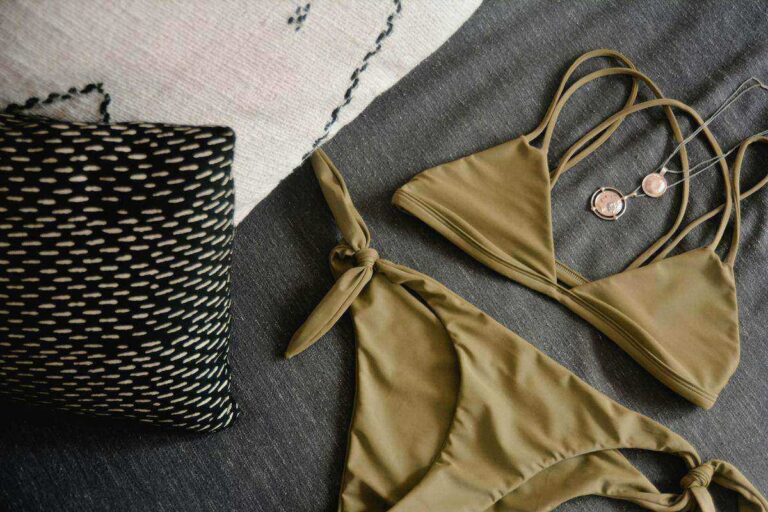

Water Polo Swimwear: 7 Best Picks
21,504 girls played water polo at the U.S. high school level in 2018, up from 18,592 in 2010 — a jump of nearly 3,000 athletes in eight years, according to National Federation of State High School Associations data. Most of them started the sport in whatever one-piece was already in the swim bag, then watched it stretch out, slip down, or get yanked off mid-drill by week two. The suit isn’t an accessory here. It’s equipment, and buying it like a regular swimsuit is the most common mistake new players make.
What Makes Water Polo Swimwear Different From a Regular Swimsuit
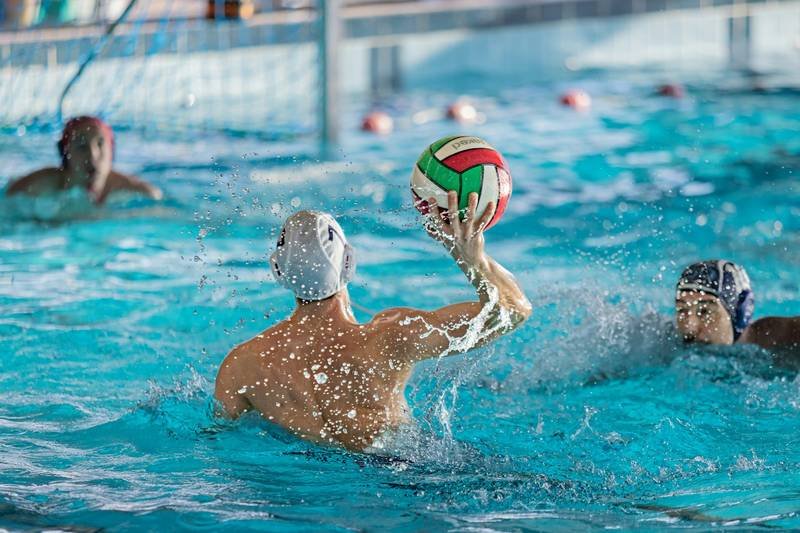
Grabbing an opponent’s suit is a foul under World Aquatics rules — exclusion if a defender does it, a turnover if an attacker does — which tells you everything about why the suit itself is designed to give nobody a handhold. A lap-swimming suit has thin straps and an open back because the goal is speed with minimum drag. A water polo suit inverts that logic: it’s built to stay on a body that’s being pulled, grabbed, and dunked for four eight-minute quarters, so coverage and grip-resistance matter more than a few extra milliseconds off a 50-meter split.
That’s why competitive suits lean on a high neckline, a back that zips or laces closed instead of tying, and an inner lining on both front and back panels. The lining is what keeps the fabric from stretching out the moment a defender gets a fistful of it — a plain swimsuit lining is single-layer and gives up almost immediately under that kind of load.
One-Piece vs Two-Piece: Why Competitive Players Choose One-Piece
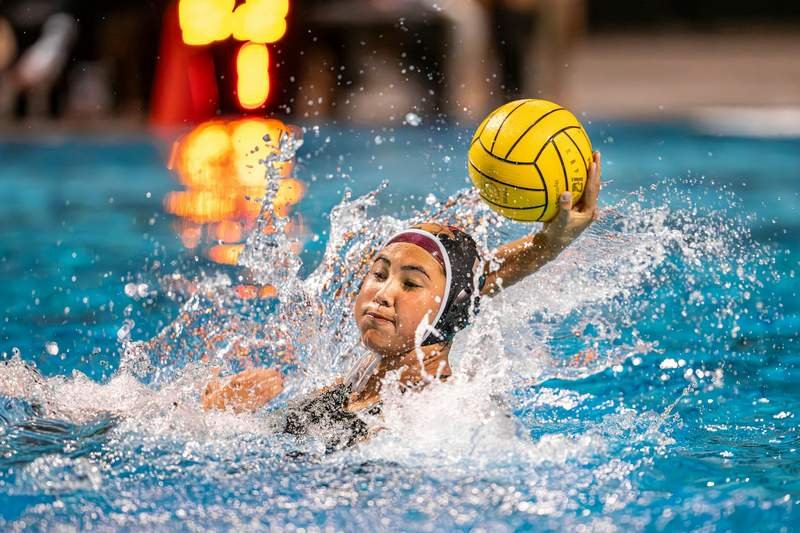
Every serious women’s water polo program plays in a one-piece, and recreational pickup games are really the only place you’ll see anything else. Two-piece suits fail for a simple mechanical reason: there’s a seam at the waist, which means there are two separate points an opponent can grab instead of one continuous panel. In a sport where legal contact includes holding, pushing, and dunking below the water where the referee can’t see it, that second grab point isn’t a style risk — it’s a suit coming off mid-play.
If you’re building general pool fitness or athletic swim strength outside of organized water polo, a supportive one-piece with a snug torso still does the job better than a bikini for the same reason triathletes and lap swimmers favor coverage over cut. We cover that fit logic in more depth in our guide to choosing swimwear for athletic builds.

Fabric and Durability: What Actually Holds Up
Polyester and polyester-PBT blends dominate the competitive water polo market for one reason: chlorine breaks down spandex and elastane far faster than it breaks down polyester. A nylon-heavy suit that looks fine after a month of twice-weekly practice will visibly thin and lose its shape by month three in a chlorinated pool, while a polyester-rich suit holds color and elasticity through a full season. Look for flatlock or reinforced seams specifically — a standard overlocked seam is the first thing to blow out when a suit gets pulled sideways during a block attempt.
Fully-lined construction costs more upfront, usually $10 to $20 more than an unlined suit from the same brand, but it’s the difference between a suit that lasts one season of three-times-a-week practice and one that needs replacing by October.

Fit: How Snug Should a Water Polo Suit Actually Be
Tighter than feels reasonable at first. A correctly sized water polo suit should feel noticeably compressive when dry — most players size down from their regular swimwear size, and many competitive athletes keep two suits: a slightly smaller, more compressive cut for games and a marginally looser one for practice, where comfort over a two-hour session matters more than a grab-proof fit.
If you’re between sizes, size down for the game suit. A suit that’s even slightly loose will ride up, shift, or expose more than intended the first time you’re boxed out for position in front of the goal — and once a water polo suit stretches out from being too big, it doesn’t recover.
7 Best Water Polo Swimwear Picks for Competitive Play
These are the styles and brands that show up most often in club and collegiate bags, ranked by what they’re actually built to handle.
- TYR Alliance Team Splice Water Polo Suit — the most common club-team suit in the U.S.; polyester build, reinforced back, holds up through a full high school season.
- Speedo Avenger Water Polo Suit — slightly more compressive cut, popular for game-day over practice because of the snugger fit.
- Arena Water Polo Suit (Waternity fabric) — built specifically for chlorine and UV resistance, a strong pick for outdoor pools and summer club seasons.
- HARDCORESPORT Hula or Textbook Water Polo Suit — favored by college programs for the double-lined back panel that resists stretching under repeated grabs.
- Turbo Team-Style Water Polo Suit — Olympic and national-team level construction; pricier, but the drawstring-free zip back is built for the highest-contact level of play.
- JOLYN Water Polo One-Piece — a fit-focused option that runs smaller through the torso, a good choice for players who found their last suit rode up during games.
- Nike Women’s Water Polo High Neck Swimsuit — widely available at retail (not just specialty swim shops), a reasonable entry point for a first season before committing to a pricier club brand.

How Much Should You Expect to Pay
Entry-level water polo suits from mainstream swim brands run $35 to $55. Club-level suits with fully-lined construction and reinforced backs land between $55 and $85, and national-team-grade suits from brands like Turbo can push past $100. That range surprises people coming from a $20 fashion one-piece, but the cost tracks directly to fabric weight and lining — the cheapest suits on the market are almost always unlined, and unlined is the first thing that fails under contact.
Buy from a dedicated swim or team-sports retailer rather than a general department store. Specialty retailers stock the suit by its actual water polo size chart, which runs smaller and differently than standard swimwear sizing, and a suit bought off a general sizing chart is the single most common reason a first-time buyer ends up with something too loose.
Water Polo Suit vs Triathlon or Lap Swimming Suit: Which One Do You Need
These three categories get confused constantly because they all look like “athletic one-piece” on a shelf, but they’re engineered for opposite problems. A triathlon suit is built to transition out of the water fast, with a slick, low-drag surface and often a built-in shelf bra so there’s less to change mid-race. A lap swimming suit is built for repeated straight-line strokes over months, with chlorine resistance as the priority and no reinforcement for contact, because nobody’s grabbing you at the Y pool.
A water polo suit is the only one of the three built to withstand another human actively trying to remove it, which is why it’s the heaviest, most reinforced, and least flexible of the three for actual swimming speed. Wearing a triathlon suit to a water polo practice is a fast way to find out exactly where its weak seams are.
Caring for Your Suit So It Actually Lasts a Season
Chlorine does most of the damage between games, not during them. Rinse the suit in cold fresh water immediately after every practice — even a five-minute soak in tap water pulls out most of the residual chlorine before it has time to keep breaking down the fibers overnight in a wet swim bag. Skip the washing machine and the dryer entirely; hand-wash in cold water with a mild detergent, then lay flat to dry out of direct sun, since UV exposure is the second-biggest cause of a suit losing its stretch early.
A suit that’s rinsed after every session and air-dried flat will typically make it through a full season, sometimes two. One that gets balled up wet in a bag between Tuesday and Thursday practice usually needs replacing by November.

Frequently Asked Questions
Can I wear a regular swimsuit for water polo?
For a single casual pickup game, yes, but expect it to stretch out or ride up fast. For organized practice or league play, a dedicated water polo suit is worth the cost within the first month — the fabric and seams simply aren’t built for the same stress.
Do I need separate suits for practice and games?
Not at first. Most new players start with one suit and add a second, slightly looser practice suit once they’re training three or more times a week, which saves the tighter game suit’s elasticity for match day.
How do I know if a suit is too small or just correctly snug?
Correctly snug feels tight when dry but doesn’t restrict your arm rotation on a throw. Too small will visibly dig into the shoulders or ride up in the first few minutes in the water — if that happens, size up rather than trying to stretch it out.
Why do some suits have a drawstring and others don’t?
Men’s water polo suits almost always use a flat drawstring waist because trunk-style suits have nothing else holding them up. Women’s suits skip the drawstring since the one-piece construction and zippered back already lock the fit in place — a drawstring on a one-piece would just be one more thing for an opponent to grab.
Sources
- Swimming World Magazine — Water Polo One of Fastest-Growing Sports in U.S., According to NFHS — high school participation growth data
- Rules of Water Polo — Wikipedia — suit-grabbing foul rules under World Aquatics regulations
- Swim2000 — The Ultimate Water Polo Suit Guide — fabric, fit, and construction standards