Lap Swimming Swimwear: 7 Best Picks
A chlorine pool running at 78 to 82 degrees breaks down ordinary swimwear fast. Most women doing three lap sessions a week get roughly six to eight weeks out of a beach-grade bikini before the fabric thins at the seat and the straps lose their recoil. Swim-specific fabric built around polyester or PBT survives closer to 200 hours of pool time by comparison, according to YourSwimLog’s breakdown of training suits — which is the real reason a $45 suit built for the pool outlasts three $15 ones built for the beach. The difference isn’t really about style. It’s about repeated chemical exposure: chlorine attacks spandex-heavy fabric at a molecular level, and heat from indoor pools speeds that up. Below are the seven things that actually decide whether a suit survives your lap routine, followed by straight answers on one-piece versus two-piece and how long a suit should realistically last.
7 Lap Swimming Swimwear Features That Actually Matter
Skip the marketing language on the hangtag and check for these seven things directly on the fabric content label or product description. They’re what decide whether a suit survives a full season of lap swimming or gets donated by the time the pool reopens after maintenance.

1. Fabric: Polyester or PBT, Not Spandex-Heavy Blends
Check the tag before you check the price. A fabric that’s mostly polyester, PBT (polybutylene terephthalate), or a tight polyester-majority blend resists chlorine breakdown far longer than nylon-spandex blends, which are built for stretch and comfort rather than chemical resistance. If the label just says “nylon/spandex” with no polyester content listed, that suit is made for lounging, not laps.
2. Wide, Racerback or Cross-Back Straps
Thin tie straps dig into the shoulders over a 45-minute set and slip with every stroke cycle. A racerback or cross-back cut at least an inch wide spreads the pull across more skin and stays anchored through freestyle, backstroke, and the push-off at the wall. This is also where a well-built two-piece top earns its place — the strap width matters more than whether it’s one piece of fabric or two.
3. A Full, High-Back Seat That Doesn’t Ride Up
Cheeky or low-coverage bottoms ride up during flip turns and the push-off glide that follows — the exact moments a lap swimmer can’t afford to stop and adjust mid-length. Look for a seat cut high enough to stay put through a full flip turn without a hand check, and sized so the leg opening sits flat rather than cutting in.
4. Snug, Not Loose — Drag Matters More Than You Think
A suit that bags at the chest or hip creates drag that a recreational swimmer can genuinely feel over a 1,000-meter set. The fit should sit close to the body without pinching, similar to how a cycling kit fits rather than how a sundress fits. If it moves independently of your body in the water, it’s working against you.
5. Flatlock or Bonded Seams, Not Raw Edges
Raw-cut seams chafe under the arms and at the inner thigh after repeated strokes, especially in longer sets. Flatlock stitching or bonded, seamless construction removes that friction point entirely, which matters more the longer a single session runs.
6. UPF Protection if You Swim Outdoors
Indoor pool swimmers can skip this one, but anyone doing laps in an outdoor 50-meter pool needs UPF-rated fabric. Chlorine already thins fabric over time; add UV breakdown on top of that and an unrated suit degrades even faster, on top of the obvious sun exposure risk.
7. A Color That Hides Chlorine Fade
Dark solids and busy prints hide fading far better than pastels or bright solids, which show chlorine bleaching within weeks under a glaring pool light. This one’s cosmetic rather than structural, but it’s the difference between a suit that still looks new at month three and one that looks tired by week four.
None of these seven features cost extra on their own — a $45 training suit built around polyester fabric, wide straps, and flatlock seams will usually check all seven boxes at once, because they come from the same construction choices. The suits that fail on one usually fail on three or four, because a brand cutting corners on fabric tends to cut corners on strap width and seam finishing too. That’s a useful shortcut when comparing two suits side by side: if the fabric content and strap width both look right, the rest tends to follow.
One-Piece or Two-Piece: What Actually Stays Put in the Water
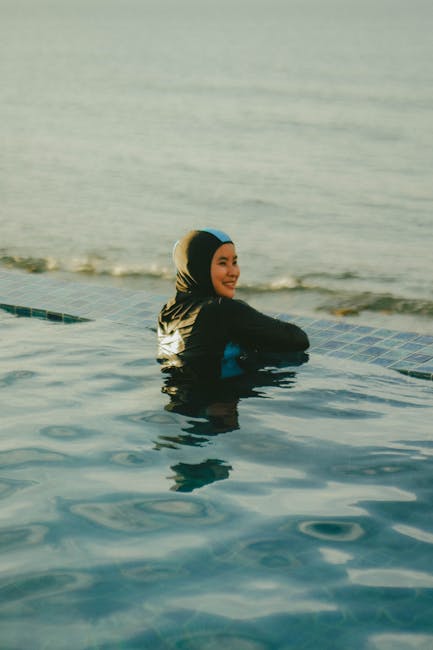
Most lap swimmers default to a one-piece, and there’s a reason for that beyond habit — fewer moving parts means fewer things that can shift mid-length. But the truth is a correctly built two-piece can absolutely survive a lap workout; it just can’t be the triangle bikini you already own for sitting by a resort pool. A two-piece built for activity needs a secure, wide-strap top that won’t pop loose on a flip turn and a bottom cut high enough on the sides to stay through a full stroke cycle.

If a two-piece is the goal, test it before committing to a full workout. Jump at the wall a few times and swim one length at moderate effort first — if the top shifts or the bottom rides up in that short distance, it will fail during a real set. Swimmers who want zero guesswork tend to land on a one-piece with the same wide-strap, high-back construction described above, which removes the shifting variable entirely. Bra-sized swimmers also tend to get more consistent support from a one-piece with built-in shelf lining than from a separate bikini top, since the top can’t ride independently of the bottom and throw off the fit of either piece.
How Often You Actually Need to Replace a Lap Suit
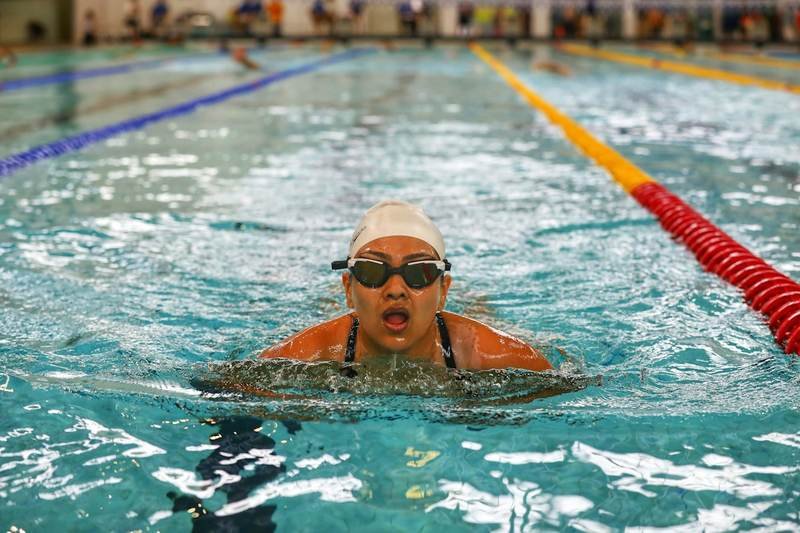
Here’s a number worth knowing: chlorine-dedicated fabric is generally rated for around 200 hours of pool exposure before it starts losing elasticity, per SwimOutlet’s practice suit guide. For someone swimming four hours a week, that works out to roughly a year of regular use before replacement — not the “it still fits” test most people actually use. The real warning signs show up before the suit looks obviously worn: hold the fabric up to light and check if it’s gone slightly see-through when stretched, check whether the leg and underarm elastic has lost its snap-back, and watch for color that’s faded noticeably compared to when it was new.

Swimmers training for longer events feel this faster. Anyone building toward a triathlon swim leg should budget for suit replacement more aggressively than a casual lap swimmer, since triathlon swimwear takes on open-water chop and wetsuit friction on top of the same chlorine exposure. The same logic applies in reverse for lower-intensity pool work — someone doing water aerobics two or three times a week can usually stretch a suit’s life further than a daily lap swimmer, simply because the fabric spends less time under tension.

Can You Wear a Regular Bikini for Lap Swimming?
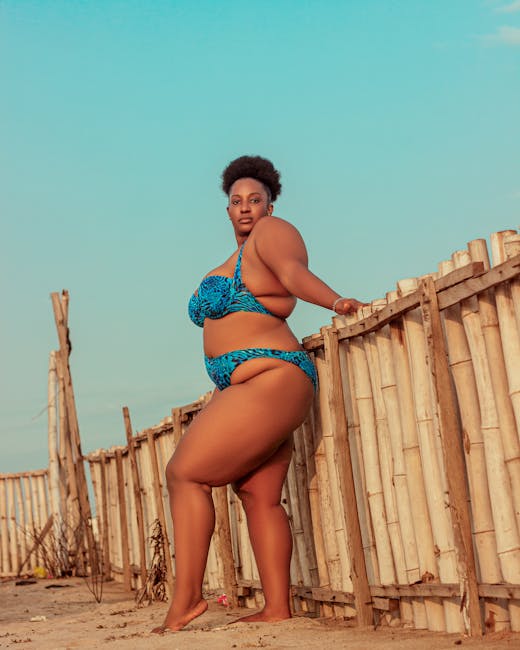
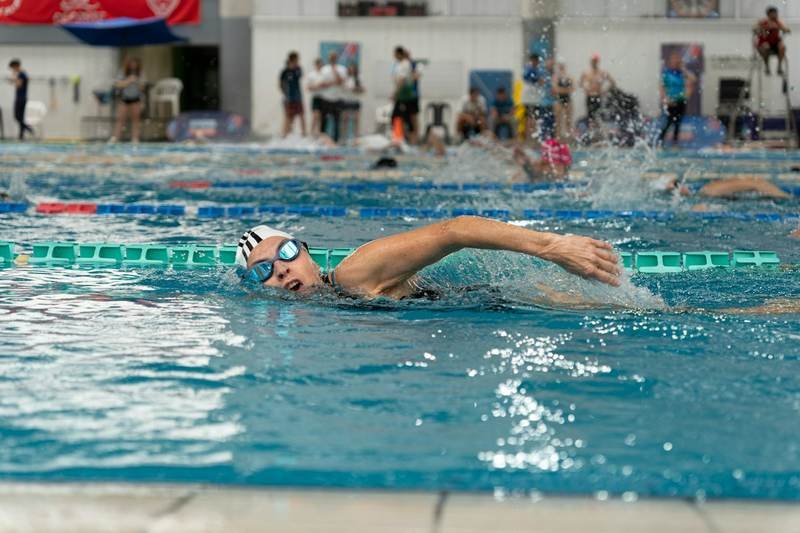
Technically, yes — nobody is stopping you. Practically, a beach-cut bikini bought for sun and style will fail faster and fit worse mid-swim than anything built for pool use, and most swimmers who try it end up buying a dedicated suit within a month anyway. The straps stretch out faster, the fabric clouds and thins within weeks under daily chlorine exposure, and loose-cut bottoms ride up on every flip turn. None of that makes the suit unsafe, it just makes thirty-minute sets more annoying than they need to be.
If budget is the real constraint, prioritize one piece built for the pool over three built for the beach. A single $40 to $50 training suit in polyester or PBT will outlast a season of lap swimming, where a $15 fashion bikini needs replacing every six to eight weeks under the same workload — the math favors buying once. Chlorine exposure doesn’t stop at the fabric either; anyone swimming laps several times a week should also be following a chlorine skin care routine, since the same chemical breaking down a suit’s elastic is doing the same thing to skin.

One more practical note: rinse any lap swimming swimwear in cool fresh water immediately after getting out, before the chlorine has a chance to sit in the fabric and keep working. That single habit adds real weeks to a suit’s lifespan, and it costs nothing but thirty seconds at the pool shower. Skip the washing machine entirely — the agitation and heat from a dryer do more damage in one cycle than a month of normal pool use, and hand-washing in cool water with a mild, chlorine-neutral soap is worth the extra two minutes. Lay the suit flat to dry out of direct sun rather than hanging it on a hook, since a wet suit left to stretch under its own weight loses shape faster than one dried flat.
Pick the suit for the workload it’s actually going to see, not the one that photographs best on a shelf. A lap swimmer who treats swimwear the way a runner treats shoes — as gear with a real lifespan, not an accessory — ends up spending less over a year and wasting fewer sets on a suit that’s working against them in the water.

Sources
- SwimOutlet — How to Choose a Women’s Practice Suit — fabric lifespan and construction guidance for training swimwear.
- YourSwimLog — Best Women’s Training and Lap Swimming Suits — comparison of training suit fabrics and durability.