Sarong Styling From Beach to Dinner: A Complete Wrap Technique Guide
The sarong doesn’t care what size you are. It doesn’t have a back zipper that refuses to close, a waistband that digs in, or a label that assigns a number to your body. It’s a rectangle of fabric — typically somewhere between 44 by 66 inches and 60 by 80 inches — and it becomes whatever you tie it into. That open-ended quality is why sarong styling has outlasted practically every other beach fashion trend of the past half-century, still worn from the beaches of Bali to the resorts of the Caribbean, from pool decks in Tulum to sundowner bars in Santorini. This guide is for anyone who owns a sarong (or has been thinking about buying one) and wants to actually use it — not just toss it over a tote bag as an afterthought.
Why the Sarong Has Outlasted Every Other Cover-Up Trend
Beach fashion is littered with trends that peaked and vanished — the terry cloth romper, the mesh kaftan, the barely-there mini sarong that covered exactly one thigh. The full-length pareo (the French and Pacific Island term for the same garment) has endured because it solves real problems that other cover-ups don’t. First, it requires no sizing — you don’t try on a sarong, you just tie it, and the same piece works across a wide range of bodies. Second, it’s genuinely multi-use: the wrap you wore as a beach skirt in the morning becomes a blanket when the sea breeze picks up at sunset, a privacy screen when you’re changing, or a makeshift tote when you’re gathering shells. Third, it packs flat without bulk, hangers, or wrinkle anxiety.
The cultural roots run deep. Wrapped textiles have been everyday dress across Southeast Asia, the Pacific Islands, and South Asia for centuries — not novelty beachwear, but practical, beautiful garments worn in daily life. When Western beach culture adopted the sarong in the twentieth century, it was recognizing something that had already proven itself across generations and climates. That origin matters for how you think about it: a sarong is not a fashion accessory with an expiry date. It’s a proven format.
Sarong Size and Fabric — the Foundation of Every Good Wrap
Before getting into techniques, understanding what you’re working with saves a lot of frustration. The difference between a sarong that slips, bunches, or gapes and one that drapes beautifully often comes down to size and fabric — not the knot itself.
Standard sarong dimensions hover around 44 by 66 inches. This size works comfortably for hip wraps and shorter skirt styles. If you want to create a full-length dress, have a taller or fuller frame, or want more fabric to work with when tying, look for pareo-sized pieces closer to 60 by 80 inches. More fabric means more room to adjust knot placement, and that flexibility is worth paying for.
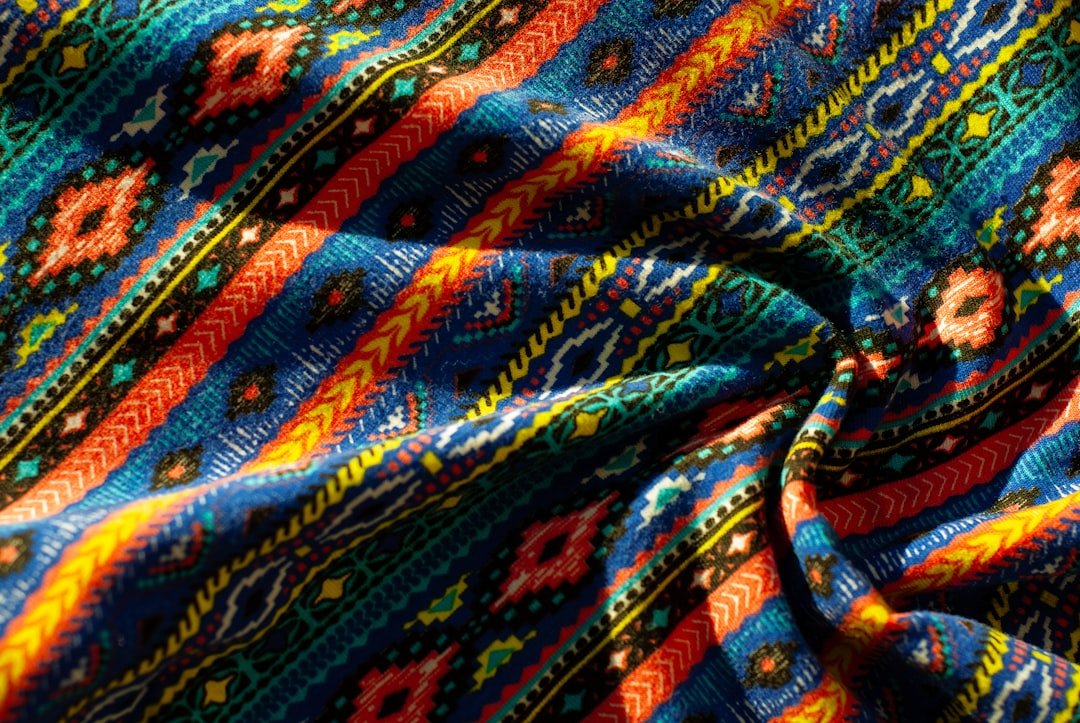
Fabric dictates drape, opacity, and how the wrap holds. Rayon and viscose are the most popular sarong materials: lightweight, quick-drying, and beautifully fluid. They drape in soft folds rather than stiff angles, which is exactly what you want. Chiffon is elegant but more transparent — better worn over a solid-color swimsuit than as the only layer between you and the world. Cotton offers more opacity and a relaxed feel, though it takes longer to dry after a swim. Silk or silk-blend sarongs elevate naturally into evening territory; they’re less practical for actual surf use but stunning for transitional resort styling.
Print also plays a role in how a sarong reads. Bold batik prints and ikat patterns echo the garment’s Southeast Asian origins and pair beautifully with solid-color swimwear. Solid sarongs — especially in jewel tones, terracotta, or neutral sand — blend into resort outfits with less effort after the beach day ends.
The Core Wraps: Technique Breakdown
Think of sarong styling as starting with a few foundational techniques and then building outward. Once you understand why a knot works — where it sits, how it holds, what it covers — you can adapt it intuitively to your body and the occasion.
The Hip Wrap
This is the most natural starting point and the wrap most people reach for first. Hold the sarong horizontally behind you at waist level, bring both ends around to the front, and tie them at one hip. The result is a wraparound skirt — open-front if you tie at the outer hip, closed if you tie at the center front. The hip tie creates a gentle diagonal hem that shows leg without requiring you to hike fabric up, and the draped front falls softly over the stomach and hips. Tying off-center adds visual interest and a sense of casual ease.
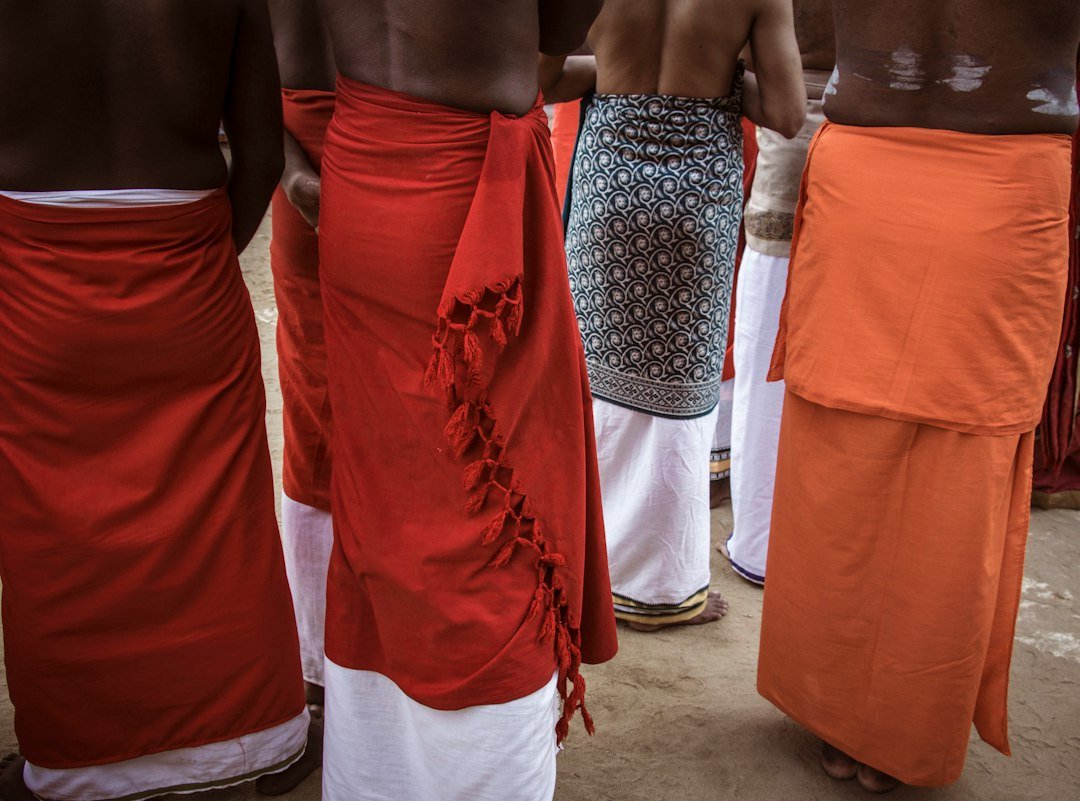
If the sarong keeps slipping, you’ve likely tied too low. The sarong should sit at your natural waist or just below it — not on the hip bones, where there’s nothing for the fabric to grip. A firm double-knot that lies flat holds far better than a looped bow that loosens when you walk. This is the knot to reach for on long beach days when you want coverage without thinking about it.
The Strapless Dress
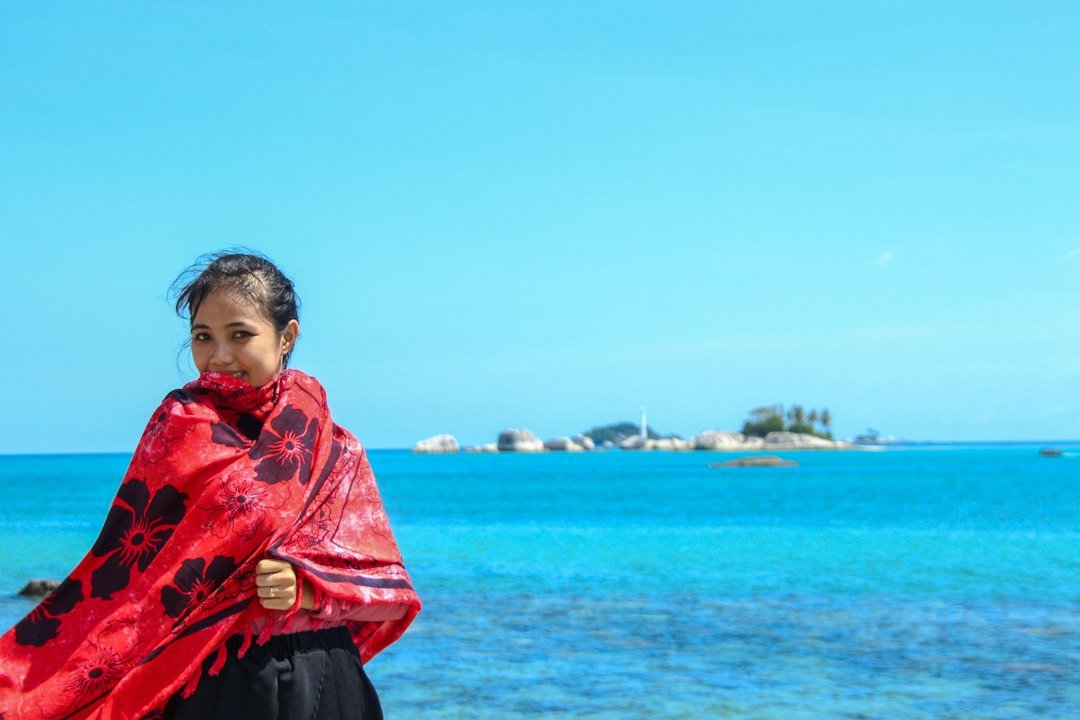
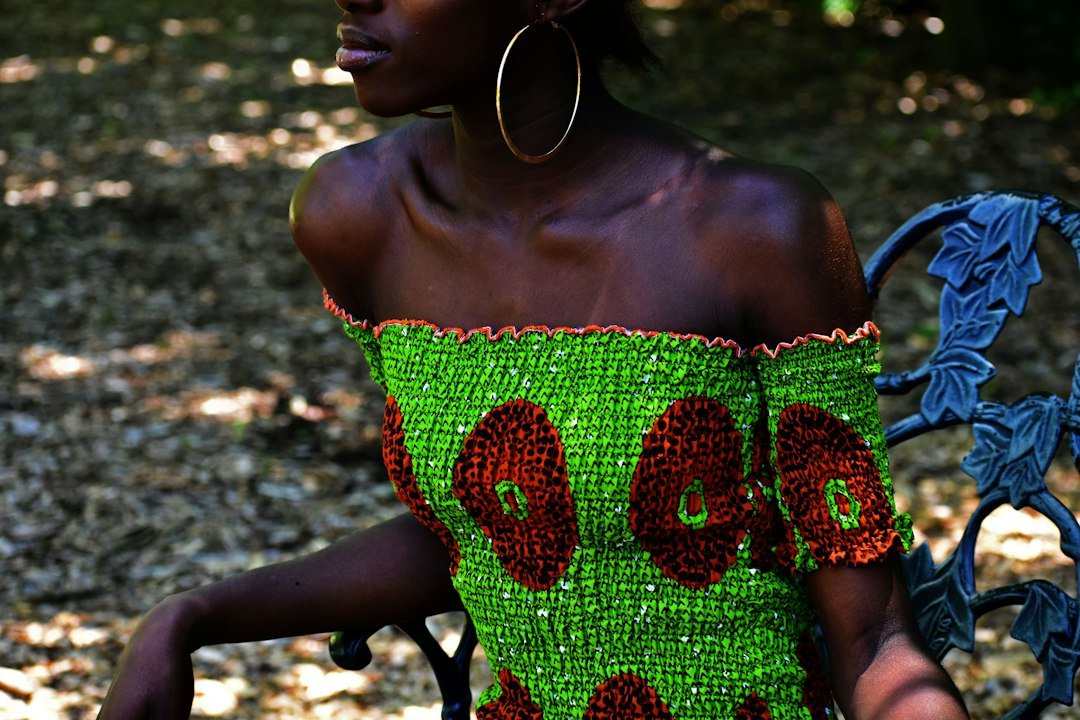
This wrap surprises people with how secure it feels when done correctly. Hold the sarong vertically — so the long edge runs top to bottom — and wrap it around your chest, tucking one corner firmly into the fold at the top. The fabric then wraps around your body and ties at the side or front. The secret to keeping it up is pulling the top edge taut before you tuck rather than after: the wrap holds through tension, not the knot alone. For a long beach day, a small safety pin hidden in the inner fold adds insurance without changing how the wrap looks from the outside.
Shop Women’s Sarong Beach Wraps on Amazon →
The Halter Dress
Take the sarong horizontally and wrap it around your torso with the length running vertically, then bring the top two corners up over your shoulders and tie them at the back of the neck — or gather them in front and knot at the chest. The halter creates a draped neckline and keeps the shoulders bare. This wrap is particularly versatile because the neckline tie can be adjusted: knotted tighter for a structured look, looser for a more relaxed drape. It also accommodates a range of bust sizes — for a fuller bust, choose a thicker-weight fabric that holds the halter knot firmly without stretching over time.
Less Obvious Techniques Worth Adding to Your Repertoire
Once you’re comfortable with the core wraps, the sarong becomes genuinely improvisational. Several less-obvious techniques expand its usefulness across a beach trip without adding a single extra item to your suitcase.
The shoulder drape is the simplest: throw the sarong over one shoulder and let it fall loosely over your swimsuit, tying the two ends in a casual knot at the hip. It functions as a swimsuit accent rather than a cover-up — adding color and movement without covering much. This works especially well with a bold-print sarong over a solid swimsuit, where the fabric becomes the statement rather than the background. It’s also the easiest technique to undo when you’re ready to swim.
The crop top tie takes a little more practice but gives you a genuinely different silhouette. Fold the sarong lengthwise to create a narrower strip, wrap it around your chest and upper ribs, and tie it at the center front. The result is a bandeau-style top. Pair it with shorts or a skirt from your travel wardrobe and you’ve moved entirely out of beach aesthetic into something that works at an open-air market or a casual lunch. On longer trips, this technique effectively doubles your wardrobe without doubling your luggage.
A long sarong folded diagonally and wrapped around the hair as a turban or head wrap is another underused move — particularly useful on travel days or when you want beach-to-street versatility without changing your whole outfit. The same fabric that looked at home on the sand reads as a deliberate accessory choice when you’re walking through a coastal town.
Shop Large Pareo Beach Wraps on Amazon →
Taking the Sarong From Beach to Dinner
The sarong’s greatest trick is surviving the transition from sand to table — a move that most beach cover-ups fail entirely. The transition comes down to two things: fabric choice and knot selection. A well-chosen sarong in silk-weight rayon or viscose reads as a sundress rather than swimwear when you’re standing in a restaurant doorway. A cotton beach wrap with a simple hip knot does not.
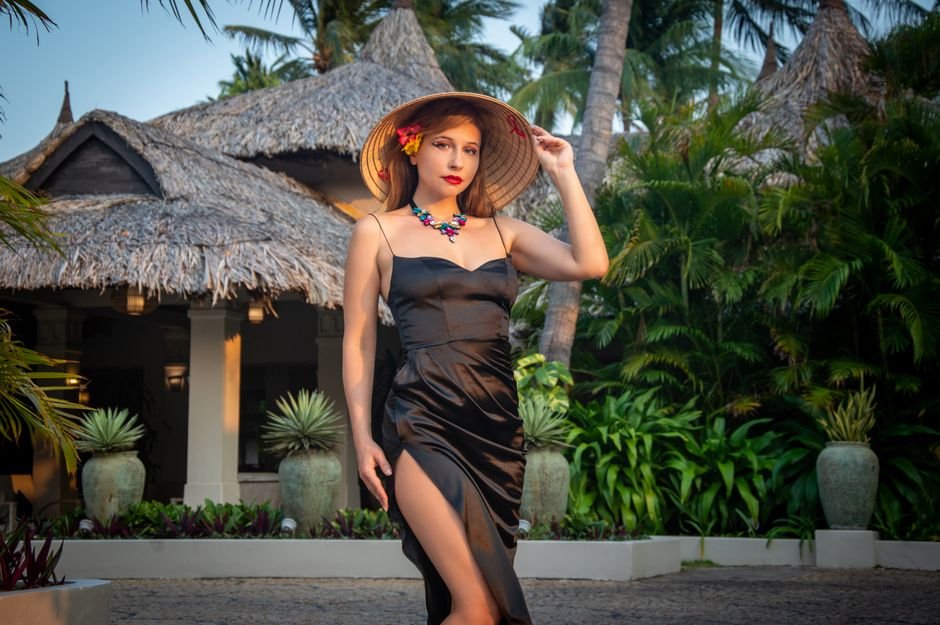
For resort evenings, the halter dress or strapless dress wrap is the move. Add sandals, one or two pieces of jewelry, and a simple shoulder bag, and the sarong has genuinely crossed over. This transformation works best in solid colors or refined prints — abstract florals, geometric patterns, or jewel-tone solids translate more easily to evening than neon novelty prints. Anything with sheen (rayon, viscose, silk blend) elevates more naturally than flat cotton.
If you’re choosing a sarong specifically for this purpose — bought not just for the beach but for the whole trip — prioritize the fabric. Rayon in a solid deep color is the most versatile purchase: it works in every technique, dries fast after the beach, and reads as intentional in an evening setting. That’s a lot of utility from one piece of fabric that weighs almost nothing in a suitcase.
Shop Rayon Sarongs for Resort Wear on Amazon →
Sarong Styling for Every Body
The sarong’s flexibility isn’t just physical — it’s also practical in a way that most beach fashion isn’t. Because there’s no standard fit, there’s no standard against which you can fail. The wrap lands where it lands on your body, and you adjust the knot placement to suit your preference, not a size chart.
A few adjustments that respond well to different body goals: tying at the side rather than the front-center creates a diagonal pull that draws the eye away from the center of the body. A bow tied at the outer hip draws the eye outward and adds the appearance of hip width. A longer sarong tied in a full halter dress covers most of the body in a way that feels intentional rather than concealing — there’s a difference between hiding and choosing coverage, and the halter achieves the latter. The hip wrap tied high and kept shorter shows more leg, which is a choice about proportion, not a rule about who gets to show their legs.
None of those adjustments require a specific body type. They’re knot mechanics — the geometry of how fabric falls from a given point. That’s the argument for the sarong that no other cover-up can quite make: the technique is truly adjustable, and what works for one body works for another, just tied differently. That’s been true across the cultures that developed the wrapped textile format over centuries, and it remains true at every beach and pool deck where someone figures out their preferred knot and doesn’t look back.
Sources
- Wikipedia — Sarong: History and Cultural Origins
- Encyclopædia Britannica — Sarong
- Vogue — Beach and Resort Fashion