Swimwear Rental: 5 Honest Pros and Cons
A competitive swimmer in Columbus spent $450 last season renting three custom racing suits instead of buying them outright at roughly $180 each — and still came out $90 ahead, because she only needed each suit for a two-day meet before her body and times had both changed enough to need a different cut. That’s the math that makes swimwear rental genuinely worth it. It’s also the exception, not the rule. For most people packing for a week at the beach, a rental box sounds appealing until you hit the fine print: two-week return windows, final-sale no-refund terms, and shipping deadlines that don’t care if your flight home got delayed.
What Is Swimwear Rental, and How Does It Actually Work?
Swimwear rental is exactly what it sounds like: you pay a flat fee to borrow a suit for a set window instead of buying it. You pick a piece online, it ships a few days before you need it, you wear it, then you mail it back in a prepaid envelope before the rental period ends. Pickle runs this as a straight per-item rental on casual and resort swimwear. By Rotation works more like a peer-to-peer marketplace, where other members list their own designer pieces and you book directly from their closet. Rent the Runway leans toward broader vacation wardrobes rather than swimwear specifically, but suits do show up in its seasonal collections.

Most platforms follow the same sequence: reserve the suit for your travel dates, it arrives by mail two to five days ahead of your trip, you wear it for the length of the booking (commonly one to two weeks), then you drop the return package in any mailbox before the deadline. Miss that window and you’re usually charged an extra week’s fee automatically — there’s no grace period built in.

How Much Does Swimwear Rental Actually Cost?
Pricing splits into two very different markets. On the casual side, Pickle lists rentals from roughly $10 to $115 per booking depending on the retail value of the piece, with most resort and vacation suits landing in the $25 to $60 range for a standard rental period. On the competitive side, figure and bodybuilding suit rentals run $100 to $225 per show — Amanda Louise Swimwear and similar competition-suit makers price a single-event rental close to what a used suit would resell for, because these pieces are built for one specific body and one specific stage appearance.
That gap matters. A $45 rental on a $120 designer bikini you’ll wear three times over a week is a reasonable trade. A $150 rental on a competition suit you’d otherwise have bought for $180 and worn twice is a worse deal on paper, until you factor in storage, alterations, and the fact that most competitors change divisions or body composition before the next season anyway.
Swimwear Rental vs. Buying: The Real Cost-Per-Wear Math
Cost-per-wear is the number that actually settles this argument, and it’s simple: take the total price — rental fee or purchase price — and divide it by how many times you’ll realistically wear the piece. The formula doesn’t care whether the money went to a rental platform or a checkout cart; it just measures what each wear actually cost you.
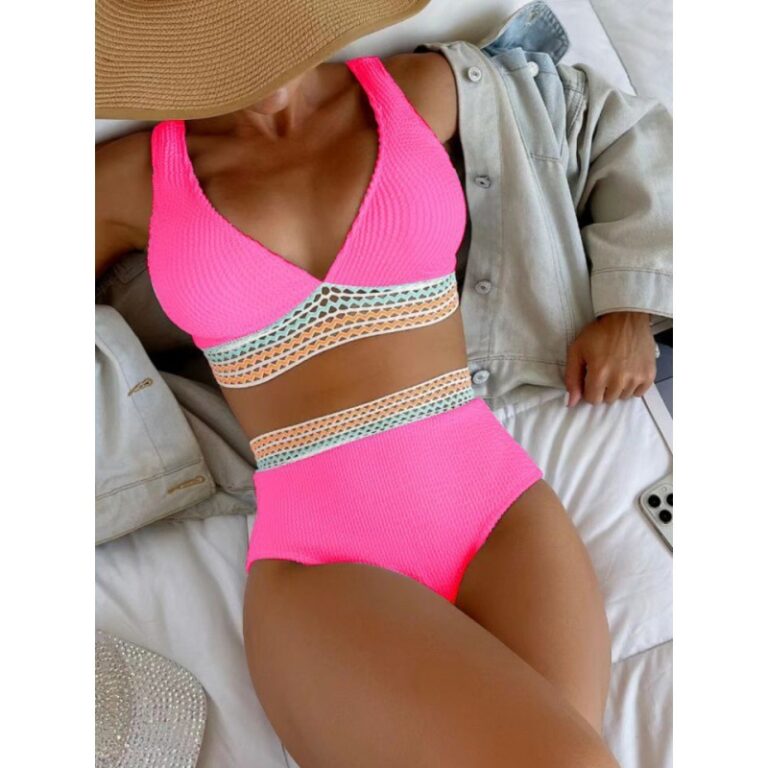
Run the numbers on a typical week-long beach trip. Buy a $50 bikini from a site like this one and wear it on five beach days this trip, then another ten days across the next two summers — that’s fifteen wears for $3.33 each. Rent a $65 designer suit for the same single week and wear it five times, and you’re at $13 per wear, with nothing to show for it afterward. The only way rental beats buying on pure cost-per-wear is when you genuinely won’t wear the style again — a single competition, a one-off gala, or a body size you don’t expect to stay in.

Swimwear Rental vs. a Subscription Box — Which Fits Your Trip?
These get confused constantly, but they solve different problems. A swimwear subscription box is a recurring monthly charge where a stylist sends you a curated set of pieces to try, keep, or send back on your own schedule — it’s built for people who want variety in their closet over time. Rental is a one-time transaction tied to a specific trip or event with a hard return deadline attached.
If you travel three or four times a year and want fresh styles each time without owning a drawer full of suits, a subscription service probably serves you better long-term — you’re paying for ongoing access, not a single loan. If you have exactly one event coming up — a honeymoon, a milestone birthday trip, a competition — rental is the tighter, cheaper option because you’re not committing to a monthly fee you’ll forget to cancel.

Who Swimwear Rental Actually Makes Sense For
Competition swimmers and figure athletes are the clearest case — a suit built for one body, one show, and one season has no real resale value afterward, so renting avoids paying full price for a single use. Destination weddings and honeymoons are the second strongest case: a $200 designer piece you’ll photograph once but never wear again at home is a textbook rental situation.
Pregnancy and postpartum bodies are the third case, though it’s closer than people assume. Maternity swimwear built specifically for a changing body usually runs $40 to $70 to buy outright, which is often cheaper than a single rental once you account for the risk of ordering the wrong size for a body that’s still shifting week to week. Rental only wins here if you’re certain you won’t need maternity-specific sizing again.
The Hygiene and Fit Problem Nobody Talks About
Renting a dress and renting a swimsuit are not the same calculation, and most of the marketing around swimwear rental glosses over this. A suit sits directly against skin in a way outerwear doesn’t, and every platform in this space states that items are professionally cleaned between renters — but there’s no independent, third-party certification standard for swimwear sanitation the way there is for, say, hotel linens. You’re trusting the platform’s word on this, not an inspectable process.

Fit is the second, more practical problem. There’s no fitting room — you’re matching your measurements to a size chart that varies by brand, and if the suit doesn’t fit when it arrives two days before your flight, you don’t have time to reorder. Photograph the suit the moment it arrives, front and back, before you try it on. That single step is what protects you if a damage dispute comes up later, since “it already had a loose seam” is a much weaker argument without a timestamped photo.


Where to Actually Rent Swimwear Right Now
The options split cleanly by what you’re renting for. For casual and resort pieces, two platforms dominate:
- Pickle — straight per-item rental on resort and vacation swimwear, priced $10 to $115 depending on retail value.
- By Rotation — peer-to-peer marketplace where you book designer pieces directly from other members’ closets.
- Rent the Runway — broader vacation-wardrobe rental; swimwear shows up seasonally rather than as a dedicated category.
- Amanda Louise Swimwear, Shine Bikinis, Glam Girl Bikini — competition-specific rental for figure and bodybuilding suits, priced per show rather than per week.
If you’re only renting once, book directly from the platform’s site rather than a reseller — return policies and damage terms differ enough between them that reading the actual terms on the original listing matters more than the price alone.

How to Avoid Getting Burned by a Late Return or a Bad Fit
Order at least two weeks ahead of your trip, not a few days before — shipping delays are the single most common complaint across rental platforms, and a suit that arrives the morning you fly out leaves zero room to deal with a sizing problem. Measure yourself against the brand’s actual size chart rather than guessing from your usual retail size; swimwear sizing varies more between brands than almost any other garment category.

Know your return deadline relative to your actual flight home, not your trip’s last day — if your return flight lands at 11pm and the nearest mailbox pickup is 5pm, you need to plan the return for a day earlier than the booking technically allows. And keep the original packaging until the suit is confirmed received back; several renters have been charged for “lost” items that were sitting in a mail carrier’s truck for an extra day.

Rental earns its place for the one-off: a competition suit, a honeymoon piece, a wedding you’ll photograph once. For everything else — the suit you’ll actually wear again next summer — buying still wins on cost, on fit certainty, and on not mailing something back to a stranger. If you’d rather just own a few pieces that work for every trip, our complete swimwear guide breaks down what to buy for your body type and budget instead.
Sources
- Pickle — Swimwear Rental — per-item casual and resort swimwear rental pricing.
- By Rotation — Vacation Collection — peer-to-peer designer swimwear rental marketplace.
- Amanda Louise Swimwear — Competition Suit Rentals — per-show pricing for figure and bodybuilding competition suits.
- The Well Dressed Life — Understanding Cost Per Wear — the cost-per-wear formula used in this article’s calculations.