
Maternity Swimwear: 9 Best Styles for Every Bump 2026
By the third trimester, a growing belly can add four to six inches to a waistline that a standard bikini bottom was never designed to stretch around. That is the whole problem with wearing regular swimwear through pregnancy: the elastic that felt fine in month three starts leaving red marks by month seven. Good maternity swimwear solves that with smarter cuts and more give — and it does not have to mean hiding under a tent of a swimsuit. You can absolutely wear a bikini while pregnant, and plenty of women look and feel their best doing it.
What Makes Maternity Swimwear Different
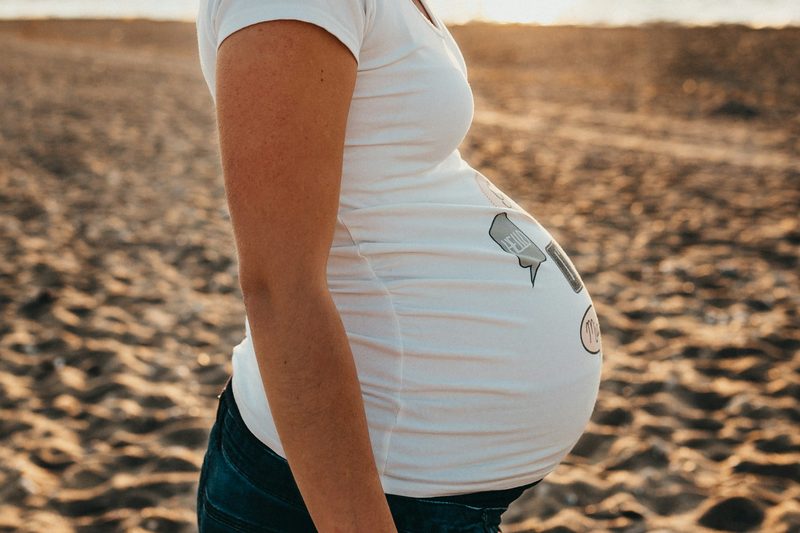
The short version: it is built to move. Regular swimsuits are cut for a fixed body. Maternity swimwear uses a higher lycra or elastane content in the fabric, seams that sit away from the bump, and hardware — ties, ruching, adjustable straps — that lets you resize the fit as you grow. A well-made maternity suit will comfortably span three or four dress sizes across a single pregnancy.
Ruching along the sides is the feature that does the most work. Those gathered panels expand outward as your belly does, which is why a ruched tankini bought at 16 weeks still fits at 36. Over-the-bump bottoms — the kind with a wide, foldable waistband that reaches up past the navel — are the other half of the equation. They stay put instead of rolling down under the weight of the bump, which is the single most common complaint women have about wearing a normal bikini bottom late in pregnancy.
The 9 Best Maternity Swimwear Styles for 2026
There is no one “right” maternity swimsuit — the best style depends on your trimester, your body, and where you are wearing it. These nine cover almost every situation, from a quick hotel pool dip to a full beach vacation.
- Ruched tankini — the workhorse. Full belly coverage, easy bathroom access, and side ruching that grows with you. The safest first purchase.
- Over-the-bump bikini bottom — high, foldable waistband that cradles the belly. Pair it with any supportive top for a two-piece that still shows off the bump.
- Side-tie bikini bottom — adjustable ties let you loosen the fit weekly instead of buying a new size.
- Halter bikini top — the neck tie carries the extra weight of a fuller pregnancy bust far better than thin shoulder straps.
- Wrap one-piece — the crossover front adjusts around the bump and gives real bust support without underwire pressure.
- High-waisted two-piece — the retro cut that flatters at every stage and gives you bikini freedom with more coverage.
- Scoop-back one-piece — clean lines, plenty of stretch, and no ties to fuss with when you just want to swim laps.
- Bandeau-with-band tankini — a removable strap option for even tanning that still supports.
- Plus-size maternity two-piece — roomier cuts and wider bands built for fuller figures that are also carrying a bump.
Maternity Bikini or One-Piece: Which Should You Buy?
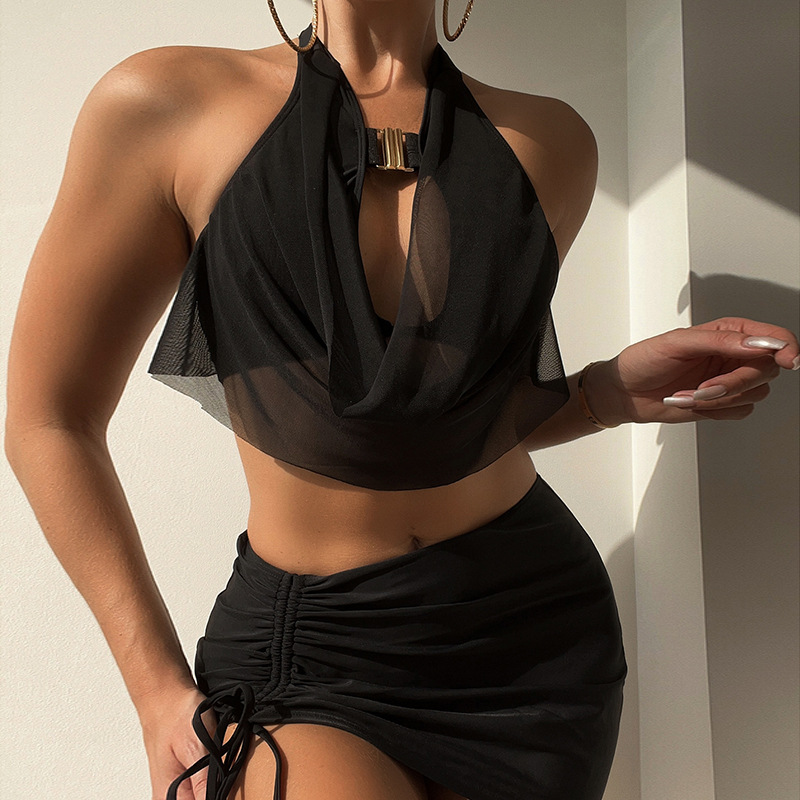
Honest take: a maternity swimsuit two piece is the better buy for most pregnancies, and not just because it looks good. A two-piece means you are not peeling a wet, full-length suit down over a bump every time you need the bathroom — which, in the third trimester, is often. It also lets you mix sizes, so you can keep your usual top and only size up the bottoms.
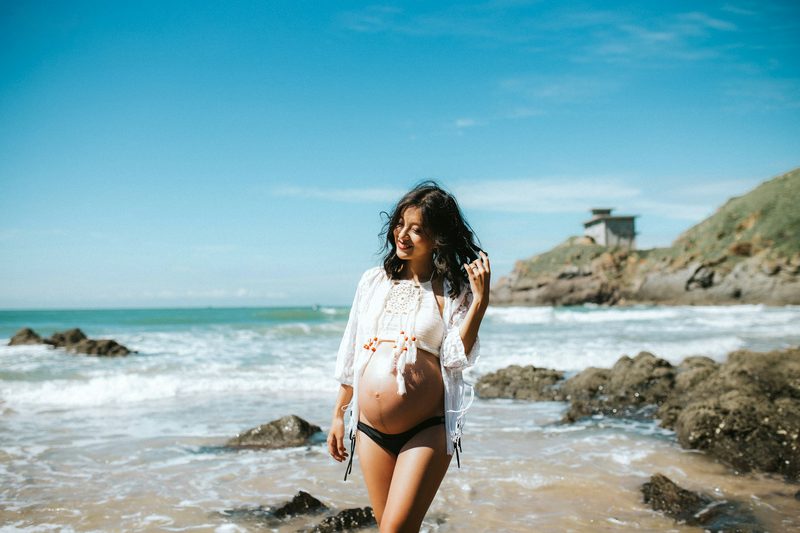
A one-piece earns its place when you want more core coverage, more bust support in one garment, or simply prefer the smoother line for a resort dinner by the pool. Wrap and scoop-back one-pieces are the most bump-friendly. If you tend to run cold or you are doing serious lap swimming, the one-piece is the more practical pick. For everything else — beach days, hot tubs, chasing a toddler through the shallows — the two-piece wins on convenience.
How to Get the Right Maternity Swimwear Size
Sizing is where most women get maternity swimwear wrong, and the mistakes go in both directions. Buy too big hoping to “grow into it” and the suit gapes and slides in the early months. Buy your pre-pregnancy size everywhere and the bottoms cut in by the third trimester.
The reliable formula: keep your normal size on top and go up one size on the bottoms. Your ribcage and bust will expand, but a stretchy, adjustable top handles that without a size change. The belly needs the extra room more urgently. If you are between sizes, size up — swimwear elastic has no mercy on a tight fit. And measure yourself now rather than guessing from a pre-pregnancy number; a quick check against a high-waisted bikini sizing guide will get you closer than eyeballing it.
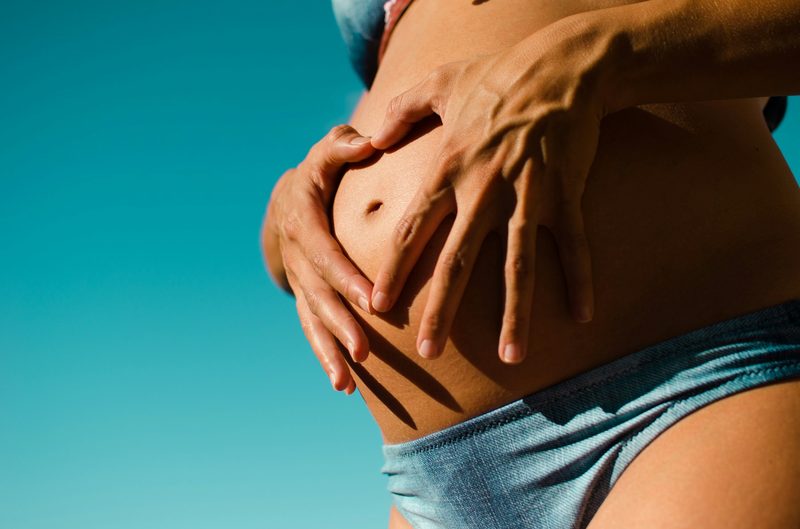
For plus-size shoppers, maternity swimwear plus size ranges have improved a lot — look for wide-set straps, a proper band under the bust, and bottoms that sit high without a pinching seam. A roomier plus-size two-piece with adjustable sides will often serve better than a dedicated “maternity” label that only comes in narrow cuts.
Support Where a Pregnant Body Needs It Most
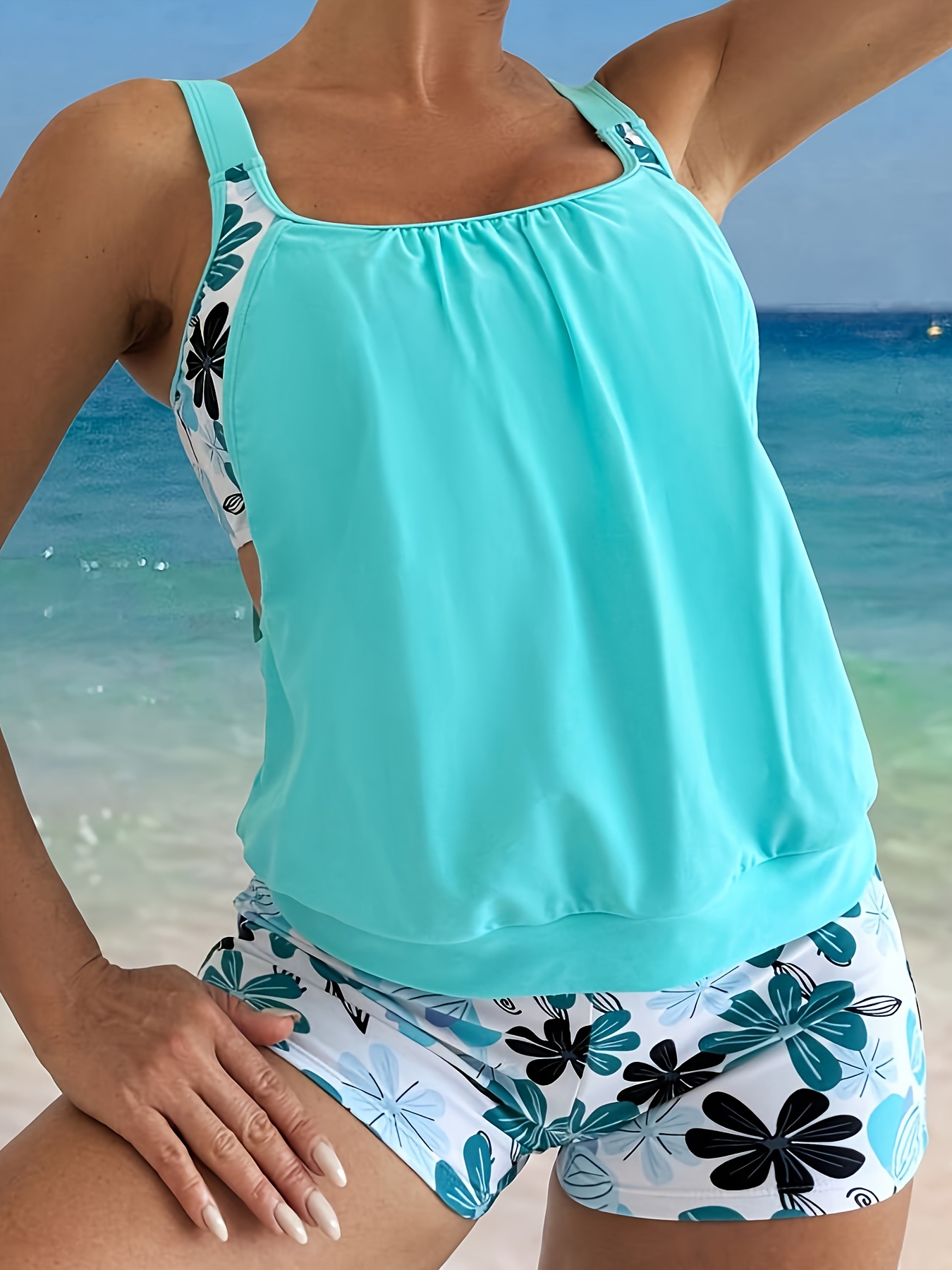
Two areas change fast in pregnancy and both need real support: the bust and the belly. A pregnant bust can jump one to two cup sizes, and thin string straps that were fine before will start cutting into your shoulders under that extra weight. A halter neckline or a wide-strap top spreads the load and is worth prioritizing over a prettier but flimsier design. If your bust is on the fuller side to begin with, the full-bust support styles that work outside pregnancy are the same ones that work during it.
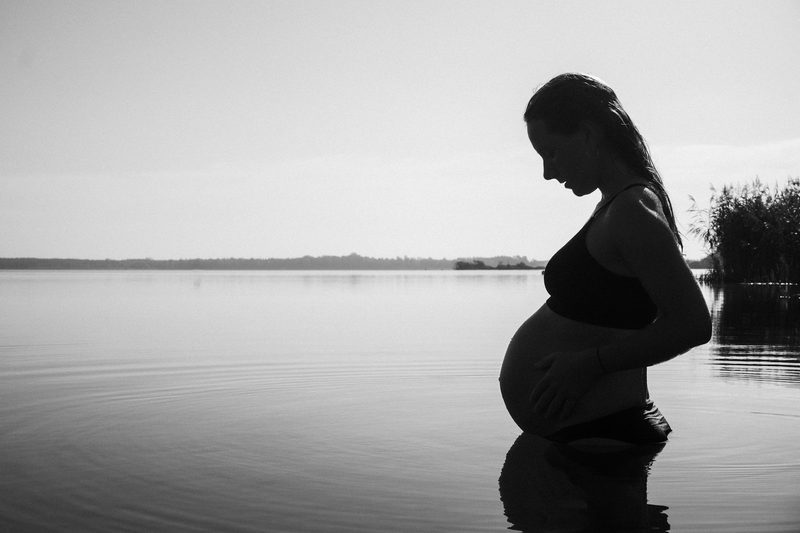
For the belly, look for a bottom or a one-piece panel that sits under and around the bump rather than across it. Some women love a light belly-support panel for the gentle lift it gives; others find any compression on the bump uncomfortable and prefer a soft foldover waistband. There is no universal answer — try both if you can, and trust the one that lets you forget you are wearing it.

Is It Safe to Swim While Pregnant?
Yes — for most pregnancies, swimming is one of the best things you can do. The American College of Obstetricians and Gynecologists recommends at least 150 minutes of moderate aerobic activity a week during pregnancy, and swimming is at the top of their list. The water takes the weight off your joints and lower back, and being weightless for half an hour is a genuine relief when you are carrying an extra 25 to 35 pounds.

The Mayo Clinic lists swimming and water aerobics among the safest options because the drowning-your-joints buoyancy also lowers the risk of overheating. A couple of common-sense limits: skip hot tubs and very hot pools that push your core temperature up, hold a rail on slick pool decks, and clear any new exercise with your own provider first. Beyond that, get in the water. Just check with your doctor if you have any pregnancy complications.
Maternity Swimwear by Trimester
You do not need a new suit every month, but knowing what changes helps you buy once and wear it through. In the first trimester, your regular swimwear usually still works — the bump is small, and a stretchy bikini or a forgiving one-piece will carry you fine. This is the moment to buy the maternity pieces you will grow into, before you actually need them.
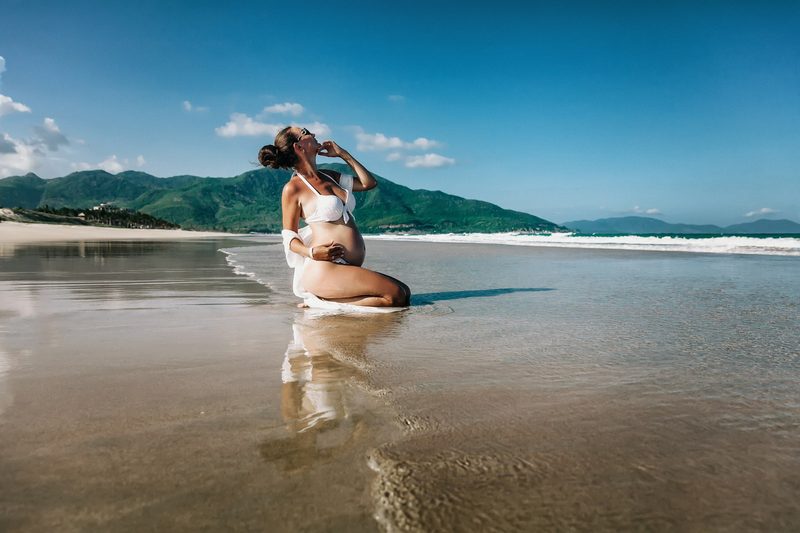
The second trimester is peak maternity-swim season for a reason — you have real energy back, the bump is photogenic, and this is when a ruched tankini or over-the-bump bikini starts genuinely earning its keep. By the third trimester, comfort trumps everything: prioritize the widest waistbands, the softest fabric, and the easiest on-off you can find. This is not the stage to fight with tricky ties in a changing room.
Caring for Your Maternity Swimsuit
Maternity swimwear takes a beating — more stretch means more strain on the fibers, and chlorine and sunscreen break down elastane faster than you would think. Rinse the suit in cool water the moment you are out of the pool, before the chlorine dries into the fabric. Hand-wash it, never wring it, and lay it flat to dry rather than hanging it, which stretches the straps out of shape. The same care rules that keep any good suit alive apply here — a quick read of a swimwear and sun-protection guide will also help you keep the color from fading over a long beach summer.

One suit, cared for well, will usually see you through the whole pregnancy and often into the early postpartum months, when your body is still shifting back and you want that same forgiving stretch. That makes a well-chosen maternity swimsuit one of the better-value buys of the whole nine months.
Your Body Belongs at the Beach
The best maternity swimwear is not the one that hides your bump — it is the one you forget you are wearing while you float on your back and let the water take the weight for a while. Buy for comfort first, size up on the bottoms, and give your changing bust the support it is asking for. Then go book the pool day. If you are still deciding between styles, start with a stretchy two-piece you can adjust as you grow, and build from there.
Sources
- American College of Obstetricians and Gynecologists — Exercise During Pregnancy — official guidance on safe activity levels, including swimming, while pregnant.
- Mayo Clinic — Pregnancy and Exercise — lists swimming and water aerobics among the safest pregnancy workouts.
- CDC — Physical Activity for Pregnant or Postpartum Women — weekly activity recommendations during and after pregnancy.