
Water Aerobics Swimwear: 7 Best Features
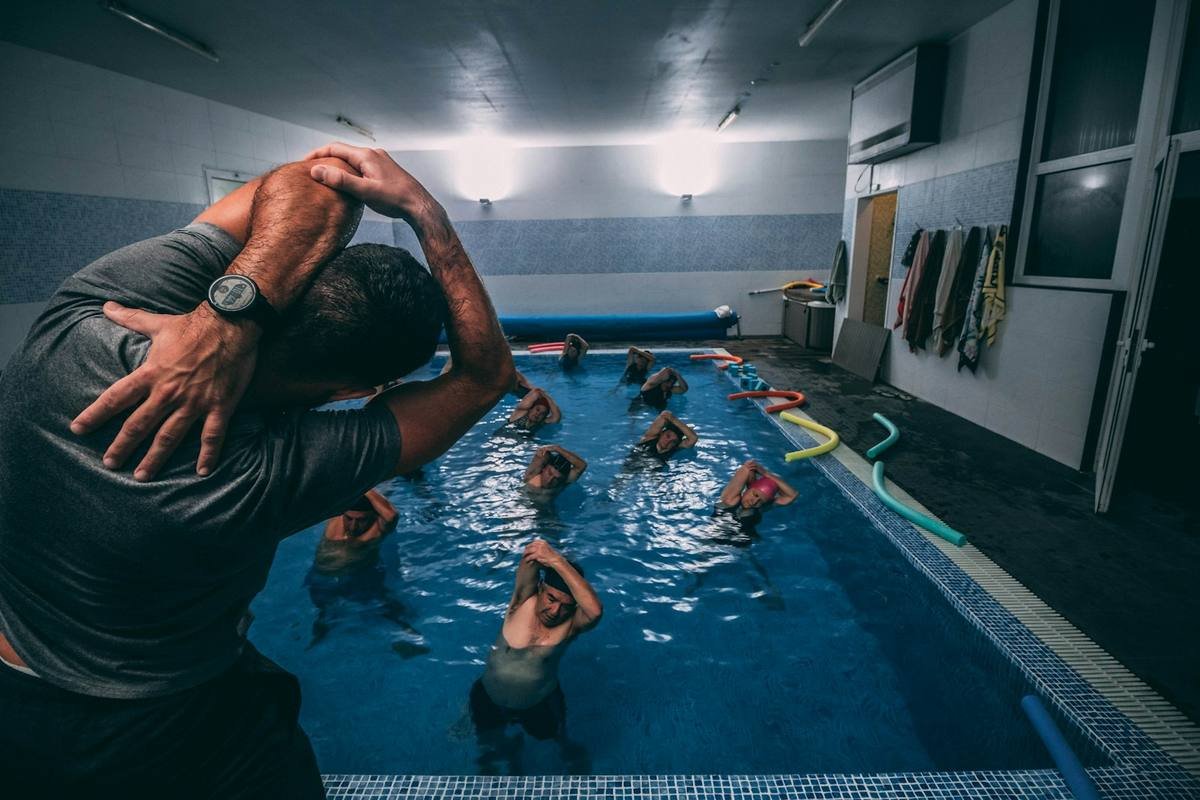
A typical water aerobics class runs 45 to 60 minutes and includes jumping jacks, high knees, and resistance work against a water dumbbell — movements that will pull a triangle bikini top sideways within the first ten minutes. Pool directors at community centers and gyms see the same wardrobe malfunction every session: someone retying a bikini bottom mid-class instead of finishing the set. The fix isn’t a special “aqua aerobics suit” marketed at a markup. It’s picking the right cut and fabric from what’s already on the rack, built around how your body actually moves against resistance in water.
Why Regular Swimwear Fails in a Water Aerobics Class
Lap-swimming and lounging swimwear are built for forward motion through still water. Water aerobics moves you sideways, backward, and against resistance — jumping jacks, cross-country skiing moves, water jogging with a kickboard — and most bikini tops and string bottoms aren’t engineered for that kind of lateral pull. A tie-side bottom that holds fine during laps will slide during a hip abduction set.
The other failure point is fabric. Public pool water carries heavier chlorine concentrations than a backyard pool because class sizes push bather load higher, and thin or low-grade spandex degrades faster under that load. A suit that looked fine in May can be see-through and baggy by August if it wasn’t built for frequent, sustained chlorine exposure rather than the occasional weekend swim.
7 Water Aerobics Swimwear Features That Actually Matter
Skip the marketing copy on “aqua fitness” suits and check for these seven things directly on the tag or product description. They determine whether a suit survives a season of classes or gets donated by June.
1. Wide, Adjustable Straps
Thin spaghetti straps dig into shoulders during overhead arm moves and slip during jumping jacks. Look for straps at least an inch wide — racerback, crisscross, or a halter with a secure clasp. Wider straps spread the pull across more skin, which matters more in a 45-minute class than it does lounging poolside.
2. A Full, High-Cut Seat
Cheeky or string bottoms ride up during squats, lunges, and water jogging — the exact moves that make up most water aerobics choreography. A full seat with moderate leg coverage stays put through the whole set and means you’re not adjusting fabric instead of finishing reps.

3. Chlorine-Resistant Fabric Blend
Standard swimwear nylon-spandex blends break down fast under repeated chlorine exposure. Polyester-based fabrics, or blends branded as chlorine-resistant (often labeled with terms like Xtra Life Lycra or similar polyester-elastane mixes), hold color and shape through two to three times more wash-and-wear cycles. If you’re in the pool two or three times a week, this is the single feature worth paying extra for.
4. A Higher Back and Neckline
A scoop or racerback that sits higher between the shoulder blades keeps the suit from gapping when you bend forward for water push-ups or a plank hold against the pool wall. It also means less skin exposed to direct sun if your class meets outdoors.
5. Built-In Support Without Underwire
Metal underwire can dig in during twisting movements and occasionally pokes through fabric after repeated wear. A suit with a shelf bra, built-in cups, or compression panel gives support without the hardware — important if your class includes any kind of torso rotation or water boxing moves.
6. A Fit You Can Move In, Not Just Stand In
Try the suit’s range of motion before buying, not just how it looks in a mirror. Raise both arms overhead, do a squat, and twist at the waist. If the fabric pulls, binds, or creeps during any of those three moves in a dry fitting room, it will fail faster and more obviously once wet.
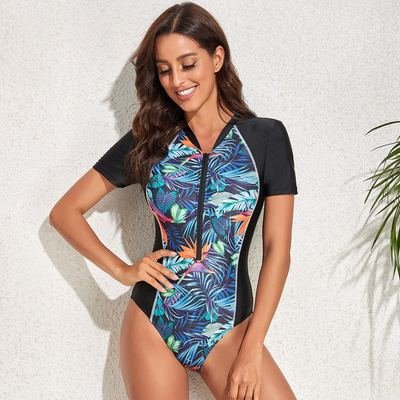
7. The Right Base Layer: One-Piece, Tankini, or Swim Leggings
One-pieces offer the most security for high-intensity classes with jumping and resistance work. Tankinis give you the coverage of a one-piece with the convenience of changing top and bottom separately as your body changes. Swim leggings paired with a fitted tank add thigh coverage and sun protection, and they’ve become the fastest-growing category among women returning to water aerobics after time off — the leg coverage reduces chafing against pool noodles and resistance equipment.
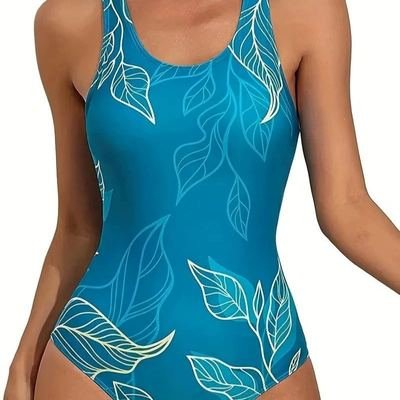
One-Piece vs. Tankini vs. Swim Leggings: Which Wins for Water Aerobics?
There’s no single right answer — it depends on class intensity and what you need afterward. A one-piece wins for high-impact classes with jumping, kickboard resistance work, and partner drills, since there’s no waistband gap to manage mid-move. A tankini wins for anyone who wants bathroom convenience without sacrificing torso coverage, and it’s the easiest to size separately if your top and bottom fit differently. Swim leggings paired with a rash guard or fitted tank win for sun-sensitive skin, postpartum bodies still adjusting to swimwear, or anyone doing a class outdoors where UV exposure during a 45-minute session adds up fast.
Most instructors who teach five or six classes a week own two of the three: a one-piece for the intense interval classes and a tankini or legging set for the gentler arthritis-focused or prenatal sessions. Buying across categories, rather than committing to one, is the more realistic long-term approach once you know your weekly class mix.
Why Water Aerobics Swimwear Matters More as the Class Gets More Popular
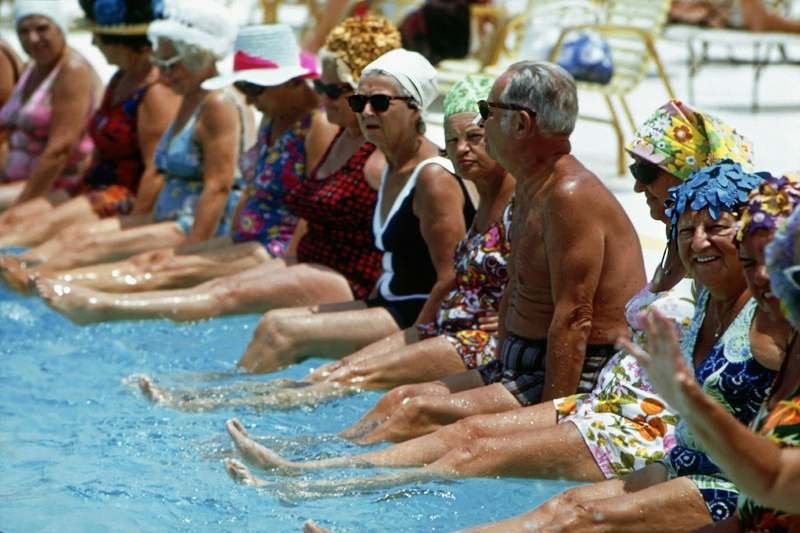
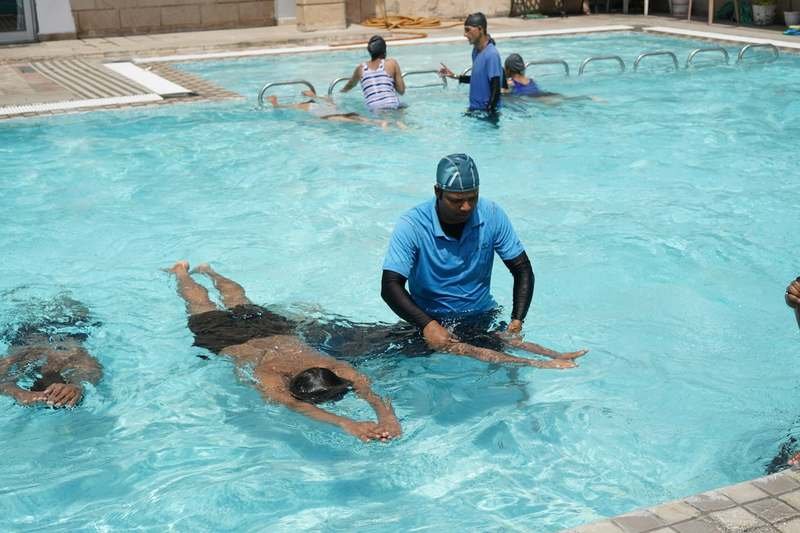
Water aerobics isn’t a niche senior activity anymore — community pools report their aqua classes filling up faster than land-based ones, driven partly by people managing arthritis and partly by runners and lifters using the pool for low-impact cross-training between heavier sessions. The CDC notes that water-based exercise lets people move longer without the joint or muscle pain that land exercise can cause, which is especially useful for people managing arthritis and osteoarthritis. That’s the whole appeal of the format: you get real resistance training without the joint load of a gym floor.
The swimwear question matters more as class sizes grow because a suit failure in a crowded pool is a bigger deal than one in an empty lane. Nobody wants to be the person readjusting a bikini top in a class of twenty during a water-jogging interval. Getting the suit right once removes that entire category of distraction.
Caring for Water Aerobics Swimwear So It Lasts the Season
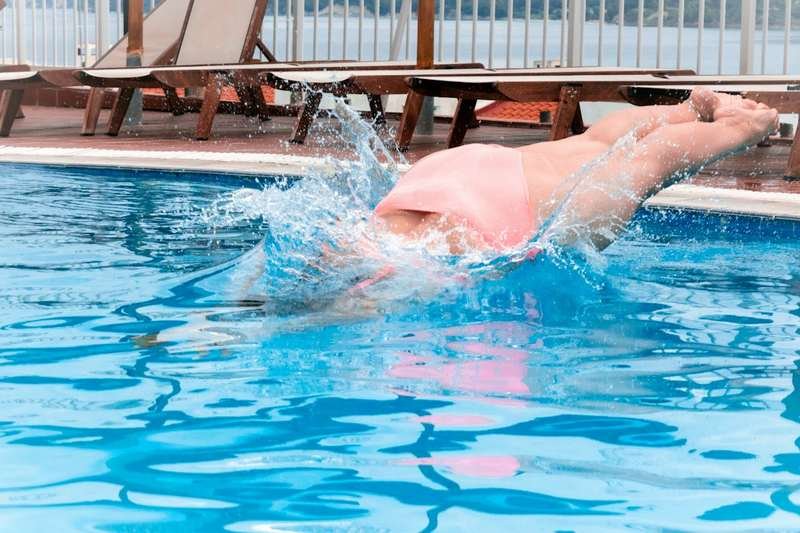
Rinse the suit in cold fresh water immediately after class — chlorine keeps breaking down fabric fibers as long as it sits wet against them, even after you’re out of the pool. Hand wash with a mild, chlorine-neutralizing swimwear detergent rather than regular laundry soap, and never put it in the dryer; heat is what kills elastane fastest. Rotating between two suits, rather than wearing the same one three times a week, roughly doubles the useful life of both, since each one gets a full day to dry out and recover its shape between wears. If you want the fuller post-swim skin routine, our chlorine skin care guide covers what to do beyond the suit itself.

Watch: A Real Water Aerobics Class in Action
Seeing the actual range of motion — the jumping jacks, the resistance kicks, the arm sweeps — makes it obvious why straps and seat coverage matter so much more here than in a regular swimsuit.

Frequently Asked Questions About Water Aerobics Swimwear
Can I wear a regular bikini to water aerobics? You can, but expect to readjust it repeatedly. Triangle tops and tie-side bottoms shift during resistance moves in a way they don’t during lap swimming or lounging, so most instructors recommend a one-piece, tankini, or athletic two-piece with a full seat instead.
Do I need special “aqua fitness” branded swimwear? No. Any well-built athletic one-piece, tankini, or swim-legging set with chlorine-resistant fabric works — the “aqua fitness” label usually just means the brand markets specifically to that buyer, not that the construction is meaningfully different from a well-made swim-team suit.
How often should I replace water aerobics swimwear? Expect six months to a year of twice-weekly use from a chlorine-resistant blend before you see fading, stretch, or thinning at the seat and straps. Rotating two suits extends that window noticeably.
Are swim leggings allowed in water aerobics classes? Yes — most pools allow swim leggings or swim capris as long as they’re made from swimwear fabric, not cotton or athletic leggings, which get heavy and don’t drain. Our swim leggings guide covers fit and fabric details.
What should I avoid wearing to water aerobics? Skip loose boardshorts (they fill with water and drag), string bikinis (they shift and untie), and anything with heavy embellishment or metal hardware that can scratch pool surfaces or snag on lane ropes.
Buy Swimwear That Can Actually Keep Up
The right water aerobics swimwear isn’t about looking like you’re headed to a resort — it’s about forgetting what you’re wearing the second class starts. Get the strap width, seat coverage, and fabric right once, and the only thing left to focus on is the workout. If you’re building out a full rotation, pair your water aerobics suit with the right swim cap and check our athletic swimwear guide for cross-training between pool days.
Sources
- CDC — Swimming and Your Health — joint and arthritis benefits of water-based exercise
- Arthritis Foundation — Benefits of Aquatic Exercise for Arthritis — joint-friendly exercise research
Shop our full range of bikinis and swimwear at the BikiniCool store →