Freediving Swimwear: 7 Best Picks
A duck dive sends your legs straight up and your head straight down, and that single motion is where most freediving swimwear fails. Bikini bottoms with side ties loosen on the kick. Triangle tops shift when you invert. A $200 freediving course teaches breath-hold technique and equalization, but almost nobody mentions that the suit underneath your weight belt needs to survive being turned upside down fifteen times in an hour. Freediving clubs in Hawaii and the Philippines report the same complaint from new students every season: a suit that looked fine standing on a boat comes apart the moment someone goes vertical.
What to Wear for Freediving Swimwear
Freediving swimwear needs to do three things a regular bikini was never built for: stay in place through an inverted duck dive, sit comfortably under a weight belt without digging in, and survive repeated exposure to salt water and sun without degrading. A full wetsuit handles temperature, but it doesn’t solve fit — what you wear underneath (or instead of it in warm water) is the actual swimwear decision. That’s a one-piece or a secured two-piece in a tight, four-way-stretch fabric, with no external rings, buckles, or long ties that can catch on a lanyard or a weight belt clip.
Freedivers training in Kona, Dahab, and the Red Sea’s warm shallows frequently skip the wetsuit entirely and dive in just a swimsuit, since anything above roughly 27°C doesn’t need thermal protection for dives under two minutes. That makes the swimsuit itself — not the wetsuit — the primary piece of gear for a huge share of recreational and competitive freediving.
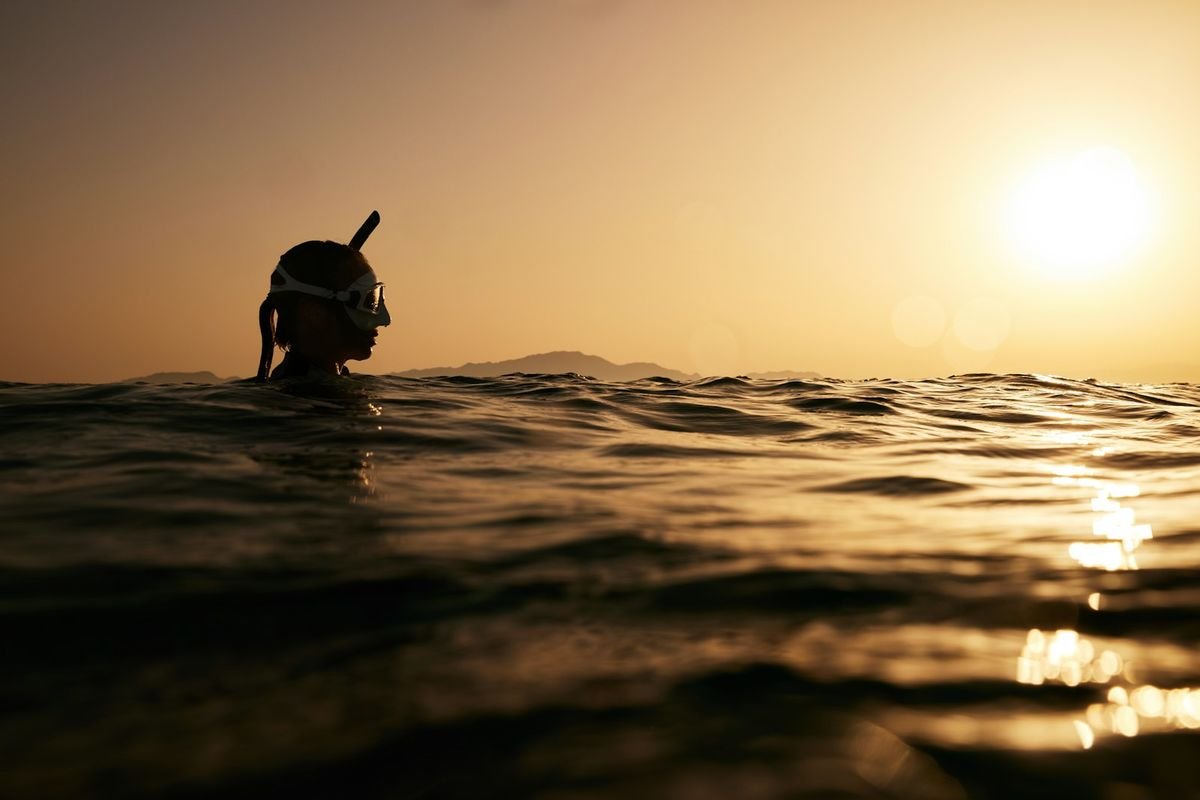
It’s worth separating freediving from its two closest cousins, because the gear advice genuinely differs. Our snorkeling swimwear guide covers sun coverage for hours spent floating face-down near the surface, and our scuba diving swimwear guide covers what to layer under a tank-and-BCD setup. Freediving sits between the two: no tank, no long surface float, but repeated vertical inversions and depth changes that neither of those activities puts a suit through.
Why a Beach Bikini Falls Apart on the First Duck Dive
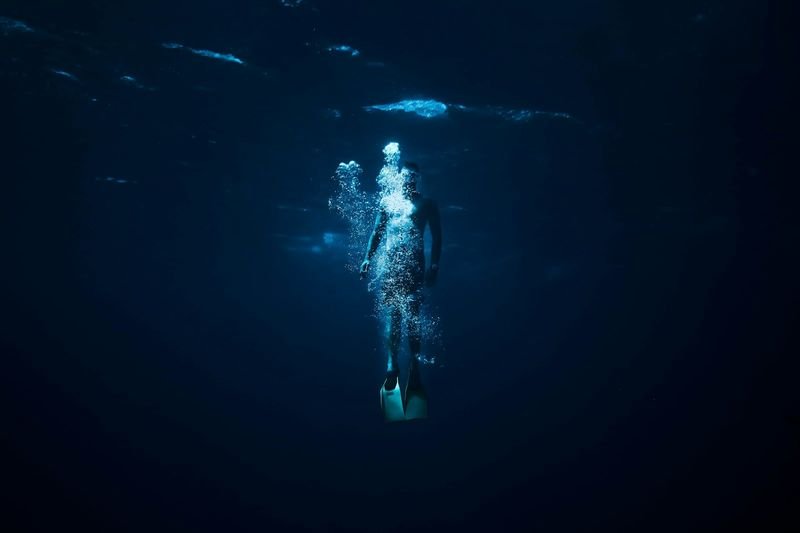
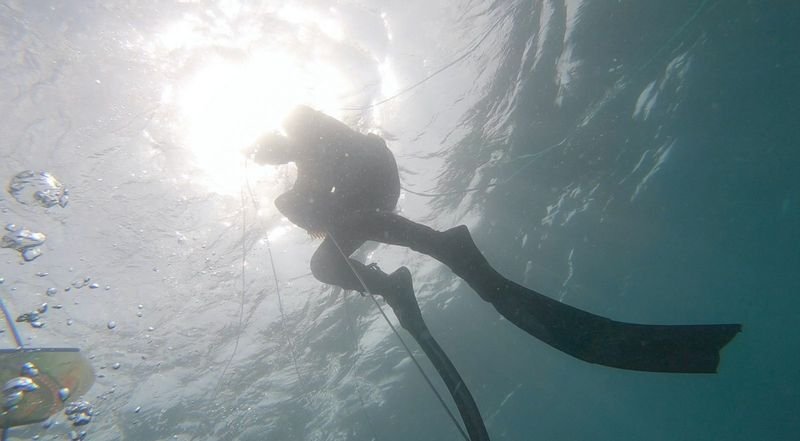
Picture the motion: you bend at the waist, kick your legs vertically into the air, and let gravity pull you down headfirst. Every ounce of fabric on your body experiences the opposite force it was designed for. Side-tie bottoms, already the weakest point in any bikini, take the full brunt of that inversion, and a string that was snug standing on the shore goes slack the second your hips are above your head instead of below it.
It isn’t only modesty. A bottom that shifts mid-dive means a hand off your nose clip or fins to fix it, which costs you the one resource freediving runs on: breath-hold time. Divers who’ve logged real depth time consistently land on the same fix — full-seat, high-leg one-pieces or bikini bottoms with a solid waistband and no exposed side ties, paired with a top that clips or ties behind the neck and back rather than at the sides.
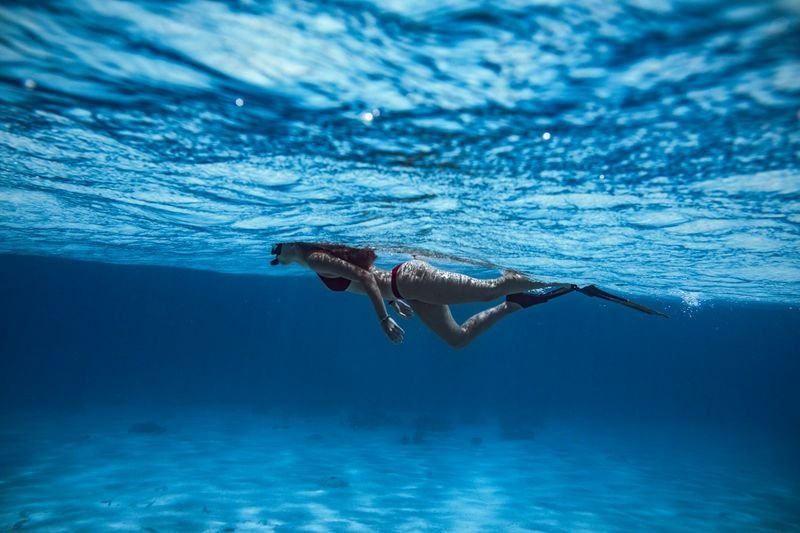
There’s a second, quieter reason tie-side bottoms fail at depth: pressure. Water pressure increases by one atmosphere every 10 meters, and fabric compresses along with everything else your body is adjusting to. A snug fit on the surface can feel loose by 15 meters simply because the suit has been squeezed thinner against your skin. A suit that’s already snug on land is the one that still fits once you’re thirty feet down.
The One-Piece Is the Default for a Reason
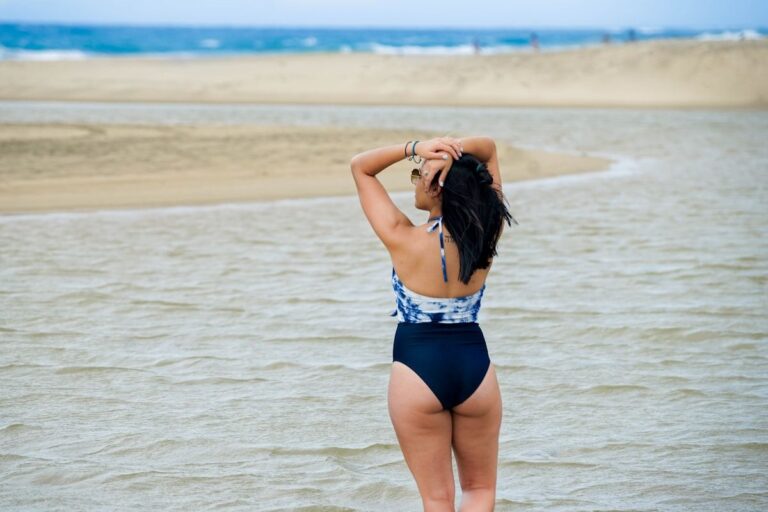
A one-piece swimsuit with a high-cut leg and a scoop or racerback top solves the duck-dive problem almost completely, because there’s no separate top and bottom to shift independently. The leg opening sits above the hip bone, clearing the weight belt by an inch or more, and a racerback eliminates the shoulder-strap slipping that happens the moment you reach overhead to clear your mask.
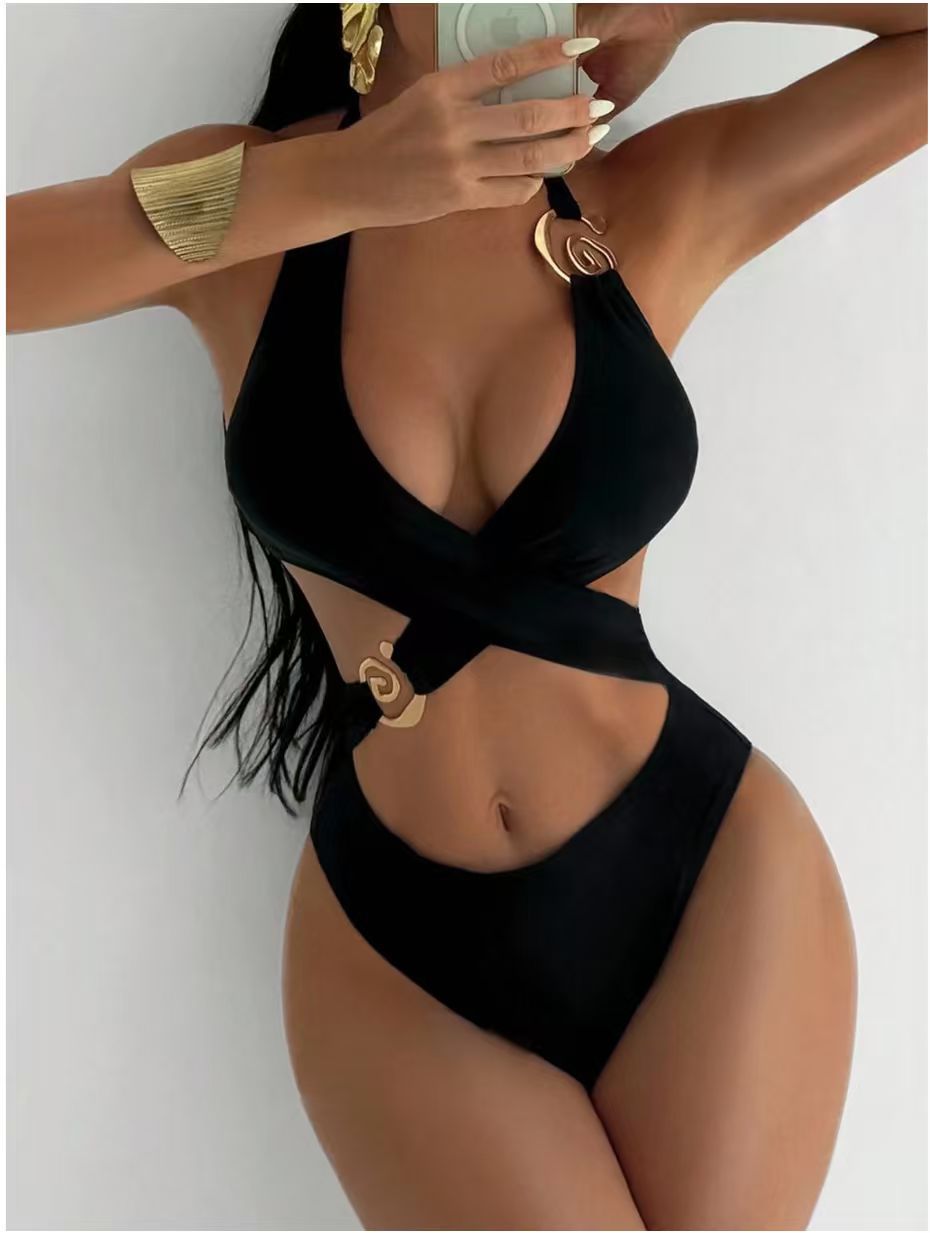
Lace and cut-out details are fine as long as the structural panels — the parts actually holding the suit in place — are solid fabric, not mesh or lace-up ties. A lace one-piece with a high-waist cut and secure neckline gives you the decorative detail without sacrificing the fit that survives an inverted dive.
Do You Actually Need a Wetsuit, or Just a Swimsuit?
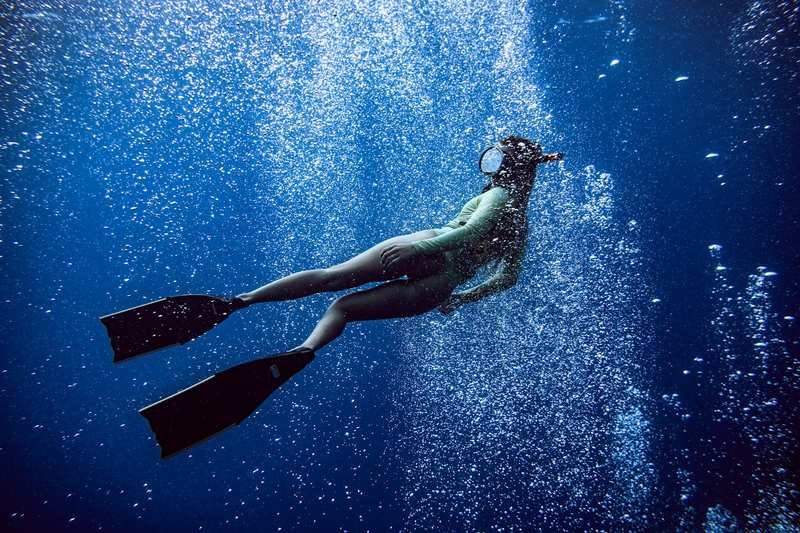
Water temperature decides this, not personal preference. Human bodies lose heat roughly 25 times faster in water than in air at the same temperature, which is why a two-minute static dive in 26°C water feels fine in just a swimsuit, while the same two minutes at 20°C leaves you shivering on the surface. As a rough guide: above 27°C, skip the wetsuit. Between 22-27°C, a 1.5-3mm top or shorty works. Below 20°C, you need a proper 3-5mm two-piece freediving wetsuit, open-cell for the best seal.
Spearos and competitive freedivers training year-round in places like Northern California or the Mediterranean shoulder season almost always wear a thin wetsuit for the camouflage and abrasion resistance as much as the warmth — but underneath it, the same swimsuit rules apply. Nothing with external hardware, nothing loose enough to bunch under neoprene.
Weight Belts and Pressure Points
A rubber weight belt sits directly on top of whatever you’re wearing, cinched tight enough to stay put as your body compresses at depth. Anything with a thick waistband, a bulky bow, or a metal ring at hip level turns into a pressure point within the first few dives. The fix is a high-waist suit with a flat, low-profile waistband that the belt can sit over cleanly, rather than fighting it for the same real estate.
This is also where a lot of plus-size and curve divers get bad advice aimed at scuba, not freediving. Scuba divers wear a BCD that distributes weight across the torso; freedivers wear a belt that sits on the hips alone for the entire dive. A high-waisted one-piece with a flat front panel handles that load far better than a low-rise bikini bottom ever will.
Static Apnea Pool Training Needs Different Gear Than Open Water
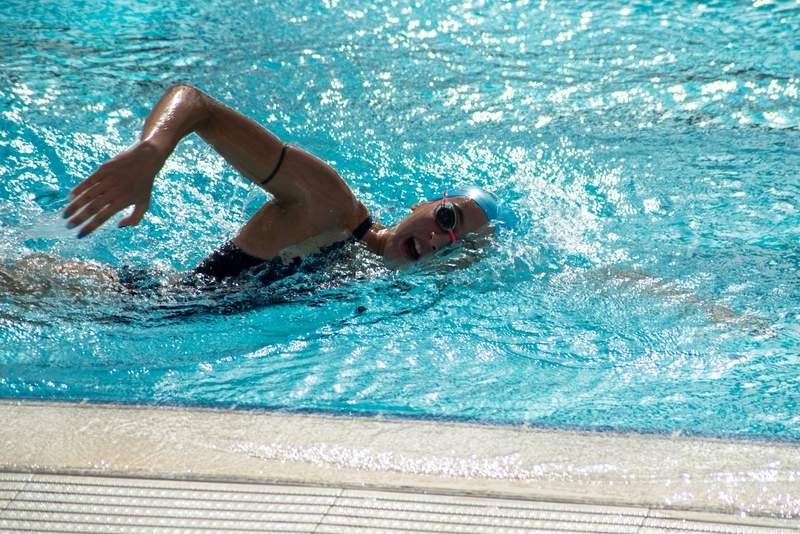
Most freedivers start in a pool doing static apnea — holding a breath face-down in shallow water, no fins, no belt, no current. That setting is far more forgiving than open water, which is exactly why a lot of divers buy the wrong first suit. A basic, snug one-piece or training swimsuit is genuinely all you need for pool sessions, and saving the technical freediving-specific suit for ocean dives makes financial sense for anyone just starting out.
Chlorine breaks down spandex roughly twice as fast as salt water does, so whatever suit becomes your dedicated pool piece should be treated as disposable within a season or two. Keep your better one-piece or wetsuit-compatible swimsuit for ocean trips, where it’ll last years instead of months.
Pool static apnea also tends to involve a low-volume mask and sometimes clear goggles for shallower comfort sessions, rather than the full silicone mask used in open water — if you’re building a pool kit from scratch, our swim goggles guide covers the fit differences that matter for extended face-down holds.
Spearfishing Changes the Calculus Again
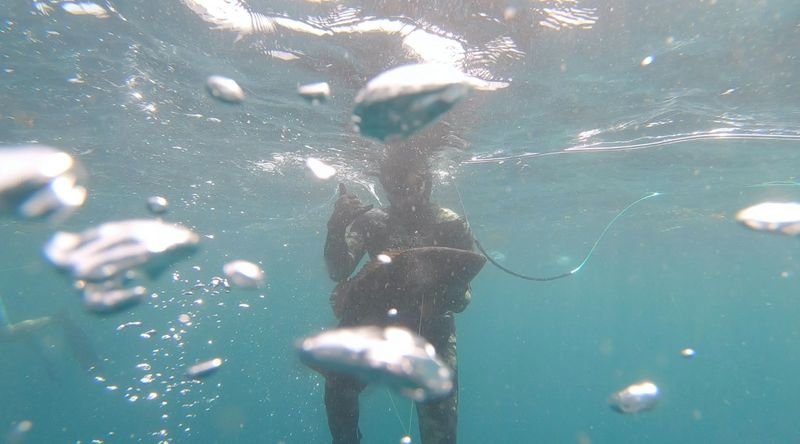
Spearfishing is freediving with a loaded gun strapped to your wrist, and the swimwear considerations shift accordingly. Camouflage or neutral tones matter for getting close to fish before they spook, which is why most serious spearos wear a full camo wetsuit rather than a bright swimsuit alone, even in water warm enough to skip thermal protection. Underneath that wetsuit, the same rules hold: no ties, no rings, nothing that can snag a speargun’s shooting line or a stringer clip.
If you’re freediving recreationally rather than hunting, skip the camo — it serves no purpose for a diver who isn’t trying to get within spear range of a fish, and a bright suit is a genuine safety advantage for boat crews tracking you from the surface.
Spearfishing also adds gear that snags: a speargun, a stringer for your catch, sometimes a float line trailing behind you. Every one of those is a hazard for loose fabric, which is another argument for a tight, high-cut leopard or solid-print one-piece rather than anything with trailing straps. A backless leopard-print one-piece gives spearos a snag-free, muted pattern that still reads as swimwear rather than gear once you’re back on the boat.

Rash Guards and Sun Protection for Surface Intervals
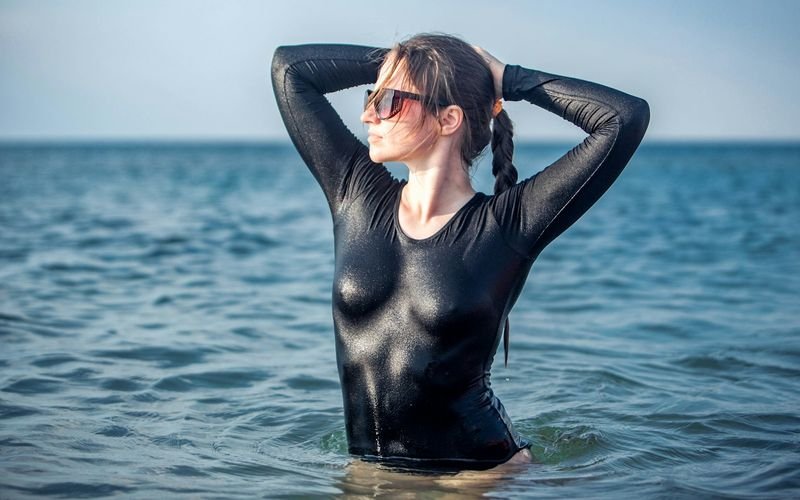
Freediving sessions involve long surface intervals between dives — resting, breathing up, watching your buddy’s bubbles — and that’s floating time spent face-up or face-down under direct sun with zero shade for an hour or more. A long-sleeve rash guard layered over your swimsuit covers the shoulders and upper back, the two spots divers consistently miss with sunscreen because they can’t reach them mid-session.
Unlike a wetsuit top, a rash guard adds no buoyancy and no bulk, so it doesn’t interfere with equalization or your streamlined profile on the way down. It’s the one piece of gear in this list that costs almost nothing and solves a problem — reef-grade sunburn on a multi-day trip — that otherwise cuts a dive trip short.
7 Best Swimwear Picks for Freediving
Pulling the fit, temperature, and gear-compatibility rules together, here’s what actually works across most freediving conditions:
- High-leg, high-waist one-piece — the default choice; clears the weight belt and survives duck dives without shifting.
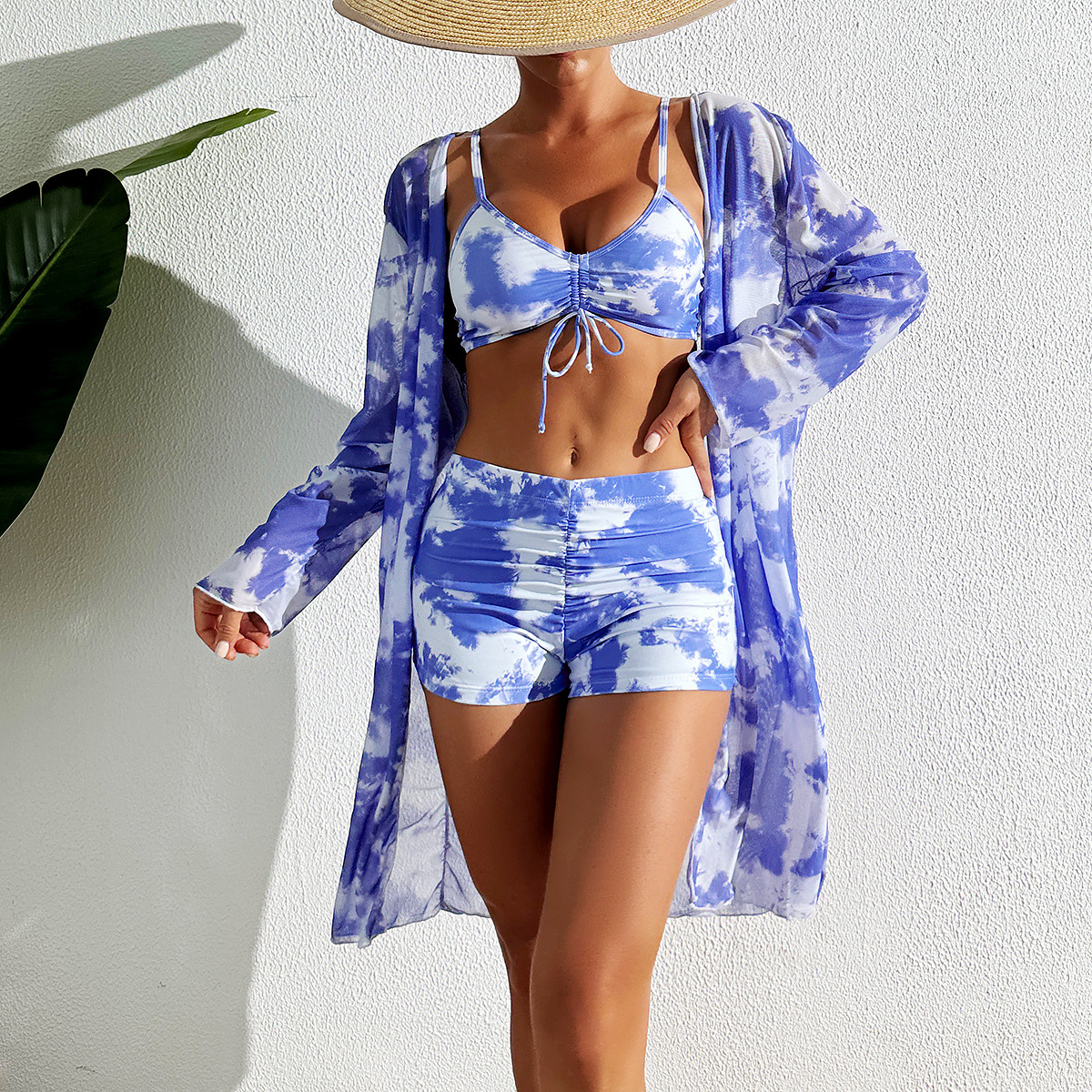
- Racerback or halter-tie top over a secure bottom if you prefer a two-piece — avoids the shoulder-slip problem of thin straps.
- Thin 1.5-3mm wetsuit top worn over your swimsuit for 22-27°C water, keeping the suit as your base layer.
- Full open-cell wetsuit for anything below 20°C, with the same no-hardware swimsuit underneath.
- Long-sleeve rash guard for surface intervals and reef-safe sun coverage between dives.
- Disposable training suit kept separate for chlorinated pool static-apnea sessions.
- Camo wetsuit or muted-tone suit specifically for spearfishing, not recreational diving.
Sources
- Freediving Base — Freediving Wetsuit Guide: Fit, Type, and Thickness — thermal thresholds and open-cell vs closed-cell construction.
- DIVE SSI — Everything You Need to Know Before Buying a Freediving Wetsuit — temperature-to-thickness guidance for freediving exposure protection.
- Kona Freedivers — Beginner’s Guide to Freediving Gear — core gear list and training vs. open-water equipment differences.