
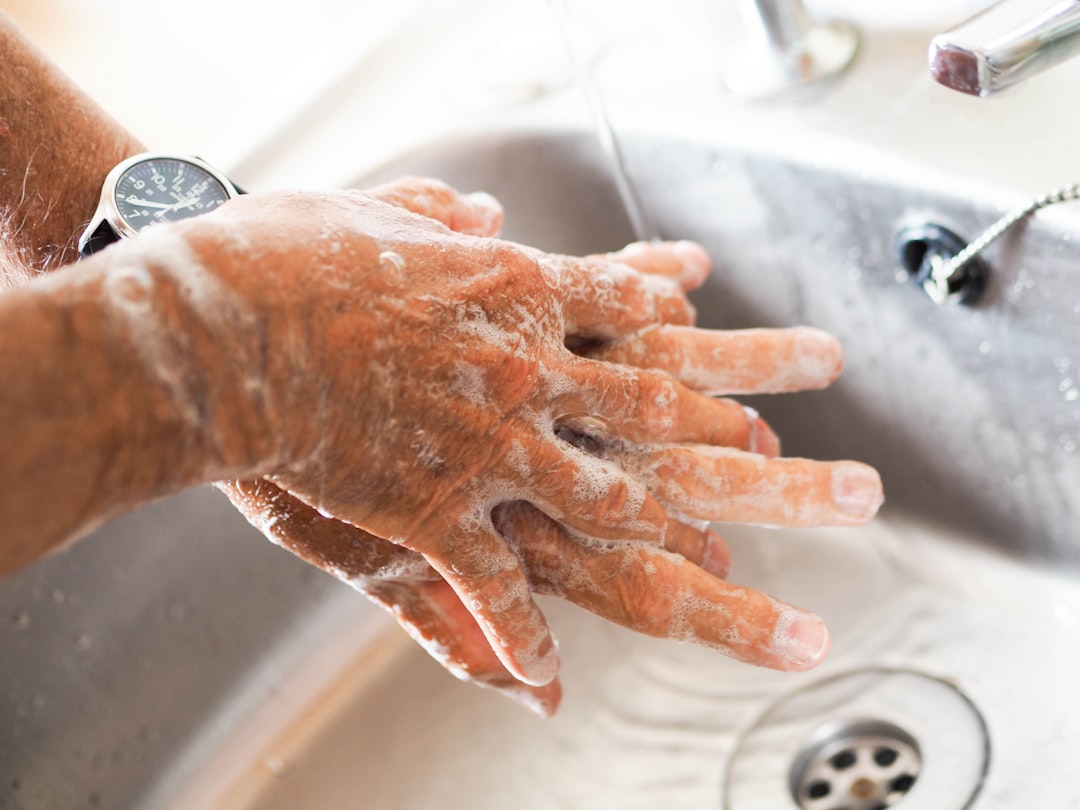
Bikini Laundry Routine: 7 Gentle Steps to Lasting Swimwear
Your favorite bikini just survived another summer of saltwater, sunscreen, and beach chairs — but is it about to die in your washing machine? Most swimwear damage isn’t caused by the pool or the sand. It happens after you get home. The good news: proper bikini washing is genuinely simple once you know the rhythm. This guide walks you through a step-by-step hand washing routine that protects color, shape, and stretch, so your swimwear stays looking like the day you bought it.
Why Proper Bikini Washing Matters
Bikinis are engineered from delicate stretch fabrics — usually a blend of nylon, polyester, and elastane (also known as spandex or Lycra). Those elastic fibers are what give your suit its hug and bounce-back. They’re also incredibly fragile.
Hot water, harsh detergents, chlorine residue, fabric softener, and the rough tumble of a dryer all degrade elastane fast. Within 30 to 60 wears, a poorly cared-for bikini will lose elasticity, sag at the cups, fade unevenly, or develop tiny pills along the seams. A well-cared-for bikini can last two to three swimming seasons without losing its shape — sometimes longer.
Beyond longevity, there’s the body-positive case: when your swimwear holds its fit, it keeps doing what you bought it to do. You don’t have to wonder if the cups still support, the bottoms still stay put, or the color still pops. That confidence-saving fit is worth ten minutes of gentle laundering.

What You Need Before You Start
You don’t need fancy equipment — most of this is already in your bathroom. Gather these supplies and keep them together for a streamlined routine:
- A clean basin, sink, or large bowl that holds a few liters of water
- Cool or lukewarm water — never hot
- A gentle pH-neutral detergent (more on this below)
- A clean, dry, light-colored towel
- A flat drying surface or a mesh-bottom drying rack
- Optional: a mesh laundry bag if you ever toss bikinis into a machine
Skip anything labeled “bleach,” “color-safe bleach,” “oxygen bleach,” or “fabric softener.” Those products chemically destroy elastane and strip protective finishes off the fabric.
The Step-by-Step Hand Washing Method
This is the seven-step routine. Once you’ve done it twice, it takes about ten minutes from start to dry.
Step 1: Rinse Immediately After Wearing
The biggest single thing you can do for a bikini is rinse it in cool tap water as soon as you take it off. Don’t wait until “laundry day.” Saltwater, chlorine, sunscreen, and body oils start eating away at the fibers within minutes of contact. A 60-second rinse under the showerhead removes most of the damage before it can set in.
If you wore your bikini in a chlorinated pool, give it an extra rinse — chlorine bleaches color and breaks down elastane faster than almost anything else.
Step 2: Prepare Your Wash Basin
Fill a clean basin with cool or lukewarm water (around 30°C / 86°F). Hot water is one of the top three bikini killers, alongside chlorine and the dryer. It loosens dye, weakens elastane, and warps molded cups.
Add a small amount of gentle detergent — about a teaspoon for a basin’s worth of water. Look for “delicate,” “wool wash,” or specialty swimwear detergents. Avoid anything with brighteners, enzymes, or fabric conditioners.
Step 3: Submerge and Soak
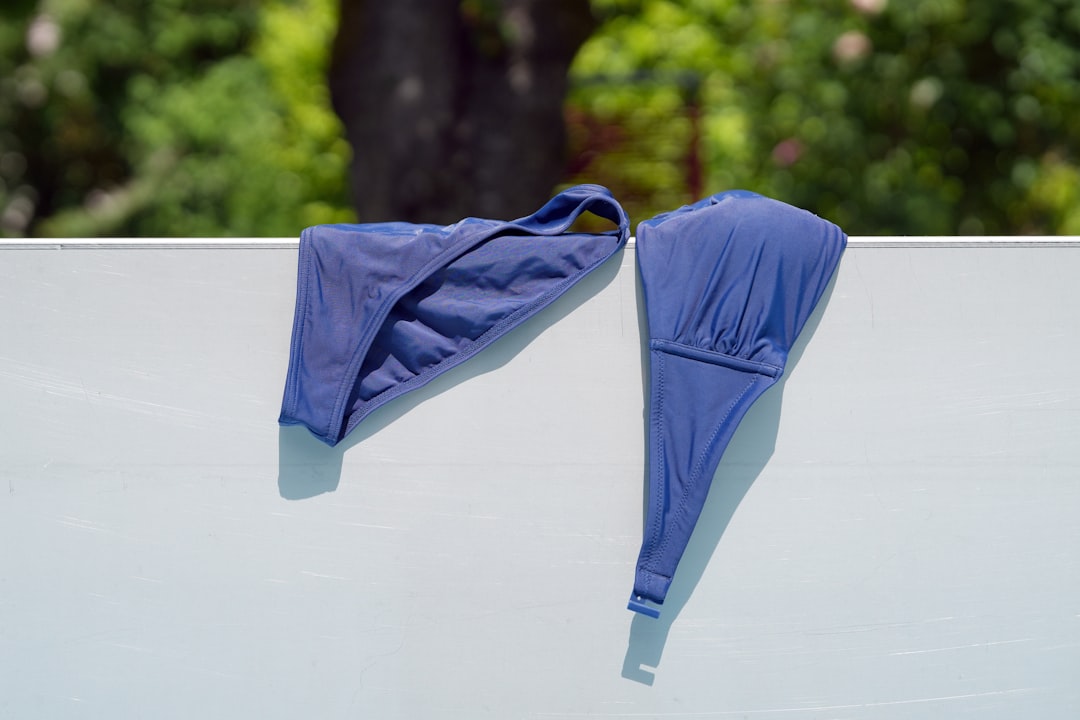
Place your bikini fully into the soapy water and gently press it under the surface until it’s saturated. Let it soak for 10 to 15 minutes. This is the part where the detergent does its job — gently lifting sunscreen, oils, salt, and sweat from the fibers without any scrubbing required.
Wash light and dark suits separately. New deeply colored bikinis (especially reds, navies, and blacks) can bleed dye in their first few washes.
Step 4: Gentle Agitation, No Scrubbing
After soaking, swish the bikini through the water with your hand for 30 to 60 seconds. Focus on the lining of the bottoms and the inside of the cups, where body oils and sweat accumulate most.
Do not scrub, twist, or wring. Do not use a brush. The fibers are stretched at a microscopic level even when the suit is sitting still — any extra mechanical stress can pop them.
Step 5: Triple Rinse
Drain the soapy water and refill the basin with clean cool water. Press the bikini through it gently, drain, and repeat. Most people stop after one rinse, but soap residue left in the fabric attracts new dirt and stiffens elastic fibers over time.
You’ll know you’ve rinsed enough when the water runs completely clear and the fabric feels squeaky-clean rather than slick.
Step 6: Press, Don’t Wring
Lay the bikini flat on a clean dry towel. Roll the towel up like a sleeping bag, pressing gently to absorb water. Unroll, move the bikini to a dry section of the towel, and repeat once more.
Wringing or twisting a wet bikini permanently stretches and warps the fabric, especially around the cups and elastic edges. The towel-press method removes most of the moisture without distorting anything.
Step 7: Lay Flat to Dry
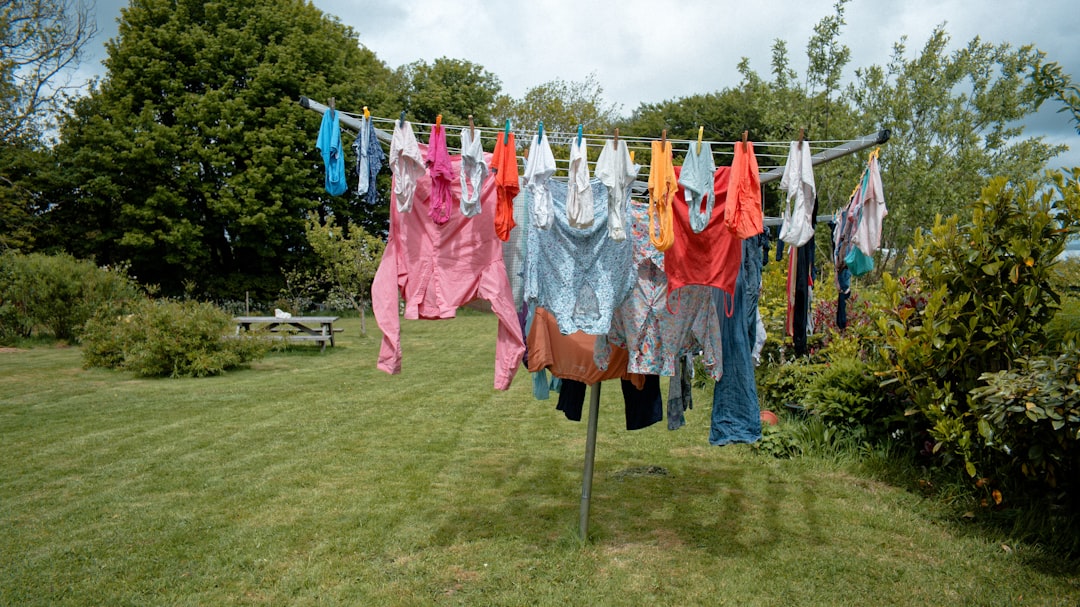
Lay the bikini flat on a clean dry towel or a mesh-bottom drying rack, somewhere shaded and well-ventilated. Reshape the cups, smooth the elastic bands, and arrange the ties neatly.
Avoid direct sunlight — UV rays fade colors aggressively, especially on the first few wears. Avoid hanging bikinis on plastic hangers while wet, since gravity drags the suit out of shape. And absolutely never use a tumble dryer; the heat and tumbling motion are catastrophic for elastane.
A bikini usually dries in two to four hours laid flat.
Shop Mesh Laundry Bags on Amazon →
When (and How) to Use the Washing Machine
Hand washing is the gold standard, but life happens. If you’re traveling, sharing a household washer, or just don’t have ten minutes today, you can machine-wash a bikini safely with these guardrails:
- Place it inside a zippered mesh laundry bag to protect it from snags
- Use the “delicate,” “hand wash,” or “gentle” cycle
- Set the water temperature to cold (under 30°C / 86°F)
- Use a small amount of mild liquid detergent
- Skip the spin cycle if your machine lets you, or set it to the lowest speed
- Never include a bikini with jeans, towels, zippered items, or hook-and-eye bras — abrasion ruins delicate fabrics
After the cycle ends, finish with the towel-press and flat-dry steps from above. Never put a bikini in the dryer, even on “low” or “air dry” cycles.
Common Mistakes That Quietly Wreck Swimwear
Even people who wash bikinis carefully often make one or two of these errors. Skip these and your suits will outlast everyone else’s:
- Leaving a wet bikini balled up in a beach bag. Damp swimwear breeds mildew within hours, and the fabric stretches unevenly while it dries crumpled.
- Sitting on rough surfaces in your bottoms. Concrete pool decks, wooden boat seats, and unfinished beach chairs pill the rear panel within a few wears. A sarong or towel under you protects the fabric.
- Applying sunscreen and lotions right before putting the suit on. Let products fully absorb for at least 5–10 minutes; oil-based formulas stain swimwear permanently.
- Using fabric softener. It coats the elastane and causes it to fail twice as fast.
- Storing damp. A bikini that goes into a drawer even slightly wet will smell musty, mildew, and lose color the next time you pull it out.
- Wearing the same suit two days in a row without rest. Elastane needs 24 hours to recover its shape between wears.
Storage Tips Between Washes
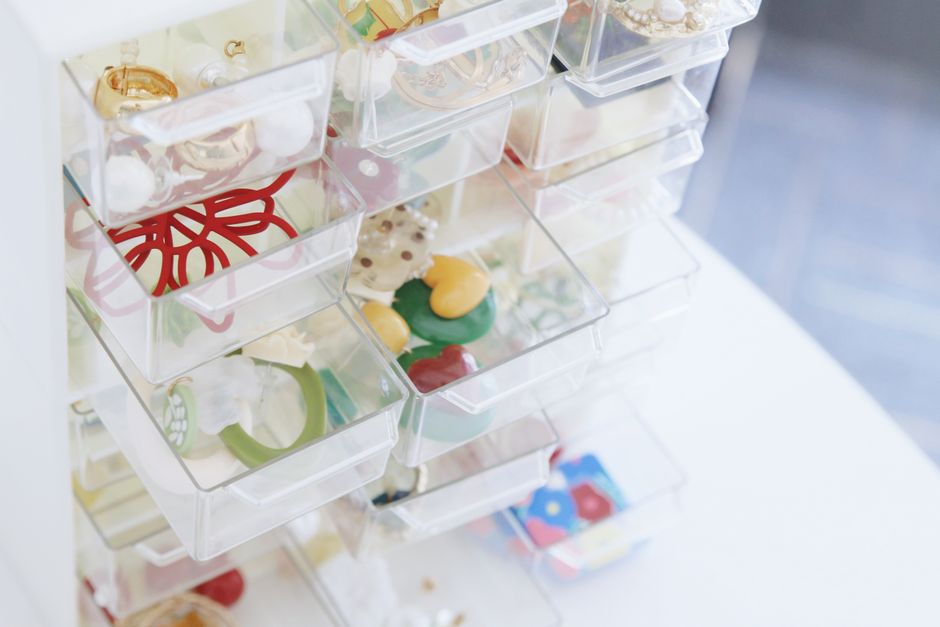
How you store a clean dry bikini matters almost as much as how you wash it.
- Fold (don’t hang) bikinis to avoid stretching the straps. Lay them flat in a drawer or dedicated swimwear pouch.
- Keep them away from direct sunlight and damp humid corners.
- Reshape molded cups before storing — squashed cups develop permanent creases.
- If you travel often, roll bikinis instead of folding to prevent sharp crease lines.
- Rotate through your collection so no single suit gets all the wear.
How to Tell When It’s Time to Replace a Bikini
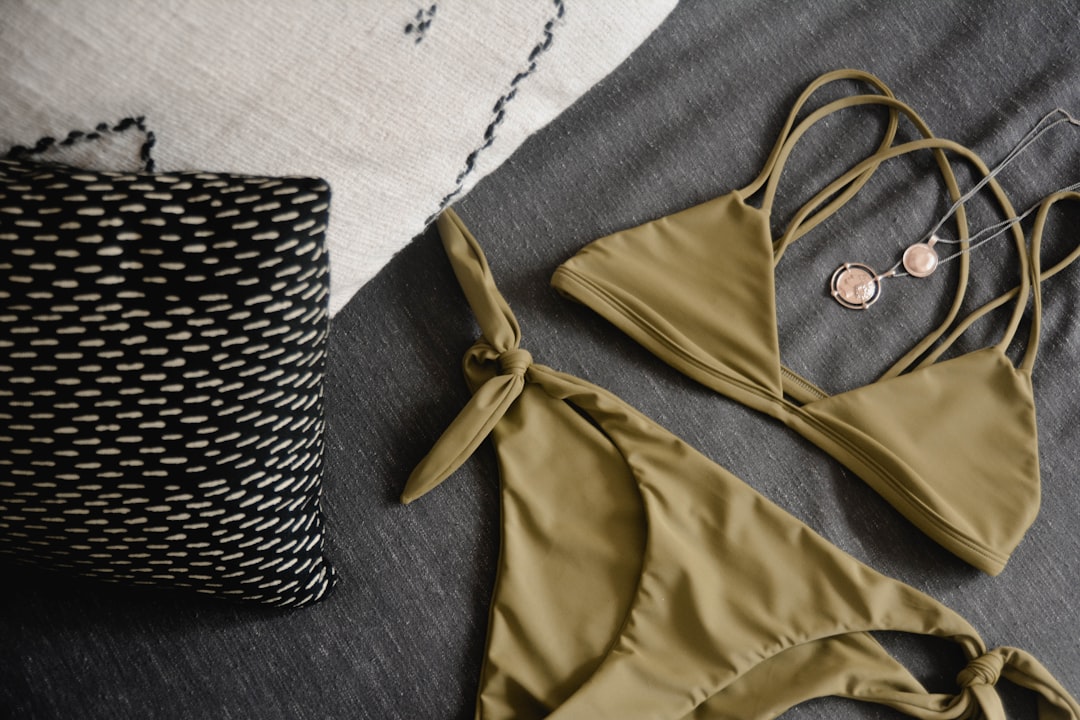
Even with perfect care, swimwear has a lifespan. Watch for these signals that a beloved suit is past its prime:
- Elastic edges no longer snap back when pulled
- Visible thinning, transparency, or fraying at high-friction spots
- The cups have lost their shape and no longer support you
- Color has faded noticeably in patches
- The suit slips, sags, or twists during normal movement
When that day comes, retire the suit graciously and replace it. A bikini that doesn’t fit you anymore can’t make you feel good in it, no matter how attached you are. Body-positive style means dressing the body you have today in pieces that actually do their job for you.
A Quick Note on Body Positivity and Bikini Care
Caring for your swimwear is also a small daily reminder that your wardrobe deserves to be respected — and so do you. The same kindness you bring to washing a delicate bikini is the kindness you can extend to the body wearing it. Every shape looks good in swimwear that fits and feels comfortable. Make the laundry routine simple, make the storage gentle, and let the suit do the rest of the work.
Sources
- Wikipedia — Spandex (elastane) fabric properties: en.wikipedia.org/wiki/Spandex
- Good Housekeeping — laundry and fabric care guides: goodhousekeeping.com
- The Spruce — swimwear and delicate-fabric washing references: thespruce.com
Shop our full range of bikinis and swimwear at the BikiniCool store →