

Eco Swimwear Demystified: What Actually Makes a Bikini Sustainable
Walk into any swimwear section in 2026 and you will see the same word splashed across hangtags: sustainable. Eco-conscious. Ocean-friendly. Recycled. The vocabulary is everywhere, but the actual practices behind those words vary wildly from brand to brand. Some labels are doing the real work. Many are not. As conscious shoppers, we deserve to know the difference before dropping eighty dollars on a planet-positive bikini that turns out to be ninety percent virgin polyester with a recycled hangtag.
This guide cuts through the marketing fog. We will look at what actually makes a swimsuit sustainable, why traditional swimwear is so quietly harmful, how to read the signals beneath brand storytelling, and how to build a swim wardrobe that respects both your body and the planet — without giving up style, fit, or fun.
The Hidden Footprint of a Bikini
Most swimwear is made from petroleum. That is the uncomfortable starting point. Conventional bikinis are typically nylon or polyester blended with spandex and elastane — all plastic-based synthetics derived from crude oil. According to the United Nations Environment Programme, the fashion industry is responsible for roughly ten percent of global carbon emissions and around twenty percent of global wastewater. Swimwear is a small slice of that pie, but a particularly stubborn one.
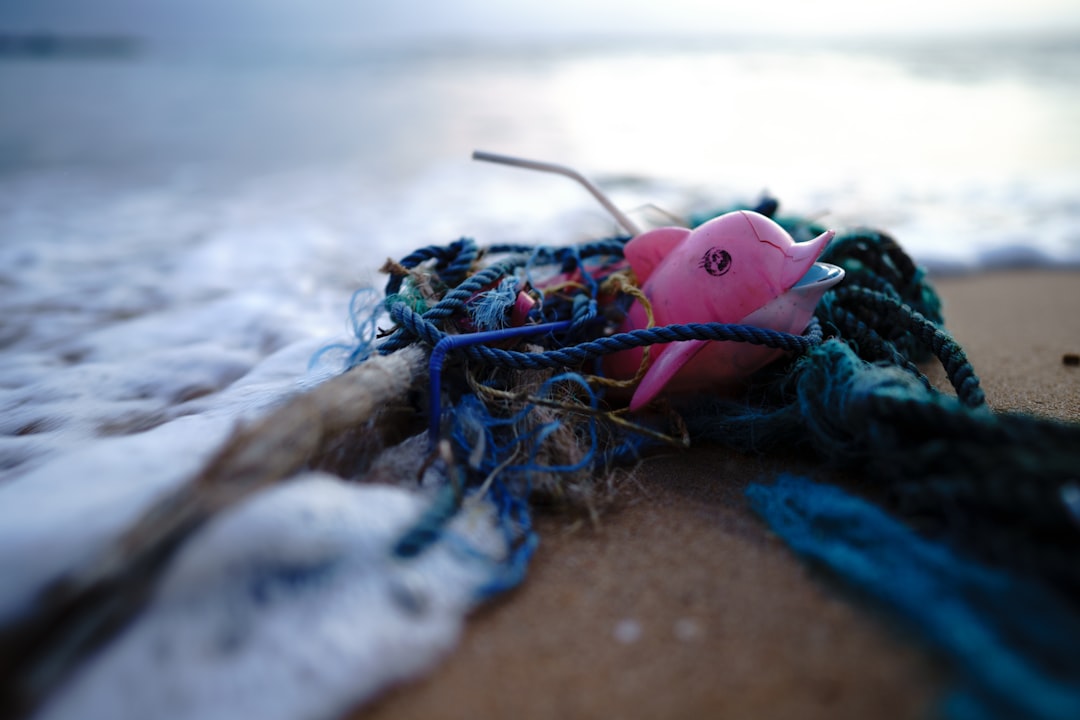
The problem does not end at manufacturing. Every time you wash a synthetic bikini, microplastic fibers shed into the wash water and travel through municipal systems into rivers and oceans. A single laundry load of synthetic clothing can release hundreds of thousands of microfibers. Multiply that by every swimsuit on the planet and the math gets grim.
Then there is the end-of-life problem. Conventional swimwear is not biodegradable. A tossed bikini sits in a landfill for centuries, slowly fragmenting into ever-smaller plastic particles that work their way back into soil, water, and food chains. Knowing this changes how you shop. It should.
What Sustainable Swimwear Actually Means
Here is where the language gets slippery. Brands love throwing around eco-friendly and sustainable as if they are interchangeable, but a swimsuit can claim sustainability for very different reasons — some meaningful, some near-meaningless. Understanding the categories below lets you read marketing copy like a translator instead of a believer.
Recycled Synthetic Fabrics
The most common credible claim is recycled fabric content. ECONYL is the name you will see most often: a regenerated nylon made by Italian company Aquafil from ocean plastic, abandoned fishing nets, and post-industrial nylon waste. It performs identically to virgin nylon, holds up beautifully in salt water and chlorine, and dramatically reduces the petroleum demand of each garment. REPREVE, made from recycled PET bottles, is the polyester equivalent and shows up in everything from sport bikinis to high-end one-pieces.
Recycled does not mean perfect. The fabric is still plastic, and it still sheds microfibers in the wash. But producing one ton of ECONYL avoids the use of roughly seven barrels of crude oil and reduces global warming impact compared to virgin nylon by about ninety percent. That is real progress, not a marketing trick.
Plant-Based and Biodegradable Materials
A smaller wave of brands is experimenting with plant-derived swim fabrics: natural rubber blends, algae-based fibers, even biodegradable elastane. These materials are exciting but still niche, often more expensive, and sometimes less durable than their recycled-synthetic counterparts. They are worth supporting if your budget allows, but recycled fabrics remain the most practical mass-market sustainable choice today.
Ethical Production
Materials are only half the story. A swimsuit is not sustainable if the people who sewed it were underpaid or unsafe. Look for brands that disclose their factories, publish supplier lists, hold Fair Trade or B Corp certification, or work with verified ethical-manufacturing partners. Transparency is the single best signal that a brand is doing the actual work.
How to Spot Greenwashing Before You Buy
Greenwashing is the practice of dressing up a non-sustainable product in eco language, and the swimwear industry is full of it. A few questions to ask before believing the marketing will save you money and disappointment.
What percentage of the fabric is actually recycled? Phrases like made with recycled materials can legally mean five percent recycled and ninety-five percent virgin. Look for specific numbers — seventy-eight percent ECONYL, eighty-two percent REPREVE. Vague language is a red flag.
Where is it made, and by whom? A brand unwilling to name its factories is a brand hiding something. The most credible labels publish supplier maps or factory audits on their websites.
Are the claims certified? Independent certifications carry weight: GRS (Global Recycled Standard), OEKO-TEX, Bluesign, Fair Trade, B Corp. A claim with no third-party verification is just a claim.
Does the brand sell endless new collections? True sustainability is incompatible with the fast-fashion drumbeat of new drops every two weeks. Look for labels that release small, considered collections and keep core styles in production year after year.
Where the Real Work Is Happening
Rather than rank brands — collections, ownership, and ethics shift constantly — it is more useful to recognize the categories of labels doing serious work in the eco-swim space, and how they differ from each other.
The ECONYL Pioneers
The first wave of sustainable swimwear was built on ECONYL. Labels like Stay Wild Swim, Mara Hoffman, Vitamin A’s EcoLux line, and Reformation’s swim collection have built their identities around recycled nylon and made it stylish. They tend to sit at the premium price point, but the construction quality means each piece lasts seasons, not summers. The investment makes sense if you swim often.
Smaller Independent Labels
A growing community of small, often woman-owned brands is pushing the envelope further. Outerknown’s Econyl collection, Summersalt’s recycled-fabric program, and labels like Made of Sea, Underprotection, and Allsisters combine recycled materials with limited-run production and tight ethical oversight. The price tags can sting, but you are paying for both the material and the system that produced it. These are the brands shaping where the industry goes next.
Mainstream Brands Making Real Changes
Bigger retailers are slowly catching up. Patagonia’s swimwear line uses fully recycled materials and is backed by the company’s well-documented environmental record. Mainstream conscious collections include recycled-fabric swim pieces and are useful for shoppers on tighter budgets, though the broader business model still produces vast amounts of conventional fast fashion. Use mainstream eco lines as entry points, not destinations.

Building a Swim Wardrobe That Actually Lasts
The most sustainable swimsuit is the one already in your drawer. That sounds glib, but it is the core principle of slow fashion: fewer pieces, better made, used for longer. A small, intentional collection serves most lifestyles beautifully.
For most women that looks like one workhorse one-piece in a flattering, classic cut; two or three bikini sets in colors and shapes that suit your body; one cover-up that bridges beach to bar; and maybe a UPF-protective rashguard or swim leggings if you spend serious time in the sun. That is it. Five to seven well-chosen pieces will outlast and out-perform a drawer crammed with cheap suits.
When buying, prioritize fit above trend. A suit that does not fit will be worn twice and forgotten — that is the least sustainable outcome possible regardless of fabric. Try things on, ignore the size on the tag, and trust how the suit actually sits on your real body, not a model’s. The right fit is the most underrated sustainability feature in the entire industry.
Caring for Eco Swimwear So It Goes the Distance
Sustainable fabric does no good if you destroy it in the first season. The care basics for any swimsuit — but especially recycled-fabric ones — are simple, and following them turns a good bikini into a great long-term investment.
Rinse in cool fresh water immediately after every swim, before salt, chlorine, sunscreen, or sand have time to break down the fibers. Hand wash in cold water with a gentle detergent and ideally a microfiber-catching laundry bag to capture shed plastic before it leaves your washing machine. Skip the machine when you can. Skip the dryer always — heat is the enemy of elastane. Lay flat in shade to dry; direct sun bleaches color and weakens the stretch.
Rotate suits so the same piece does not get worn back to back. Elastane recovers its shape better with rest days. Treat the suit like the small investment it is and it will reward you with seasons of wear.
The Body-Positive Side of Slow Swim Fashion
There is a beautiful overlap between sustainable thinking and body-positive thinking. Both reject the message that you need a new body — or a new bikini — every season. Both invite you to build a relationship with what you wear instead of constantly discarding and replacing.
The fashion industry’s churn fuels the same insecurity that drives over-consumption. A new best-body trend every spring sells more swimsuits. A new microtrend every month does the same. Stepping off that treadmill is a quiet act of resistance. The woman who buys one well-made bikini that fits her body now — not the body she is working on — and wears it for years is doing something radical, ethically and emotionally.
Eco swimwear brands have, on the whole, embraced this shift. Many feature genuinely diverse models, extended size ranges, and marketing that emphasizes longevity over novelty. Voting with your wallet for those brands strengthens the entire ecosystem.
What to Take to the Beach, What to Leave Behind
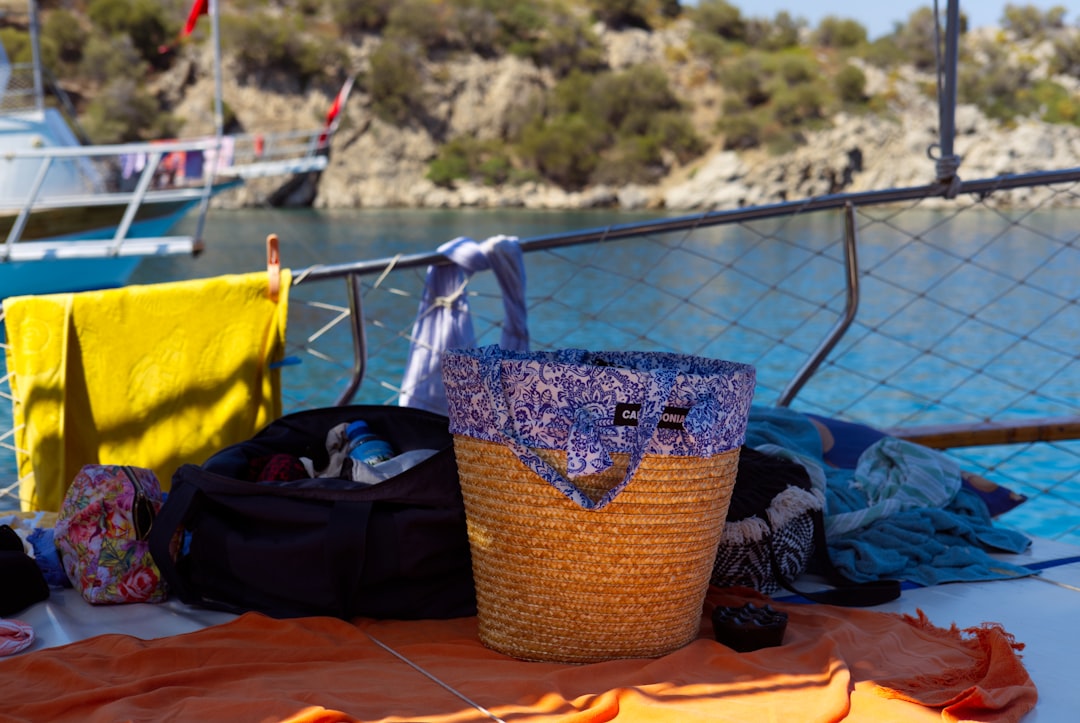
A truly sustainable beach day is more than the suit. Reef-safe mineral sunscreen protects coral systems that chemical sunscreens damage. A reusable water bottle and woven tote replace single-use plastic. A natural-fiber sarong outlasts ten polyester cover-ups and packs down to nothing in your bag.
These small swaps add up. Sustainable swimwear is not just about the bikini — it is the whole posture you bring to the water. The wardrobe, the accessories, the rituals around how you treat your gear and the places you swim. All of it counts.

The Honest Bottom Line
No swimsuit is perfectly sustainable. Even the best recycled-fabric, fair-trade, B-Corp-certified bikini in the world still required energy, labor, water, and shipping to reach you. The point is not perfection — it is direction. Each more-thoughtful purchase shifts the industry, however slightly, toward better materials, better labor, and a longer relationship between a garment and its wearer.
When you buy your next swimsuit, ask better questions. Read the fabric content. Check for third-party certifications. Notice whether the brand talks about its factories and its workers, or only about beach lifestyles and influencer photoshoots. Buy the suit that flatters your real body and fits your real life. Wear it until it wears out. That is what sustainable swimwear actually looks like — far less glamorous than the marketing, and far more powerful.
Sources
- United Nations Environment Programme
- Aquafil (ECONYL)
- Textile Exchange (Global Recycled Standard)
- B Corporation
Shop our full range of bikinis and swimwear at the BikiniCool store →