
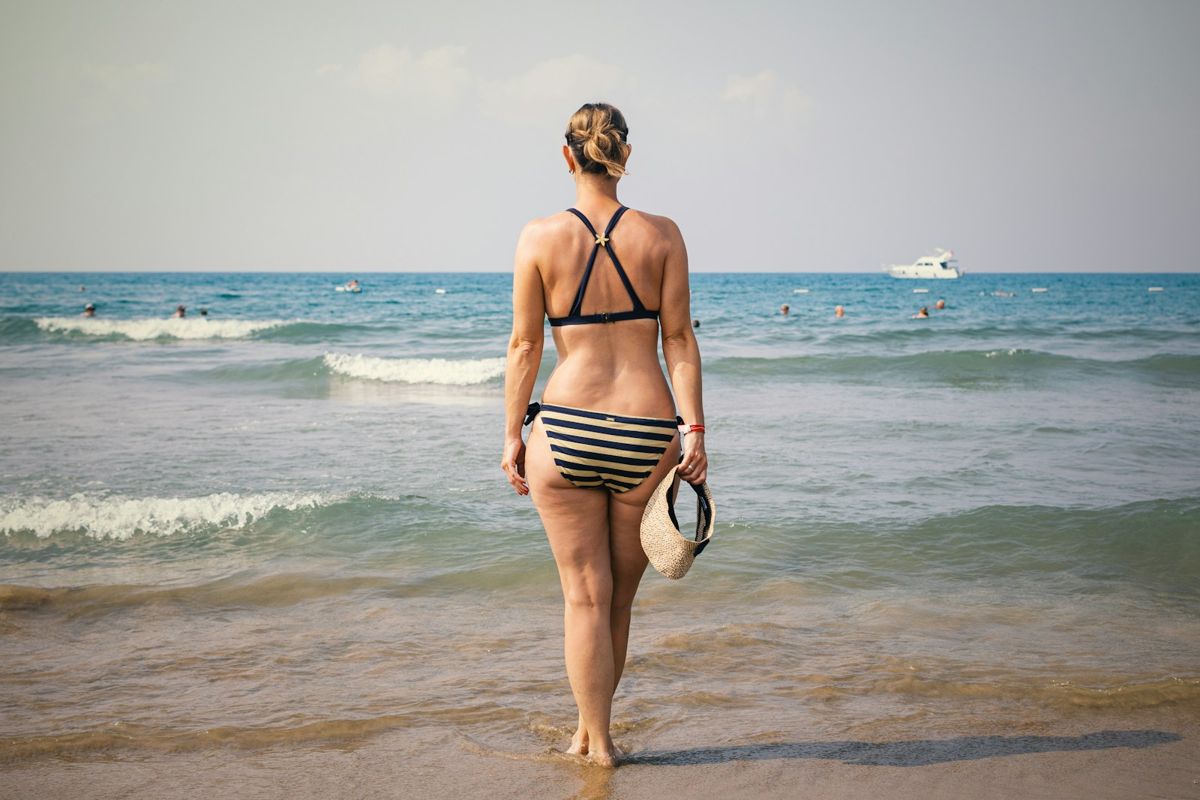
Thigh Chafing at the Beach: 9 Easy Fixes That Work
Roughly half of adults deal with skin-on-skin chafing in hot weather, and inner thighs are the number one spot. It has almost nothing to do with size — marathon runners in single digits get it, and so does everyone else. At the beach the odds only go up, because you’ve added three accelerants your morning commute never had: salt crystals that dry into tiny sandpaper, actual sand, and skin that stays damp for hours. The good news is that chafing is one of the most preventable summer annoyances there is, and the fixes are cheap.
What Actually Causes Thigh Chafing in Swimwear
Thigh chafing is friction plus moisture plus an abrasive. When your inner thighs touch and slide with every step, the skin’s outer layer heats up and the barrier starts to break down. Add water and you’d think it would help — it doesn’t. Wet skin has a higher coefficient of friction than dry skin, which is exactly why a damp bikini bottom drags more than a dry one.
Then there’s the salt. Ocean water is about 3.5% salt, and once it evaporates off your legs those crystals sit on the skin and grind like fine grit. Sand does the same job, only coarser. So a beach day stacks every ingredient chafing needs into one afternoon. Understanding that formula tells you exactly where to intervene: cut the friction, cut the moisture, or put a smooth barrier between the two surfaces.

Chub Rub Isn’t a Body Flaw — It’s Physics
Let’s kill the myth first, because it does real damage. “Chub rub” is the internet’s nickname for inner-thigh chafing, and the name has convinced a lot of women that the problem is their thighs rather than the friction. The truth is, the leanest CrossFit competitor and the softest beach-goer are running the same equation — skin, movement, heat. Whether your thighs touch when you stand is a matter of hip width and muscle, not a verdict on your body.
Chafing became a “fat problem” in pop culture mostly because thinner people were told to just buy smaller shorts and stop complaining. That framing helped nobody. When you treat chafing as a friction issue instead of a size issue, the solutions get practical fast, and the shame that keeps women in long pants on 35°C days evaporates. You are allowed to wear the bikini and treat the rub like the minor logistics problem it is.

9 Ways to Prevent Thigh Chafing at the Beach
These are ordered roughly by how much they punch above their price. Most people need two or three of them, not all nine — pick the ones that fit your day.
- Anti-chafe balm. A stick of Body Glide or Megababe Thigh Rescue lays down a dry, invisible layer that lets skin slide instead of grip. Apply before you leave the house, reapply after you swim. This alone solves it for most people.
- Thigh bands. Wide silicone-gripped bands worn under a cover-up or dress keep skin from touching at all. They’re the single best fix if you want to wear a flowy beach dress with nothing underneath.
- Rinse the salt off. After every ocean swim, a 20-second freshwater rinse at the beach shower removes the salt crystals before they dry into grit. This is the step almost everyone skips.
- Pat dry, don’t air dry. Sitting around in a wet bottom is how a mild rub becomes raw skin. Blot your inner thighs with a towel when you get out.
- Boyshort or skirted bottoms. A little more fabric between your legs removes the skin-on-skin contact entirely. More on the right swimwear below.
- Powder for sweat. Cornstarch-based or talc-free body powder keeps the area dry on hot, sweaty days when balm alone can’t keep up.
- Quick-dry fabric. Swimwear that sheds water in minutes beats cotton or thick lined suits that stay soggy.
- A throw-on cover-up. Between swims, a light skirt or dress lets your skin breathe and dry without friction.
- Move the seams. If a specific suit’s leg seam is the culprit, size up or switch styles. A seam sitting right in the crease is a chafing machine no balm can beat.

Swimwear That Fights Chafing Instead of Causing It
The suit itself does a lot of the work. Two things matter most: how much smooth fabric sits between your thighs, and how fast that fabric dries. A skimpy string bottom leaves bare skin to grind; a boyshort, a longer-cut brief, or a skirted style physically separates the surfaces. That’s why so many women who “always chafe” find the problem disappears the moment they switch silhouettes rather than buying another tube of balm.
A three-piece set is quietly one of the best chafing tools in swimwear, because the third piece — usually a skirt or a longer cover — gives you throw-on coverage the second you leave the water. You get the bikini you want and a friction barrier for the walk back to your towel.

If you want maximum coverage — for snorkeling, paddleboarding, or just a long day where you’d rather not think about it — a long-sleeve set with a fuller bottom keeps friction and sun off at the same time. Quick-dry mesh and swim fabric dry far faster than the cotton beach dress you might otherwise reach for.

The Right Fabrics and Fits to Look For
Not all swim fabric behaves the same against wet skin. Nylon-elastane and polyester blends dry quickest and hold their shape, which keeps seams where you put them instead of migrating into the crease as the suit stretches out. Avoid heavily lined or padded bottoms for a full beach day — that extra layer traps water and stays damp long after the rest of you is dry.
Fit matters as much as fabric. A bottom that’s slightly too small rides up and turns a wide, smooth surface into a thin band of fabric digging into the exact spot that rubs. If you’re between sizes and chafing is a concern, size up on the bottom. The most flattering suit is the one you’re not fidgeting with, and a properly fitted bottom is a genuine chafing barrier — not a compromise.
For longer days on the water where staying put matters, the same principles that make a suit chafe-resistant also make it perform. Our guide to the best swimwear for water sports breaks down which fits actually stay in place when you move, and long-sleeve swimwear covers the fuller-coverage options in more depth.
On-the-Spot Fixes When Chafing Starts Mid-Day
Sometimes you’ve already felt the sting and you’re nowhere near home. First, get the salt off — rinse with fresh water from a bottle or the beach shower, because leaving salt on already-irritated skin is what turns a warning into a wound. Pat the area completely dry.
Then rebuild the barrier. If you packed balm, reapply generously. No balm? A dab of any lip balm, sunscreen stick, or even the coconut oil in your bag will do in a pinch — anything slick that reduces the drag. If it’s already raw, the smartest move is coverage: pull on a cover-up or a pair of the swim shorts you brought, and give the skin a break from friction for the rest of the afternoon.
How to Soothe Skin That’s Already Chafed
Real chafing — red, raw, maybe weeping slightly — is a friction burn, and you treat it like one. Once you’re home, rinse gently with cool water and mild soap to clear salt and sand, then pat dry. Skip anything with alcohol or fragrance; it stings and slows healing.
Apply a thin layer of a healing ointment. Products with zinc oxide (the same stuff in diaper cream) or a petroleum-based barrier ointment protect the skin while it repairs and cut the sting immediately. For inflamed, itchy chafing, a 1% hydrocortisone cream for a day or two calms it down, per American Academy of Dermatology guidance on irritated skin. Give it air, wear loose clothing to bed, and it usually settles within a few days. If it blisters, oozes, or looks infected, that’s a doctor visit — chafed skin is broken skin and it can pick up an infection.
Building a Chafe-Free Beach Kit
The whole thing comes down to a few items you pack once and forget about. Drop these in your beach bag at the start of summer and the problem mostly solves itself: an anti-chafe stick, a small bottle of fresh water for rinsing, a quick-dry towel, a travel-size powder, and a throw-on cover-up or extra bottoms for coverage between swims. That’s it — under $30 of gear against a whole season of raw thighs.


Whichever suit you reach for, the point is that you build the day around what you want to wear — not around hiding from a bit of friction. Browse our sporty bikini styles if you want something that moves with you and rinses clean fast.
Frequently Asked Questions
Does Vaseline stop thigh chafing? Yes, as a barrier — it reduces friction well. The downside is it’s greasy, washes off in water, and can trap sand. A dedicated anti-chafe balm lasts longer and feels lighter, but Vaseline works in a pinch.
Do thigh chafing bands actually work? They do, as long as they fit. A well-sized silicone-gripped band stays put and removes skin contact completely. Cheap ones without grip roll down and give up by lunchtime, so spend a little more.
Why do I chafe at the beach but not at the pool? Salt. Ocean salt dries into abrasive crystals and pool water doesn’t, so ocean days are harder on your skin. Rinsing off after each ocean swim closes most of that gap.
Can the right swimsuit really prevent chafing? For a lot of women, yes. A boyshort, longer brief, or skirted bottom removes the skin-on-skin contact that causes it — often more reliably than any product.

Thigh chafing is a friction problem with friction solutions — a balm, a rinse, and a bottom that fits. Sort those and the only thing left to decide is which beach. Once your kit is packed, spend your energy on the fun part: our summer swimwear picks are a good place to start.
Sources
- American Academy of Dermatology — Guidance on treating heat rash and irritated skin.
- Harvard Health Publishing — How to prevent and treat chafing.
- American Osteopathic College of Dermatology — Intertrigo and skin-fold friction irritation.
Shop our full range of bikinis and swimwear at the BikiniCool store →