
One-Piece or Bikini for Travel? A Packing & Versatility Guide
Standing over a half-packed suitcase, staring at the swimwear drawer, is where a lot of trips quietly stall. A one-piece feels like the safe, do-anything choice. A bikini feels lighter and cooler. And somewhere in the back of your mind is the worry that you’ll pack the wrong thing and spend the whole holiday wishing you’d grabbed the other one. The good news: for travel, the one-piece vs bikini question has less to do with your body and everything to do with how you actually move through a trip.
This is a practical, travel-first comparison. Instead of asking which silhouette is more “flattering,” we’re asking which one packs smaller, dries faster, doubles as an outfit, and survives a two-week trip through pools, oceans, and the occasional rooftop bar. Both can be brilliant travel companions. The trick is matching the suit to the shape of your journey.
(Packing for something other than a trip — just an ordinary week at the water? Start with our full one-piece vs bikini guide for the coverage, support, and comfort basics. Everything below is travel-specific.)

Packing space: the honest math
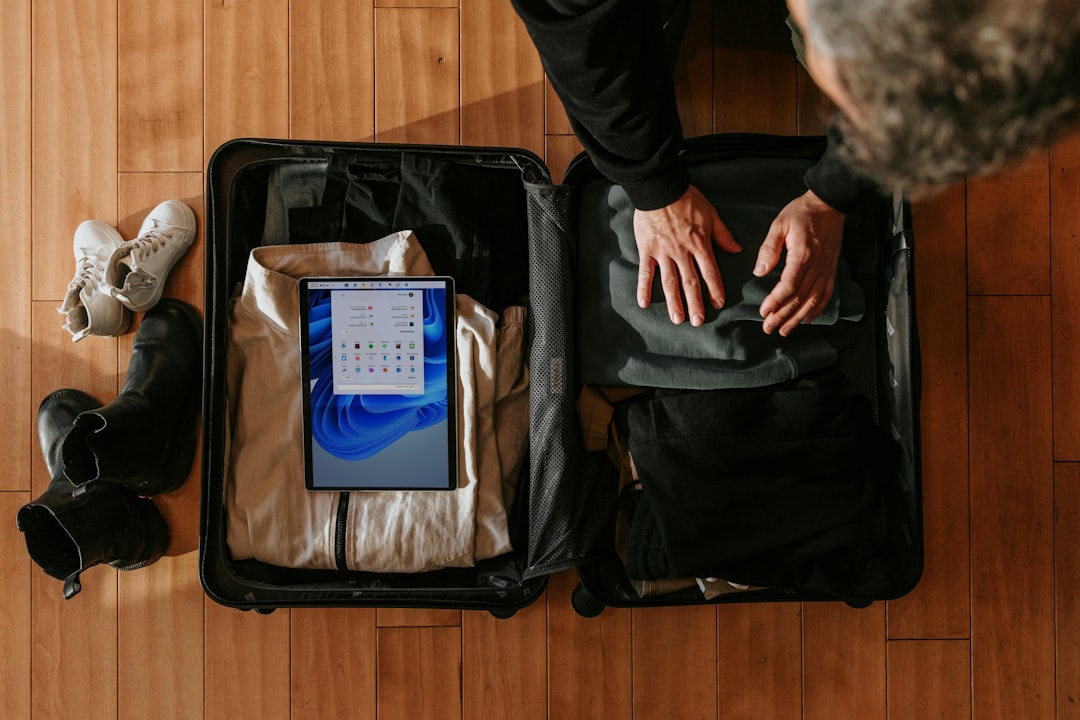
The most obvious difference shows up the moment you start rolling clothes into a carry-on. A bikini is two small pieces of fabric that flatten into almost nothing — you can tuck a top into one shoe and a bottom into another and forget they’re there. Three bikinis often take up less room than a single structured one-piece with a built-in shelf bra and boning.
A one-piece, especially a supportive or textured style, has more surface area and holds its shape more stubbornly. It won’t crush down as small, and if it has any padding it can spring back and eat drawer space. That doesn’t make it a bad travel pick — it just means you’re spending a little more of your bag on it.
Where the math flips is versatility per gram. If your one-piece can pull double duty as a bodysuit under shorts or a skirt, it may earn its space back by replacing a separate top. A bikini stays a bikini. So the real question isn’t just “which is smaller,” but “which does more jobs for the space it takes.”
Drying time and the two-suit rule
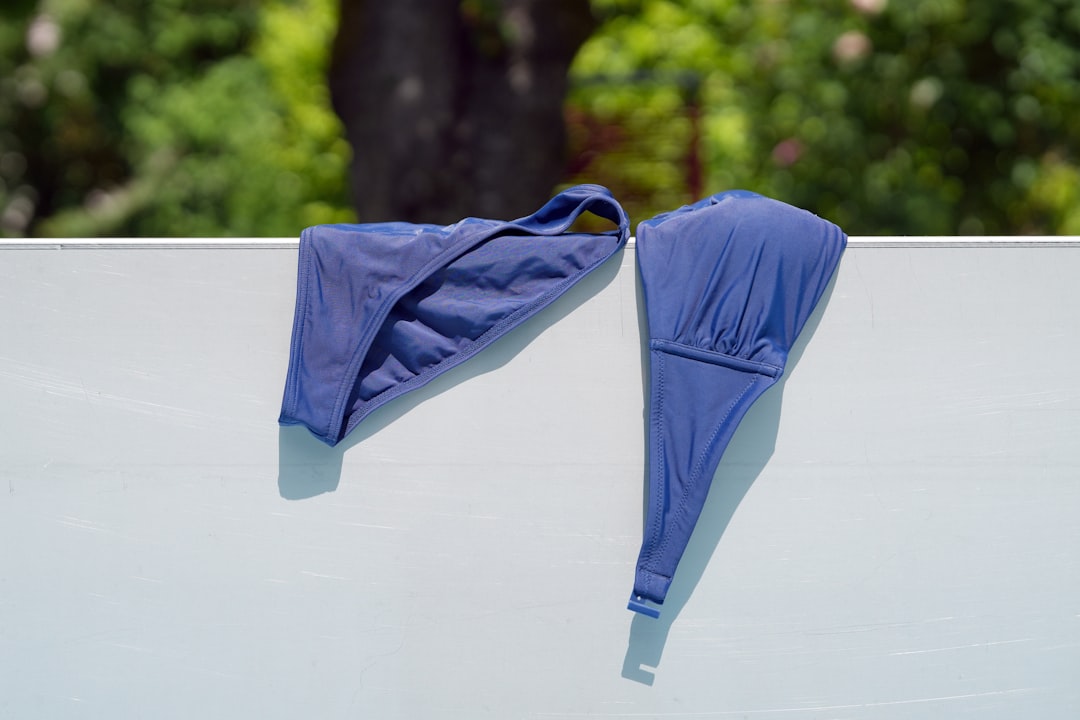
Anyone who has repacked a damp swimsuit into a bag knows the real enemy of travel swimwear isn’t style — it’s wet fabric. Here the bikini has a clear edge. Two thin pieces catch more air and dry far faster on a hotel balcony or the back of a chair. You can rinse a bikini after a morning swim and reasonably expect it to be wearable by afternoon.
A one-piece, with more fabric and sometimes a lined front or built-in support layer, holds moisture longer. On a humid island trip it might not be dry by the time you want to swim again. This is why so many seasoned travelers follow a simple two-suit rule: bring at least two so one can always be drying while you wear the other.
A smart combination is one bikini for fast-drying, high-frequency swim days and one one-piece for the days you want more coverage or plan to be active. You get the best of both without doubling your packing footprint, because the bikini barely counts against your bag.
Versatility: which one becomes an outfit?
Travel rewards clothes that refuse to stay in one lane. This is where the one-piece can genuinely outperform. A clean, solid one-piece reads as a bodysuit. Throw on linen trousers or a wrap skirt and you’ve walked straight from the pool to lunch without a costume change. Some styles pass easily as a top under a blazer for an evening out. That flexibility is worth real suitcase space.
Bikinis have their own kind of versatility — the mix-and-match kind. Pack three tops and three bottoms in coordinating colors and you can create nine looks, which feels like a much bigger wardrobe than the fabric suggests. A bikini top can also stand in as a bralette under an open shirt on a hot afternoon. The versatility is there; it just lives in combinations rather than in a single hardworking piece.

If you’re the kind of traveler who wants to pack once and improvise endlessly, mix-and-match bikinis are a joy. If you’d rather have one reliable piece that instantly becomes an outfit, the one-piece wins that particular round.
Matching the suit to the trip
Rather than crowning one winner, it helps to picture the trip itself. The right choice usually reveals itself once you know what you’ll actually be doing between check-in and check-out.
The relaxed resort trip
If your days are pool lounging, slow breakfasts, and sunset drinks, a bikini’s fast-drying, low-bulk nature is hard to beat. You’ll be in and out of the water casually, and a suit that dries between dips keeps everything comfortable. Toss in one one-piece for a beach-club lunch where you want a little more polish.
The active or adventure trip
Snorkeling, surf lessons, waterfall hikes, kayaking — anything with real movement leans one-piece. The secure fit means less adjusting and more doing, and the extra coverage helps against sun, board rash, and cold water. A one-piece under quick-dry shorts is a genuinely great adventure uniform.
The one-bag city-and-sea trip
When your itinerary mixes museums with a couple of beach days and you’re traveling light, versatility rules. A single sleek one-piece that doubles as a bodysuit lets you pack fewer tops overall. Add one flat-folding bikini and you’re covered for both the water and the wardrobe without overpacking.
Comfort on long travel days
Sometimes the swimsuit debate is really about the in-between moments: the ferry ride, the long walk to a hidden cove, the hours when you’re neither fully swimming nor fully dressed. Bikinis breathe well and feel light under a sundress, which is lovely in serious heat. But a bikini worn for hours under clothes on a travel day can shift and dig in.
A one-piece worn as a base layer tends to stay put and feels more seamless under clothing, which many people find more comfortable on a long transit day. Neither is universally better — it comes down to how much you dislike readjusting versus how much you value airflow. Knowing your own preference here saves a lot of fidgeting on the road.
The best travel swimsuit isn’t the one that looks perfect in the mirror at home — it’s the one you forget you’re wearing while you’re busy enjoying the trip.

Caring for either suit on the road
Whatever you pack, travel is hard on swimwear. Sunscreen, chlorine, salt, and sand all break fabric down faster than a normal summer at home. A few habits keep both one-pieces and bikinis alive for the whole trip and the next one.
- Rinse in cool fresh water after every swim, even just in the sink — salt and chlorine are what actually wear out elastic.
- Never wring a suit dry; press it in a towel instead so you don’t stretch the fibers.
- Pack a small mesh or wet bag so a damp suit never sits sealed against your clean clothes.
- Rotate between two suits so neither is worn soaking wet two days running.
A packable wet bag is the small accessory that quietly makes the whole system work, keeping the drying suit off your dry clothes and your bag smelling fine.

So, which should you pack?
If you make yourself choose only one, choose by the personality of your trip, not by any rule about who “should” wear what. Lots of low-key water time and tight bag space point to a bikini. Movement, activity, and a desire for one piece that becomes an outfit point to a one-piece. And a mixed trip is happiest with one of each, because a flat-folding bikini costs you almost nothing to add.
Your body isn’t a problem to solve before you can enjoy the water, and no silhouette is off-limits because of a shape chart. Both the one-piece and the bikini are simply tools for having a good time near the sea. Pack the one that lets you stop thinking about your suit and start thinking about where you’re swimming next.
Sources
- Wikipedia — history and design of the bikini
- Wikipedia — the one-piece swimsuit
- Wikipedia — swimsuit fabrics and care
Shop our full range of bikinis and swimwear at the BikiniCool store →