
What Sustainable Swimwear Actually Means — and How to Shop It
There is a certain irony in swimwear — the category most tied to water, beach trips, and the ocean — being one of fashion’s most environmentally costly products. Synthetic fabrics shed microplastics with every wash. Toxic dyes leach into waterways. Fast fashion swimwear is designed to look good for one summer and fall apart by the next. But the conversation around sustainable swimwear has genuinely shifted. Eco options have gone from scratchy and shapeless to genuinely beautiful, supportive, and size-inclusive — and knowing how to navigate the landscape means you can make choices that feel good in every sense.
Why Swimwear Has a Bigger Environmental Footprint Than You’d Think
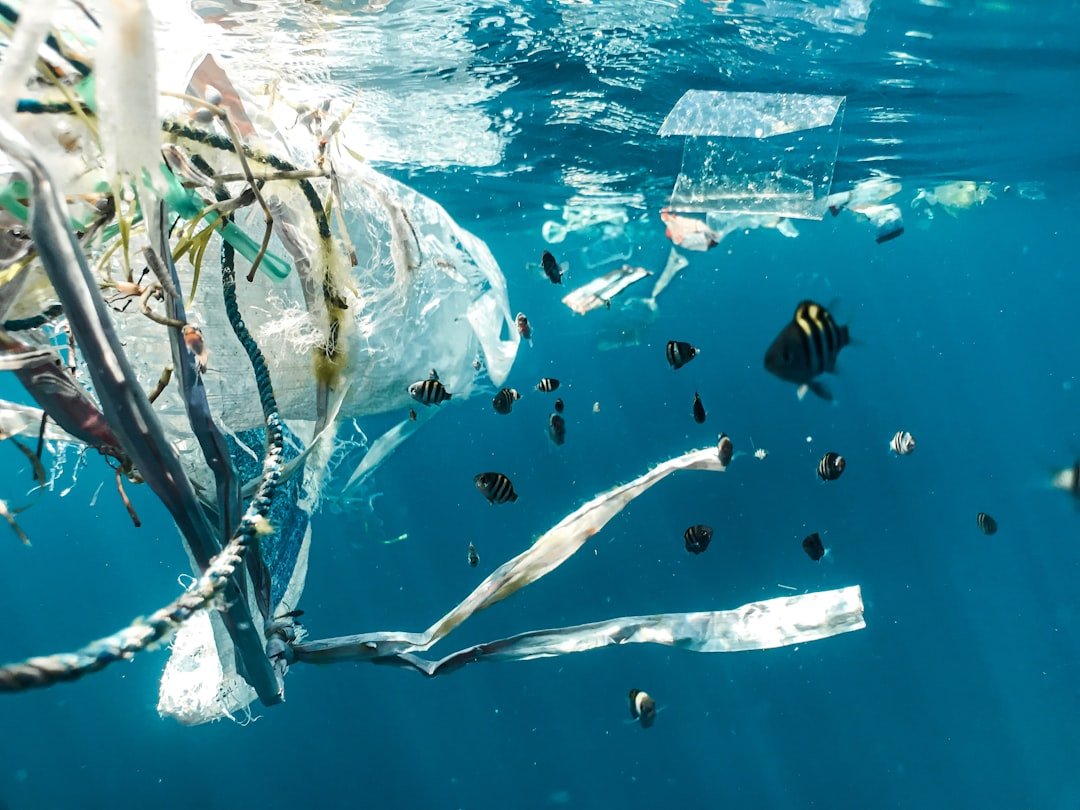
Most swimwear is made from nylon or polyester — both petroleum-derived synthetics. They’re popular because they hold their shape, dry fast, and resist saltwater and chlorine. But the production of virgin nylon is energy-intensive and releases nitrous oxide, a greenhouse gas far more potent than carbon dioxide. Polyester manufacturing consumes large amounts of water and relies on crude oil extraction at every step of its lifecycle.
Then there is the microplastic problem. Every time a synthetic swimsuit goes through the wash, it releases thousands of tiny plastic fibers that pass through water treatment systems and end up in the ocean. Studies have found microplastics in the deepest ocean trenches and in human blood. For a garment designed to be worn near the sea, standard swimwear has a complicated relationship with the water it is supposed to celebrate.
The dye process adds another layer. Conventional textile dyeing is one of the largest sources of industrial water pollution globally, with unused dye running off into rivers and coastal ecosystems. When you factor in short product lifespans — fast fashion swimwear pills, loses elasticity, and fades quickly — the per-wear environmental cost is significant.

The Fabrics That Are Actually Changing the Game
Eco swimwear is not a single thing — it is a spectrum, and understanding what different materials actually mean helps you shop with more confidence and less greenwashing anxiety.
ECONYL: Regenerated Nylon from Ocean Waste
ECONYL is one of the most talked-about materials in sustainable swimwear — and one of the most genuinely impressive. Developed by Italian company Aquafil, ECONYL is regenerated nylon made from pre- and post-consumer waste: fishing nets abandoned on the ocean floor, fabric scraps from textile mills, carpet waste, and industrial plastic. These materials are collected, cleaned, and chemically broken down into their base polymer, then reconstructed as new nylon yarn with performance properties that match virgin nylon almost exactly.
ECONYL swimwear is chlorine-resistant, colorfast, and holds its shape through a full summer of sun and salt. The difference from conventional nylon is that each kilogram of ECONYL saves approximately 7 kilograms of CO2 compared to virgin nylon production. It can also be regenerated again at end of life, making it genuinely circular in principle. Swimwear made from ECONYL sits at a slightly higher price point, but the performance and the story behind the fabric deliver real value per wear.
👙 Shop ECONYL Swimwear on Amazon →

rPET: Swimwear Born from Plastic Bottles
Recycled polyester — often labeled rPET, or marketed under brand names like Repreve — is made by melting down post-consumer plastic waste, primarily plastic bottles, and spinning it into fiber. It uses roughly 30 to 50 percent less energy to produce than virgin polyester and diverts plastic from landfills and waterways. For swimwear, rPET delivers reliable stretch, quick-drying properties, and solid color retention, often at a more accessible price point than ECONYL.
One honest caveat: rPET still sheds microplastics when washed, just as virgin polyester does. Pairing it with a microplastic-catching laundry bag or an inline washing machine filter when hand-washing captures a meaningful percentage of what would otherwise enter the water system — a small step that adds up over a swimsuit’s lifetime.
Natural and Organic Fibers — Where They Fit In
Organic cotton, hemp, and bamboo fabrics appear in some eco swimwear lines — most often in coverups, beach shorts, and rash guards rather than performance bikini bottoms or structured one-pieces. Natural fibers are biodegradable and do not shed synthetic microplastics, but they do not hold up as well against chlorine, saltwater, and repeated stretching. For lounging at a pool or casual beach days, they are a beautiful and genuinely sustainable choice. For active water use, a recycled synthetic is more practical. If you are buying organic cotton swimwear, look for GOTS certification — it covers the entire production chain from fiber to finished garment.
Certifications That Actually Mean Something
The eco fashion space is full of green-sounding marketing language, and swimwear is no exception. Knowing which certifications are independently verified — rather than self-reported — is the fastest way to cut through the noise and shop with real confidence.
Bluesign audits the entire textile supply chain for resource efficiency, chemical safety, and environmental impact from fiber to finished fabric. It is one of the most comprehensive and rigorous certifications in fashion. A Bluesign label on your swimsuit means it was made without hazardous chemicals and with significantly reduced water and energy consumption throughout production.
Oeko-Tex Standard 100 tests finished garments for harmful substances, including heavy metals, pesticides, and formaldehyde. It confirms the product is safe for prolonged skin contact — a relevant guarantee for swimwear that sits close to the body for hours in the heat. It does not cover the broader environmental footprint of production, but it is a solid baseline for safety and material quality.
Global Organic Textile Standard (GOTS) applies to organic natural fiber products and certifies the full processing and manufacturing chain, including fair labor conditions. It is the certification to look for on organic cotton coverups, hemp beach shorts, and similar natural-fiber pieces.
B Corp certification steps back from the individual product to assess the entire company — how it treats workers, sources materials, governs itself, and measures its environmental footprint. A swimwear brand with B Corp status has made a legal and structural commitment to using business as a force for good, not just launching a sustainability-themed product line while operating identically to conventional fashion brands.

How Eco Swimwear and Body-Positive Sizing Grew Up Together
One of the more welcome patterns in sustainable swimwear is how consistently eco values and inclusive sizing travel together. Many of the independent and ethical swimwear brands that have made environmental responsibility central to their identity have also rethought who swimwear is actually being made for — because the same values framework that questions environmental harm tends to question body-shaming and exclusion too.
This shows up practically in extended size ranges through 3X and beyond, adjustable ties that allow the same suit to fit different proportions, mix-and-match systems that let you pair different top and bottom sizes, and designs built around real body diversity rather than a single sample-size ideal. Longline tops with wider straps for added support, high-waist bottoms with structured panels, ruched one-pieces that accommodate longer torsos — these thoughtful constructions appear more consistently in sustainable lines than in volume fast fashion drops.
If eco swimwear once felt like a category that was not designed with your body in mind, the market has caught up considerably. The combination of quality construction, functional design, and genuine size range is increasingly the norm in this space rather than the exception.
👙 Shop Recycled Fabric Bikinis on Amazon →

Making Eco Swimwear Last: The Care Guide That Actually Matters
Sustainability is not only about what a garment is made of — it is about how long it lasts. A well-made eco swimsuit that carries you through five seasons has a dramatically smaller footprint than one that wears out after a single summer. Care habits are a meaningful part of the equation, and they are straightforward once they become routine.
Rinse in cold fresh water after every wear. Salt and chlorine both accelerate elastic degradation, and removing them promptly extends the lifespan of your suit considerably. Hand washing with a gentle, fragrance-free detergent is ideal — the mechanical friction of a washing machine is harder on performance fibers than careful hand washing. If you do machine wash, use a mesh laundry bag on the delicate cycle with cold water only.
Never put swimwear in the dryer. Heat breaks down spandex and elastane — the fibers responsible for stretch and shape retention. Air dry flat or draped over a towel away from direct midday sun. UV exposure also degrades elastic over time, so drying in shade is always preferable to drying in full sun. Press excess water out gently between towels rather than wringing, and store suits flat rather than bunched in a drawer to preserve their structure.
These habits matter for any swimwear, but they matter more when you have made a deliberate choice to invest in quality. The care routine is part of the commitment to sustainability — and it pays off visibly in how long a well-made suit holds its look, its fit, and its color.

Shopping Sustainably Without Overthinking It
Sustainable fashion can feel like a minefield of competing claims, imperfect certifications, and guilt-laden choices. A simpler framework: look for brands that are transparent about where their fabric comes from and who makes their suits. Genuine eco brands list fabric composition clearly — ECONYL, Repreve, or rPET by name — acknowledge the areas they are still working on, and explain their manufacturing relationships in plain language. Vague sustainability language with no specifics, no certifications, and no supply chain detail is usually greenwashing.
Buying fewer pieces you genuinely love will always be more sustainable than accumulating a large wardrobe of eco-labeled items. One well-made recycled nylon one-piece that you reach for all summer beats four mediocre eco suits that sit unworn at the back of a drawer. End-of-season sales are a practical way to invest in quality at a lower price point — and a sustainably made one-piece that you return to again and again, summer after summer, is exactly what the category should deliver. That is the kind of purchase that actually earns the sustainable label.
👙 Shop Sustainable One-Piece Swimsuits on Amazon →
Sources
U.S. Environmental Protection Agency | Bluesign Technologies | Oeko-Tex | Global Organic Textile Standard (GOTS)