
Nursing Swimwear: 7 Best Picks for 2026
A friend of mine tried to breastfeed in a triangle bikini top at a hotel pool in Phuket last summer and ended up half-undressed in a pool chair with a towel over her shoulder. She wasn’t wearing the wrong swimsuit because it looked bad — she was wearing the wrong swimsuit because the string top had no way to open without coming off completely. That’s the actual problem nursing swimwear solves: not modesty, not style, just mechanical access while your hands are full.
Motherly’s own roundup lists seventeen different “nursing swimsuit” products, and the closures split almost evenly between three mechanisms — zip, wrap, and clip. That’s worth knowing before you shop, because it means the marketing word “nursing” on a hangtag doesn’t tell you which mechanism you’re getting, and the three behave very differently once you’re actually in the water.
What Actually Makes a Nursing Swimsuit Different
A nursing swimsuit is any suit built so one side can open for feeding without exposing your whole torso or forcing you to stand up and pull the top over your head. That’s it — there’s no special “nursing fabric” or certification involved. Brands like Cupshe, Old Navy, and Latched Mama sell suits labeled specifically for nursing, but the feature they’re selling is almost always one of three mechanisms: a front zipper, a wrap-and-tie closure, or a clip that releases one strap.

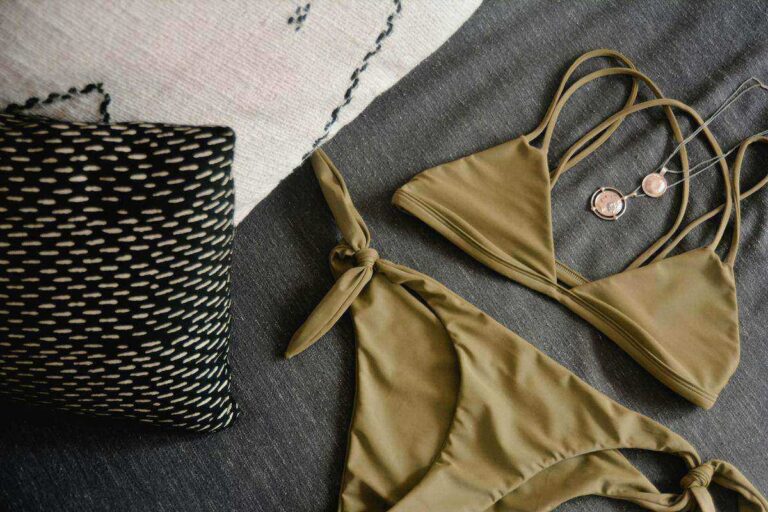
The reason this matters more in a tankini than in a one-piece is coverage math — a tankini top only has to move a few inches to clear a nursing pad, while a one-piece has to be pulled down from the shoulder, which usually means standing up. A regular bikini top can technically work too, as long as the tie is loose enough to shift to one side, but most triangle tops aren’t cut generously enough to stay decent once you’ve moved fabric out of the way.
Zip-Front, Wrap, and Clip-Release: Comparing the Three Access Styles
Zip-front tops are the fastest to use one-handed, which is the entire point when you’re holding a baby with the other arm. The downside is that a metal or plastic zipper pull can rub against sensitive postpartum skin, and cheaper zippers on suits under $30 tend to snag on the lining after a season of chlorine and sunscreen.
Wrap styles — the kind Summersalt and Albion Fit lean on — tie or snap at the side and open like a robe. They’re more forgiving on fit since the wrap adjusts to swelling or engorgement day to day, but they take two hands to retie, which matters if you’re also holding a toddler by the wrist. Clip-release straps, the mechanism Ripe and a handful of maternity brands use on bikini tops, are the quickest of the three and the least visible under a cover-up, but they only work on styles with enough built-in support that dropping one strap doesn’t drop the whole cup.
None of the three is objectively best. A zip works better poolside where you’re seated most of the day; a clip works better if you’re moving in and out of the water and need the suit to snap back into place fast.
There’s a fourth option worth knowing about too: the snap-front cami style, popularized by brands like Davin & Adley, which sits closer to activewear than swimwear. It’s built for moms who want to swim laps or chase a toddler into the water and then nurse on the pool deck without changing at all — less flattering than a wrap top, but the fastest of any style to get back into after a feed.
Tankini, One-Piece, or Bikini: Picking the Right Silhouette
Tankinis win for most nursing moms for one plain reason: the waistband stays on while the top moves. You get the coverage of a one-piece with the access of a two-piece, and a high-waisted bottom holds a C-section scar or a still-soft belly without the whole ensemble depending on one tie at the hip.
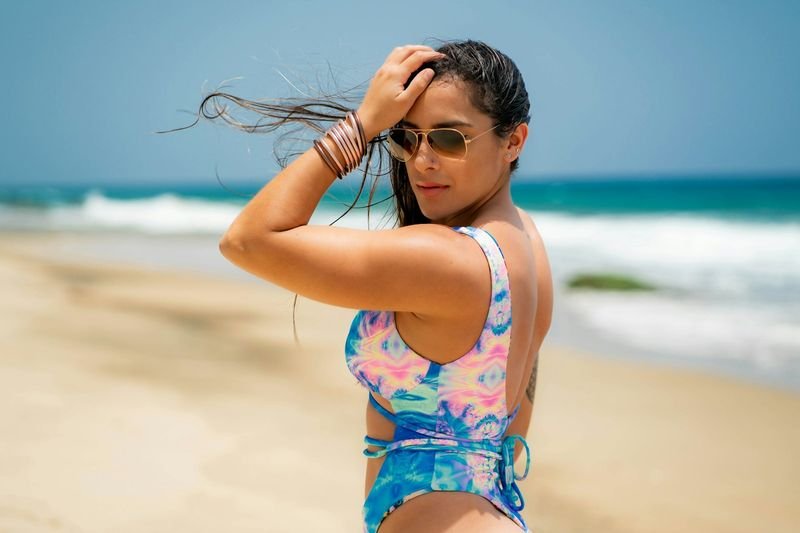
One-pieces with a zip or snap front are the better call if you spend more time swimming laps than lounging, since a tankini top can ride up when you’re actually moving through water. A bikini, meanwhile, is the right pick only if the top has a real access feature built in — otherwise you’re back to the Phuket problem, undressing at a public pool because the string top wasn’t designed to open. If a two-piece is what makes you feel like yourself again postpartum, look for a halter or bandeau top with a hidden clip rather than a basic triangle.
Whatever silhouette you land on, buy from a retailer with a real exchange window. A body six weeks postpartum is rarely the same shape it’ll be at six months, and a suit that fits perfectly in July can feel completely wrong by September. A 30-day exchange policy matters more here than almost any other swimwear purchase you’ll make this year.
Fabric and Support Your Postpartum Body Actually Needs
Postpartum breasts change size through the day as they fill and empty, sometimes by a full cup size between feeds. A suit with rigid molded cups holds its shape when you’re full and gaps embarrassingly an hour later. Look instead for a soft, structured cup with wide underband support — power mesh or a nylon-spandex blend with at least 20% spandex gives enough stretch to move with you without losing shape by the third wear.
Chlorine is harder on nursing pads and on you than most people expect — reusable pads left in wet fabric for an afternoon can start to smell by evening, and a suit that traps moisture against the skin raises the odds of irritation on a body that’s already healing. A quick-dry fabric and a spare set of disposable pads in the beach bag solves more problems than any specific brand name does.
UPF protection is worth checking too, and not just for you. A newborn under six months has no business in direct sun at all, and the shade you create by wearing a longer-line UPF 50+ top doubles as extra coverage when you’re leaning over a stroller or a baby carrier at the water’s edge. It’s a small feature, but it does two jobs at once, which is the whole appeal of nursing swimwear in the first place.
Colors and Patterns That Actually Hide Leaks
Nobody selling nursing swimwear talks about this part, but it’s the detail that saves an afternoon: solid black and navy show almost nothing, while pale pastels and white show everything within seconds. A busy print — florals, stripes, color-block panels — hides a small leak better than any solid color except black, because the eye has nowhere obvious to land.
If you’re prone to letdown in cold water — a common reflex trigger — skip anything in a single pale shade for the first few months postpartum, no matter how much you like the color. Save it for later once your supply and let-down have settled into a more predictable rhythm.
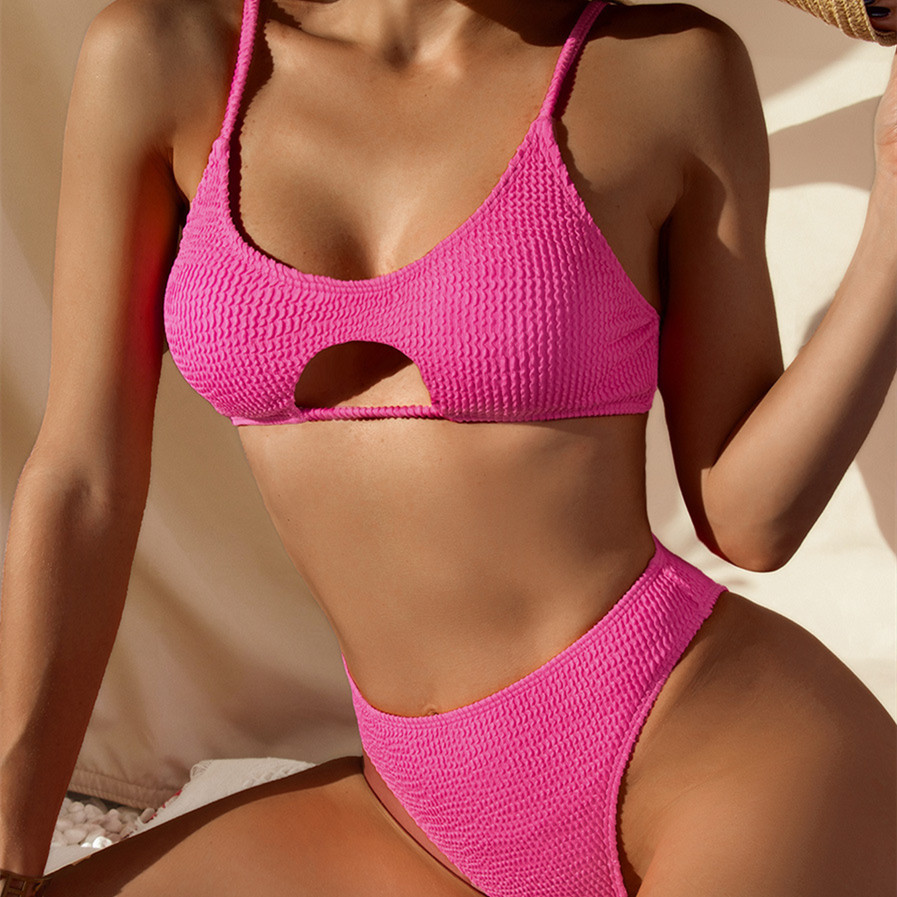
Ruching helps too, and not just for the reason most swimwear articles mention. The gathered fabric that’s usually sold as a way to “flatter your midsection” also does a quieter job of breaking up the visible outline of a nursing pad underneath, which flat, smooth fabric shows off far more than anyone advertises.
Packing and Timing a Beach Day Around Feeds
The suit is only half the plan. Feed right before you leave the house, not after you arrive — a baby who nurses on the way out the door buys you an hour or two before the next feed window, which is usually enough time to get settled, reapply sunscreen, and actually relax. Bring a lightweight cover-up you can throw on over the suit for the feed itself; it’s not required with a properly designed nursing suit, but it adds a layer of privacy on a crowded public beach.
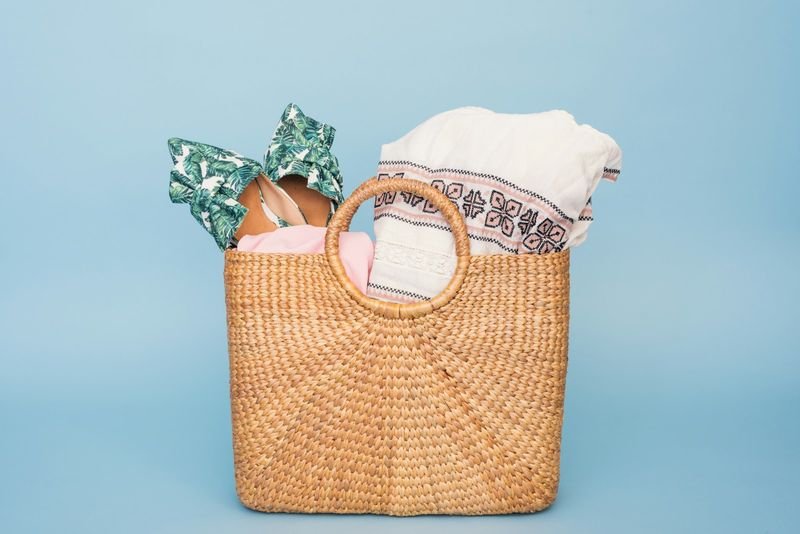
Pack two nursing pads minimum, a small dry bag for the wet ones, and a change of the baby’s clothes — sand and sunscreen find their way into everything. If you’re still in maternity sizing and not sure whether to size up or down for a nursing suit, size to your current chest measurement, not your pre-pregnancy size or the size on your maternity suit. Breast tissue changes shape more than it changes in a predictable direction.
A second suit is worth the cost if you’re at the beach for more than a day trip. Salt water and chlorine both break down spandex faster than fresh water, and a suit that’s stretched out from an all-day wear on day one won’t hold the same shape — or the same closure tension — by day three of a week-long vacation.
What to Look For When You Shop
Before you check out, test the closure with one hand, not two. Stand in front of a mirror at home and try to open the suit exactly the way you would at the pool — one arm holding an imaginary baby, the other doing the work. If it takes more than about five seconds or needs both hands, keep looking regardless of how flattering the suit looks on the hanger.

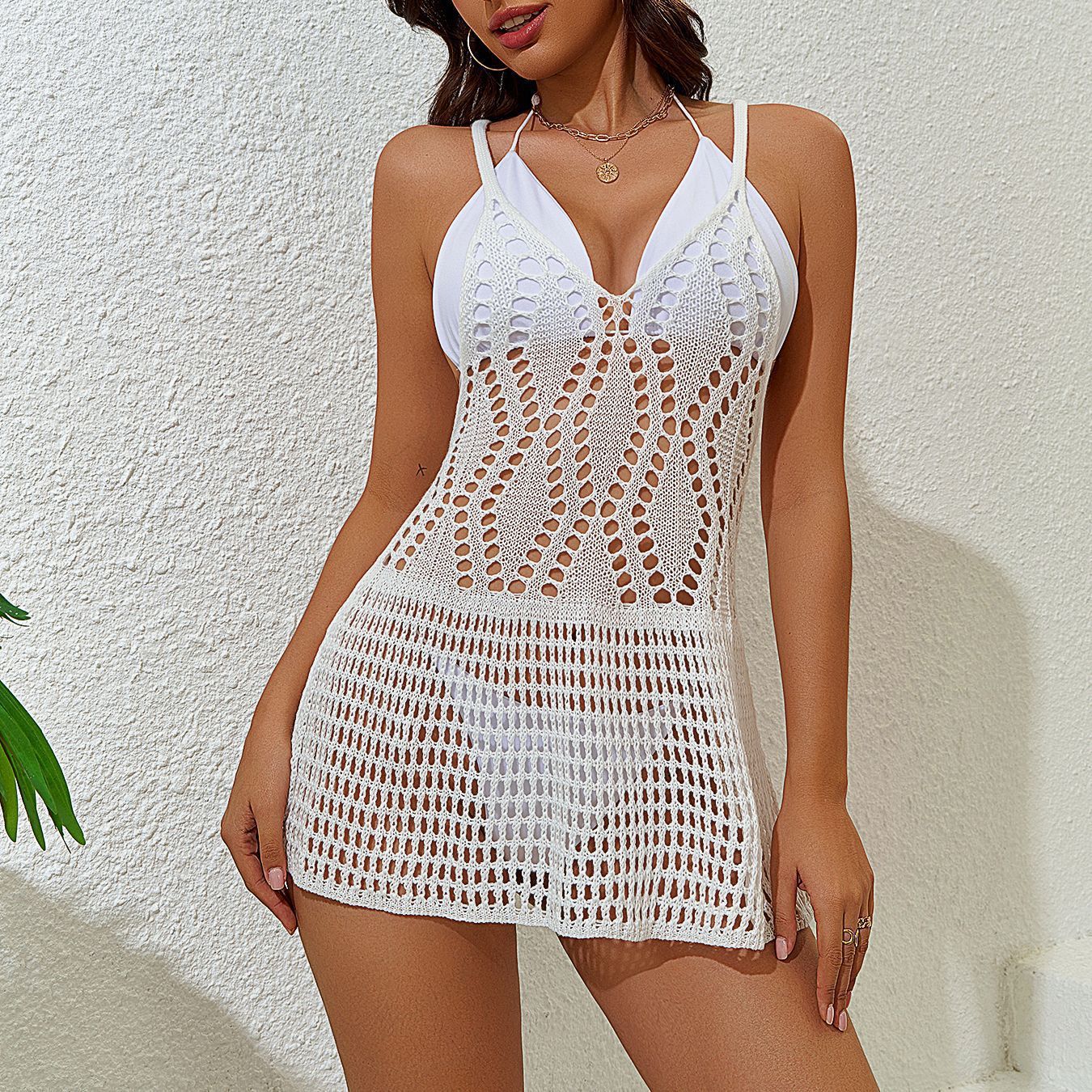
A cover-up earns its space in the bag on any beach trip with a baby, nursing or not — it doubles as a changing shield, a sun layer, and a quick fix if the suit underneath isn’t cooperating that day.
Rinse the suit in cold fresh water the same day you wear it, every time — chlorine and salt both sit in spandex and break it down if they’re left to dry in the fabric overnight. Skip the washing machine and the dryer entirely; hand-wash with a mild detergent and lay flat to dry. It’s an extra two minutes that adds a full season of wear to a suit you’re already asking to do more work than a regular bikini.
None of this needs to be complicated. A tankini with a zip or wrap top, a high-waisted bottom, a printed fabric instead of pale pastel, and a cover-up in the bag covers most of what actually goes wrong at the beach with a nursing baby. Buy one suit, test the closure at home before the first trip, and adjust from there once you know how your own routine actually runs.
Sources
- Motherly — 17 Nursing Swimsuits That Make Breastfeeding a Breeze — roundup of closure styles and brands used for access-mechanism comparison.
- Nursing Queen — Best Swimsuits for Breastfeeding Moms — tankini design notes referenced for the silhouette comparison.
- La Leche League International — breastfeeding positioning and let-down reflex background.