Tan Lines and Bathroom Breaks: The Everyday Swimsuit Trade-Offs Nobody Warns You About
Most one-piece versus bikini articles hand you a chart: your body shape in one column, the “right” suit in the other. But nobody actually lives inside a chart. You live inside a real day — one with a long walk to the restroom, a friend who wants to swim while you’d rather read, sunscreen you forgot to reapply, and a car ride home in a damp suit. The honest comparison isn’t about which silhouette looks best in a mirror. It’s about how each one behaves while you’re busy having a life.
So let’s skip the flattery and talk logistics. Here’s how a one-piece and a bikini genuinely differ once the day gets going — the small, unglamorous trade-offs that decide which suit you’ll actually reach for again.
(For the coverage, support, and styling fundamentals, see our main one-piece vs bikini guide. Everything below is about the unglamorous logistics that guide skips.)


The Bathroom Problem Nobody Warns You About
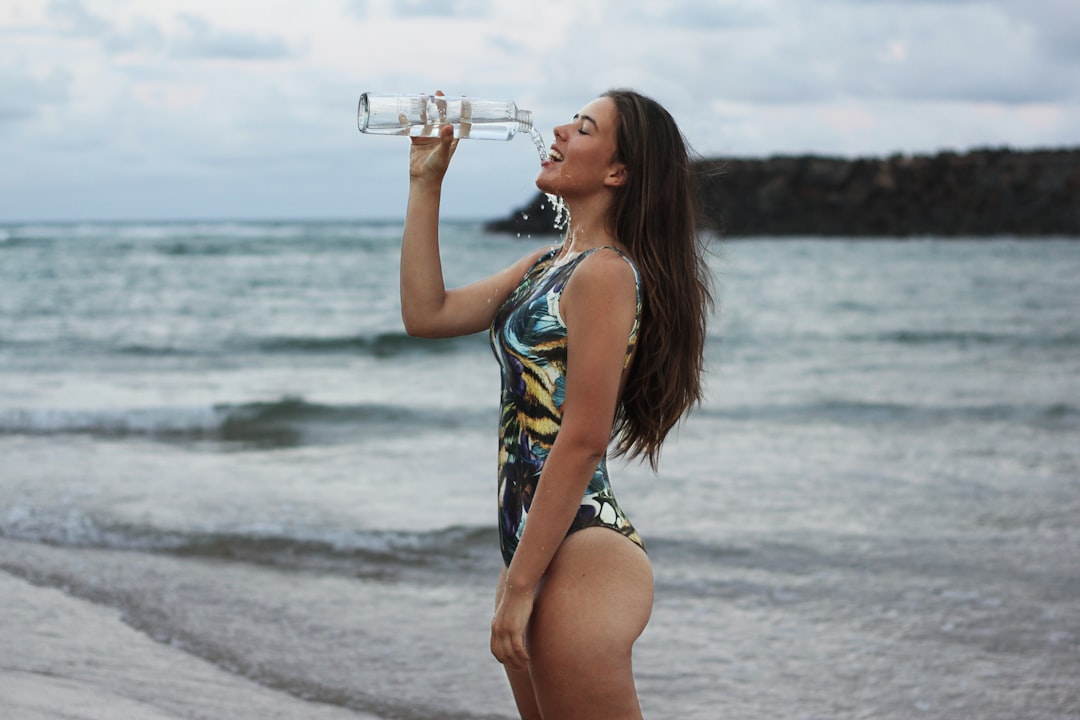
Here’s the single most underrated factor in the whole debate, and it never makes the flattering charts: how easy is it to pee? A bikini wins this one without much of a contest. Slide the bottoms down, done, back to your towel in under a minute. A one-piece asks more of you — peeling a damp suit off your shoulders and torso in a cramped, sandy stall, then wrestling it back up over wet skin. If you’re the kind of person who drinks a lot of water on a hot day, or you’re chasing kids who need the restroom every twenty minutes, this stops being a footnote and becomes the deciding vote.
It’s worth naming because it’s the kind of thing you only discover after buying. Plenty of people fall for a gorgeous one-piece online, wear it once to a festival or a theme park, and never again — not because it looked wrong, but because the bathroom math didn’t work. If your day involves long stretches away from a private, comfortable changing space, weight that heavily.
Tan Lines: The Trade-Off You Wear for Weeks
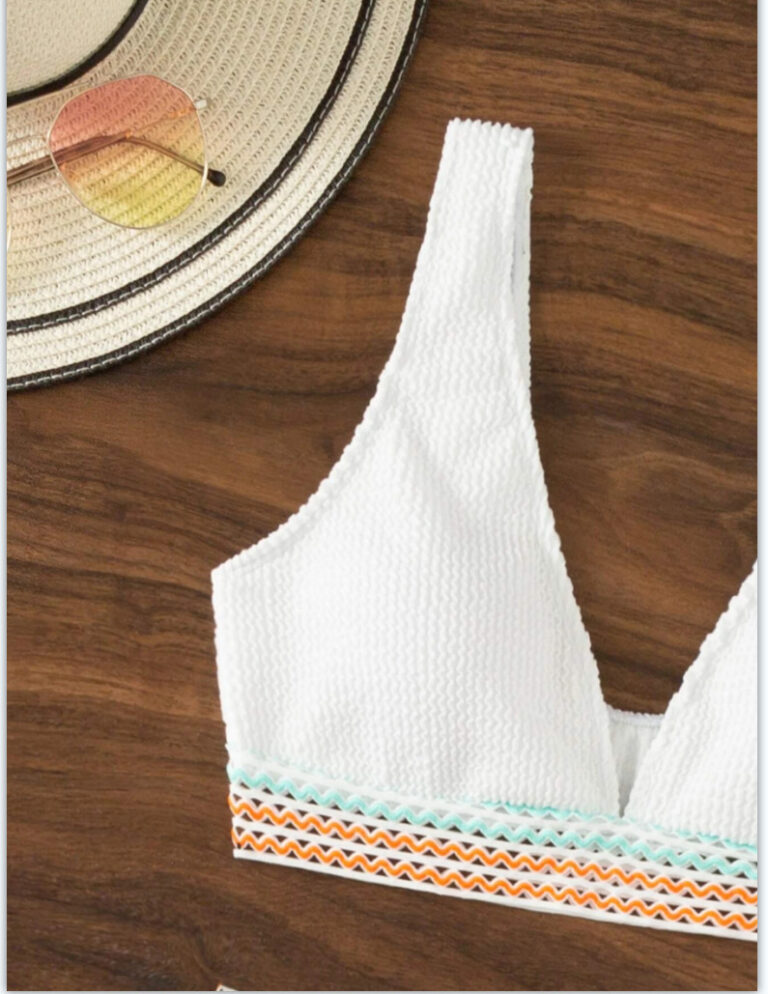
Whatever your feelings about tanning, the lines a suit leaves behind outlast the beach day by a long stretch. A one-piece draws a clean, closed boundary across your shoulders, back, and hips — which some people love for its simplicity and others find limits what they can wear afterward. A high-cut leg or a plunging back changes that map entirely. A bikini leaves the classic two-band pattern, and because you can shift straps or untie a back closure, you have more control over where those lines land.

None of this is about chasing a tan — dermatologists are clear that unprotected sun exposure isn’t a health goal. It’s simply that the suit you wear on Saturday quietly dictates which dress works on Sunday. If you rotate through strappy tops, backless dresses, and different necklines all summer, a bikini’s adjustability gives you fewer awkward surprises. If you mostly live in t-shirts and don’t think twice about it, a one-piece’s tidy border won’t bother you at all. Either way, the real hero here is sunscreen, reapplied often, regardless of coverage.
Shop Reef-Safe Sunscreen SPF 50 on Amazon →
Quick Changes: Beach to Bar, Pool to Car
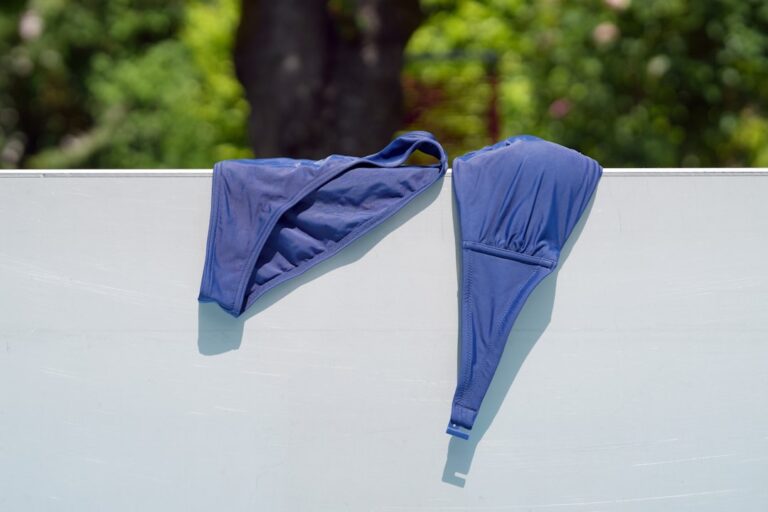
Tan lines aside, the other everyday moment nobody plans for is the actual changing — not the leisurely kind in a bedroom, but the rushed kind in a car, a beach-shower stall, or a public restroom with a line forming outside. A bikini shortens this to seconds: top off under a cover-up, bottoms swapped for shorts, done. A one-piece asks for real privacy and real time, because there’s no halfway version of taking it off.

This matters most on the days that aren’t purely beach days: a pool stop on the way to dinner, a water-park visit squeezed between errands, a swim before catching a flight. If you’ll be transitioning straight from wet to dressed with no proper changing room in between, weight that heavily — it’s the same lesson as the bathroom problem, just stretched across the whole day instead of one trip to the restroom.
There’s one place the one-piece claws the advantage back: it can double as the outfit. A sleek one-piece under a linen skirt reads as a bodysuit, so you’re not really “changing” at all — you’re adding, not swapping. A bikini top can’t pull that off alone. If your day is genuinely about packing light and transitioning between the beach and somewhere else, our travel packing guide goes much deeper on that specific trade-off.
Comfort Over a Long Day
Comfort compounds over hours. A one-piece with straps that fit will distribute its hold across your whole torso, which many people find more relaxing for a full-day outing — nothing digging into a single point. But a one-piece cut wrong in the torso is uniquely miserable: too short and it drags at your shoulders and rides up between your legs every time you stand, with no easy fix. There’s no adjusting a one-piece the way you can loosen a bikini strap or retie a side.
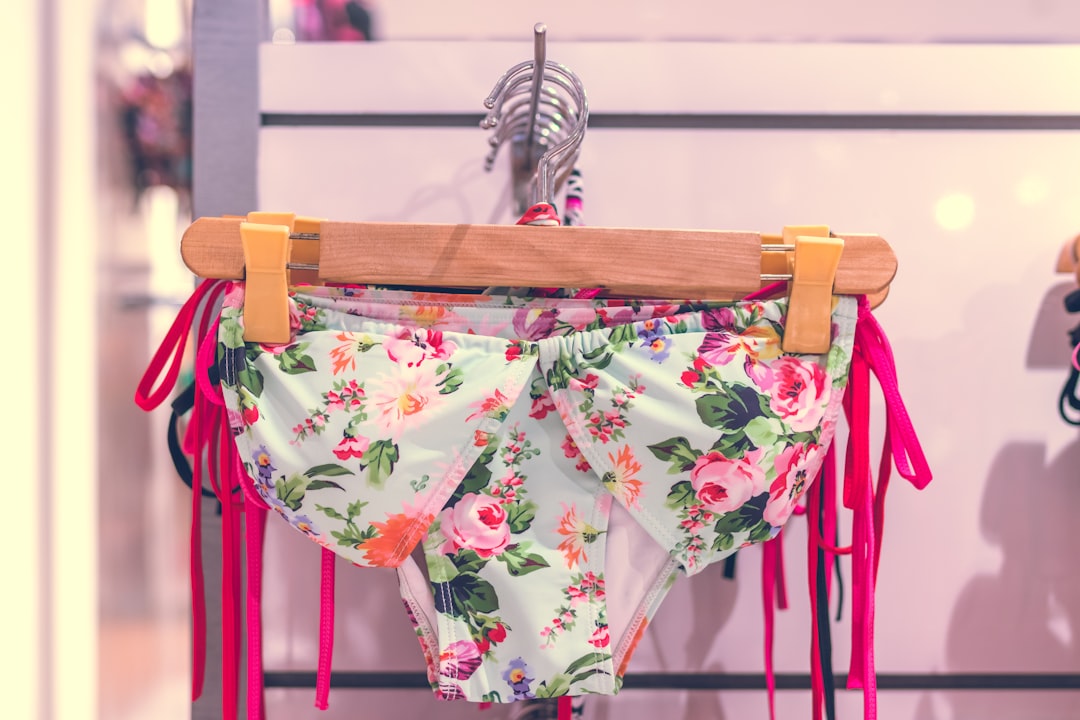
Bikinis put the pressure on your hips and shoulders in smaller doses, and their adjustability means you can fine-tune the fit as the day changes — loosen a tie after lunch, snug up a strap before a swim. The flip side is more points of contact to think about, and more places for a poorly-fitted piece to chafe. Whichever you pick, the enemy of comfort is the wrong size, not the wrong style. A suit that fits your actual torso length and hip measurement will beat a “more forgiving” silhouette in the wrong dimensions every time.
So Which One Is Actually For You?
Notice that not one of these trade-offs is about how your body looks. They’re about how you plan to spend the day. Reach for a one-piece when you’ll be in and out of the water constantly, when you want a piece that pulls double duty as an outfit, or when a single, settled layer just feels like less to manage. Reach for a bikini when bathroom access is limited, when you want packing flexibility, when the day is more lounging than lap-swimming, or when you simply like the freedom of adjusting each piece to your body.
And here’s the quiet answer most people arrive at eventually: you don’t have to choose one team for life. Owning one of each, matched to the kind of day ahead, solves nearly every trade-off on this list. A one-piece for the swimming holiday and the day that runs into dinner; a bikini for the lazy beach afternoon and the trip where the suitcase is already full. The best suit isn’t the most flattering one — it’s the one that disappears, letting you forget you’re wearing it and get on with the day.
Shop Supportive One-Piece Swimsuits on Amazon →

The Bottom Line
A one-piece versus bikini comparison only becomes useful when you stop asking which is more flattering and start asking which fits your actual day. Bathroom access, tan lines you’ll wear for weeks, how each moves in the water, what fits in your bag, and comfort measured in hours rather than seconds — those are the factors that determine which suit you’ll love and which one stays in the drawer. Match the suit to the plan, buy for real fit over silhouette hype, and let your body simply be along for the ride.
Sources
- Wikipedia — One-piece swimsuit
- Wikipedia — Bikini
- American Academy of Dermatology
- Skin Cancer Foundation
Shop our full range of bikinis and swimwear at the BikiniCool store →