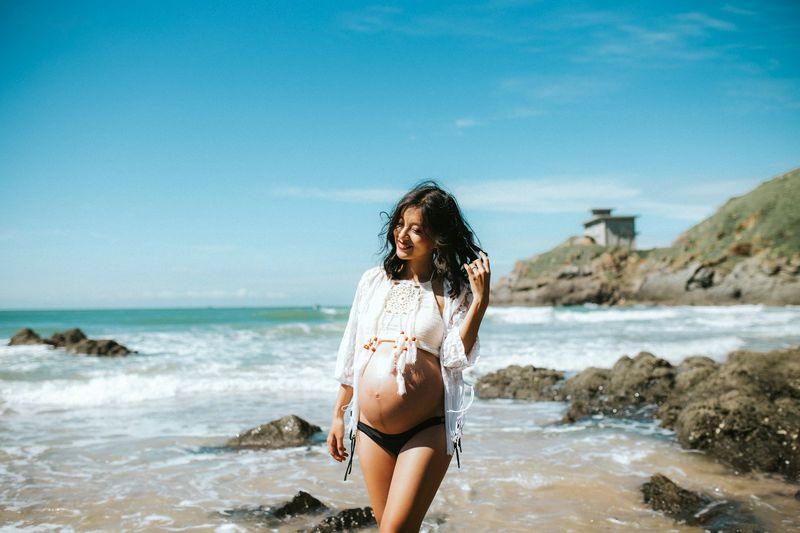
Best Maternity Bikini: 9 Bump-Friendly Picks for Every Trimester
The right maternity bikini stretches with your body from week 14 through your final weeks — most regular two-pieces simply don’t. The cuts that work share three traits: rib bands that don’t dig under the bust, bottoms that sit either well above or well below the bump (never across it), and side ties or ruching that let you adjust on a daily basis as your shape changes. Get those three right and you’ll wear the same suit for months instead of buying a new one each trimester.
What Makes a Maternity Bikini Actually Work
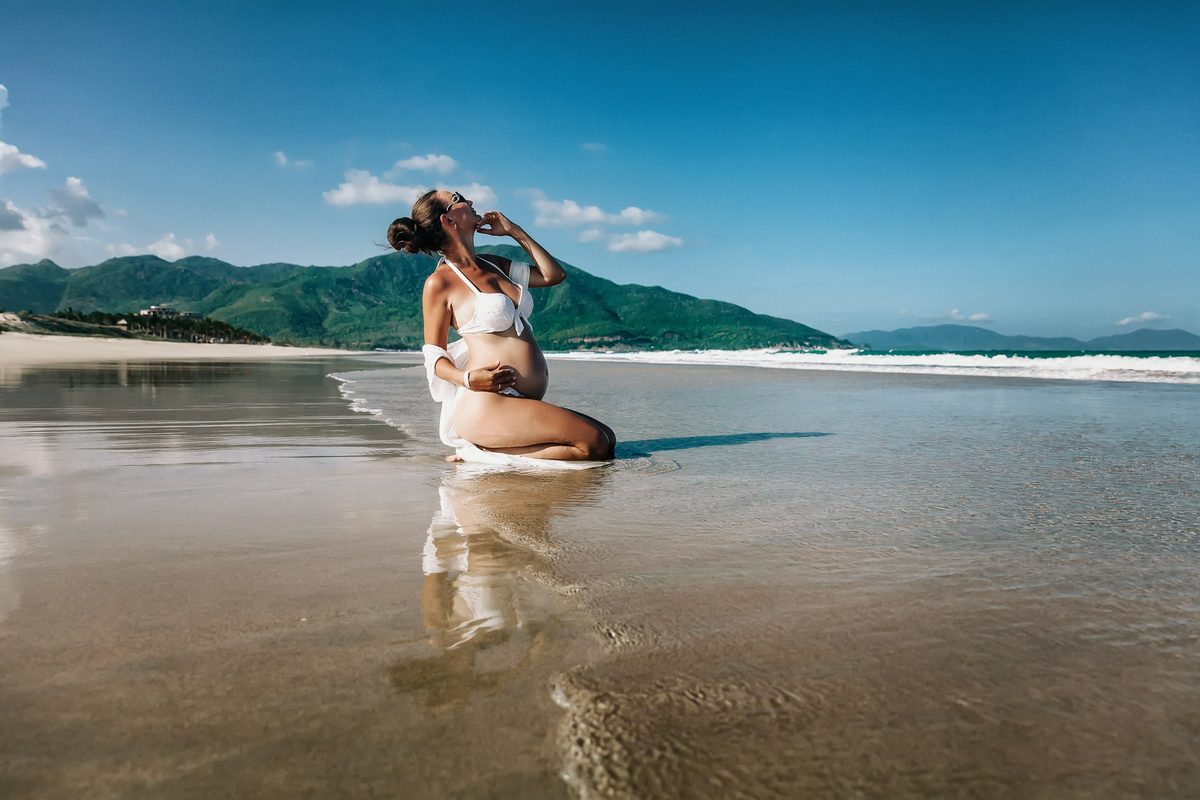
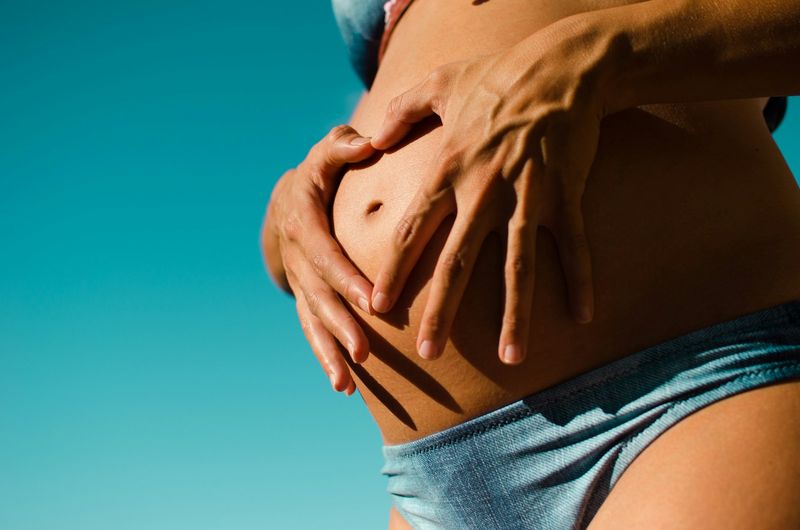
The single biggest difference between a regular bikini and one that genuinely flatters a pregnant body is the rise of the bottom. A standard low-rise sits at the widest point of a growing belly, which both cuts in and visually emphasizes the cut-off line. A high-waisted bottom that reaches over the bump or a low-slung tie bottom that sits well below it gives you a clean silhouette without the dreaded muffin effect — and unlike compression maternity panels, it stays comfortable past about week 28 when nothing tight feels good anymore.
Tops matter too, but for a different reason. Breast size in pregnancy can climb by two cup sizes in the first trimester alone, according to research from the American College of Obstetricians and Gynecologists. That means whatever you buy in week 12 may not fit by week 24 — so adjustability is everything. Halter ties, sliding triangles, and bra-style hook-and-eye backs all give you growth room. Fixed bandeau and triangle tops with sewn-in straps do not.
The 9 Best Maternity Bikini Styles for Every Trimester
These nine styles cover every body shape and every stage. None of them are technically marketed as maternity-only, which is the point — a well-cut adjustable bikini outperforms most “maternity” labels at half the price, because the maternity category quietly carries a premium of around 20 to 40 percent for the same fabric.
1. High-Waisted Two-Piece
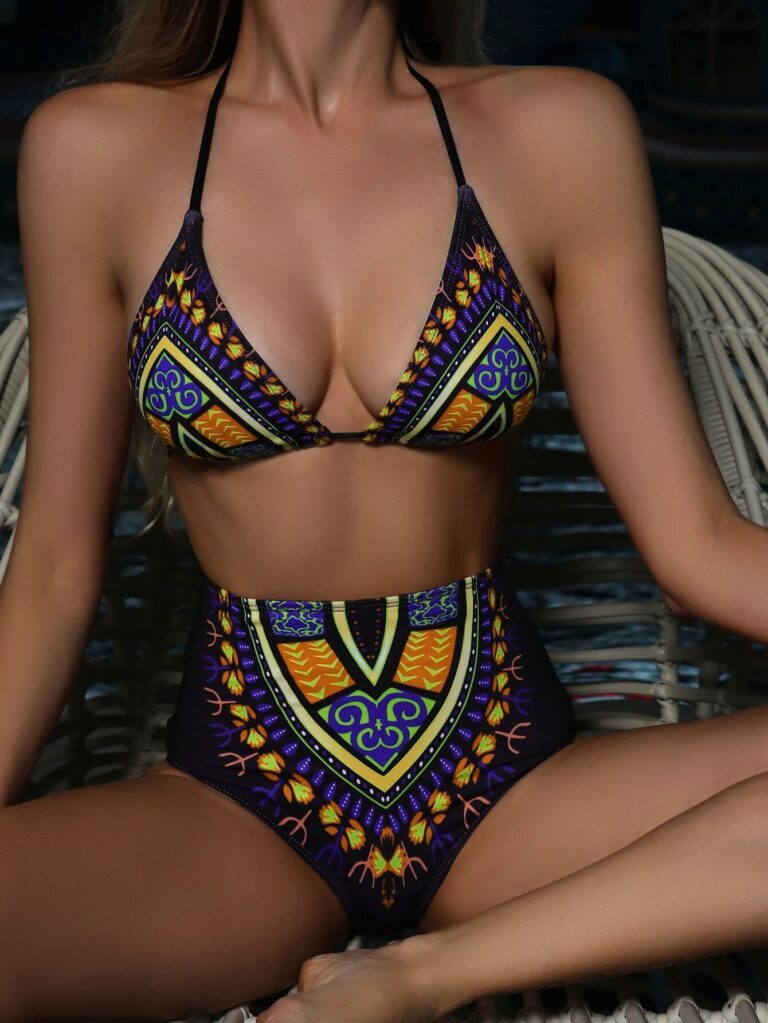
The high-waist bottom is the workhorse of pregnancy swimwear. The waistband sits above the bump rather than across it, which both supports your lower back and gives a smooth line from rib cage to hip. Look for at least 4 inches of fabric above the natural waist and side panels with some lycra stretch. Avoid versions with rigid boning or zippers — both pinch by month seven.
2. Tie-Side Bottoms
Side-tie bottoms are the most adjustable pregnancy bikini bottom on the market. Loosen the ties an inch every two or three weeks and the same pair stretches across an entire pregnancy. They sit low on the hip, well below the bump, which works especially well for women who don’t love anything pressing over the belly.
3. Tankini with Bikini Bottom
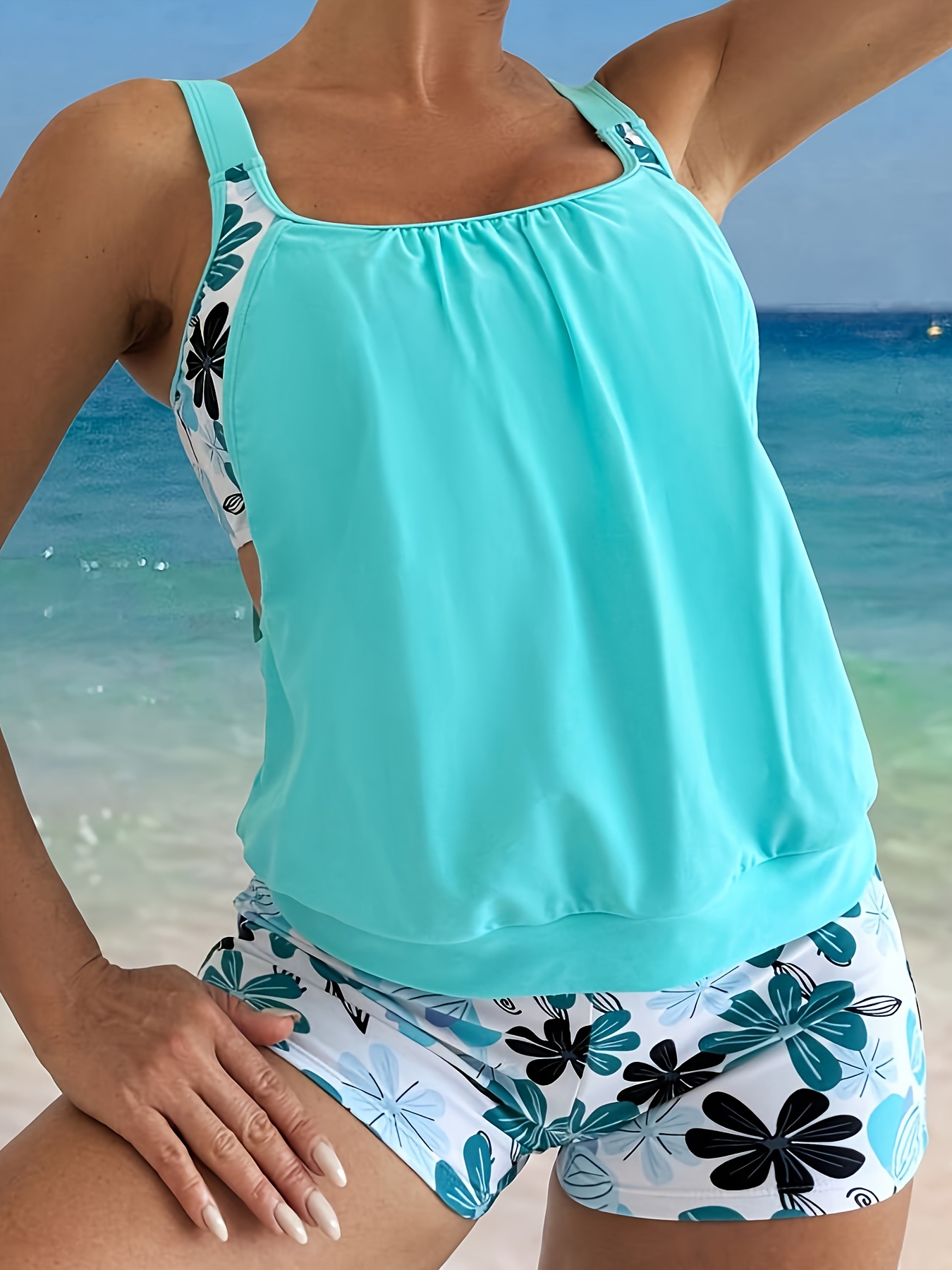
A tankini paired with a stretchy bottom gives you bikini-level mobility with one-piece coverage of the bump. The top moves freely, so you can lift it for sun on your stomach or pull it down for full coverage. The tankini guide covers the strongest cuts in this style — most of them transition into maternity rotation without modification.
4. Wrap-Front Bikini Top
Wrap tops cross at the bust and tie at the back, which means you control how snug the band feels. As your ribs expand — and they do, by an average of 5 to 7 centimeters according to Mayo Clinic — you just retie the wrap looser. Wrap tops also give the largest natural lift of any non-underwire style, which matters more than you’d think by the third trimester.
5. Underwire & Adjustable Maternity Bikini Top
If you went into pregnancy with a D cup or larger, an unsupported triangle isn’t going to cut it past month four. Underwire bikini tops with hook-and-eye backs let you size up a band number without buying a new suit. The trick is to size up early — once your ribs expand, you can’t compress them back to where they started.
6. Triangle Top with Halter Straps
The classic halter triangle remains the most-bought top in pregnancy because it adjusts in three places: around the neck, around the back, and at the slide. Slide the triangles wider to give your growing bust more coverage. Halter neck ties also redistribute weight to your shoulders, which spares your upper back the strain of a back-only tie.
7. Ruched Side Bottoms
Ruching on the side panels creates visual flow without adding bulk. The gathered fabric stretches sideways instead of pulling flat, which means the bottoms expand around the hip without riding up. Pair these with a high-waist or low-rise — both work, depending on which side of the bump you prefer your waistband.

8. Boy-Short Style Bikini Bottoms
Boy-shorts give thigh coverage that thong or cheeky cuts can’t match — which matters when you’ve been retaining water for weeks and your thighs are doing things they’ve never done before. The flat seam at the waist sits comfortably below the bump, and the leg opening is generous enough that it doesn’t dig at the upper thigh.
9. Convertible One-Shoulder Bikini
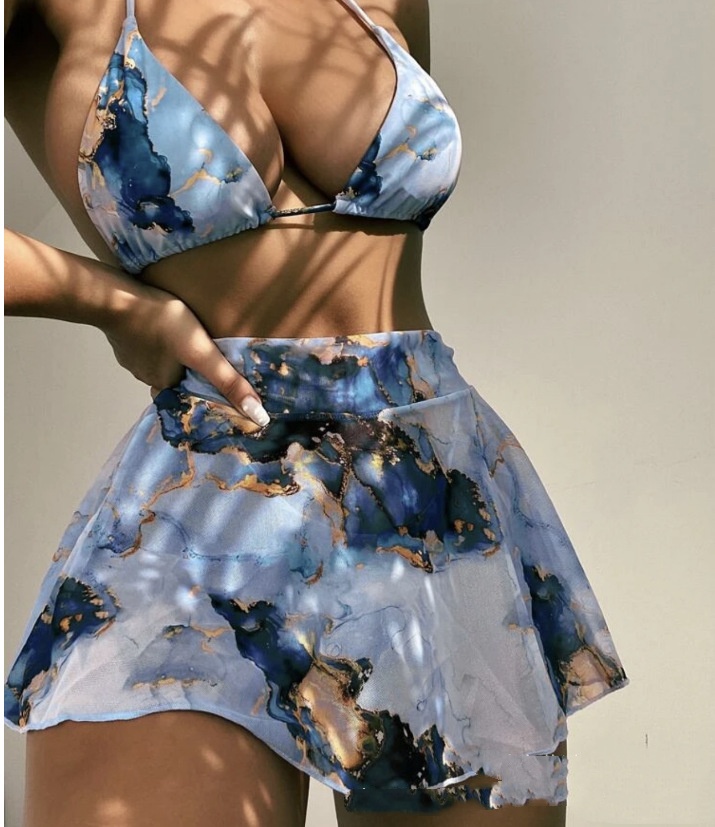
One-shoulder asymmetric tops draw the eye diagonally across the chest, which visually breaks up the front-on bump silhouette. Most convertible styles let you wear them as halter, one-shoulder, or strapless — three suits in one. The one-shoulder layout also gives you a free hand to adjust if anything feels tight, which is more useful than it sounds at 38 weeks pregnant.
Picking by Trimester
Your bikini needs change roughly every 8 weeks of pregnancy. What worked at week 12 will not work at week 36, and trying to stretch one suit across the whole pregnancy usually ends with one of you losing.
First trimester (weeks 1–13): Your existing two-piece probably still fits, but pay attention to your top — the breast change happens fast and is the first thing to outgrow. Buy your second-trimester top early, around week 10, with adjustable straps and a band that fastens with hook-and-eye.
Second trimester (weeks 14–27): This is when high-waist bottoms become your best friend. Tie-side bottoms also start to outperform fixed-waist pairs because you can adjust them weekly. Avoid anything with a rigid band, including most underwire tops marketed as “pregnancy-safe.” Comfort matters more than support at this stage.
Third trimester (weeks 28+): Now you want low-slung tie bottoms that sit far below the bump, or a high-waist that goes all the way up to the rib line. Anything in between cuts across the widest point and gets uncomfortable within an hour. Tankinis and one-pieces also become legitimate options here — by week 35, full coverage starts feeling like a feature, not a compromise.

Fabric Tips for Pregnant Skin
Pregnancy skin reacts differently. Hormonal melasma, stretch-mark-prone areas, and a generally lower heat tolerance all factor in. Stick with high-stretch lycra-spandex blends in the 18–22% spandex range — anything stiffer fights your body’s daily shape changes and anything softer loses structure within a few washes.
Recycled nylons made from regenerated ocean plastic (look for ECONYL on the label) are a strong pick because they tend to be both softer than virgin nylon and faster-drying, which matters when you’re getting in and out of the water more often. Skip anything marketed as “quick-dry polyester” without lycra — pure polyester suits get rough against pregnant skin within a few wears.
Color choice has a quiet sun-protection angle too. The CDC’s sun safety guidance notes that darker fabrics absorb more UV than lighter ones. For a pregnant woman especially — when melasma can darken skin pigment in patches — that translates to less direct UV exposure on the bump. Black, navy, and deep emerald all UPF-rate higher than pastels.
How to Style a Maternity Bikini Beyond the Beach
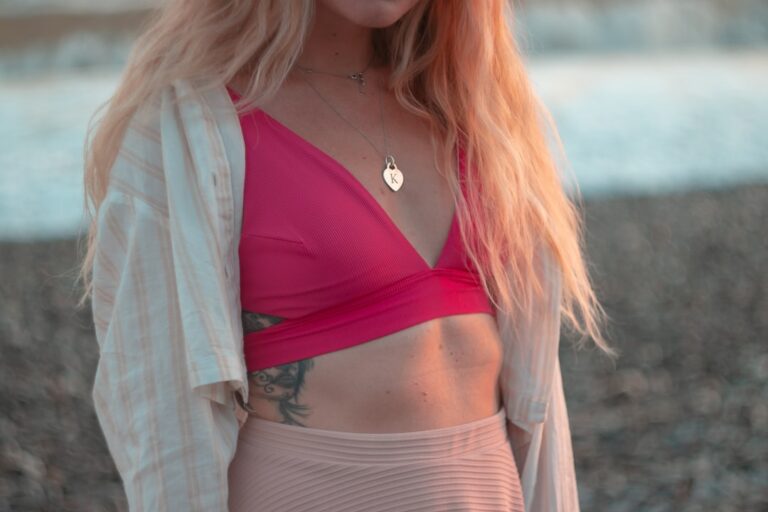
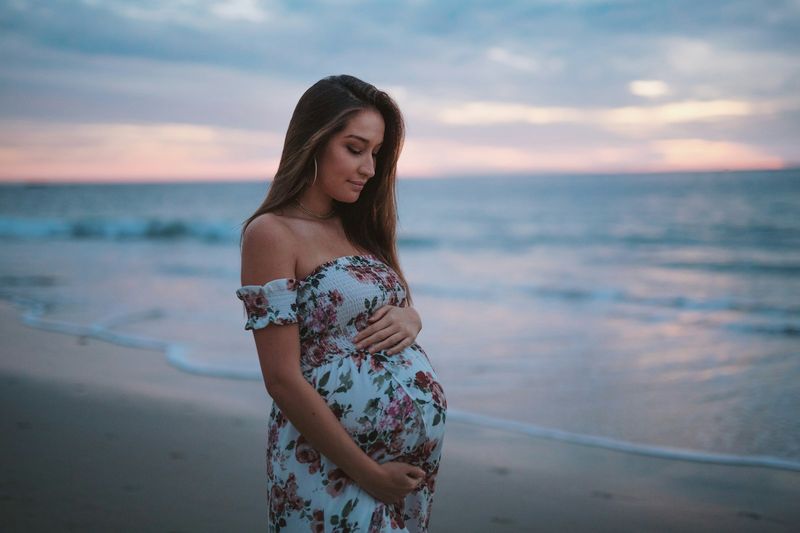
A bikini paired with a flowing cover-up reads as a daytime outfit, not pool gear. Linen kaftans, sheer cotton button-downs worn open, and oversized cotton shirts all work. The trick is silhouette contrast — fitted bikini under, loose layer over. A floral wrap dress or smocked off-shoulder maxi over a bandeau bikini takes you from pool to lunch without changing.
For pool days at a resort, swap the kaftan for a long terry robe in cream or sand. For city pool clubs, a high-waist bikini with a tucked-in linen camp shirt and a wide straw hat passes anywhere. Look at the curvy figures fit guide for more on layering silhouettes — most of the same rules apply through pregnancy.
Maternity Bikini Mistakes to Avoid
The first mistake is buying too small in anticipation of “growing into it.” Pregnancy isn’t a one-direction expansion — your body fluctuates daily, and the swelling in the third trimester especially can add and lose two inches around the band in a week. Buy for where you are, not where you’ll be in six weeks.
The second is overpaying for the maternity label. A regular high-waist bikini with adjustable ties does the same job as a “maternity bikini” priced 30% higher. The exception is bikini tops in larger cup sizes — there, the maternity-specific construction often does include real underwire engineering you won’t find in standard ranges.
The third is ignoring sun exposure on the bump. The skin stretching across your belly is thinner and more reactive than it was pre-pregnancy. Even if you’ve never burned easily, the bump can pink up in under 20 minutes of direct sun. A high-SPF mineral sunscreen specifically for sensitive skin, reapplied every 90 minutes, is the minimum. The tummy control bikini guide covers a few hybrid styles that double as light UV protection.
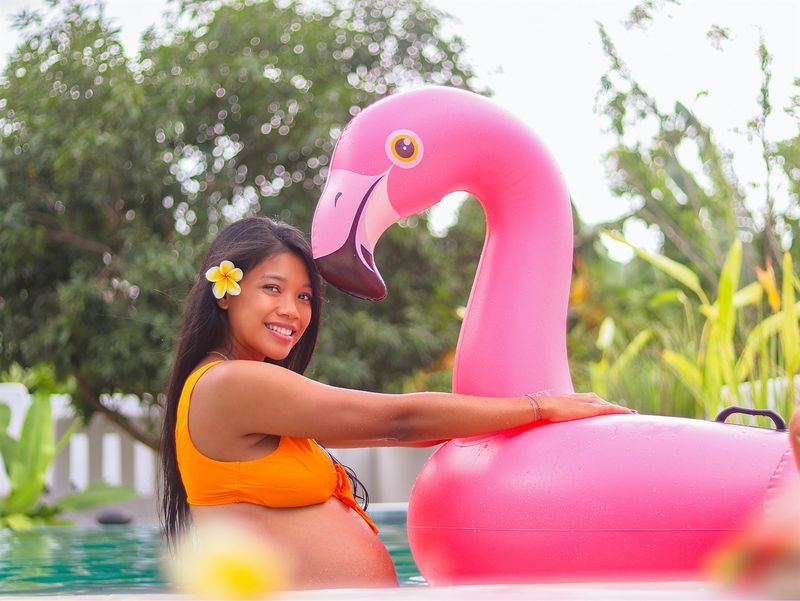
Watch: Honest Bump-Friendly Swimsuit Try-On
Bikini for Active Pregnancies
Swimming is one of the few exercises doctors actively recommend through every trimester. It supports the joints, lowers swelling, and gives a workout option when running and weight-lifting start to feel risky. For lap swimming or active pool time, choose a fitted top — a bandeau or tie-back triangle — over a loose halter. The compression keeps everything where you want it through repeated strokes.
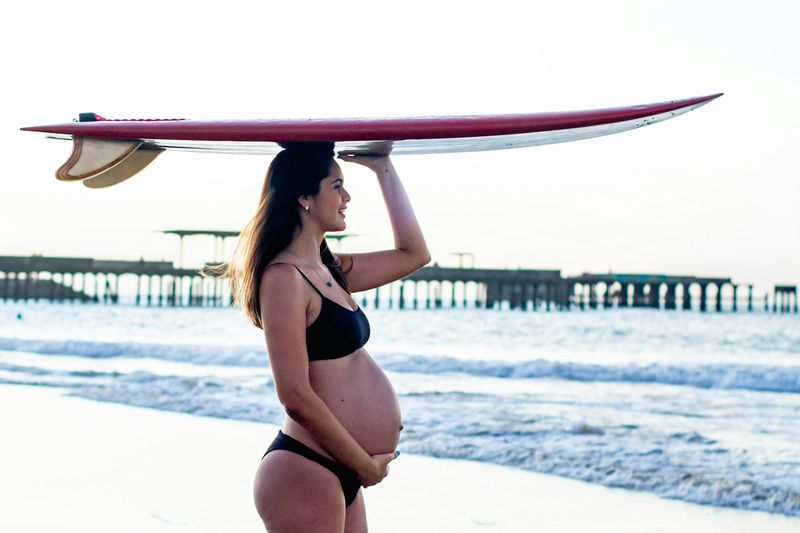
For prenatal aqua classes specifically, a sporty two-piece with a built-in shelf bra outperforms most dedicated “maternity workout swimsuits” because the shelf bra moves with you. Pair with bike-short style bottoms to prevent chafing between the thighs — chafing gets worse in pregnancy as your gait shifts. The high-waisted bikini guide covers a few of these silhouettes in detail.
When a One-Piece Beats a Bikini
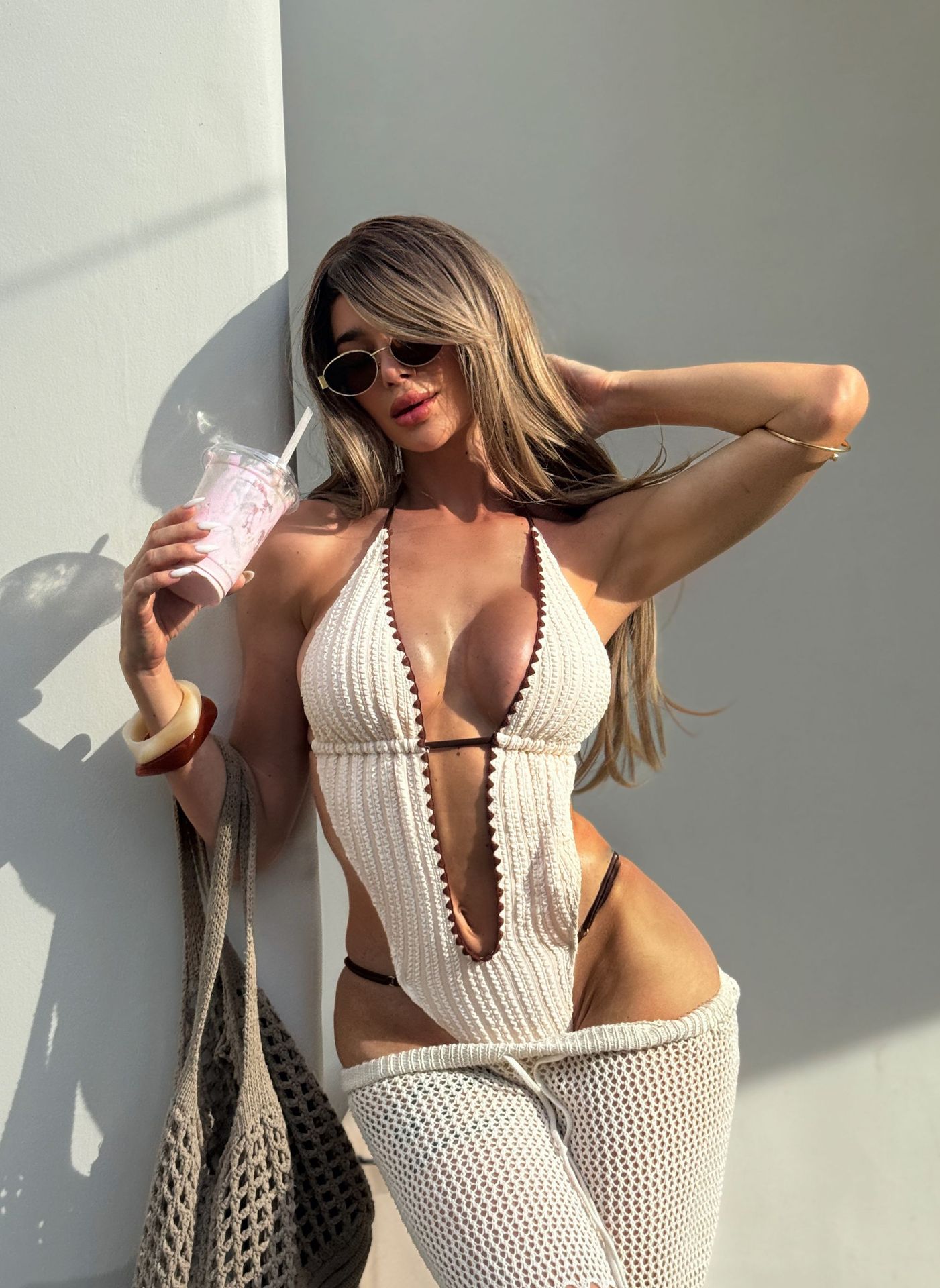
By the third trimester, plenty of women find that a one-piece simply moves better. A bump that hangs low pulls a bikini bottom down with it; a one-piece holds the whole shape and stays put. If you’re going to be in and out of the pool with kids, getting up and down off a lounger, or doing aqua aerobics, the one-piece wins. Save the bikini for slower days where you’re not jumping up every 90 seconds.
The Verdict
The best maternity bikini isn’t the one with “maternity” stamped on the tag — it’s the one that flexes with your body without forcing your body to flex around it. High-waisted bottoms or low-slung ties, an adjustable top, fabric with at least 18% spandex, and the willingness to size your top up early. Get those four right and you’ll spend more time in the water and less time wondering whether something’s about to ride up.
Sources
- American College of Obstetricians and Gynecologists — Exercise During Pregnancy — Guidance on safe activity, breast size changes, and supportive swimwear needs through pregnancy.
- Mayo Clinic — Pregnancy and Exercise — Rib cage expansion data and swimming recommendations across trimesters.
- Centers for Disease Control — Sun Safety — Fabric color and UV absorption guidance for sensitive skin.
- ACOG — Skin Conditions During Pregnancy — Melasma, stretch marks, and skin sensitivity factors that influence swimwear fabric choice.
Shop our full range of bikinis and swimwear at the BikiniCool store →