Plunge Swimsuits: 7 Flattering Styles 2026
WWD, Who What Wear, and Forbes all named the plunge neckline one of the three defining one-piece details of the year, right alongside ruching and cutout hardware. It’s not hard to see why next to a plain scoop-neck tank: the straps meet at the sternum or lower, and the fabric panel narrows to a point well south of where a standard one-piece would close. That drop does something a straight neckline can’t — it elongates the torso and pulls the eye down the body instead of across the hips. Below are seven plunge styles worth actually buying this year, which bust sizes each one works for, and how to keep the look beach-appropriate instead of just risqué.
What Actually Counts as a “Plunge” Neckline
Swimwear brands throw the word “plunge” around loosely, so it helps to know the real cutoff. A V-neck typically stops at or just above the bust line. A plunge goes past it — the fabric splits to mid-sternum or lower, often secured by a single clasp, ring, or knot near the navel instead of continuous fabric. That’s the difference between a suit that reads as “slightly lower cut” and one that’s unmistakably a plunge. Most of the suits in this guide close somewhere between the underbust and the belly button, which is the range where the style actually earns its name instead of just borrowing it for a product listing.
It also helps to separate a plunge from a monokini, since online shops blur the two constantly. A monokini removes fabric at the sides or waist and keeps the top itself fairly covered. A plunge removes nothing at the sides — the cutaway is strictly vertical, running down the center of the chest. You can have both in the same suit, which is exactly what the cutout styles below do, but they’re solving two different problems: a monokini shows more waist, a plunge shows more chest.

The Halter Plunge One-Piece Is Still the Boldest Shape
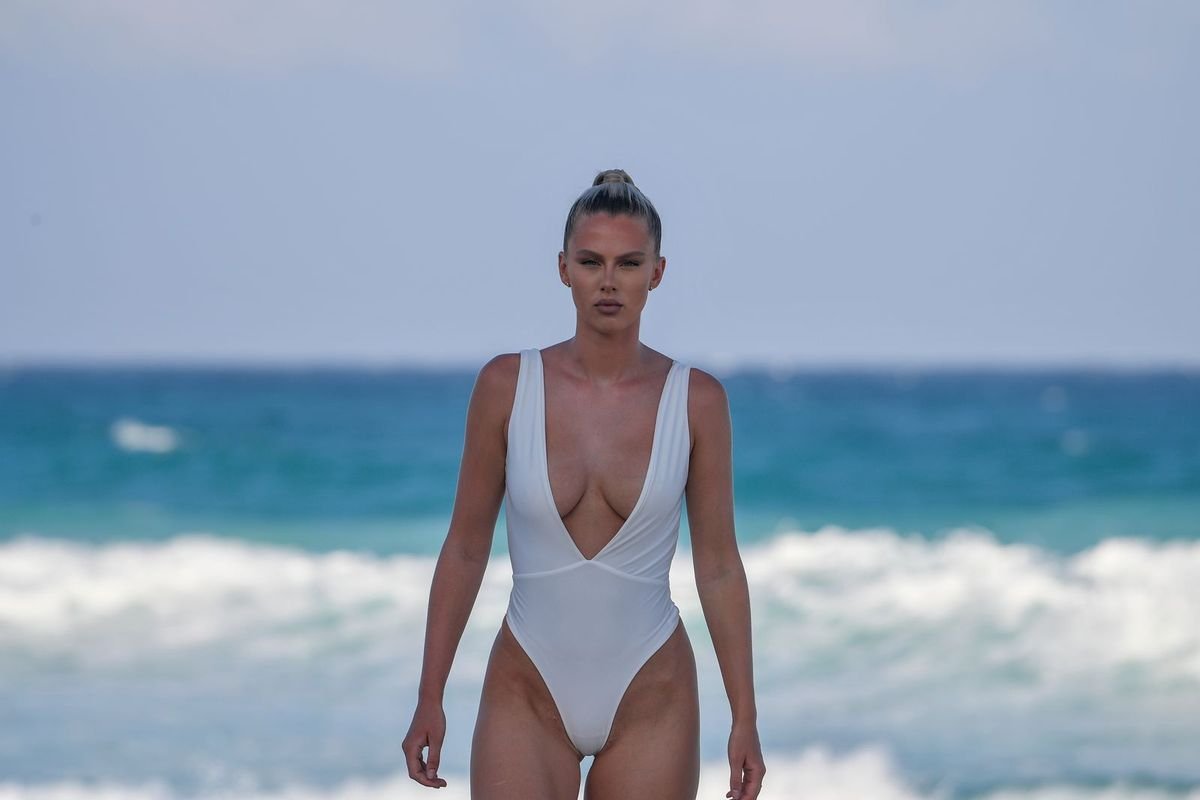
A halter plunge ties or clasps behind the neck, then drops straight down the chest with nothing crossing it. No racerback, no crisscross straps — just a clean line from the collarbone to wherever the suit closes. It’s the shape most people picture when they hear “plunge swimsuit,” and it’s stayed dominant for a reason: the vertical line is the most slimming version of the cut, since there’s no horizontal seam breaking up the torso.
The tradeoff is support. A halter plunge relies entirely on the neck tie and the fabric tension across the chest, so it works best for A through full-B cups without added structure. Past that, look for one with a thin horizontal bar bridging the gap low on the chest — it adds just enough lift without turning a plunge into a crisscross top.
Ruching and Cutout Rings Are Rewriting the Plunge for 2026
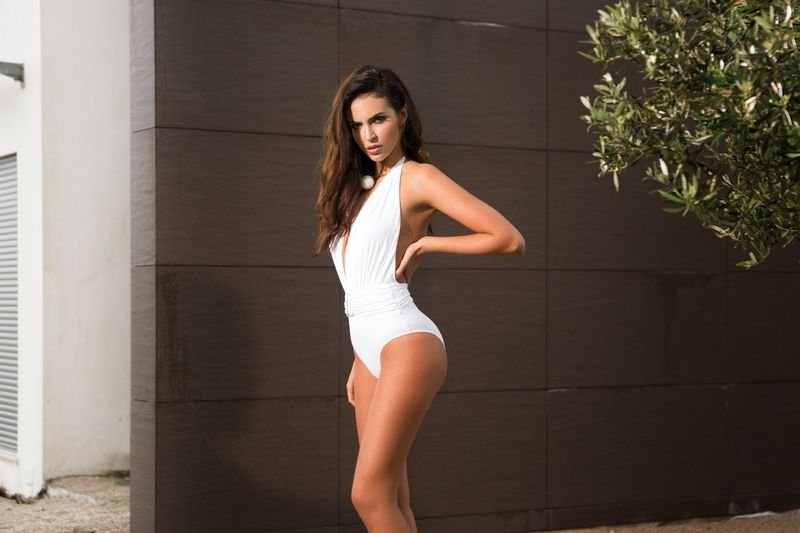
The plain halter plunge isn’t the only version selling this year. Forbes’ summer 2026 trend coverage points to berry and jewel-toned plunge suits finished with dual gold or resin rings at the waist — hardware that does double duty as a cinch and a style detail. Pair that with a side or waist cutout and a vertical ruching panel down the center front, and the plunge becomes the anchor for a suit that’s doing three trends at once instead of one.
Ruching matters more than it looks like it should. A smooth plunge panel shows every crease when you sit down; a ruched one is built to crease on purpose, so it looks the same standing, sitting, or mid-cannonball. If you’ve been avoiding plunge suits because they look stiff in photos where you’re not standing perfectly straight, the ruched version solves that specific problem.
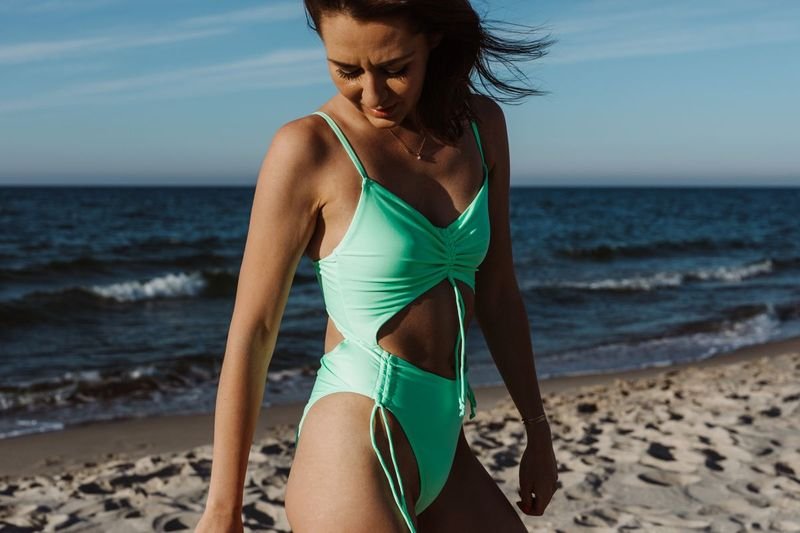
The Sporty Plunge: Zip-Front Suits Built to Actually Swim In
Not every plunge suit is built for standing still on sand. A growing slice of the category now ships with a front zip instead of a tie or clasp, which means the depth of the V is adjustable — zip it higher for laps, lower for lounging. It’s the same logic surfers and triathletes have used in wetsuits for years, just applied to a one-piece. The zip also solves the practical problem plunge suits have always had: getting in and out of one without help.
This is the plunge style to buy if the suit actually needs to survive a pool, not just a photo on the sand. The zip-front construction holds its shape through strokes and ladder climbs in a way that a tied halter plunge doesn’t, and it still reads as a plunge from three feet away.
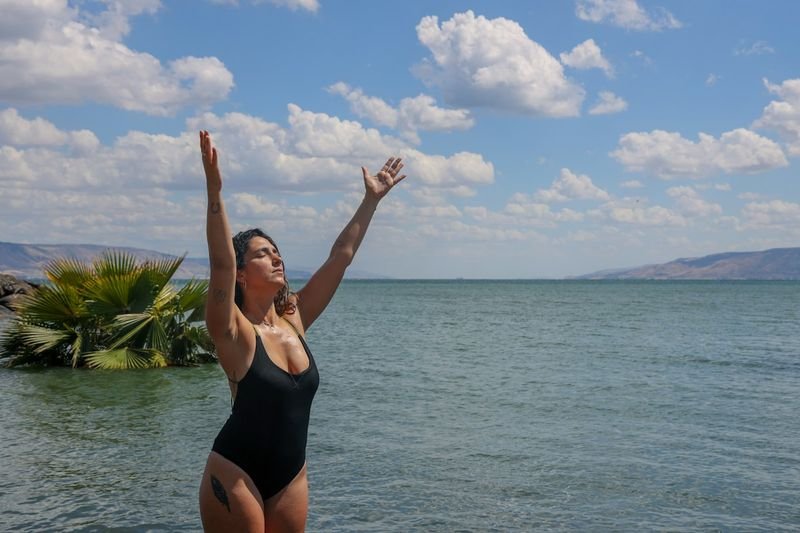
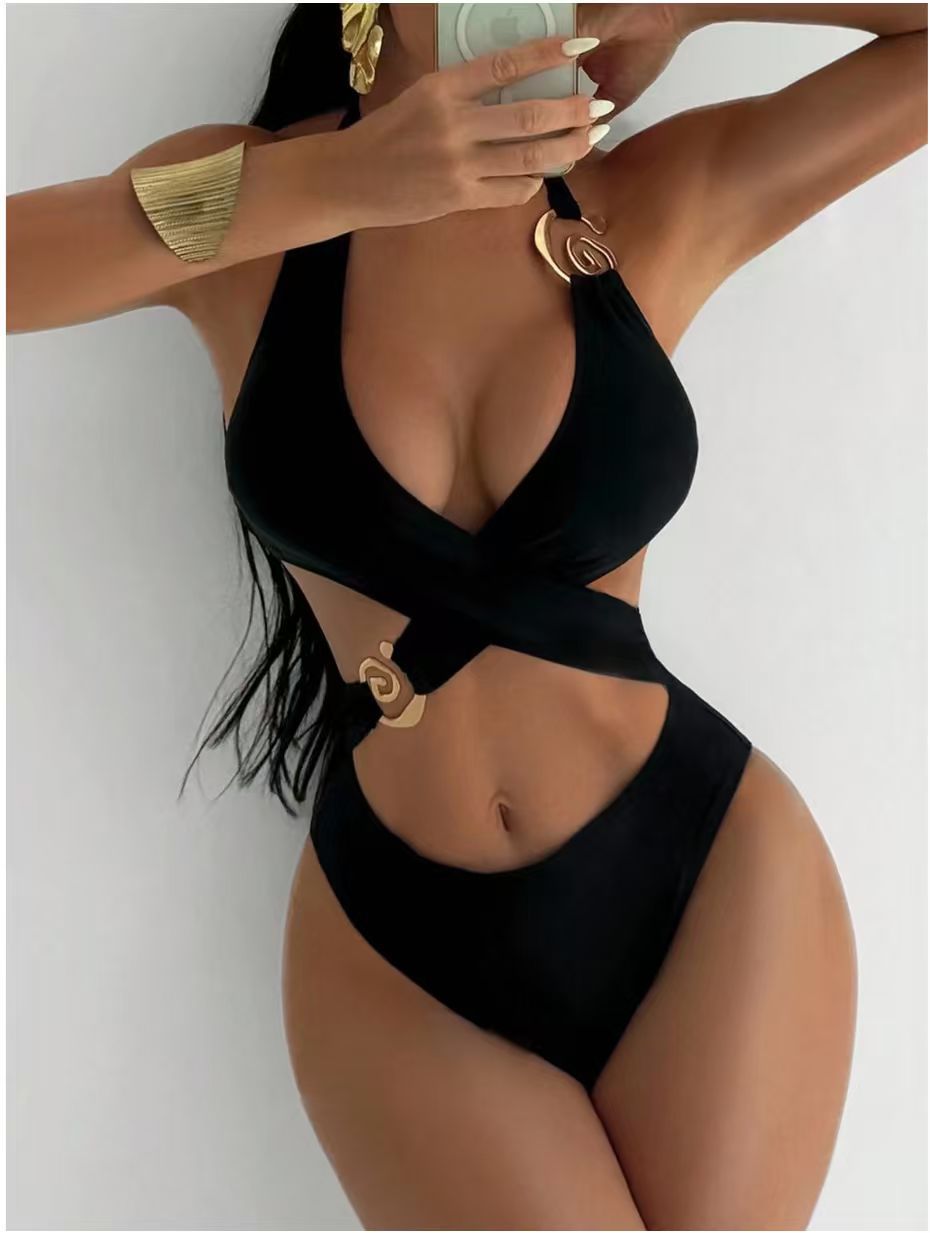
Plunge Necklines and Bust Size: What Actually Works
A plunge is supposedly universal, but the construction that makes it work changes a lot by cup size. For smaller busts, the open V adds the illusion of volume because there’s nothing crowding the chest — Summersalt’s own fit notes on its plunge line make the same point: less fabric reads as more curve when there’s nothing competing with it. For fuller busts, the same open shape without support just means gapping and shifting all day. The fix isn’t avoiding plunge suits — it’s choosing one with the structure most plunge styles skip.
Look specifically for a plunge with an underwire sewn into the lower cup seam, or a horizontal bridge bar low on the chest connecting the two sides. Either one keeps the depth of the V while doing the actual job a bra would do. If a plunge suit has neither, treat it as decorative rather than functional for a full bust — it’ll look right in a still photo and move constantly in the water. For more on what “supportive” actually means in a cut like this, this breakdown of supportive swimwear construction covers the specific features worth checking before you buy.
Sizing a plunge suit also isn’t the same exercise as sizing a bikini top. Because there’s no separate band and cup, the fit comes down almost entirely to the brand’s torso length, not just the chest measurement. A plunge that gaps at the top usually means the torso is too long for your frame, not that the cup is too big — sizing down a band size rarely fixes a gap, but sizing down the overall suit length sometimes does. If a retailer lists a “regular” and “long torso” option for the same plunge style, that’s worth checking before the cup size.

A Deep V Looks Good on More Than One Body Type
Plunge suits get marketed almost exclusively on tall, narrow torsos, which gives the wrong impression that the cut only works on one build. It doesn’t. The vertical line that elongates a long torso does the same thing on a shorter one — if anything, the effect is more noticeable on a shorter frame, since there’s less length to begin with and the plunge is doing more of the visual work. On a curvier frame, a plunge with a defined waist seam or ring detail (like the cutout styles above) does the opposite of what people assume: it doesn’t add bulk, it gives the eye a single clear line to follow instead of several competing ones. Matching a cut to your actual proportions, not a marketing photo, is still the fastest way to find a suit that works.
The honest truth is most people rule out a plunge suit before trying one on, assuming it’s a shape reserved for a specific body. It isn’t. It’s a neckline, not a size requirement, and the suits built with real support work the same way regardless of what’s underneath them.
Petite frames get a specific benefit from the cut that rarely gets mentioned: a plunge draws the eye through the center of the body instead of across it, which reads as added height in photos even without a heel in sight. Pair it with a high-cut leg on the same suit and the vertical line runs nearly uninterrupted from the collarbone to the hip, which is the opposite effect of a horizontal-stripe suit or a wide scoop neck that visually shortens a smaller frame.

Styling a Plunge Swimsuit Without Overexposing
A plunge suit reads completely differently depending on what’s layered with it. A single long pendant necklace sitting inside the V draws the eye to a fixed point instead of the open fabric around it — stacking two or three delicate chains at different lengths does the same thing with more texture. Skip hoop earrings or anything that competes with the neckline itself; the suit is already the statement piece.
For coverage without losing the shape, a sheer kaftan left open down the front extends the same vertical line the plunge already creates, instead of cutting across it the way a cropped cover-up would. If the suit is going straight from beach to a beach bar, that’s the move — not a second outfit, just the same line continued a little further down.

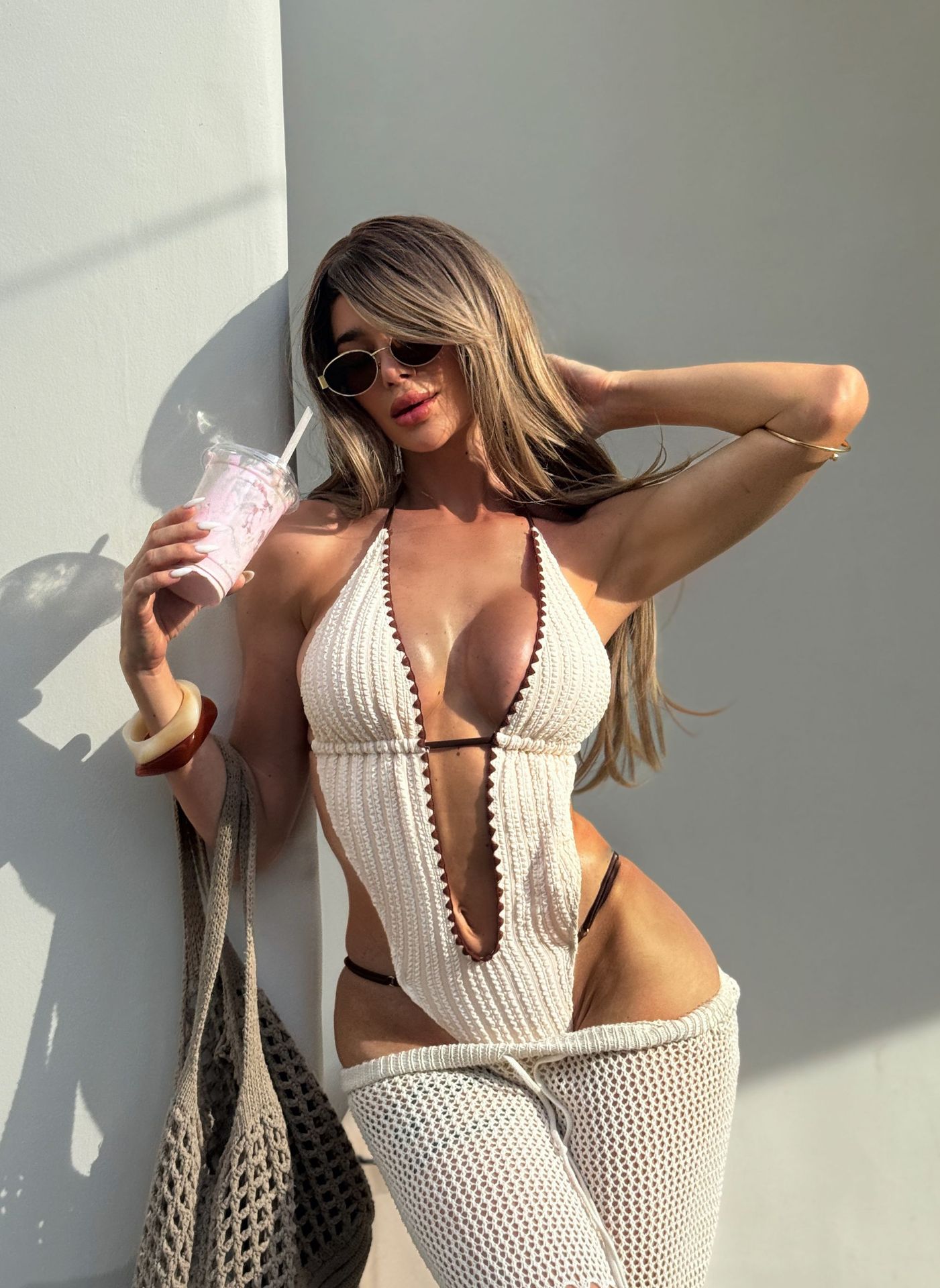
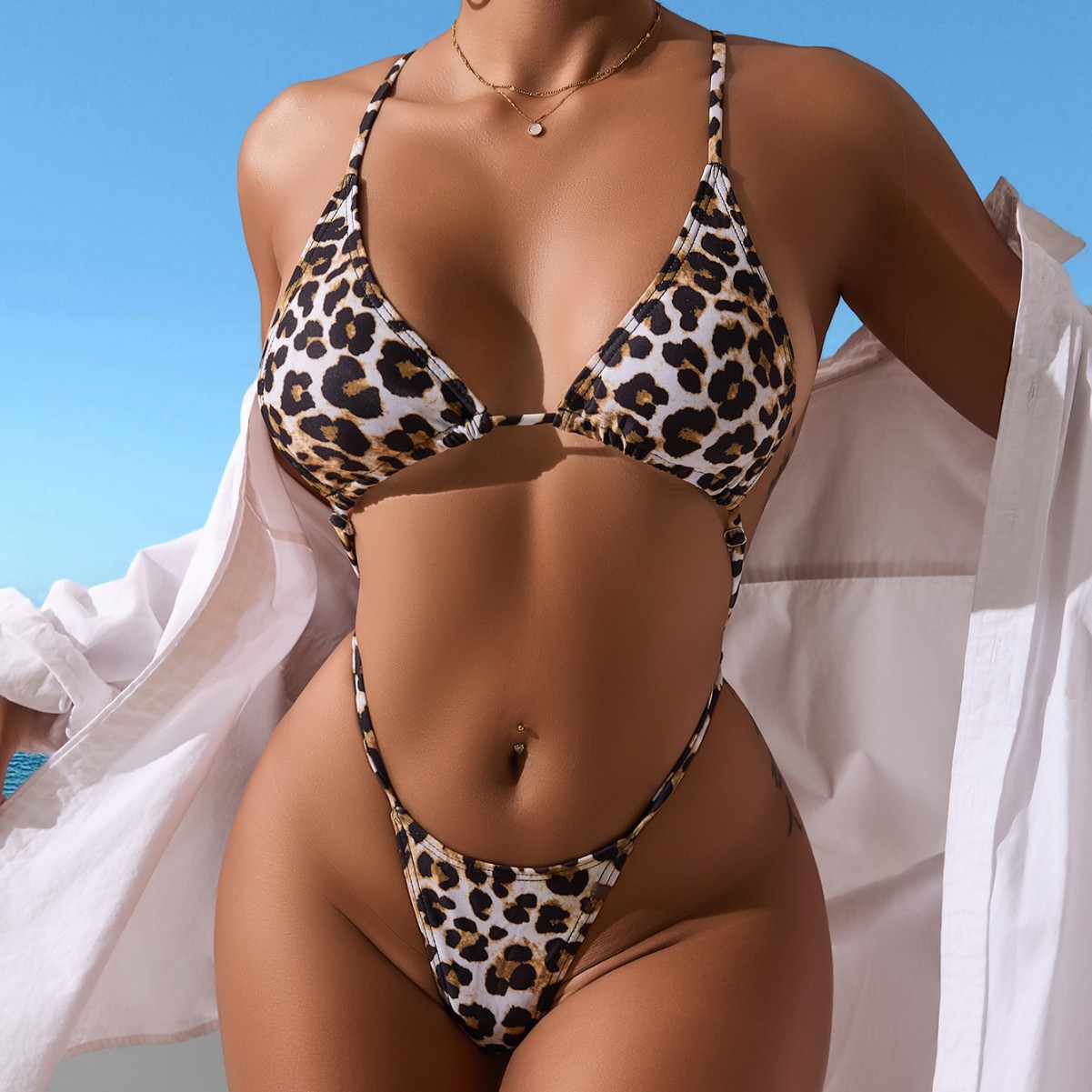
A plunge swimsuit isn’t a one-season trend dressed up with a new name — it’s a cut that’s been in swimwear for decades and keeps coming back because the engineering behind it keeps improving. Buy the version with real support built in, and the rest is just picking which detail (ruching, a zip, a cutout ring) matches how you actually plan to wear it. Try one on before assuming it’s not for you — the suits that make that decision for you are usually the ones with no structure behind the neckline at all.
Sources
- Forbes — Summer 2026 Swimwear Trends That Go Beyond the Beach — cutout rings, zip-front construction, and plunge detailing in this year’s one-piece shapes.
- CNN Underscored — Confidence-Boosting Swimsuits for Every Body Type — stylist guidance on matching swimsuit cuts to body proportions.
- Summersalt — Plunge Swimsuits for Small Busts — fit notes on how open necklines read on smaller busts.