Floral Swimsuits: 9 Best Prints for 2026
Cupshe sold out of its liberty-print one-piece twice last spring before Memorial Day even hit. That is not a fluke — floral is the only print category that shows up on every major 2026 swim trend list, from J.Crew’s revived ’90s daisy to Chloé’s runway blooms, and it is the rare pattern that works equally well on a one-piece, a bikini, or a swim dress. The catch is that “floral” covers a dozen different looks, and the wrong scale on the wrong body reads sloppy instead of chic. Below are nine floral prints actually worth packing this year, matched to the shape and setting where each one earns its keep.
Ditsy Floral — Tiny-Scale Prints That Visually Slim
A ditsy print is an all-over scatter of small flowers, usually under an inch across, repeated densely enough that no single bloom stands out. That density is the whole trick: a tiny repeating pattern reads as texture rather than shape from a few feet away, which is why it slims and elongates straighter torsos better than almost any solid color can. Athletic and rectangle builds benefit most, since the busy micro-pattern adds visual softness without adding bulk.
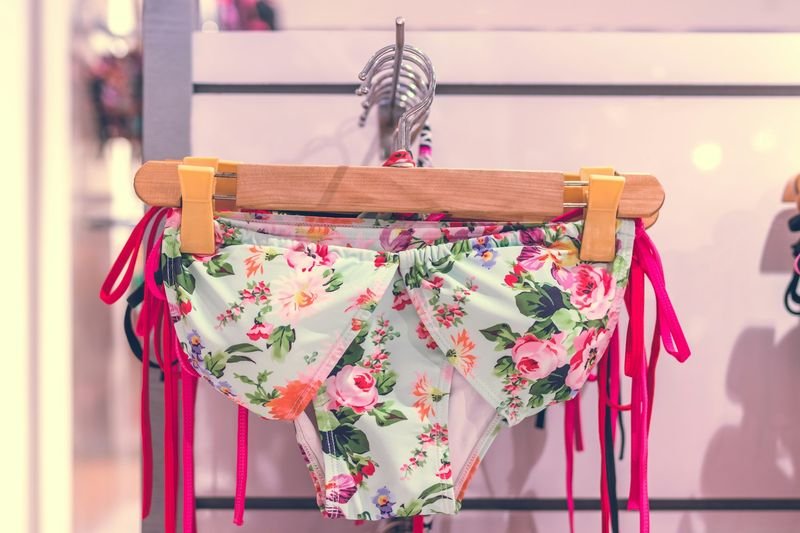
Shop for ditsy florals on a ruched or shirred fabric rather than a flat one. The gathered texture plus the tiny print does double duty, and it is far more forgiving in bright midday sun than a large single-flower placement print, which can look stretched or distorted once fabric pulls across the body.

Tropical and Hibiscus Floral — Bold Scale for Curvier Hips
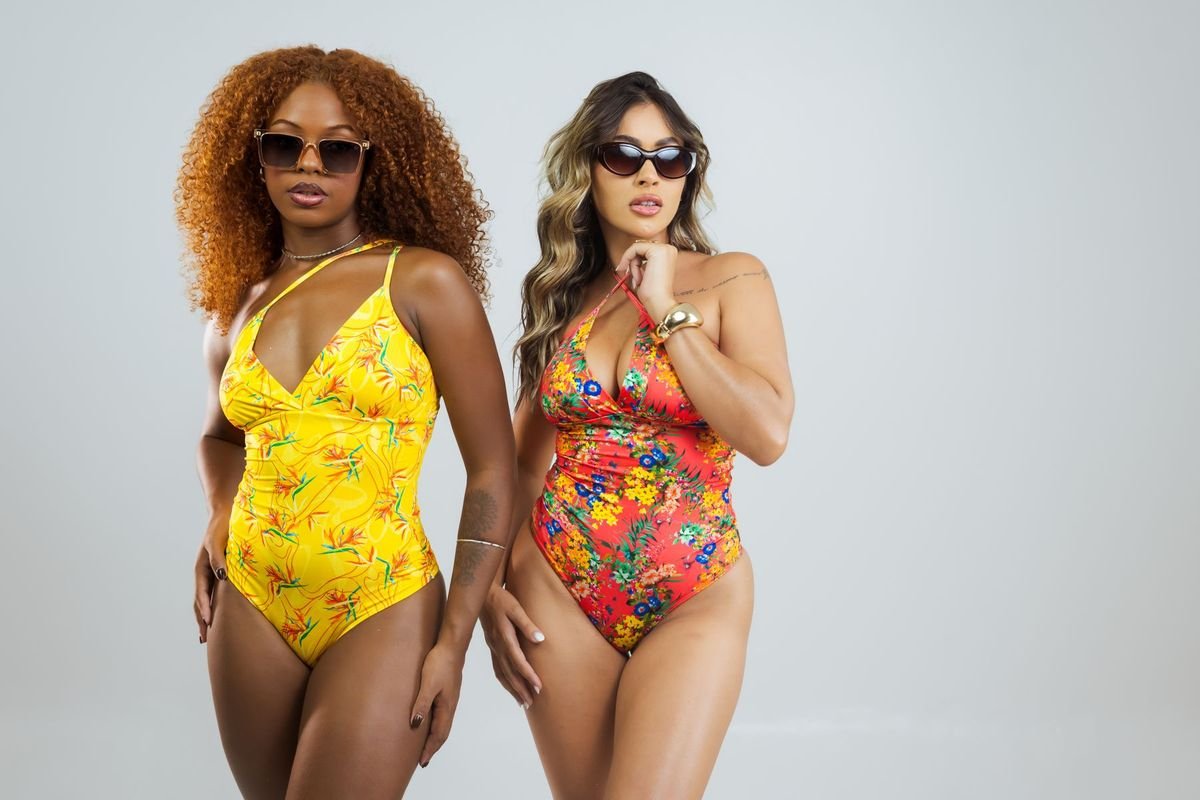
Where ditsy prints work by shrinking, tropical florals work by directing attention. A large hibiscus or bird-of-paradise print placed on a halter top or boat-neck bodice pulls the eye up and out toward the shoulders, which is exactly what a pear-shaped figure wants when the goal is balancing a fuller hip and thigh. Keep the bottoms a plain, darker color and let the top carry the print — mixing bold florals top and bottom usually competes with itself instead of flattering anything.

This is also the print that reads best in photos taken from a distance — on a boat, at a resort pool, across a beach — because the scale holds up even when the subject is small in the frame. A ditsy print turns to visual mud at that distance; a hibiscus print stays legible.
Watercolor Floral — Soft, Painterly Blooms
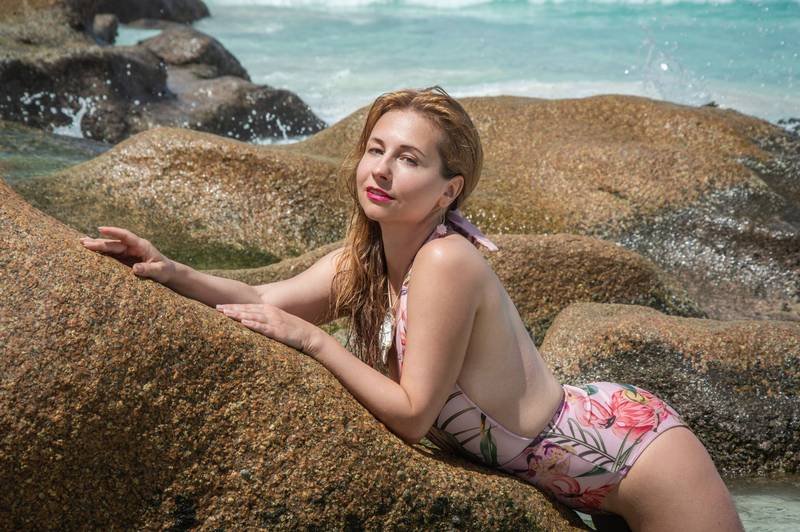
Watercolor florals blur the edges between flowers instead of outlining them crisply, which gives the print a hand-painted look rather than a digitally stamped one. It is the gentlest floral option for anyone who wants pattern without looking like they are wearing a loud statement piece, and it photographs particularly well against turquoise water, where the soft pinks and greens pick up the same light.

Pair a watercolor one-piece with gold jewelry rather than silver — the warmer metal tone matches the muted, washed pigments better than a cooler finish does, and it is a small styling detail most people skip.
Blue Floral — The 2000s Throwback Dominating 2026
Blue floral, especially the deep indigo-and-white combination that mimics delft or chinoiserie patterns, is the single print showing up most consistently across 2026 trend coverage. It reads as a direct callback to early-2000s swimwear, and unlike neon or studded styles from that era, the blue-and-white palette has aged into something that looks intentional rather than nostalgic for nostalgia’s sake.
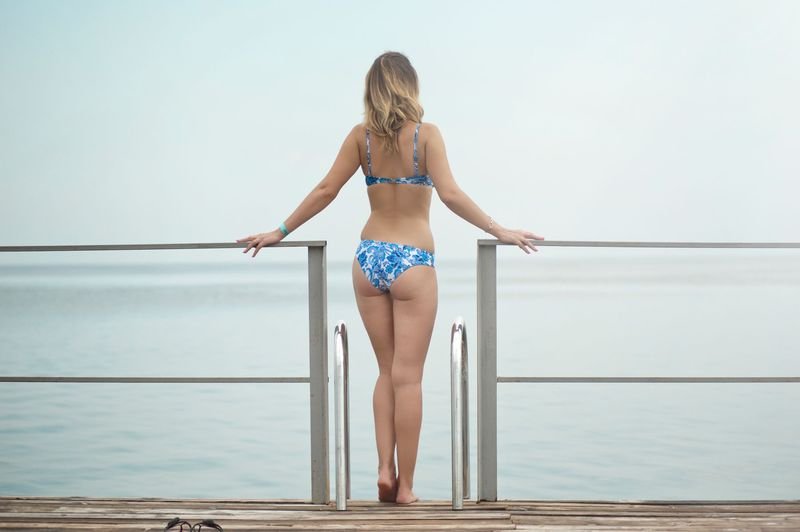
Blue floral also happens to be one of the more fade-resistant palettes in direct sun, since the navy base tone hides the earliest stages of UV fading far longer than a true red or orange print will.
Vintage ’90s Daisy Floral
If you already have a retro swimsuit in your rotation, a daisy print is the natural next purchase — it sits in the same era as the vintage swimsuit styles that keep resurfacing every few summers, but the daisy motif specifically ties back to late-90s swim and streetwear rather than the 1950s pin-up silhouette. J.Crew’s revived daisy print was one of the most searched swim items this spring, and it works because the flower shape itself is simple enough to read from across a pool deck.
White daisies on a bright background (yellow, orange, or hot pink) are the most authentic version of the trend. White daisies on black or navy skew more toward a generic floral and lose the specific 90s reference that makes the print interesting in the first place.
Maximalist Poolside Floral — Clashing Colors on Purpose
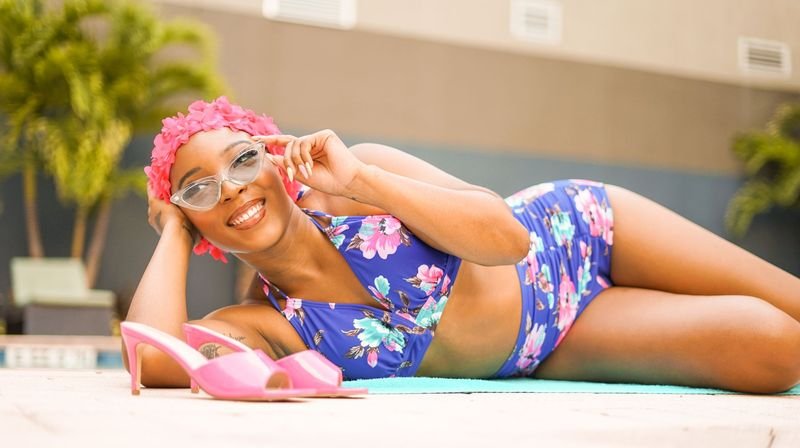
Not every floral print is trying to be subtle. A maximalist print layers multiple flower types, sizes, and colors in the same pattern — think fuchsia, teal, and coral blooms packed edge to edge with almost no negative space. It is a loud choice, and it is meant to be. On a high-waisted bottom, this print also happens to visually shorten a long torso slightly, which makes it a good option for anyone self-conscious about extra length through the midsection.
The trade-off is longevity in a closet. A maximalist print this specific tends to feel dated faster than a simple ditsy or watercolor floral, so treat it as a one- or two-season piece rather than an investment.

Warm-Toned and Red Floral — For Richer Skin Tones
Red-based florals, especially ones mixing coral, rust, and marigold tones, flatter deeper skin tones in a way that pastel florals often wash out. The warmth in the print reflects back onto the skin instead of competing with it, which is the opposite of what happens with a pale pink ditsy print on the same complexion.
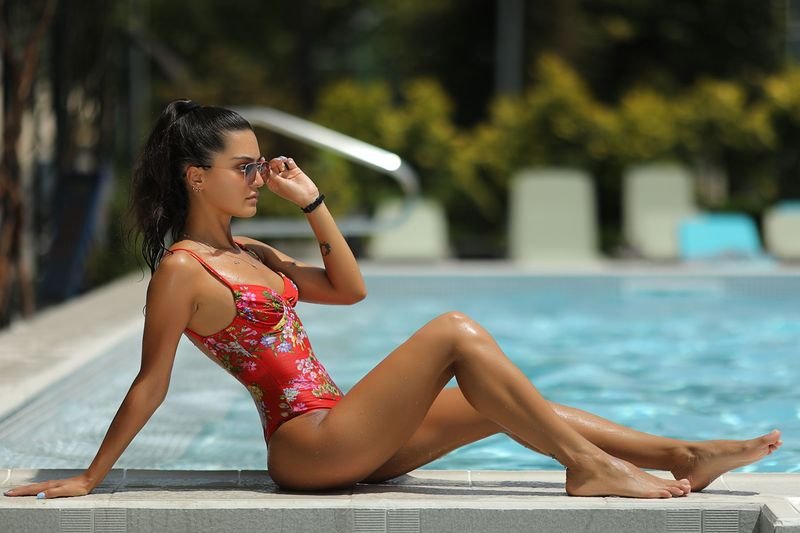
A red floral one-piece also tends to photograph better under harsh midday sun than a white-based print, which can blow out and look overexposed in direct light. If most of your beach days happen between noon and 3pm, this is the more camera-reliable choice.
Black-and-White Floral — The Print That Doesn’t Fade on Camera
Black-and-white florals skip the color-fading problem almost entirely, since there is no saturated pigment for chlorine or UV to bleach out. Chlorine oxidizes dye molecules, which is why a hot pink or turquoise print goes dull and yellowish after a summer of pool laps — a black-and-white print simply does not have that saturated dye to lose. It is also the single floral print most similar in styling logic to the leopard print bikinis that stay in rotation year after year: both are “neutral prints,” meaning they pair with almost any cover-up color without clashing.
If you swim regularly — laps, not lounging — a black-and-white floral is the most practical print on this entire list, full stop.
Floral Swim Dress — A-Line Print for Rectangle Bodies
A floral swim dress applies the same visual-balance logic as a regular sundress: the A-line cut skims past the waist and hip rather than clinging to them, which defines a waistline on straighter body types without any boning or structure doing the work. A mid-scale floral print (bigger than ditsy, smaller than tropical) is the sweet spot here, since the fabric movement of an A-line hem already adds visual interest — you do not need the print itself fighting for attention too.
Swim dresses in floral also cross over into resort wear more easily than a standard one-piece, which matters if you are packing for a trip and want fewer pieces doing more jobs.
Keeping Floral Swimsuits From Fading
Every stat about swimsuit longevity comes back to the same three culprits: UV exposure, chlorine, and heat. UV rays degrade both the fiber and the dye in the fabric, and that damage speeds up dramatically while the suit is wet, since water acts almost like a magnifying lens for sunlight. Chlorine works differently — it oxidizes the dye molecules directly, which is the specific mechanism behind that dull, slightly yellow look on an older swimsuit.
Rinse a floral print in cool water immediately after a pool session, dry it in shade rather than direct sun, and never put it in a dryer. None of that is new advice, but it matters more on a floral print than a solid color, because an uneven fade on a multi-color pattern is far more obvious than an even fade on one block of color — a navy suit that fades a shade lighter still looks like a navy suit; a floral that fades unevenly starts to look like a different, much duller print entirely.
Styling a Floral Swimsuit Beyond the Beach
A floral one-piece doubles as a bodysuit under high-waisted jeans more easily than people expect, especially in a watercolor or black-and-white print that reads less overtly “swimwear” out of context. The same logic applies to a floral swim dress, which needs almost nothing added to work as a casual daytime dress — slide on sandals and a straw bag and the transition from pool to lunch takes about ninety seconds.
Here’s a plus-size try-on breaking down how a soft floral print actually sits and moves on a real body, which is worth watching before buying online sight unseen:
Floral is not a trend that needs reinventing every year — it is a category, and the smart move is picking the specific print inside it that matches your shape, your skin tone, and how much time you actually spend in chlorine. Start with one print from this list rather than three, wear it enough to know if the scale works for you, then build out from there.
Sources
- The Top Swimsuit Print Trends Taking Over for Summer 2026 — Who What Wear — trend data on retro florals, J.Crew’s daisy revival, and Chloé’s runway blooms.
- How to Care for Fabric: Washing, Chlorine Resistance, Fading & Durability Guide — Spandex by Yard — mechanism of chlorine oxidation and UV degradation on swimwear dyes.
- The History of Floral Prints in Fashion — White House Black Market — origin and evolution of floral prints from Tang Dynasty textiles through the 1960s.