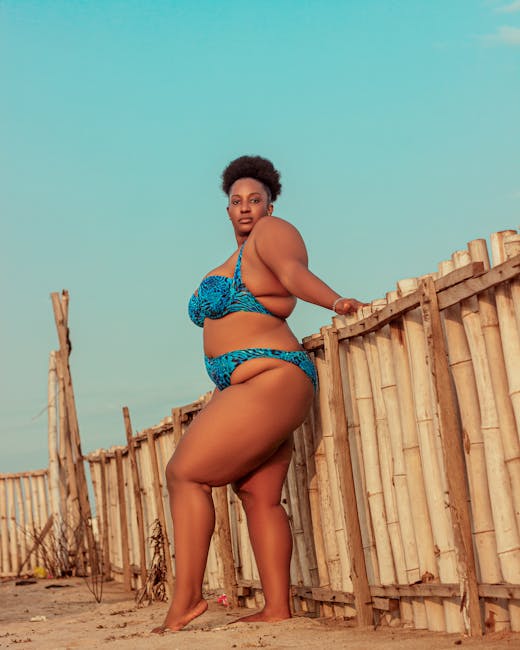

Supportive Bikini Tops: 9 Best Picks for Big Busts in 2026
If you wear a D cup or larger, a “cute” bikini top from a junior section is the fastest way to spend $40 and still spend the afternoon adjusting your straps. Supportive bikini tops aren’t about hiding anything — they’re about anchoring the chest so you can actually swim, hike out, body-surf, or just sit on a towel without holding things in place. The shortcut: look for wide bands, real cups (molded or underwired), and adjustable straps with proper hardware — not skinny string ties masquerading as support.
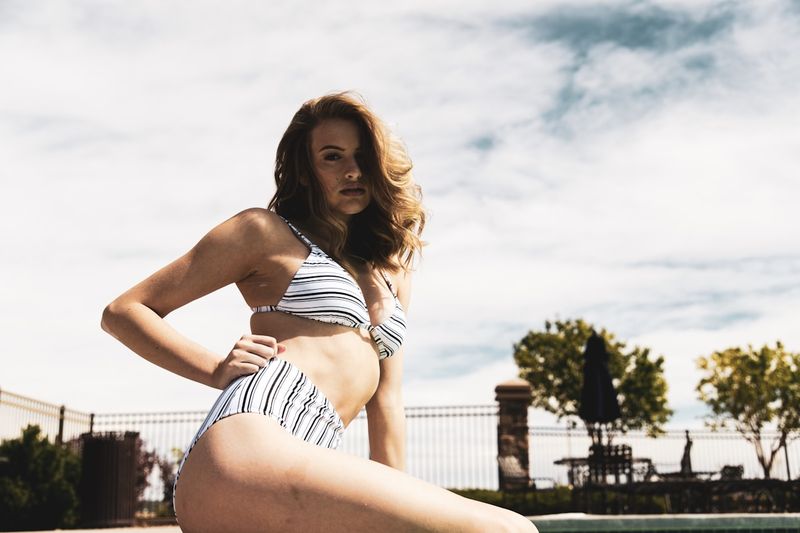
Why bigger busts need a real bikini top, not a string
String triangles are designed around fabric draping, not weight. A heavy bust translates into pulling straps that dig into your neck, side-boob spillage, and the dreaded sag-bounce when you stand up from the water. According to a 2014 University of Portsmouth study on breast biomechanics, the bust can move up to 14 cm during exercise — and the heavier the breast tissue, the more energy your top has to absorb to keep things put. The takeaway: a bikini for a 32DD needs different engineering than a bikini for a 34B, and pretending otherwise is why so many of us hated swim class.
The fix isn’t a sports bra masquerading as swimwear. It’s a properly built bikini top with three things working together: a band that hugs the rib cage, cups that hold the breast tissue from below, and straps that don’t migrate. Get all three and you can finally stop checking yourself every two minutes.
The 9 supportive bikini top styles worth your money
These are the styles that actually deliver on the promise. Skip the rest.
1. Halter tops with a neck tie
A halter directs the weight of the bust up and toward the neck rather than out to the shoulders, which means less digging and less sliding. The catch: a fabric tie alone won’t cut it past a D cup. Look for halters with a wide neck band, padded straps, or an adjustable buckle. Sunsets’ “Iconic” twist halter and Panache’s Anya Riva halter are two well-reviewed examples in the DD+ range.
2. Underwire molded cups
An underwire bikini top behaves like a real bra: it lifts, separates, and creates a defined shape under fabric. For chests in the F+ range, this is often the only style that looks intentional rather than squashed. Curvy Kate, Freya, and Panache all build swim underwires that are flatter and shorter than lingerie wires — they sit on the rib cage without poking under the arm. If you’ve never tried one, start with a smooth fabric (not crochet) so you can feel the wire’s actual position.
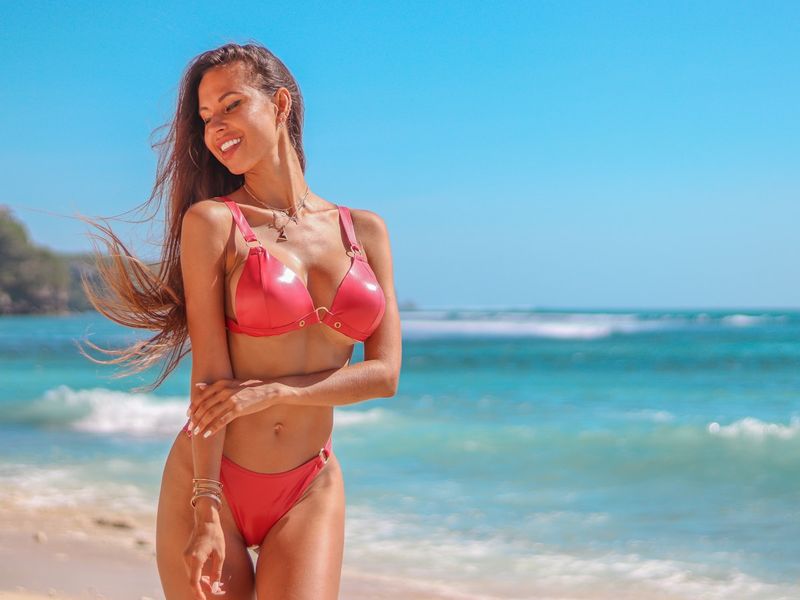
3. Molded foam cups (no wire)
If wires feel claustrophobic, molded foam cups are the next best thing. The foam holds its shape independently, which means the cup acts like a soft bra — supporting from below without the rigid feel. Foam also stops the cold-water nipple show, which most people would rather skip. Look for cups that hold their shape when you press them, not the flat thin pads that crumple after one wash.
4. Long-line bra-style tops
Long-line tops add an extra inch or two of fabric below the bust, sometimes reaching the bottom of the rib cage. That extra real estate spreads the load across the torso instead of pinching it under the bust line. It’s the closest swimwear gets to wearing an actual bra. They photograph beautifully too — especially in solid colors with seamed cups.
5. Bra-sized bikini tops (32D, 36G, etc.)
Most swimwear is sold S–M–L. Brands like Freya, Panache, Curvy Kate, and Pour Moi sell swim tops in actual bra sizing — band and cup. If you’ve been swimming in the wrong size for years (most of us have), this is the upgrade that will shock you. UK brands tend to lead this space; their sizing usually translates cleanly to US bras.


6. Wrap or surplice tops
A wrap top crosses fabric over the bust and ties at the side. The crossover panel adds a second layer of fabric exactly where you need extra coverage, and the side-tie lets you cinch the band as tight as you want. This style is one of the rare cases where a non-cup top still supports — the geometry does the work. Pair with a high-waisted bottom and the silhouette balances beautifully.
7. Tankini tops with built-in shelf bra
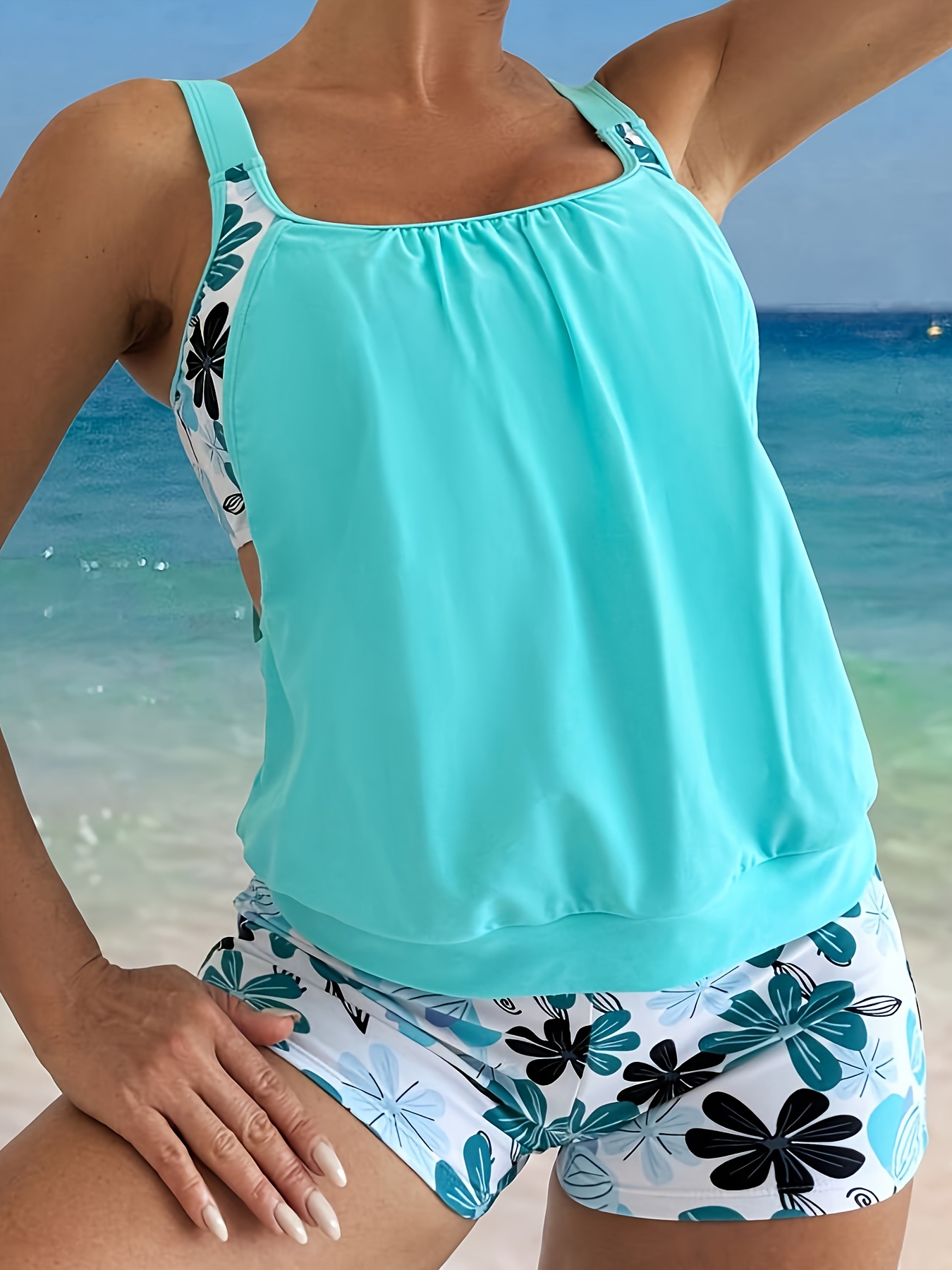
The tankini gets dismissed as the “mom” option, which is unfair. A modern tankini with a shelf bra, sewn-in cups, and a structured neckline is one of the most supportive things you can wear in the water. It also solves the “I want to play with my kids without showing my entire midsection” problem in one move. Look for adjustable straps and a band you can actually feel — not a loose drape.
8. High-neck zip tops
A high-neck top with a front zipper covers more chest skin and locks the bust in with a fitted neckline — handy for active swimming, surfing, or paddleboarding. The zip is the make-or-break detail: cheap ones snag, premium ones glide. Roxy and Seafolly both make high-neck zips that hold up to actual ocean use, not just Instagram poolside.
9. Sporty racerback tops
A racerback pulls the straps inward across the upper back, which kills the shoulder-slide that kills most halter tops. For anyone who swims laps, body-surfs, or simply hates fiddling with straps, racerback is the right answer. The trick is finding one with real cups — many racerback “sport” bikinis are just fashion bralettes with a different strap layout.
How to fit a supportive bikini top — the 5-second test
Try the top on, raise your arms straight overhead, and lower them. If the band rides up, the band is too big. If the cups gap at the top, the cups are too big. If the cups overflow at the side or top, the cups are too small. The band — not the straps — should be doing 80% of the work. Most fit failures come from buying the strap size and ignoring the band. Adjust the straps last, not first.
One more check: pull the straps gently away from your shoulders. You should get about two fingers of give. Anything more and the support is loose; anything less and you’ll have grooves carved into your shoulders by 3 p.m.
Mistakes that kill the support of a perfectly good top
The #1 mistake is buying for cup size only and ignoring the band. A 36DD and a 32DD are not the same chest — the band size changes everything. The #2 mistake is letting a wet bikini top dry by stretching it across a chair back, which murders the elastic. Hang it by the band, not the cups. The #3 mistake — and this is the heartbreaker — is washing a structured top with regular detergent and a hot rinse. Chlorine and detergent destroy elastane in months, not years. Here’s the proper wash routine that actually doubles the life of your top.
The honest truth about “supportive” marketing claims
“Supportive” on a swimwear product page means about as much as “natural” on a snack bar. A lot of brands stamp the word on tops that are nothing more than a triangle with a thicker tie. Treat the label as marketing and the product details as evidence. The features that actually predict support: underwire, molded cups, wide band (1 inch minimum), adjustable straps with metal hardware, and a hook-and-eye closure at the back instead of a thin string. If the product page doesn’t say so, assume it doesn’t have it.
Price isn’t a perfect signal either, but it correlates. A genuinely supportive DD+ bikini top usually lands in the $50–$95 range from specialty brands. Anything under $25 from a generic seller is gambling — sometimes the gamble pays off, more often it doesn’t. The brands that take big-bust fit seriously are also the ones that sell out fastest in your size each summer, so shop early.
Where halter, wrap, and bandeau fit in the rotation
One supportive top isn’t a wardrobe. A serious swimwear drawer for a bigger bust usually includes one underwire top for long days at the beach, one halter or wrap for pool lounging, and a sporty top for actually swimming. If you want a strapless moment, a supportive bandeau with built-in cups and silicone grip can work — though it’s still the least secure option for D+ in real water, so save it for poolside. Pair any of these with a high-waisted bottom and the proportions tend to balance immediately.
Video walkthrough: 13 supportive bikini tops compared
Sunsets put together a useful side-by-side of supportive cuts — halters, underwires, molded cups, and bra-sized tops — that’s worth watching before your next swim haul.
One last note on body confidence
The right bikini top doesn’t make you confident — it removes the excuses that have been borrowing your confidence for years. Adjusting all afternoon, refusing to jump in the water, picking the towel-wrapped seat in every photo: those aren’t personality traits. They’re symptoms of bad gear. Buy a top that fits, then go do the thing.

Sources
- University of Portsmouth Research on Breast Biomechanics — quantifies how much the bust moves during activity and why support matters.
- Curvy Kate: How to Measure Yourself for a Bra — band and cup measurement method that applies directly to bra-sized swim tops.
- Freya Swim — example reference of DD+ swim tops sold in true bra sizing.
Shop our full range of bikinis and swimwear at the BikiniCool store →