

Scuba Diving Swimwear: 7 Best Picks 2026
A $40 wetsuit rental and a $12 drugstore bikini is how most divers end up with a raw strip of skin across their collarbone by dive two. The wetsuit isn’t the problem. What’s underneath it is. Neoprene grabs onto loose ties, bunched fabric, and metal hardware, and every kick, every BCD strap adjustment, every climb back onto the boat grinds that friction point a little deeper.
Dive shops rarely mention this because they’re selling tanks and air fills, not swimwear. But ask any divemaster who’s spent a season watching guests wince their way out of 5mm neoprene, and they’ll tell you the fix costs less than your dive computer strap.
What to Wear for Scuba Diving Swimwear
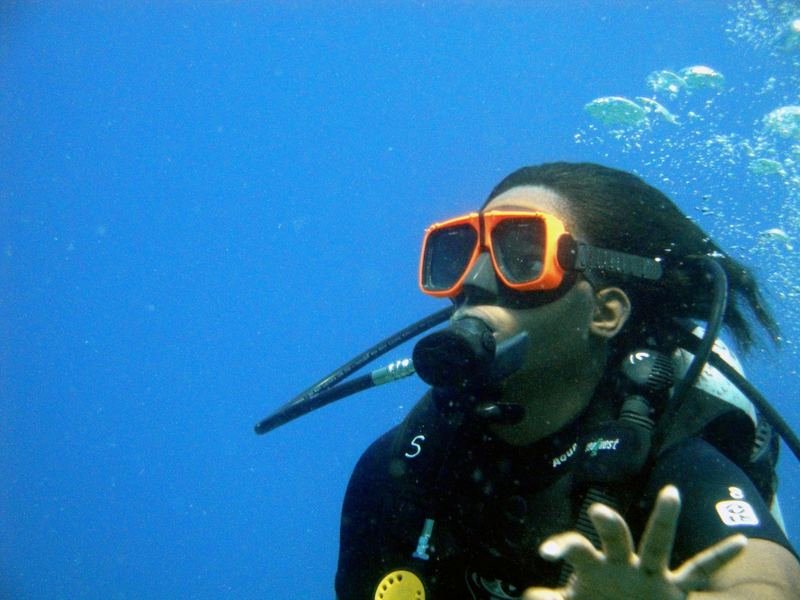
For tropical dives in a 3mm suit or a shortie, a secure two-piece or one-piece swimsuit worn directly under the wetsuit works fine on its own. For anything colder, or for repeat dives on a boat where you’re in and out of neoprene all day, add a thin rash guard or full dive skin as a middle layer. That layer does two jobs: it stops the wetsuit from grabbing your skin directly, and it gives you something to strip the wetsuit over without peeling rubber off raw skin.
Men generally do better in fitted jammers, swim briefs, or close-cut trunks — board shorts bunch under a wetsuit leg and create pressure points at the knee. Women have more flexibility between bikinis, one-pieces, and tankinis, but the fit rule doesn’t change: nothing loose, nothing with hardware that can press into skin for forty-five minutes underwater.
Why Cotton and Loose Ties Ruin a Dive
Cotton holds roughly seven times its weight in water and dries slowly, which means it sits against your skin, cold and saturated, for the entire dive and most of the surface interval after. Under neoprene that’s already squeezing moisture out through friction, a cotton tee or cotton-blend bikini becomes sandpaper by the twenty-minute mark.
Tie-side bottoms and triangle tops carry the same problem from a different angle. The knots and rings that make a bikini easy to adjust on the beach are exactly what shifts and digs in once a wetsuit and a weight belt are pressing down on top of it. A diver I spoke with on a liveaboard last season had to surface early because a bikini string had worked its way under her BCD strap — not dangerous, just miserable, and entirely avoidable with a tie-free suit.
Spandex, nylon, and polyester blends solve both problems. They shed water fast, resist the chlorine and salt breakdown that kills cheap suits in a season, and — critically — they come in cuts without ties to begin with. If you’ve ever noticed a one-season bikini going baggy and faded after a summer of pool chlorine, that same breakdown happens roughly three times faster in salt water plus direct UV, which is exactly the combination every reef dive throws at a suit.

7 Best Scuba Diving Swimwear Picks for 2026
These cover the range most divers actually need — reef dives in warm water, boat days with multiple tank changes, and anything where you’re spending more time in neoprene than out of it.
- Secure one-piece swimsuit. No ties, full coverage, the easiest option to forget about once you’re in the water. Best for repeat dives where you’re suiting up more than once a day.
- Sporty two-piece with a fitted top. Tank-style or halter tops with no hardware at the back sit flat under a BCD strap in a way triangle tops never do.
- Long-sleeve rash guard top. Worn over any swimsuit, this is the single biggest upgrade for divers who keep coming up with red marks on their shoulders and ribs.
- Full dive skin. A thin, stretchy one-piece layer that covers wrists to ankles. Popular with liveaboard divers doing three or four dives a day because it means the wetsuit never touches skin directly.
- High-neck swimsuit. Solves the specific problem of a wetsuit’s neck seal rubbing against a bare collarbone, which is one of the most common chafe points reported by new divers.
- Compression shorts or jammers. For men, or for women diving in a shortie where leg coverage matters more than a full suit.
- Quick-dry swim bottoms with a wide waistband. A wide, flat waistband doesn’t dig in under a weight belt the way a thin drawstring does.


Rash Guard vs. Dive Skin vs. Bikini: Which Fits Your Dive
A rash guard answers one question: does the wetsuit touch bare skin? If the answer is no on your shoulders and torso but yes everywhere else, a rash guard paired with a regular swimsuit covers most divers’ needs without the cost of a full dive skin.
A dive skin answers a bigger question — does the wetsuit touch bare skin anywhere at all? For multi-dive days, travel diving where you’re renting unfamiliar gear, or sensitive skin that reacts to neoprene directly, the full-body coverage is worth the extra piece of kit. It also adds a thin layer of UV protection for the surface time between dives, which matters more than most divers think after a week of tropical sun exposure.
A well-fitted swimsuit on its own is the right call for short, warm-water dives where you’re in the wetsuit for under an hour and out of it the rest of the day. The mistake isn’t choosing a bikini — it’s choosing one built for sunbathing instead of movement.

Sizing and Fit Tips to Stop Wetsuit Chafing
Size down, not up. A swimsuit that’s slightly loose on land becomes a bunched-up pressure point the moment a 5mm wetsuit compresses on top of it. The suit should feel snug when you put it on dry — if it feels like your regular beach size, it’s too big for diving.
Check four spots before you ever get in the water: shoulder seams, where straps cross the collarbone, the waistband, and anywhere two pieces of fabric overlap. Any seam that sits directly under where a BCD strap or weight belt will press is a seam that’s going to leave a mark by the second dive.
Skip anything with exposed metal hardware — clasps, D-rings, decorative buckles. They don’t just cause chafing; they can snag on a wetsuit zipper during a quick change between dives, which is its own kind of frustrating on a boat with twenty minutes of surface interval.
There’s also a donning-order trick most new divers never get told: put the swimsuit on, then the wetsuit, in one continuous motion rather than standing around in a damp suit between the two. The longer a wet swimsuit sits against skin before the wetsuit goes on top, the more it’s already started to bunch and shift — so the fit you check in the mirror at the dive shop isn’t the fit you’ll actually have in the water fifteen minutes later.

What to Wear Under a Wetsuit in Cold vs. Warm Water
Warm-water reef diving in 3mm neoprene or a shortie rarely needs more than a secure swimsuit. The wetsuit is there for scrapes and sun, not insulation, so breathable, quick-dry swimwear underneath is enough.
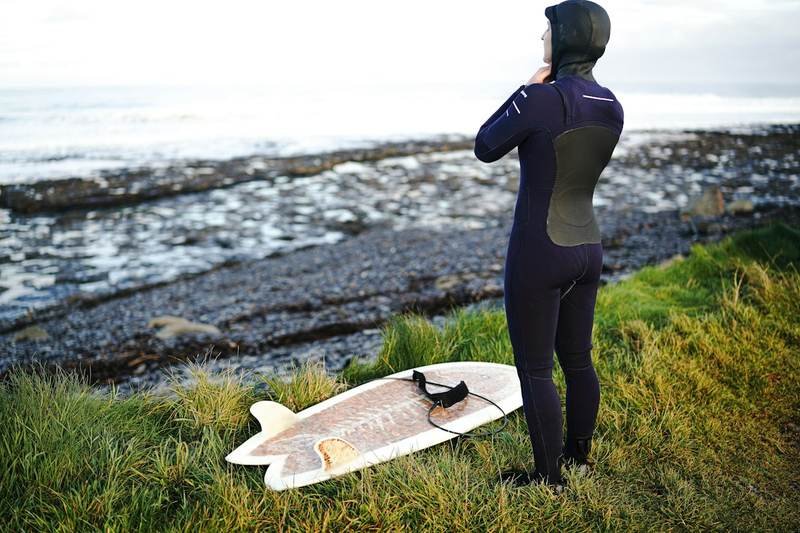
Cold-water diving in 7mm neoprene or a drysuit changes the math entirely. Here, a rash guard or thin thermal layer under your swimwear adds real insulation, and the chafing risk goes up because thicker neoprene grips harder. Divers doing repeated cold-water dives often layer a dive skin under the suit specifically to manage the extra compression, not just for warmth.
Multi-day liveaboard trips sit in between. You’re suiting up three or four times a day in the same gear, so whatever you wear underneath needs to dry fast between dives — this is where quick-dry synthetic fabric earns its keep over anything cotton-blend.
Altitude and air temperature matter more than divers expect, too. A boat ride back from a dive site in a wet swimsuit under a tropical sun feels completely different from the same ride in Pacific Northwest fog, and packing one extra dry layer for the surface interval — not another wetsuit layer, just a dry top to change into between dives — does more for comfort than almost any gear upgrade on the boat.

Caring for Dive Swimwear After Saltwater
Rinse in fresh water immediately after every dive, not after the whole boat trip is done. Salt crystals left to dry in spandex fibers break down elastane faster than chlorine ever will, and a suit that’s been salt-dried five times already feels looser than one rinsed right away.
Skip the washing machine. Hand-wash in cool water, squeeze — never wring — the excess out, and dry flat in shade. Direct sun fades color and breaks down fabric elasticity faster than the saltwater exposure that got it dirty in the first place.
Rotate between two suits if you’re diving multiple days in a row. One suit worn wet, salty, and sun-dried every single day of a week-long trip won’t make it to day seven with the same fit it started with.
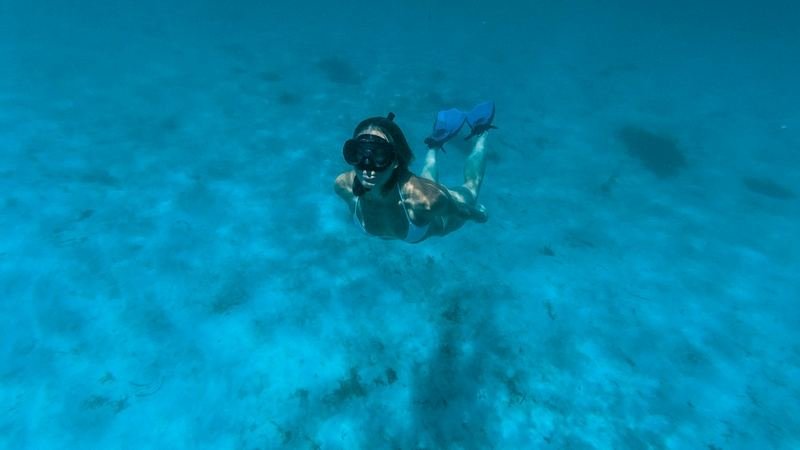
The same salt-and-sun breakdown applies to anything you wear around the water on surface days — not just what goes under the wetsuit. If chlorine and salt exposure is wrecking suits faster than you’d like across the whole trip, our chlorine skin care guide covers the rinse-and-moisturize routine that keeps both skin and fabric from drying out. For dives that are closer to snorkeling depth than full open-water work, the fit priorities shift slightly — our snorkeling swimwear picks lean lighter and more flexible since there’s no tank or weight belt pressing down.
If you’re putting together a full dive wardrobe, start with one well-fitted swimsuit built for movement, not a beach-day cut repurposed for the water. A rash guard is the cheapest upgrade in your dive bag and the one that actually gets used every trip. Our guide to rash guards for women breaks down fit and fabric in more detail if that’s your next purchase.
Sources
- Girls That Scuba — Best Women’s Divewear — brand and fabric comparison for women’s scuba swimwear.
- Diver Bliss — What to Wear Under a Wetsuit — fabric and chafing-prevention guidance for men and women.
- The Dive Compass — What to Wear Under a Wetsuit Scuba Diving — female diver undergarment categories and fit advice.