Vacation Swimwear: Beach vs Pool vs Resort
Most people pack vacation swimwear the way they pack shoes: grab the prettiest options and hope for the best. Then day two hits, the cute triangle top that photographed well by the pool slides off in the first wave, and the one suit that actually works is damp on the balcony rail. A beach, a hotel pool, and a resort deck ask three different things from a swimsuit, and a suit that nails one of them often fails the other two.

This is a field guide to matching your swimwear to the setting — beach versus pool versus resort — so every suit in your bag earns its place. You’ll get the specific traits that matter in each environment, a three-suit packing formula that covers a full week, and a quick decision table for when you’re standing over an open suitcase the night before a flight.
Why Vacation Swimwear Isn’t One-Size-Fits-All
The mistake is treating “swimsuit” as a single category. A swimsuit for lying still on a lounger and a swimsuit for getting knocked around by surf are solving opposite problems. One prioritizes how it looks from a deck chair; the other prioritizes whether it stays on when a wave hits you sideways.
Vacation swimwear works best when you reverse-engineer it from your itinerary. Three pool days and one beach afternoon? Weight your packing toward pool-friendly styles and bring one secure suit for the sand. A dive-heavy beach trip flips that math entirely. The point isn’t to own more suits — it’s to bring the right three, and to know which one goes on before you leave the room each morning.
Beach Swimwear: Built for Sand, Surf, and Movement
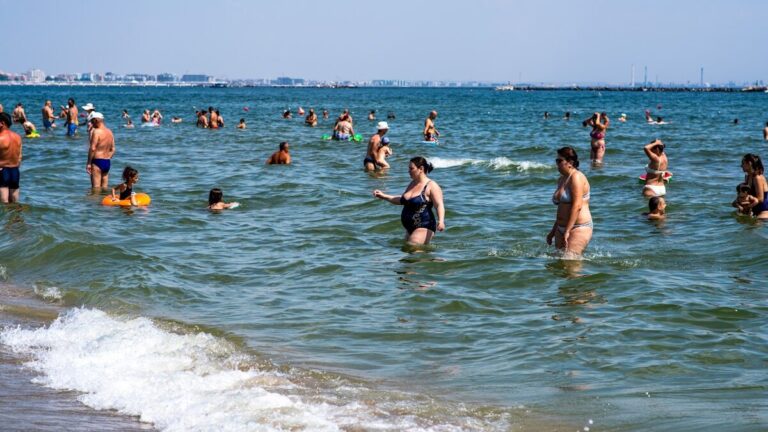
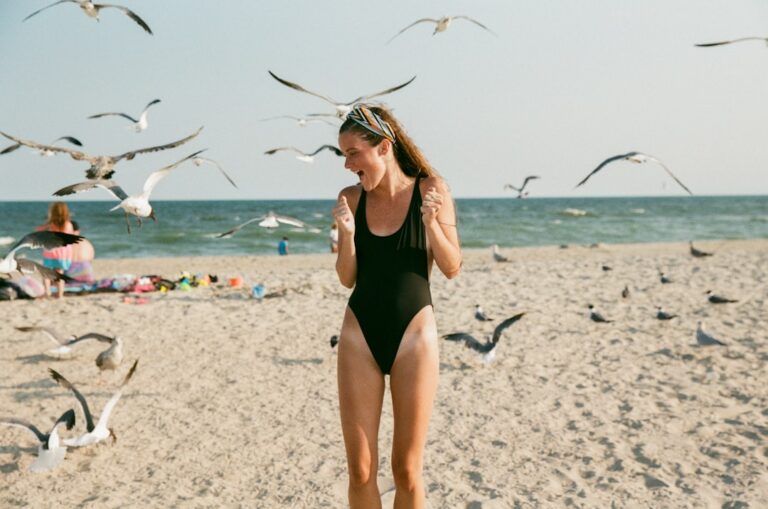
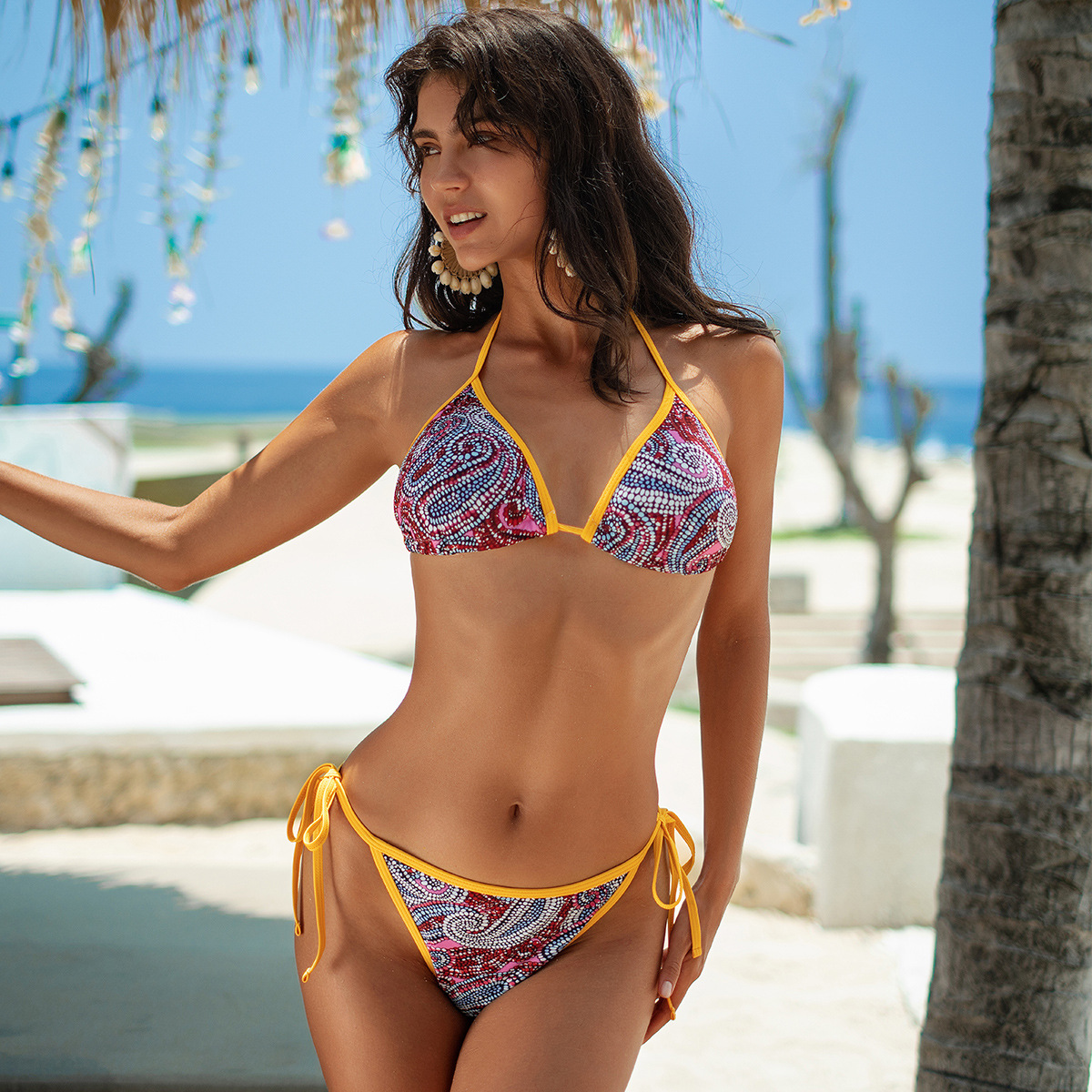
The beach is the harshest test a swimsuit faces. Waves pull, sand scours, and you’re rarely sitting still. Beach swimwear should hold on through all of it, which is why the priority here is security over spectacle. A sporty bikini with adjustable, tie-or-clasp straps and a bottom that sits snug on the hip beats a barely-there string set that spends the afternoon migrating.
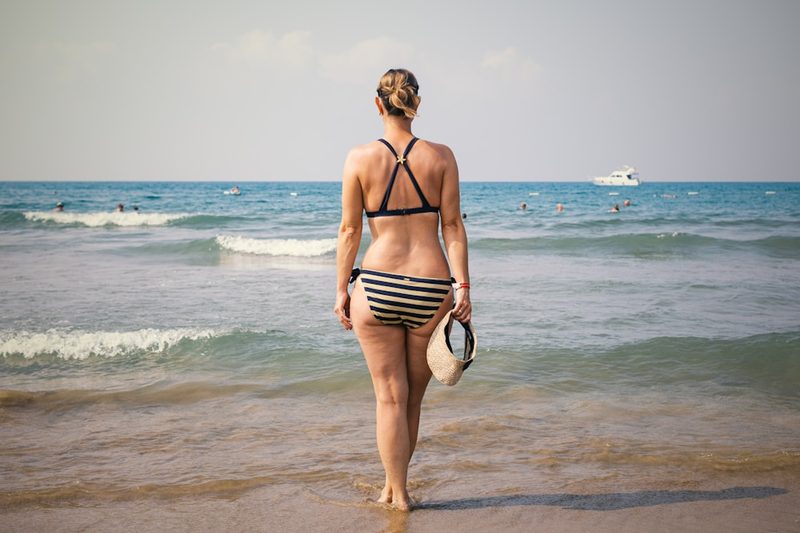
Look for a few concrete features. A racerback, halter, or thick-strap top stays put when you’re swimming or throwing a frisbee in a way a slim bandeau never will. Bottoms with a bit more coverage across the seat handle wave tumbles without a wardrobe malfunction. And color matters more than people expect: sand and saltwater are unforgiving on white and very pale suits, which go semi-sheer when wet and stain fast. A saturated red, navy, or print hides the wear.
Sun exposure is the other beach reality. You’re out in open light for hours with no cabana overhead. If you burn easily, a suit with more coverage or a UPF-rated fabric earns its keep — the Skin Cancer Foundation notes that tightly woven, darker fabrics block more UV than loose, light ones. For a deeper look at how those fabrics work, our guide to UPF swimwear breaks down what the ratings actually mean.
Pool Swimwear: Chlorine, Loungers, and the Poolside Scene
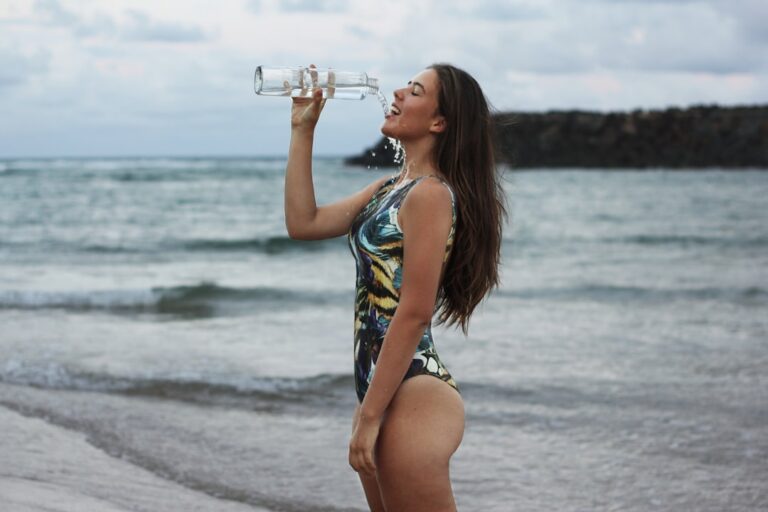
The pool flips the priorities. There’s no surf to fight, so security matters less and two other things matter more: how the suit handles chlorine, and how it looks when you’re mostly stationary. A hotel pool is a social space — you’re on a lounger, at the swim-up bar, in everyone’s photos — so this is where a statement suit actually gets its moment.
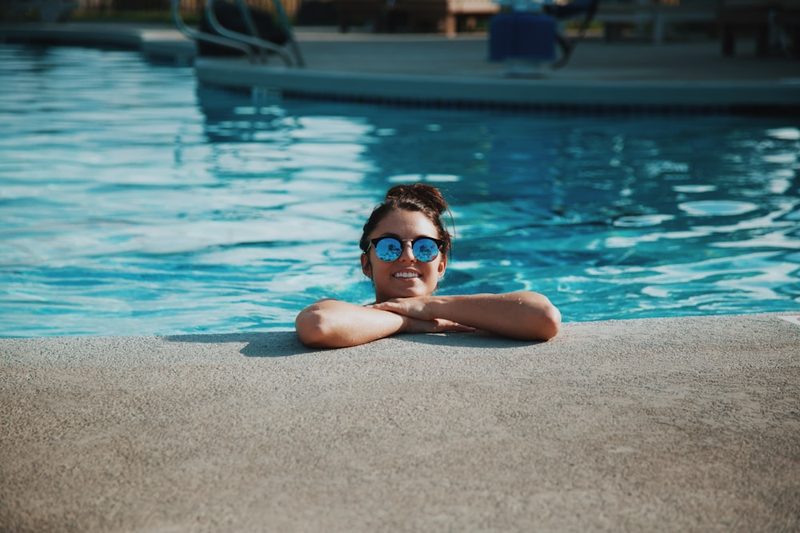
Chlorine is the quiet suit-killer. It breaks down elastane over time, and a cheap suit worn in a heavily chlorinated pool every day can lose its stretch by the end of a week. Chlorine-resistant blends — often labeled as PBT or polyester-heavy — hold up far better than standard nylon-spandex for daily pool use. If your trip is pool-dominant, that fabric choice is worth more than the print.
Here’s a mild opinion that’ll save you money: the “cute” suit and the “durable” suit don’t have to be the same one. Bring your prettiest, most photogenic set for pool days when you’re not doing laps, and keep a tougher, plainer suit for actual swimming. The photogenic one lasts longer precisely because it isn’t marinating in chlorine every afternoon.

One habit protects every suit you own: rinse it in cool tap water the moment you’re done, before the chlorine or salt dries into the fibers. It takes thirty seconds and roughly doubles a suit’s vacation lifespan. We go deeper on this in our swimsuit care guide, but the rinse alone is the single highest-return habit.
Resort Swimwear: Where Poolside Meets Dinner
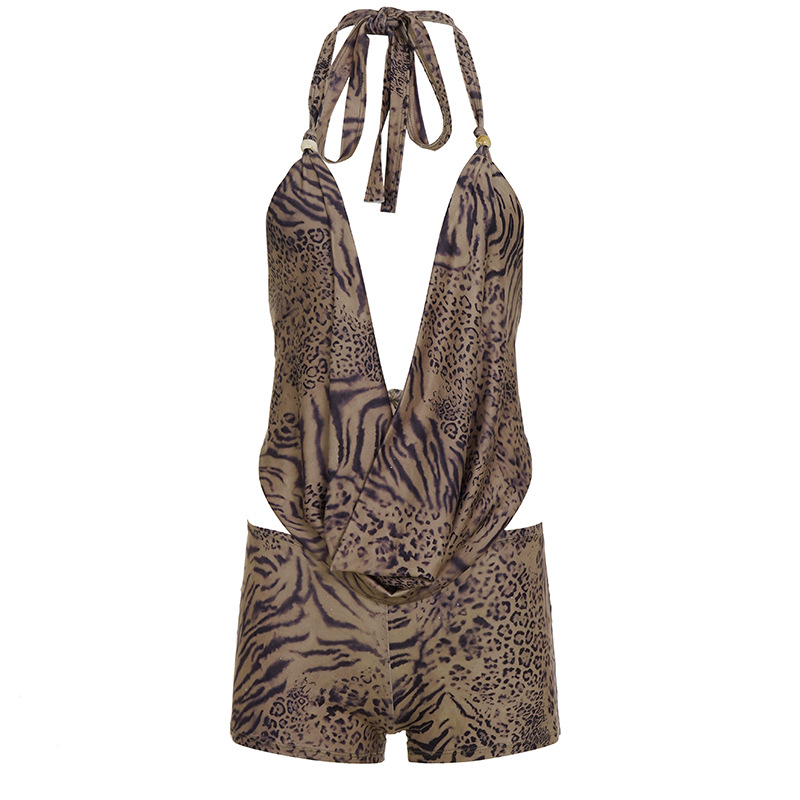
Resort swimwear does double duty, and that’s what makes it its own category. At an all-inclusive or a beach club, your swimsuit isn’t just for swimming — it’s the base layer for lunch on the terrace, a cocktail before sunset, and a slow walk down to the water. The suit needs to look intentional the moment you throw a cover-up over it.
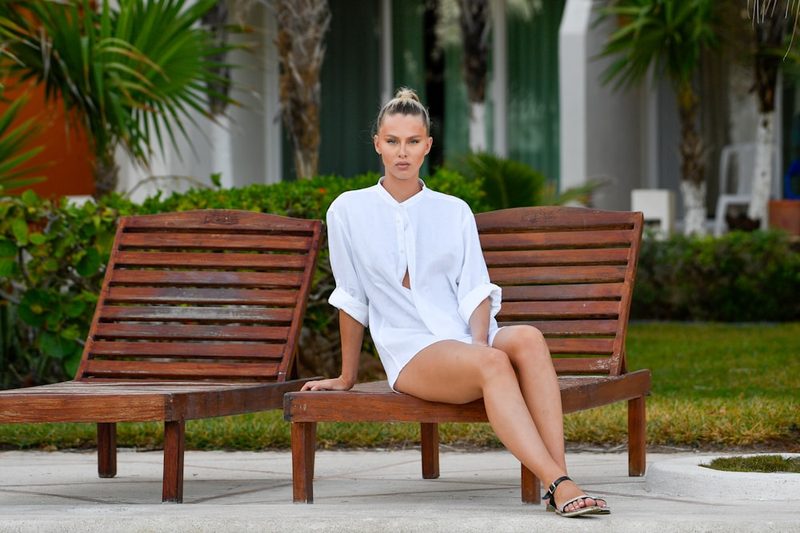
This is where a three-piece set or a well-cut one-piece shines. A three-piece — top, bottom, and a matching skirt, kimono, or shorts — reads as an actual outfit the second you add the extra layer, which is exactly what a resort setting rewards. A sculpted one-piece with an interesting neckline does the same job and slides under a linen shirt or a flowy dress without a seam showing.
The cover-up is doing more work than most people give it credit for. A crisp white shirt, a gauzy kaftan, or a simple slip dress turns “person in a swimsuit” into “person dressed for the beach club” in one motion. Pack one genuinely nice cover-up rather than three throwaway ones, and it’ll anchor half your resort photos.
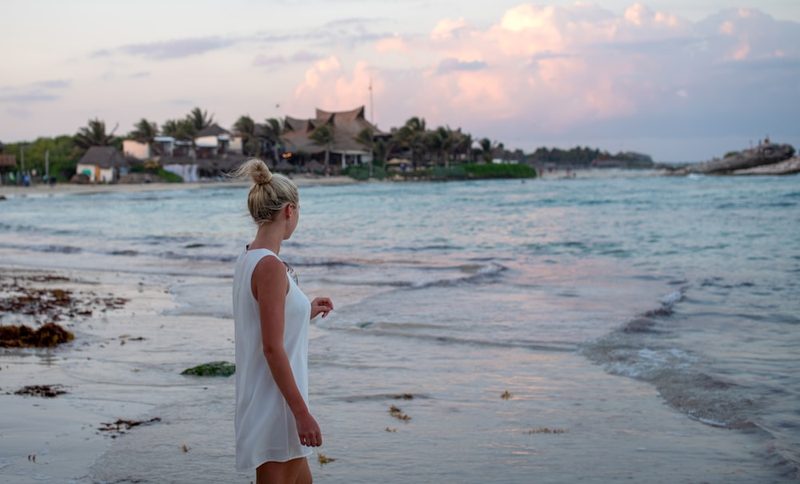
If you want a visual sense of how resort pieces layer up across a week, this all-inclusive packing walkthrough covers the swim-to-dinner transition well:
The 3-Suit Packing Formula for a Full Week
You don’t need seven suits for seven days. You need three that rotate, so one is always dry while another dries and the third is in the wash bag. Anne Cole’s travel team recommends the same rotation logic in their beach vacation packing list: pack three suits so you’re never reaching for a wet one.
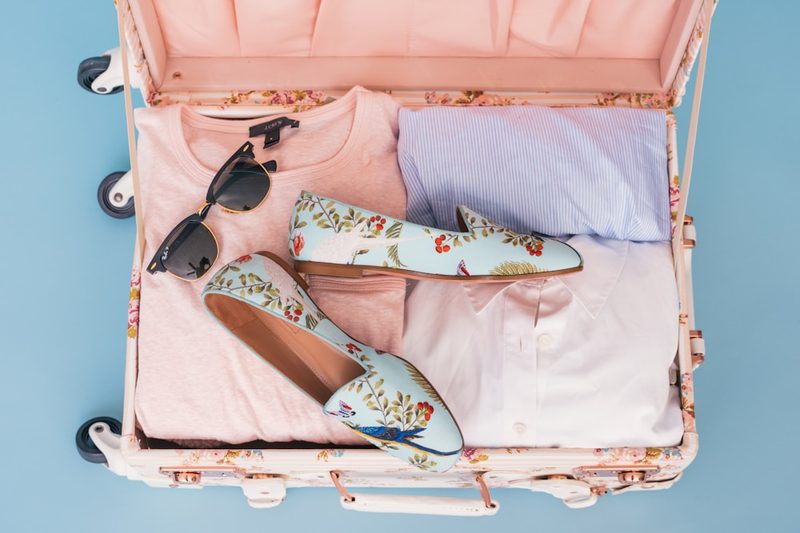
Build the three around the three jobs, not around three outfits you happen to like:
- The workhorse: a secure, sporty suit in a chlorine-tough or quick-dry fabric. This is your default for active beach and pool swimming. It’s fine if it’s plain — it earns its spot on function.
- The showpiece: your most flattering, most photogenic set. This comes out for pool lounging and photos, not laps, so it stays in good shape all week.
- The crossover: a three-piece or refined one-piece that layers into a real outfit for resort days, lunch, and sunset drinks.
Add one great cover-up, a pair of sandals that survive a wet deck, and you’ve covered every setting the trip can throw at you. A wet-bag or a simple zip pouch keeps the damp suit off your dry clothes on travel days — a small thing that saves a suitcase full of clean laundry from smelling like chlorine.
Fabric and Fit: What Actually Survives a Week Away
Two suits can look identical on a hanger and behave completely differently by day five. The difference is almost always fabric and construction, not price alone.
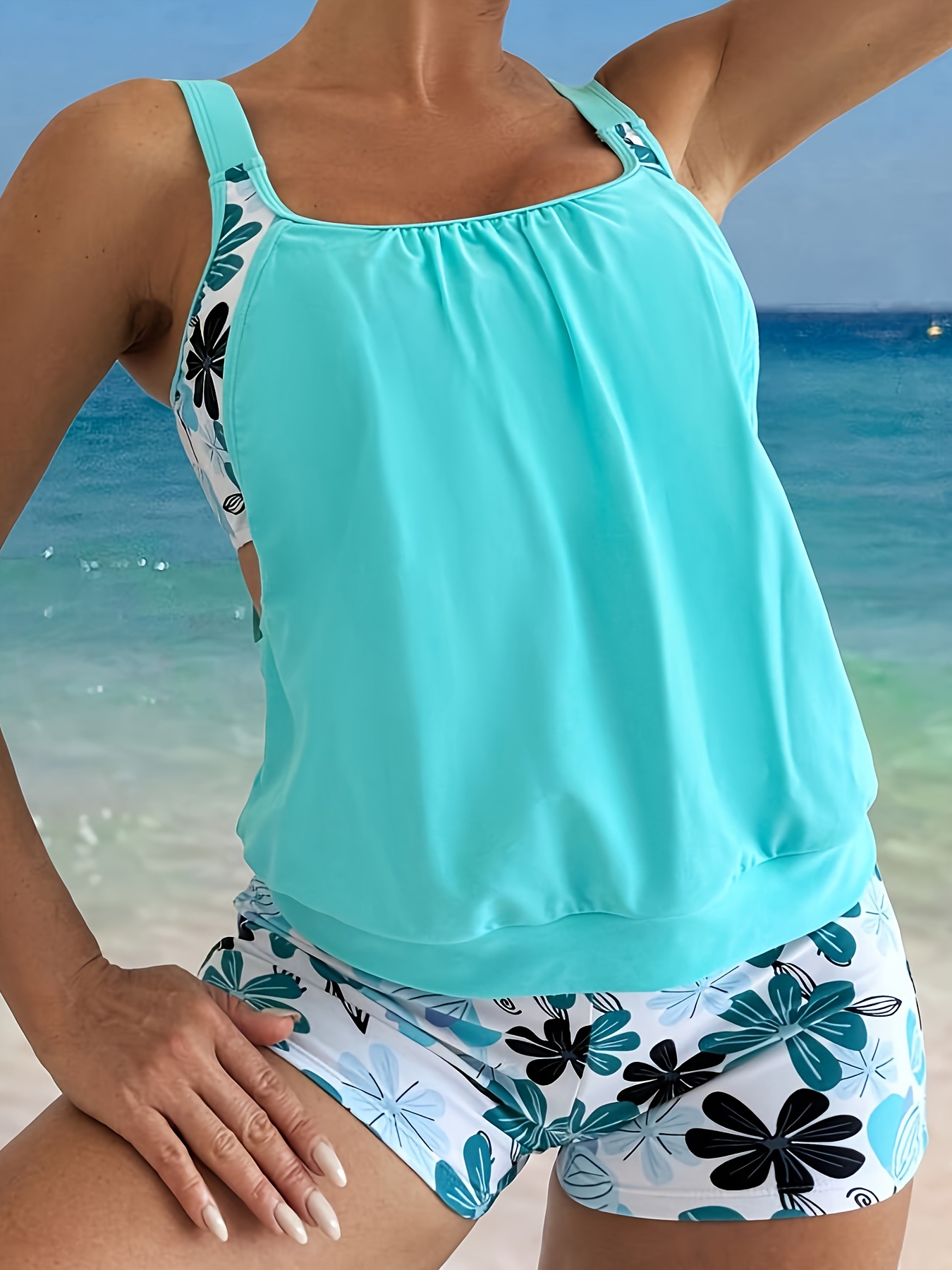
For daily-wear vacation swimwear, a higher polyester or PBT content resists chlorine fade and holds its shape after repeated soakings. Nylon-elastane feels softer and often fits beautifully out of the bag, but it’s more vulnerable to chlorine and sunscreen oils over a full week of use. Neither is wrong — match the fabric to how hard you’ll use the suit. Lining matters too: a fully lined bottom and a top with removable or sewn-in cups keep pale suits opaque when wet and give shape without a bra.
Fit is where confidence lives, and it’s personal. A suit that stays put when you move — no constant adjusting — is worth more than one that looks perfect standing still and betrays you the moment you hit the water. If you’re between the beach and the pool on which style flatters you, our comparison of a two-piece versus a one-piece walks through coverage, comfort, and how each moves in the water.
Matching Your Swimwear to the Trip: A Quick Guide
When you’re standing over the suitcase, this is the shortcut. Match the dominant setting of your trip to the suit traits that matter most:
| Setting | Top Priority | Best Styles |
|---|---|---|
| Beach | Security in waves, sun coverage | Sporty halter or racerback, fuller bottom, saturated colors |
| Pool | Chlorine resistance, photo-ready look | PBT/polyester blend, statement print, flattering cut |
| Resort | Layers into an outfit | Three-piece set, sculpted one-piece, great cover-up |
Vacation Swimwear Questions, Answered
How many swimsuits should I pack for a week? Three is the sweet spot for most trips — a workhorse, a showpiece, and a crossover suit. Rotating three means one is always dry, and it covers beach, pool, and resort without overpacking. Add a fourth only if your trip is heavily swim-focused.
Can I wear the same bikini at the beach and the pool? You can, but the ideal suit for each is different. Beaches reward secure, higher-coverage styles that survive waves; pools reward chlorine-resistant fabric and a photogenic cut. A sporty mid-coverage suit is the best single compromise if you’re only bringing one.
What swimwear works best for a resort? A three-piece set or a well-cut one-piece that layers under a cover-up. Resort days blur swimming and socializing, so you want a suit that looks intentional the moment you add a skirt, kimono, or dress over it.
Does chlorine really ruin swimsuits? Over time, yes — it degrades the elastane that gives a suit its stretch. Rinsing in cool water right after every swim slows the damage dramatically, and chlorine-resistant fabrics hold up far longer for daily pool use.
The real trick to vacation swimwear isn’t buying more — it’s packing on purpose. Pick three suits that each do a clear job, add one cover-up that ties them together, and you’ll wear every piece you brought. If you want to sharpen the packing side further, our guide to choosing a one-piece or bikini for travel is the natural next read before you zip the bag.
Sources
- Skin Cancer Foundation — Sun-Protective Clothing — how fabric weave and color affect UV protection.
- Anne Cole — 7-Day Beach Vacation Packing List — swimsuit rotation and packing recommendations for a week away.
- One Girl, Whole World — Pool, Resort & Beach Packing List — venue-based packing essentials for mixed vacation settings.