
Swimwear Fabric Explained: 7 Best Types for 2026
Flip a bikini inside out and read the little care tag. You will almost always see two numbers — something like 82% nylon, 18% spandex. That tiny ratio decides how the suit feels wet, how fast it dries, whether it pills after a summer of pool days, and how long the colour lasts. Swimwear fabric is the single most overlooked spec when people shop, and it is the one that separates a suit you love for three seasons from one you quietly retire in August.
Cotton and other natural fibres barely show up here for a reason: cotton soaks up its own weight in water, sags when wet, and rots in chlorine. The whole category runs on engineered synthetics instead. Here is what each one actually does, and how to read a tag like someone who knows.
What Swimwear Fabric Is Actually Made Of
Nearly all swimwear fabric is a two- or three-fibre blend engineered to stretch, snap back, and shrug off water. The base fibre — nylon or polyester — does the heavy lifting on feel, drape, and durability. A smaller percentage of spandex is knitted through it to provide the stretch. Get that base fibre right and you have solved 90% of how a suit will perform.
The reason synthetics won is simple physics. A cotton swimsuit absorbs water, doubles in weight, and loses its shape the moment you get out of the pool. Nylon and polyester repel most of that water, dry in minutes, and hold their cut. Everything below is a variation on that theme.
Nylon: The Soft, Colour-Rich Standard
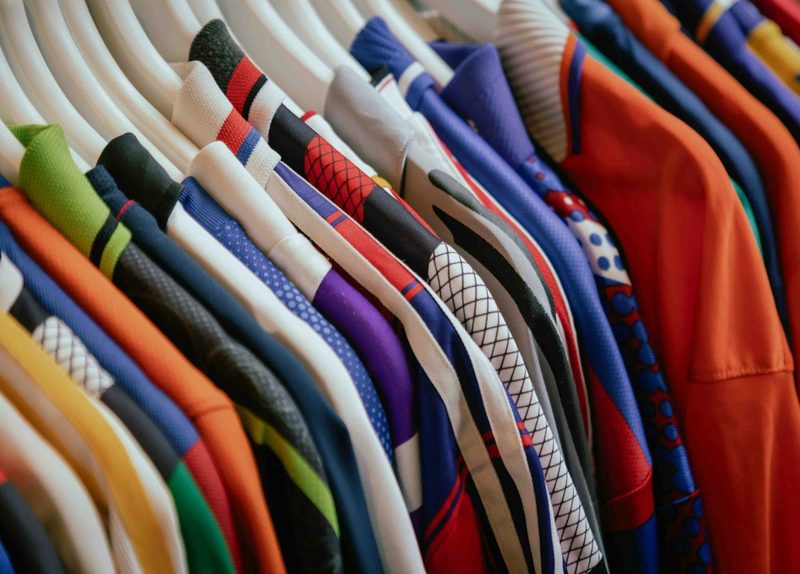
Nylon is the fibre most premium bikinis are built on, and it is easy to feel why. It is smooth, slightly silky, and drapes closer to the body than polyester. It also takes dye better than almost anything else, which is why the deepest jewel tones and richest prints usually land on nylon-based fabric.
The trade-off is real, though. Nylon is more vulnerable to chlorine, sunscreen oils, and UV than polyester is. A nylon suit worn hard in a chlorinated pool three times a week will start to go slightly sheer and lose its snap within a season. Save your nicest nylon-spandex suits for the beach, resort loungers, and photos — not lap day.
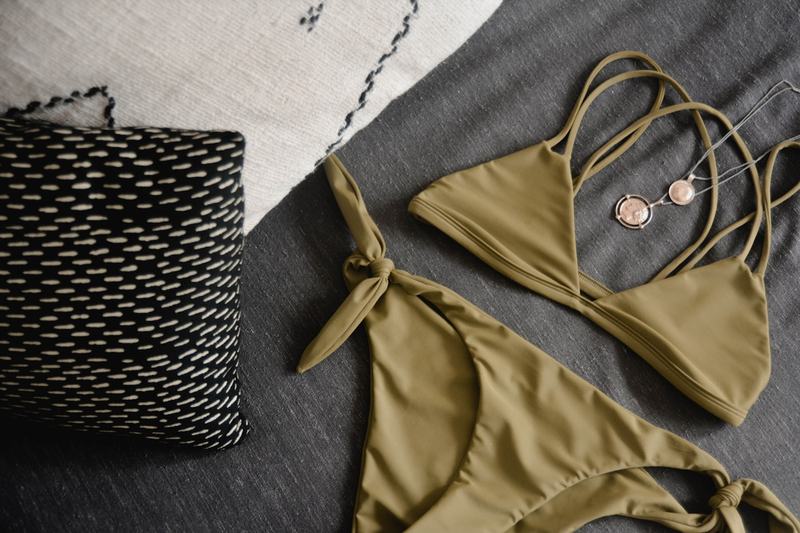
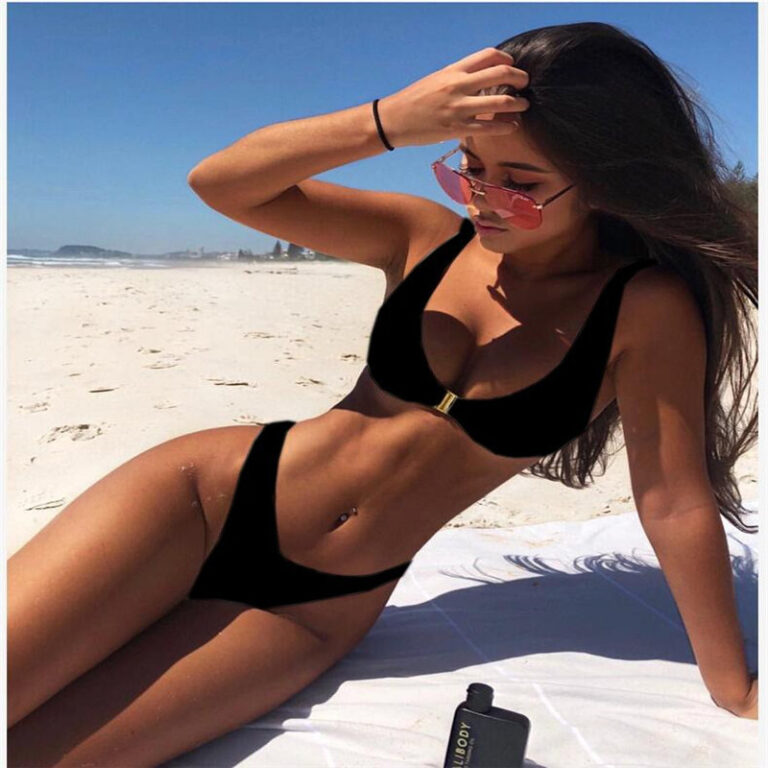
If you want a nylon-blend set with real texture rather than a flat finish, an open-knit or crochet-look style shows off what the fibre can do:

Polyester: The Chlorine-Tough Workhorse
If nylon is the pretty one, polyester is the one that keeps showing up to work. It resists chlorine, holds colour under strong sun, and keeps its shape wash after wash. Competitive and training swimsuits lean heavily on polyester or polyester-PBT blends for exactly this reason — they need to survive hundreds of chlorinated hours a year.
The honest downside is hand-feel. Polyester tends to sit a touch stiffer and less silky than nylon, though modern micro-polyester has closed most of that gap. My take: if your suit spends more time in a pool than on a towel, polyester is the smarter buy even if it feels marginally less luxurious in the fitting room.
Spandex (Elastane): The Stretch Nobody Sees
Spandex — also sold as elastane or under the Lycra brand name — is the invisible fibre doing the most work. It can stretch to roughly five times its length and spring right back, which is what lets a single suit hug different bodies and still recover its shape. Most swimwear fabric runs somewhere between 15% and 20% spandex.
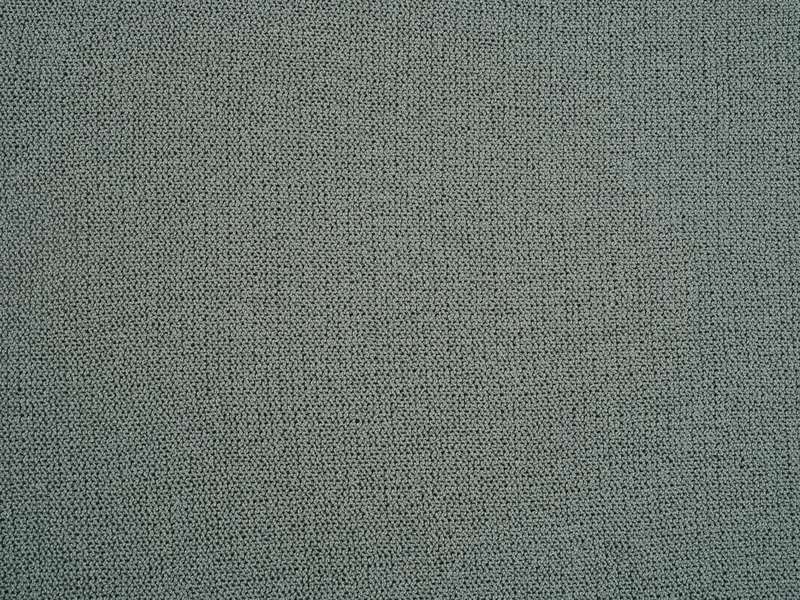
Here is the catch worth knowing before you buy: spandex is the fibre that dies first. Chlorine, sunscreen, body oils, and the heat of a tumble dryer or hot tub all break it down. When an old suit goes baggy in the seat or loose in the band, it is almost always the spandex that has given up, not the nylon. That is also why a hot-tub habit ages swimwear faster than anything else. For the full breakdown of how fabric and construction shape the way a suit fits, our guide on how fabric and construction work for any body goes deeper.
Recycled Nylon and Econyl: The Sustainable Swap
The most meaningful shift in swimwear fabric over the last decade has been recycled nylon — branded ECONYL being the best known. It is regenerated from waste like discarded fishing nets and fabric scraps, then spun into a fibre that performs identically to virgin nylon. Same stretch, same softness, a fraction of the raw petroleum.
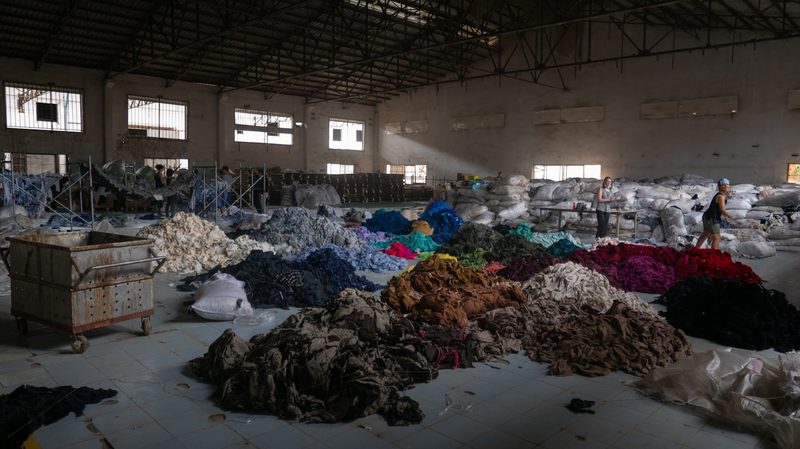
Recycled does not automatically mean bulletproof, and a suit is only as green as the rest of its supply chain, but the fibre itself is a genuine upgrade with no performance penalty. If sustainability factors into your buying, it is worth seeking out. We break down what actually earns the “eco” label in our sustainable swimwear guide.
Chlorine-Resistant Blends: Built for the Pool
If you swim laps, chlorine-resistant fabric is not marketing fluff — it is the difference between a suit lasting one season and lasting five. These blends usually pair polyester with PBT (a springy polyester cousin) and skip most of the vulnerable spandex, so chlorine has far less to chew on. They fade slower, stay opaque longer, and hold compression through repeated pool sessions.

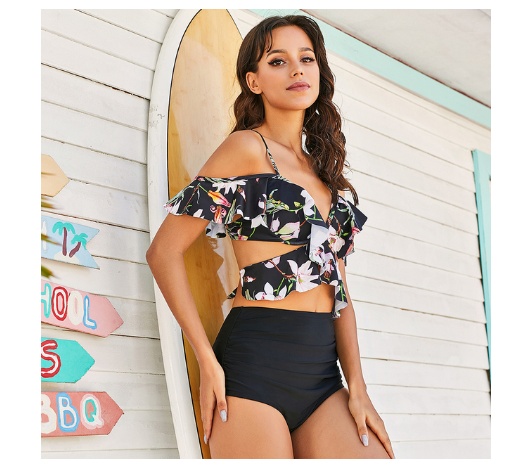
The compromise is a slightly firmer, less buttery feel than a soft nylon-spandex bikini. For a suit you actually swim in, that is a trade worth making every time. For a mostly-solid set that handles regular pool days without going sheer, this three-piece works hard:

How Fabric Weight and Lining Change the Feel
Two suits can share the same fibre content and still feel completely different, and the reason is weight. Fabric weight is measured in GSM (grams per square metre). Lighter fabric around 180–200 GSM feels airy and dries fastest; heavier fabric near 220–250 GSM feels substantial, holds you in, and is far less likely to go see-through when wet.
Lining matters just as much and rarely gets mentioned on the label. A fully lined suit resists sheerness, smooths the silhouette, and simply feels more secure — especially in white and other pale colours that turn translucent when wet. If you can only check one thing in a fitting room, stretch the fabric over your hand and see how much light passes through.
Prints, Mesh, and Textured Fabrics
Beyond the base fibre, the finish changes both look and behaviour. Ribbed and textured knits hide minor lumps and catch the light in a flattering way. Mesh panels add breathability and a sheer design element but offer zero support on their own, so they belong as accents rather than structure. Printed fabric almost always starts life as nylon, since nylon holds sharp, saturated prints best.
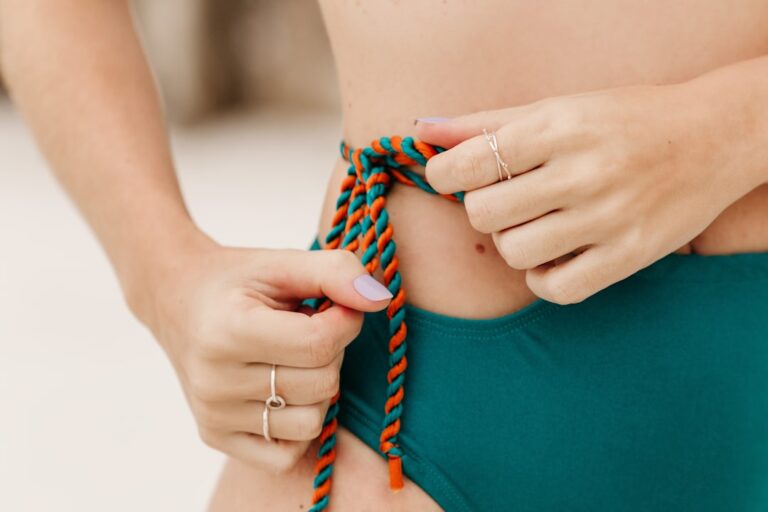
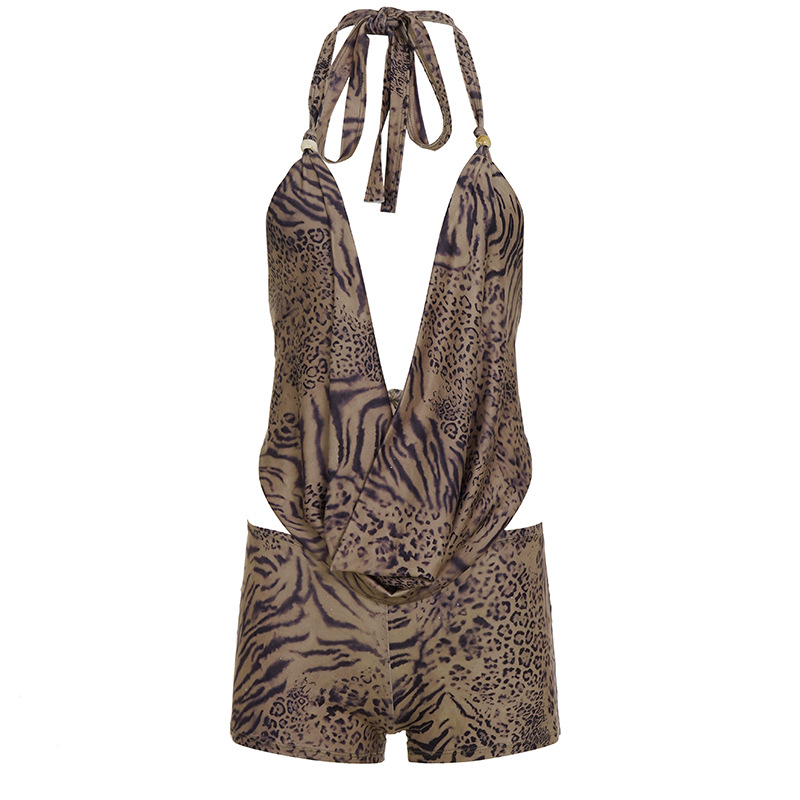
One quick note on prints and sun: a bold pattern is not sun protection. If you want real coverage, look specifically for a UPF rating woven into the fabric — our explainer on UPF swimwear covers what the numbers actually mean. For an animal print that leans into texture, this leopard set is a fun option:
How to Choose the Right Swimwear Fabric for You
Match the fabric to how you actually use a suit, not to the prettiest hanger. If your swimwear mostly means beach days, resort trips, and photos, a soft nylon-spandex blend gives you the best feel and colour. If it means chlorinated laps twice a week, buy polyester or a chlorine-resistant PBT blend and never look back.

A simple rule of thumb: nylon for looks, polyester for longevity, always with 15–20% spandex for stretch, and recycled nylon when you can get it. Check the GSM if it is listed — heavier is more opaque — and confirm the suit is fully lined if you are buying a pale colour. Get those four things right and the rest is just picking a cut you love.
Caring for Swimwear Fabric So It Lasts
Even the best fabric fails fast with bad habits. The single biggest killer is heat: never wring a suit hard, never tumble dry it, and stay out of the hot tub in a suit you care about. Rinse in cool water within an hour of swimming to flush out chlorine and salt before they set into the fibres, and lay flat to dry out of direct sun.

Rotate two suits rather than wearing one to death — spandex needs about a day to fully recover its stretch between wears, which is why your favourite suit “relaxes” if you wear it two days running. For the full routine, our swimsuit care guide walks through it step by step. Treat the fabric well and a good suit easily lasts three to five seasons instead of one.
Next time you shop, read the care tag before you read the price tag. Those two little percentages tell you more about how a suit will live with you than any product description ever will — and now you can read them like you mean it.
Sources
- SwimZip — Guide to Swimwear Fabrics — overview of common swimwear fibres and their properties.
- Spandex By Yard — Swimwear Fabric Guide: Chlorine Resistance, UV & Stretch — technical detail on nylon-spandex blends and chlorine resistance.
- BERLOOK — What Is Swimwear Made Out Of? — breakdown of synthetic swimwear fibres and recycled options.
- Pura Fabric — What Fabric Are Swimsuits Made Of? — practical comparison of nylon, polyester, and blends.