

Mastectomy Swimwear: 7 Best Features
About 1 in 8 women in the United States will be diagnosed with breast cancer in their lifetime, and for a lot of them, the first beach trip after surgery is the moment swimwear shopping stops being simple. A suit that fit perfectly last summer can suddenly dig, gape, or flatten the wrong side. The good news is that the options have genuinely improved — mainstream retailers now build pockets and flat-friendly panels into regular-looking suits instead of hiding them in a “medical” aisle.

What Makes Mastectomy Swimwear Different?
A mastectomy-friendly swimsuit avoids underwire and stiff molded cups, since both can dig into healing tissue or an expander. In their place, look for soft structured panels, wider set-in straps, and a neckline cut high enough that it doesn’t gap when you reach or bend. Fabric matters almost as much as cut — a suit with enough structure to hold its shape won’t collapse the way a thin, stretchy bandeau does on one side.
None of this means the suit has to look clinical. Patterns, ruffles, and asymmetric detailing all do double duty: they look like a style choice, but they also break up the eye’s read of symmetry, which is exactly what you want if one side sits differently than the other right now.
Run any suit you’re considering through this checklist before you buy:
- No underwire or molded cups — both can press directly on a healing scar or an expander.
- Bilateral pockets, sized to cup — only if you’re using a breast form or foam insert.
- Wide-set, adjustable straps — thin string straps dig in and shift under a heavier form.
- A neckline that doesn’t gape — reach overhead in the fitting room, not just stand still in front of the mirror.
- UPF-rated fabric — especially important if you’ve had radiation or you’re still within the first year post-surgery.
Pocketed Swimsuits for a Breast Form or Prosthesis
Pocketed swimsuits solve the biggest practical problem first: keeping a breast form exactly where it belongs while you’re moving in the water. The pockets are sewn into the inner lining, usually from mesh or microfiber, with one on each side so the suit works whether you’re wearing one form, two, or a softer foam insert on the healing side. Fit the pocket to your cup size, not just your dress size — a pocket cut for a B will crush a form sized for a C.

You don’t have to buy from a specialty mastectomy label to get this feature. A tailor or a swimwear-savvy seamstress can add a pocket to almost any one-piece or bikini top you already own for a fraction of the price — several of the women in online breast cancer communities say that’s exactly how they kept wearing suits they’d bought years before their surgery.
Going Flat? Wireless and Flat-Closure Styles That Work
Women who choose to go flat after a mastectomy need the opposite of a padded, pocketed suit — they need one that doesn’t assume a shape is coming back. Wireless swimsuits with a soft, seamless front panel sit closer to the body without pulling or puckering over a flat chest, and they skip the boning that regular suits use to hold a cup shape. Scoop necks and racerbacks tend to sit more evenly than halter styles, which can look unbalanced with nothing underneath to fill them out.
Print placement does a lot of quiet work here too. A busy pattern across the whole chest reads as a design choice, while a plain panel with a seam running straight down the middle draws attention to exactly the line you’d rather it didn’t.
One-Piece and Tankini Coverage for Scar Protection
A high-neck one-piece or tankini gives you the most coverage without looking like it’s trying to hide anything, which matters in the months when scars are still healing and sun-sensitive. Built-in shelf support inside the suit means you’re not choosing between coverage and a bit of shape, and a tankini top long enough to tuck into the bottoms stays put through a pool ladder climb or a wave.

A plain, cutout-free one-piece like this works as a blank layer — it’s simple enough for a tailor to add a prosthesis pocket to later, or supportive enough to wear exactly as it comes if you’ve gone flat. If you also deal with fit issues around a larger or uneven bust line, our guide to what actually makes swimwear supportive for a larger bust walks through the structural features worth checking before you buy.
Why Sun Protection Matters More After Surgery
Radiation-treated skin burns faster and scars faster than skin that hasn’t been through treatment, so UPF fabric isn’t a nice-to-have on a mastectomy-friendly suit — it’s close to a requirement. A UPF 50 rash guard or long-sleeve swim top blocks roughly 98% of UV rays and covers the exact area that’s most likely to be sensitive: the chest, shoulders, and upper arms where lymph nodes may have been removed.


Lymphedema is the other reason to think twice before buying anything with a tight elastic band across the chest or under the arm. Swelling in the arm on the surgery side can make a snug sleeve or strap genuinely painful by the end of a pool day, so looser long sleeves or a top with adjustable straps beat a compression-style fit every time.
When Can You Actually Get Back in the Water?
Most surgeons clear patients for pool and ocean swimming once incisions are fully closed and drains have been removed, which is usually four to six weeks after a mastectomy, but the real timeline depends on how your specific incision has healed and whether you had reconstruction at the same time. Chlorine and saltwater are both fine for closed, healed skin, but neither one is fine for an open wound or a drain site — that’s an infection risk, not a style question, so it’s worth a direct check with your surgeon rather than guessing from a general timeline you read online.
If you’ve had an expander placed ahead of reconstruction, ask specifically about pool depth and pressure — some surgeons limit how long you can be submerged while an expander is still being filled. Radiation treatment adds its own wrinkle: skin that’s mid-course or newly finished with radiation is more fragile and more sun-reactive than skin that healed months ago, which is exactly why the UPF fabric covered above earns its spot on the checklist rather than being an optional extra.
Cover-Ups and Separates for Fit Flexibility
Buying a bikini top and bottom as separates — rather than a matched set — lets you size each half for what it actually needs to do, which matters more than usual when one side of your chest has changed shape and the other hasn’t. A looser, structured top paired with a bottom in your regular size solves a fit problem a one-size swimsuit can’t.

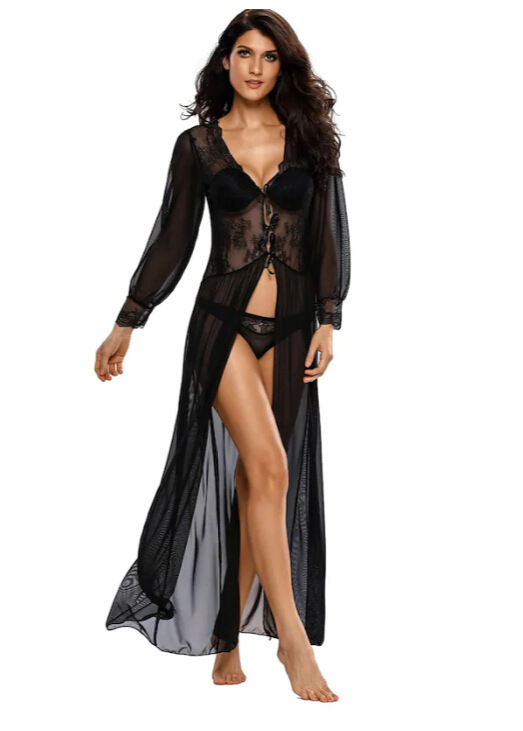
A lightweight cover-up isn’t just for walking from the lounge chair to the water. On days when confidence is lower than usual, having a layer you can leave on while you wade in — then peel off once you’re already in the water and nobody’s watching you do it — removes a lot of the pressure from the moment.
Shopping Smart: Sizing, Returns, and Bringing Support
Shop online with a retailer that has a genuinely flexible return policy, because almost nobody gets a post-surgery suit right on the first try, and trying four styles at home beats trying four styles under fitting-room lighting. If a return isn’t an option, bring a friend or a family member instead of going alone — several women in cancer support forums specifically credit having someone else in the room for making the whole process feel less like a chore and more like normal shopping.

Don’t assume “mastectomy swimwear” is the only search term that will get you somewhere. Plenty of mainstream suits — a structured tankini, a wireless bralette top, a one-piece with a built-in shelf — happen to check every box on a mastectomy checklist without ever being marketed that way. For more on avoiding the common traps of buying swimwear without trying it on first, see our guide to how to shop for swimwear online.

Swimwear brands have been slow to treat this as a mainstream need rather than a niche one, but that’s shifting — pockets and flat-friendly panels are showing up as standard options on regular suits, not special orders buried in a separate catalog. Until every rack gets there, the suit worth buying is still the one you’d pick for how it looks, not just for what it covers. If you’re rebuilding your swimwear collection from scratch this season, our adaptive swimwear guide is the next place to look.
Sources
- The Best Mastectomy Swimwear, Tried and Tested — Breastcancer.org — community-tested suit recommendations and fit advice.
- Breast Cancer Thrivers’ Swimsuit Guide — My Cancer Chic — shopping tips and category breakdown by need.
- What Is a Mastectomy Swimsuit? — Amoena — manufacturer explanation of pocket construction and sizing.