UPF Sun Hats for the Beach: 7 Best Picks
Sunscreen on your scalp is a losing fight. It sweats off, it doesn’t reach through hair, and most people skip it entirely above the hairline — which is exactly where dermatologists see a disproportionate number of scalp and ear melanomas. A UPF 50+ hat with real brim coverage solves that problem the same way a UPF swimsuit solves it for your torso: it blocks the ray instead of trying to absorb it, and it keeps blocking it for as long as you’re wearing it. Here’s what actually makes a sun hat effective, and seven that hold up to a full day at the beach.
What UPF Actually Means (and Why a Straw Hat Isn’t Automatically Safe)
UPF stands for Ultraviolet Protection Factor, and it measures how much UV radiation gets through a fabric rather than how long a sunscreen lasts on skin. A UPF 50 rating means only 2% of UV rays make it through the weave — the same math as SPF, but for cloth instead of lotion. The Skin Cancer Foundation’s Seal of Recommendation requires a minimum UPF of 50 for exactly this reason: anything lower starts leaking meaningful amounts of radiation through the fabric, especially once it’s wet.1
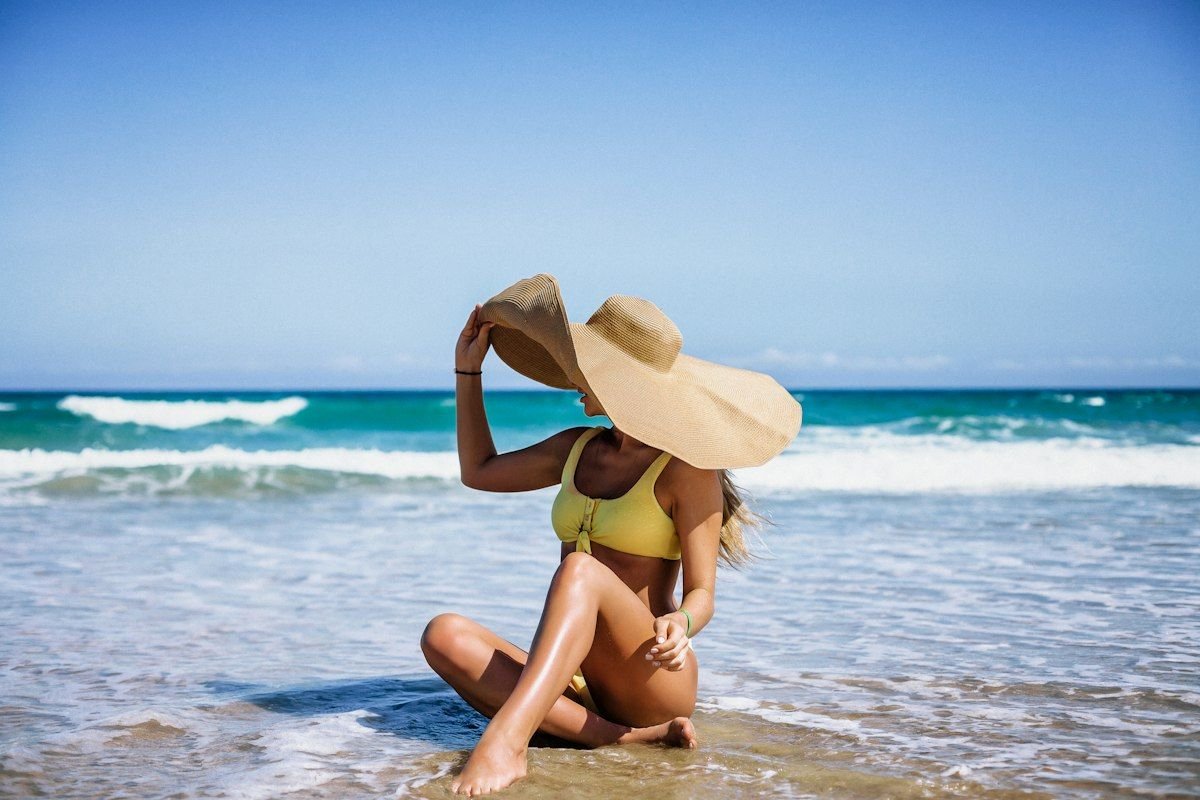
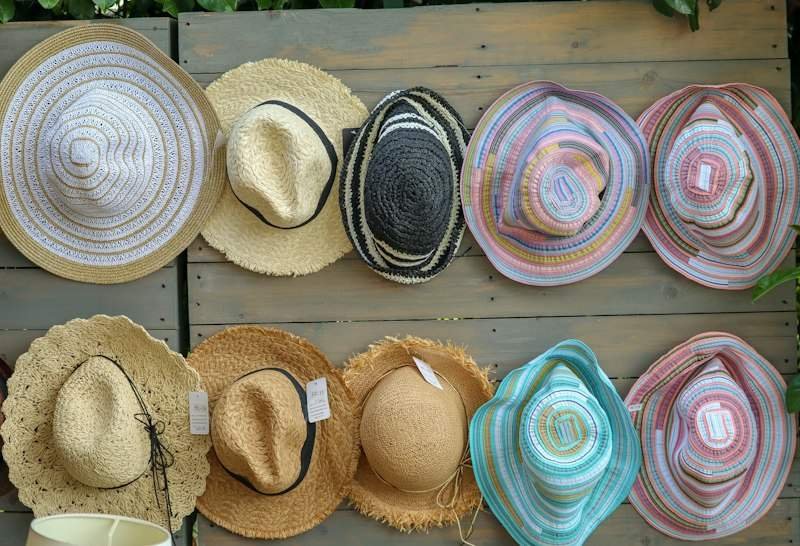
Here’s the part most shoppers miss: a loosely woven straw hat you can see sunlight through is not a UPF 50 hat, no matter how big the brim is. Light passing through the gaps in the weave is UV passing through too. Tightly woven paper straw, canvas, and synthetic blends with a tested UPF rating block far more than open-weave raffia or wide-gap straw, which can test as low as UPF 5–10 despite looking identical on a shelf. If a hat doesn’t list a UPF number, assume it’s doing cosmetic work, not protective work.
How to Choose a UPF Sun Hat
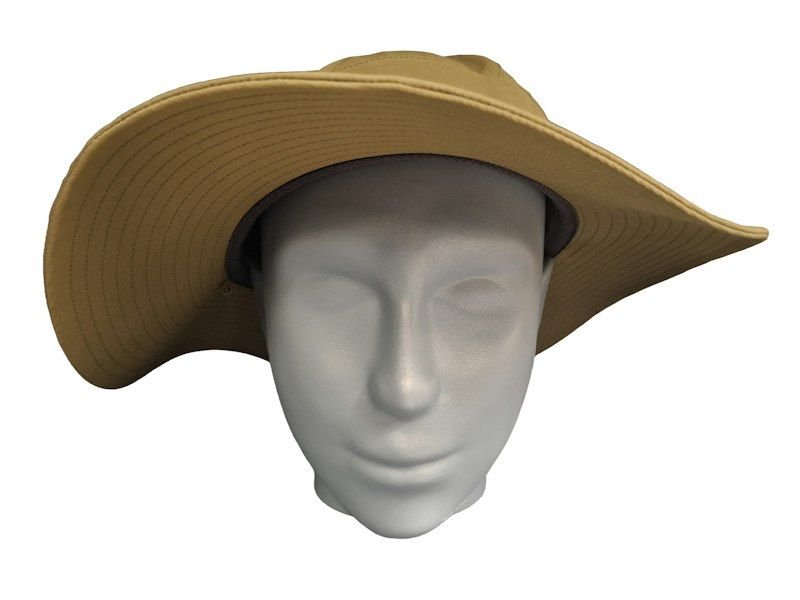
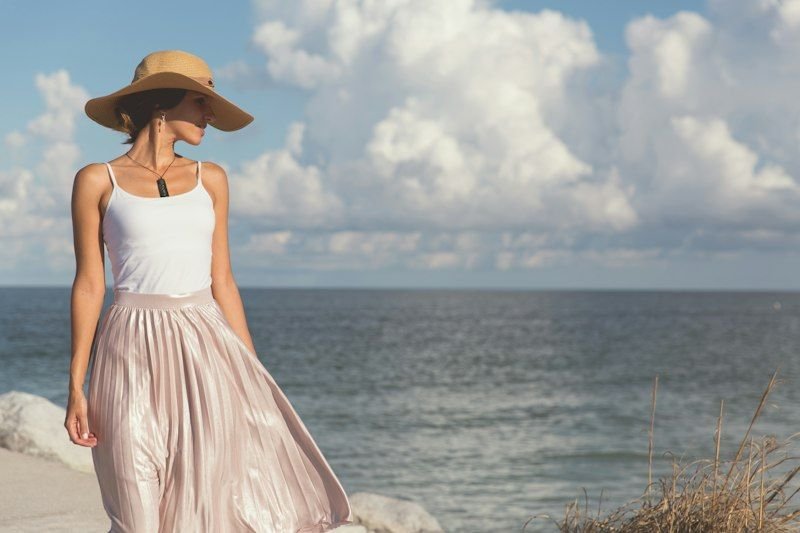
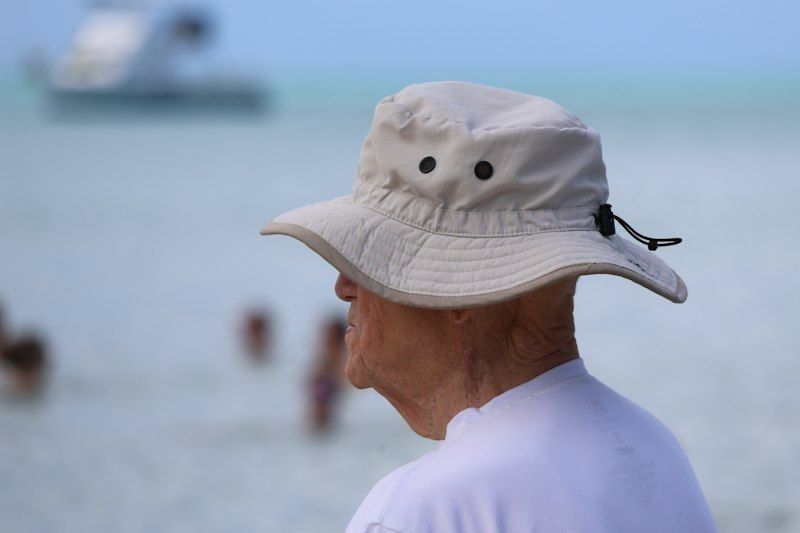
Brim width. The Skin Cancer Foundation recommends a minimum 3-inch brim running the full circumference of the hat, which is enough to shade your scalp, ears, and the back of your neck at midday sun angles. Baseball caps fail this test completely — they cover the forehead and leave the ears, neck, and top of the scalp exposed, which is part of why ear melanomas skew so heavily toward people who wear caps instead of brimmed hats.2
Fabric density. Hold any hat up to a light before buying. If you can see daylight through the weave, UV is getting through too. Synthetic fabrics like polyester and nylon block more consistently than natural fibers of the same weight, and a dense weave always beats a loose one regardless of material.
Color. Darker, more saturated colors absorb more UV than pale pastels or white, which sounds backwards if you’re used to thinking about heat, but it’s consistent across UPF testing. A navy or black hat in the same fabric as a white one will usually test a few points higher on UPF.
Water performance. UPF ratings drop when fabric gets wet — sometimes significantly, since water fills the air gaps in the weave that would otherwise scatter UV. If you’re wearing the hat in or right next to the water, look for one rated for wet performance specifically, not just dry-fabric UPF.
Wind security. A chin cord or adjustable toggle matters more at the beach than almost anywhere else — ocean wind doesn’t ease up, and a hat that blows into the water every ten minutes stops getting worn by hour two.
7 Best UPF Sun Hats for the Beach in 2026
1. Coolibar — Best Overall
Coolibar built its whole business on certified sun-protective clothing, and its wide-brim hats carry the Skin Cancer Foundation’s Seal of Recommendation, not just a UPF number printed on a tag. The brims run 3 to 4 inches depending on the style, the fabric holds its rating wet or dry, and the company has been independently lab-tested since the 1990s. If you want one hat you don’t have to second-guess, this is it.
2. Sunday Afternoons Ultra Adventure Hat — Best for Wind
This one is built for the part of the beach where most hats give up: wind. A toggle chin cord and a stiffer, structured brim keep it on your head through gusts that would send a floppy straw hat cartwheeling down the sand. UPF 50+ fabric, a removable neck cape for extra coverage, and a mesh-lined crown that actually breathes make it the pick for windy coastlines and boat days.
3. Wallaroo — Best Packable
Wallaroo hats fold, twist, or roll into a bag without losing their shape, which matters if you’re packing for a trip and don’t have room for a rigid brim. The trade-off with most packable hats is a thinner, lower-UPF fabric, but Wallaroo tests its folding styles to the same UPF 50+ standard as its structured ones, so you’re not giving up protection for suitcase space.
4. FURTALK — Best for Ponytails
A built-in back opening sounds like a small detail until you’ve spent a beach day readjusting a hat over a ponytail every few minutes. FURTALK’s UPF 50+ styles solve that with a cutout and adjustable drawcord at the back, plus a wide enough brim that the ponytail hole doesn’t compromise coverage. It’s a specific fix for a specific annoyance, and it works.

5. Tilley — Best for Durability
Tilley hats come with a warranty that covers the hat for its lifetime, which the company can afford because its canvas and nylon styles are genuinely built to survive years of salt water, sand, and sun. UPF 50+ across the line, a brim that doesn’t soften or sag after repeated soaking, and a reputation among sailors and long-haul travelers for a reason. It costs more upfront and pays that back over the number of seasons it lasts.
6. Columbia Bora Bora Booney — Best Budget
Columbia’s Omni-Shade fabric gets you a real UPF 50 rating in a bucket-style hat that costs a fraction of the specialty sun-hat brands. It won’t win style points against a wide-brim floppy hat, but the mesh side panels breathe well in humidity, the brim is stiff enough to hold its shape, and the price makes it an easy first UPF hat if you’re not ready to spend on one yet.
7. Solbari — Best Lab-Certified Rating
Solbari hats carry independent UPF 50+ certification from the Skin Cancer Council of Australia, which runs some of the strictest sun-protective clothing testing in the world given how much UV exposure the country deals with. The brims are wide and stiff, the fabric is rated for wet performance specifically, and the certification gives you a number you don’t have to take on faith.
Packable or Structured — Which One Do You Actually Need?
This comes down to how the hat travels, not how it looks on the beach. A structured wide-brim hat holds its shape better in wind and looks sharper in photos, but it takes up real space in luggage and can get crushed in an overhead bin. A packable style folds flat or rolls into a pouch small enough for a beach bag side pocket, which matters if you’re hopping between a flight, a rental car, and three different beaches in one trip. Neither trades away UPF protection anymore — the gap used to be real, but most major brands now rate their packable lines to the same UPF 50+ standard as their structured ones.
Mistakes That Quietly Cancel Out Your Sun Hat
The most common one is treating the hat as the whole plan. A hat shades your scalp and face but does nothing for your shoulders, chest, or the backs of your legs, so skipping sunscreen on the rest of your body because “I’m wearing a hat” is how people still end up burned despite doing one thing right. Pair the hat with sunscreen on everything it doesn’t cover, not instead of it.
The second is buying based on brim width alone and ignoring the weave. A 5-inch brim in a loose, open straw can test lower on UPF than a 3-inch brim in a dense synthetic — brim size extends the shadow, but fabric density is what actually blocks the radiation hitting the shadow’s edge. And the third is assuming a wet hat still performs like a dry one; if you’re swimming in it, check that the fabric is rated for wet UPF specifically, since most ratings on the tag assume dry conditions.
Frequently Asked Questions
Does a wet sun hat still block UV rays?
Yes, but usually at a lower rate than its dry rating. Water fills the gaps in a fabric’s weave that would normally scatter UV, which is why hats intended for swimming or watersports are tested for wet UPF specifically rather than relying on a dry-condition number.
Is UPF the same as SPF?
No. SPF measures how long a sunscreen delays skin reddening from UVB rays specifically. UPF measures how much total UV radiation — both UVA and UVB — passes through a fabric. A UPF 50 hat and an SPF 50 sunscreen aren’t directly comparable numbers, even though they use similar math.
Do baseball caps count as sun protection?
Only for your forehead and part of your face. A standard cap leaves your ears, the sides of your neck, and the top and back of your scalp exposed, which is why dermatologists recommend a full-circumference brim over a cap for any extended time outdoors.
What brim size actually makes a difference?
A minimum of 3 inches around the entire brim is the baseline the Skin Cancer Foundation points to for meaningful scalp, ear, and neck coverage. Anything under that starts leaving gaps, especially as the sun angle shifts through the day.
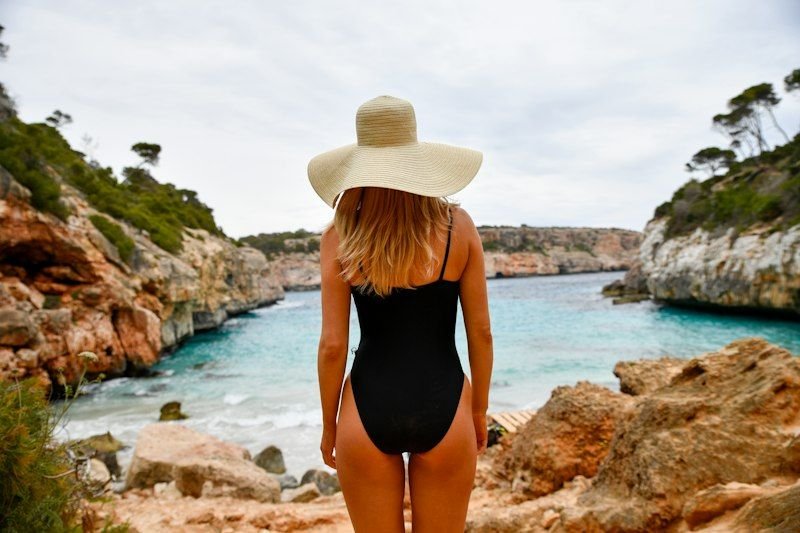
A good UPF hat outlasts every bottle of sunscreen you’ll go through this summer, and unlike lotion, it doesn’t run out halfway through the day. Pick one with a real brim and a real UPF number, pair it with reef-safe sunscreen for everything the brim doesn’t cover, and check out our full guide to beach accessories for the rest of what’s worth packing.
Sources
- The Skin Cancer Foundation — Find Your Sun Protection Style — UPF Seal of Recommendation standards and minimum brim coverage guidance.
- The Skin Cancer Foundation — Expert Answers to Sun Protection Questions — UPF 50 vs. UPF 30 fabric penetration rates and coverage recommendations.
- American Academy of Dermatology — Sun-Protective Clothing — Fabric weave, color, and wet-performance factors in UPF-rated clothing.