Swim Goggles: 7 Best Picks for 2026
Ten minutes into the first swim of a beach trip, the lenses go cloudy, salt stings the corner of your eye, and the glare off the water turns every wave into a white blur. That’s what happens when you grab whatever goggles were on sale at a big-box sporting goods aisle instead of something built for open water. Most of the “best swim goggles” roundups ranking for this term right now were written by competitive swim coaches testing in indoor, chlorinated 25-meter pools — useful if you’re training for a meet, close to useless if you’re snorkeling off a sandbar in Phuket or bodysurfing in Tulum.
This list covers the goggles that actually hold up outdoors: saltwater corrosion resistance, polarized glare control, and a seal that survives sand grit working its way under the gasket.
Why Pool Goggles Fail You at the Beach
Chlorinated pool water is predictable. Open water is not. Saltwater is more corrosive to the metal spring hinges some budget goggles use, and the UV load reflecting off open water is higher than what you get staring down at a pool lane line, since sunlight bounces off a moving, textured surface at more angles. The National Eye Institute has flagged chronic UV exposure around water and snow as a contributor to pterygium — a growth on the eye’s surface nicknamed “surfer’s eye” precisely because it shows up disproportionately in people who spend years in open water without UV-blocking eyewear.
Glare is the other half of the problem. A plain tinted lens dims the light evenly; a polarized lens cuts the specific wavelengths that bounce off a flat, reflective surface like the ocean. That’s why every goggle on this list that’s actually built for open water uses polarized or mirrored glass instead of a flat tint.
7 Best Swim Goggles for Beach and Open Water in 2026
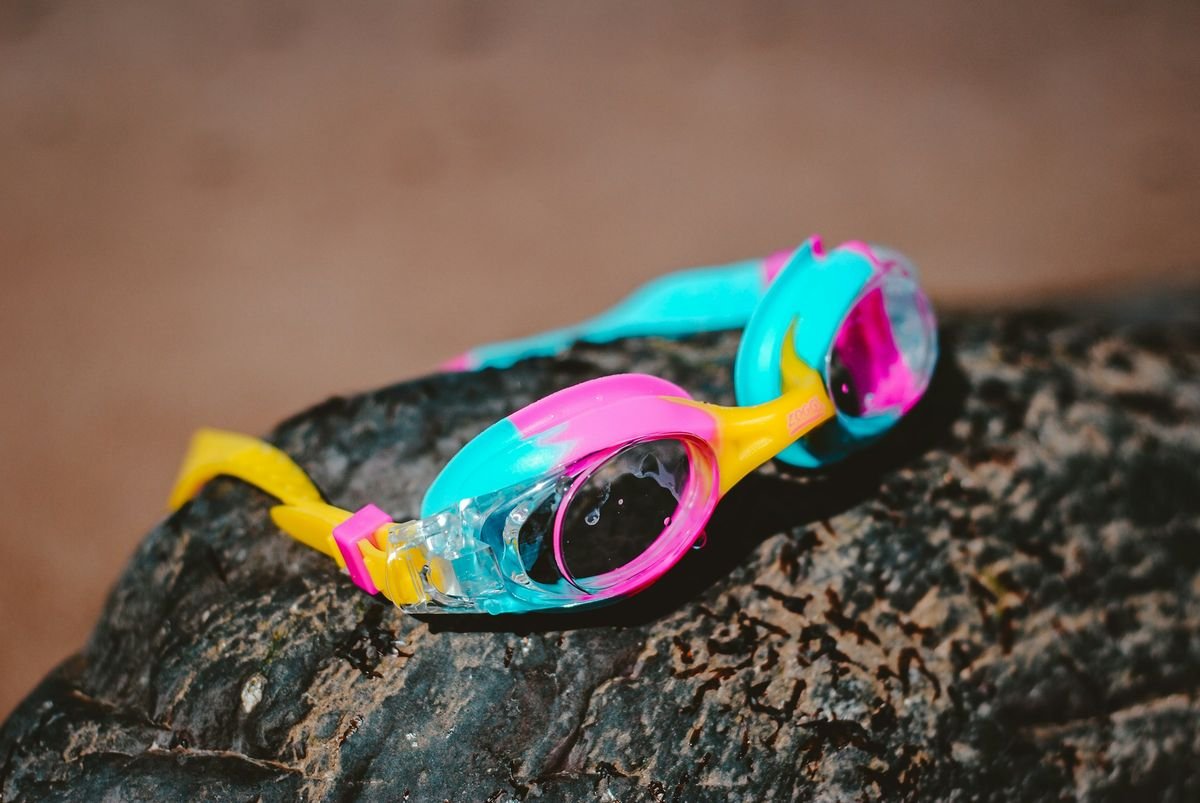
1. ZIONOR G1 Polarized
The G1 earns its spot at the top for one reason: the widest field of view of anything on this list, paired with a soft silicone gasket that molds to a range of face shapes without needing three nose-bridge swaps. The polarized UV lens handles glare off open water better than most goggles twice the price, and the frame is wide enough that it doesn’t dig into the temples during a long swim.
2. Aqua Sphere Kayenne Polarized
Built around a curved single lens instead of two separate eyecups, the Kayenne gives a near-panoramic view that’s genuinely useful for sighting buoys or other swimmers in open water. It runs a little large on narrower faces, so size down if you’re between options.
3. Speedo Mirrored Vanquisher 3.0
This is the pair that shows up on nearly every swim team’s equipment bag, and it earns that reputation honestly. The mirrored coating cuts glare, the fit stays put through flips and dives, and the low profile means you forget you’re wearing them. Not purpose-built for saltwater, but durable enough that corrosion isn’t a real concern over a normal vacation.
4. Zoggs Predator Flex Polarized
The flexible frame is the standout feature here — it gives slightly under pressure instead of digging into the brow bone, which matters on a four-hour beach day where you’re not taking the goggles off between swims. Polarized lenses and a soft, wide gasket round it out.
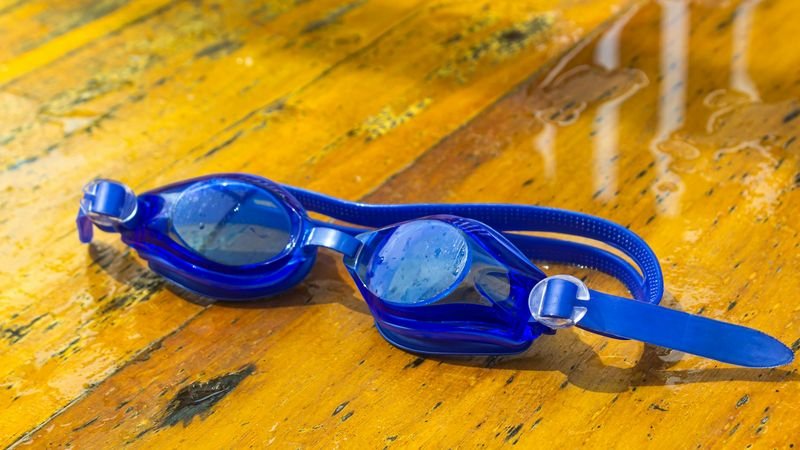
5. TYR Special Ops Polarized
TYR built this one for triathletes doing open-water swim legs, and that shows in the stripped-down, low-drag frame. The polarized lens handles bright saltwater glare well, though the seal runs firmer than the others on this list — good for a secure fit, less forgiving if you have a smaller face.
6. Speedo Biofuse 2.0
Speedo cut this frame specifically around a narrower female face shape, and the push-button strap adjustment means you can get a secure fit in seconds without fiddling with buckles while standing in the surf. The seal is soft rather than firm, which some open-water swimmers prefer for long stretches.
7. Arena Cobra Ultra Swipe Mirror
The anti-fog here works differently than a standard coating: swipe a wet fingertip across the inside of the lens underwater and it reactivates the coating on the spot. That’s a real advantage on a hot, humid beach day where fog builds up fast and you don’t want to come out of the water just to clear your lenses.
Getting a Leak-Proof Seal for Your Face Shape
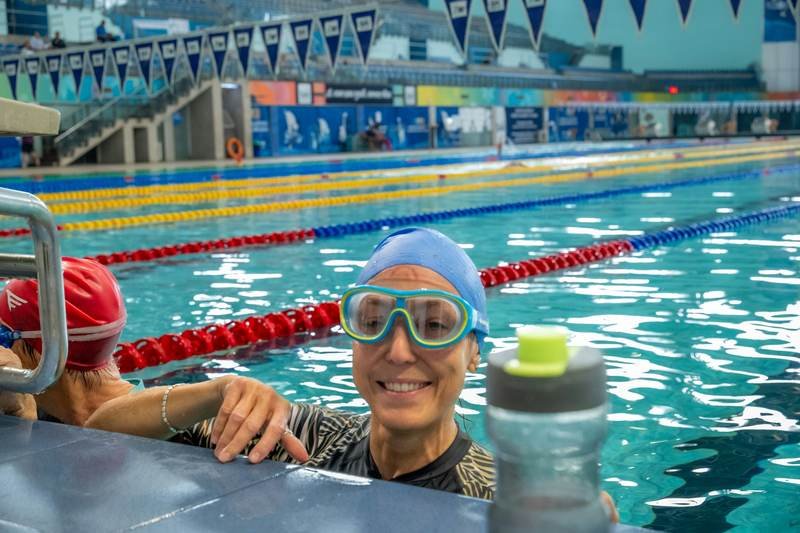
Every pair of goggles leaks eventually if the seal doesn’t match your face. Press the goggles gently against your eye sockets without using the strap — if they stay put on their own for a couple of seconds, the seal is right for you. If they fall off immediately, the gasket is too large; if they pinch hard enough to leave a mark, it’s too small.
Narrower faces generally do better with a smaller eyecup and a soft, double-layer silicone gasket, which is part of why the Speedo Biofuse 2.0 gets recommended specifically for women more often than the Vanquisher. Wider or more angular faces tend to need a firmer gasket like the TYR’s to avoid the seal folding under pressure. Nose bridge size matters almost as much as eyecup shape — most mid-range and premium goggles ship with two or three interchangeable bridge pieces, and skipping that swap is the single most common reason a “good” pair of goggles still leaks.
If you’re shopping for a beach trip and want to brush up on pool-side etiquette before you go, a properly sealed pair of goggles also means fewer awkward moments stopping mid-lane to dump water out.

Anti-Fog That Still Works After the Coating Wears Off
Every anti-fog coating degrades. Rubbing the inside of the lens with a towel, touching it with fingers, or just months of normal wear strips the hydrophilic layer that keeps condensation from forming. Once that happens, most people assume the goggles are done — but a $6 bottle of dedicated anti-fog spray, applied to a dry lens and left to cure for a minute before rinsing, restores most of the clarity a worn coating lost.
Saliva works in a pinch and actually has real science behind it — the proteins in spit create a thin film that behaves similarly to a factory anti-fog coating, which is why swim coaches have spit in goggles for decades. It’s not elegant, but it works better than nothing on a beach day when you left the spray bottle at the hotel. The Arena Cobra’s swipe-to-reactivate coating solves this more permanently by building a renewable layer right into the lens, which is the real reason it’s worth the extra cost if fogging has ruined past trips.
What If You Wear Glasses or Contacts in the Water
The American Academy of Ophthalmology is specific about this one: don’t swim in contact lenses, full stop. Water — pool, lake, or ocean — can carry Acanthamoeba, a microorganism that thrives on contact lens surfaces and causes a corneal infection that’s painful to treat and can threaten vision in severe cases. If contacts are non-negotiable for you, the AAO’s guidance is to wear a tightly sealed pair of goggles over them rather than swimming bare-eyed with lenses in.
For anyone who needs correction but doesn’t want to deal with that risk, prescription swim goggles exist in both custom lab-ground lenses and off-the-shelf “shortsighted” options sold in common diopter steps (-1.5, -3.0, -4.5, and so on). They won’t match a full eye exam prescription exactly, but they get most nearsighted swimmers close enough to actually see the shoreline instead of a blur.
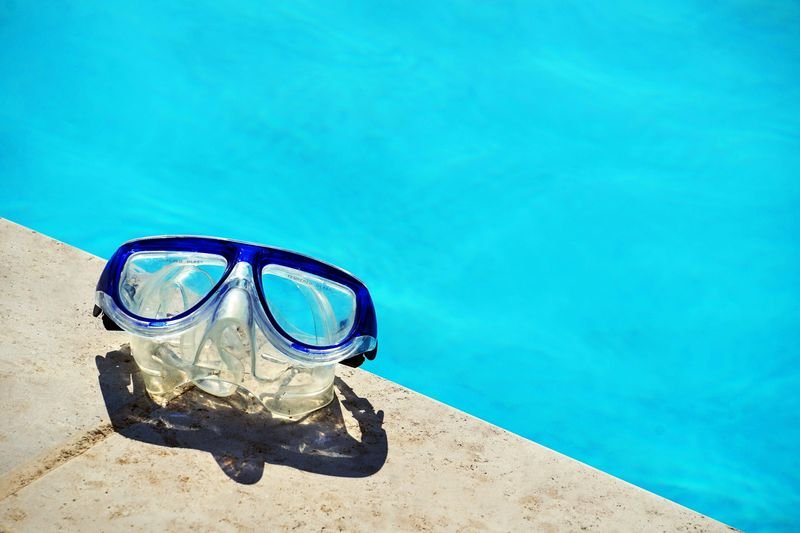
Caring for Goggles After Salt, Sunscreen, and Chlorine
Salt crystallizes in the gasket grooves if you let goggles air-dry without rinsing, and that buildup is what eventually cracks silicone seals. Rinse with fresh water after every saltwater swim, shake out the excess, and let them dry out of direct sunlight — UV exposure breaks down silicone and polycarbonate over time, which is also why leaving goggles on a towel in full sun between swims shortens their life more than the swimming itself does.
Sunscreen is the other silent killer. Oxybenzone and avobenzone, the active ingredients in most chemical sunscreens, degrade silicone gaskets and can fog anti-fog coatings from the inside out if residue transfers from your fingers to the lens. Put sunscreen on well before putting goggles on, and if you’ve already paired a reef-safe sunscreen with a swim cap for your beach day, goggles are the last thing you touch, not the first.
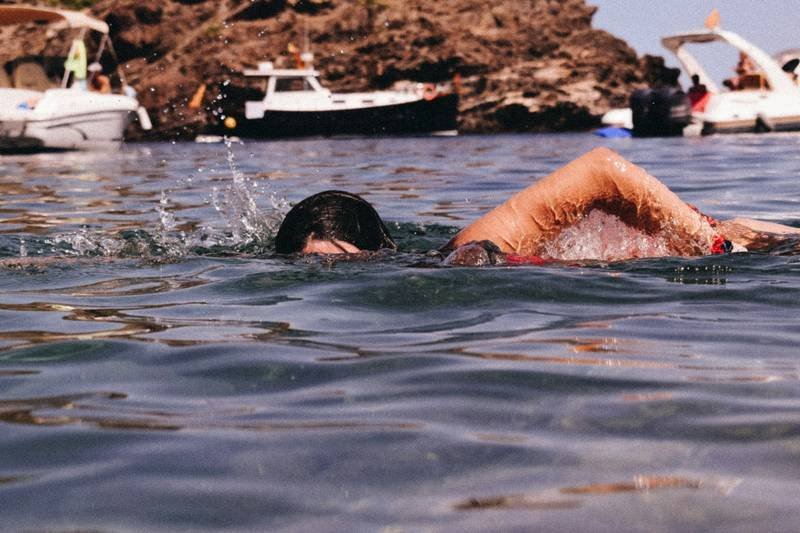
The CDC’s healthy swimming guidance also points at a less obvious reason to keep goggles clean: chloramines and other water irritants are a documented cause of red, itchy “swimmer’s eye,” and a goggle gasket caked with old sunscreen or salt residue traps those irritants right against the skin instead of sealing them out. A thirty-second rinse after every swim does more for comfort than any eye drop.

Watch: Top Picks Compared Side by Side
Frequently Asked Questions
Do I need polarized goggles for the beach? Not strictly, but glare off open water is strong enough that most people notice the difference within the first swim. A mirrored or polarized lens cuts it; a plain tinted lens just dims everything evenly.
Can regular pool goggles handle saltwater? Most survive a week-long trip without falling apart, but the metal spring hinges on cheaper models corrode faster in saltwater, and the silicone gasket degrades quicker from sun and sunscreen exposure than it would poolside.
How long should a pair of swim goggles last? With a fresh-water rinse after every swim and dry storage out of direct sun, a mid-range pair typically holds its seal and anti-fog performance for six months to a year of regular use before the gasket starts to lose its grip.
A $20 pair of goggles that actually fits and handles glare will do more for your next beach trip than a $40 pair that’s the wrong shape for your face. Try the seal test in the store or before you buy online, rinse them after every swim, and keep the sunscreen away from the lens — that’s most of what separates goggles that last a season from ones that are garbage by the second day.
Sources
- American Academy of Ophthalmology — Showering and Swimming With Contact Lenses — guidance on Acanthamoeba keratitis risk and recommendation to wear sealed goggles over contacts if you must swim in them.
- CDC — Healthy Swimming / Recreational Water — on chloramines and other irritants causing red, itchy eyes and general water hygiene guidance.
- National Eye Institute — Pterygium — on chronic UV exposure around water as a risk factor for pterygium (“surfer’s eye”).