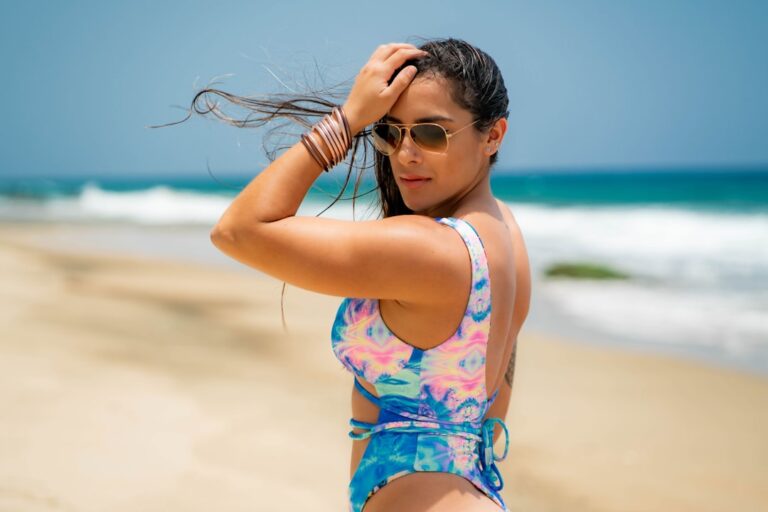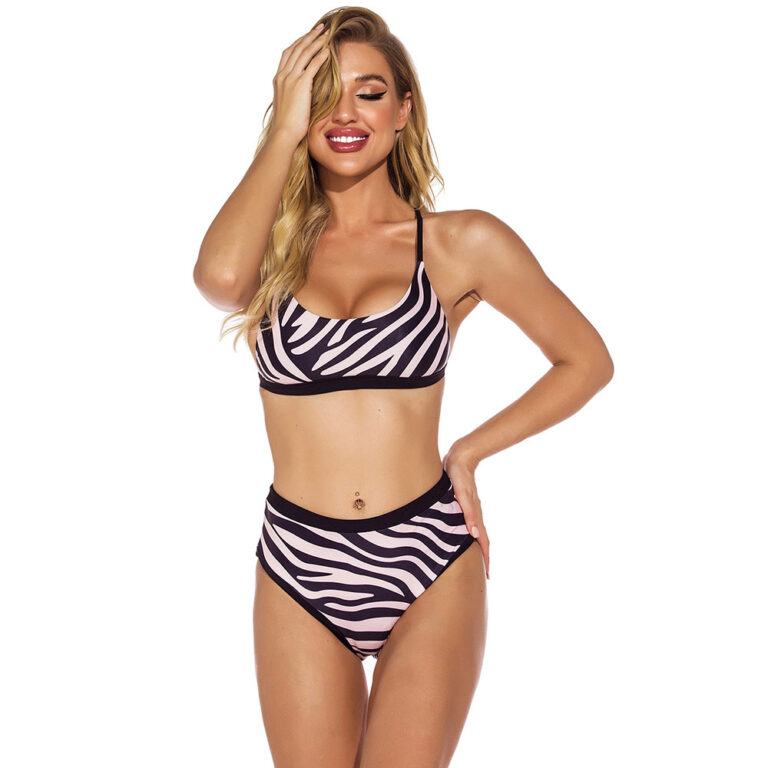

Mommy and Me Swimwear: 9 Essential Tips
Eighty-one percent of parents say they’re actively trying to recreate the family trips that stuck with them as kids, and 53% of kids say vacations are what brings their family closer together, according to a 2013 US Travel Association study that still gets cited because nothing newer has replaced it. A matching swimsuit is a small prop in that bigger picture, but it’s the one thing that shows up in every photo from the trip. The problem is most mommy and me shopping guides stop at “buy the same print” and never explain what to do when your daughter is 4 and you’re a 34D, or when the suit that fit her in June doesn’t zip by August.
Why Mommy and Me Swimwear Is Everywhere This Summer

Search interest in matching family swimwear climbs every May and holds through August, and the brands chasing it know exactly why: a coordinated poolside photo is cheap to produce and performs well on social feeds, which pushes more retailers to stock kid sizes next to adult ones. That’s good news if you’re shopping — more options, more price points — but it also means every fast-fashion site now sells a “mommy and me” tab, and a lot of what’s in it is thin, see-through after one wash, or sized for a toddler built differently than yours.
The honest take: most families don’t need the exact same suit. What they need is a plan that holds up through a real week at the pool — one kid who won’t sit still for sunscreen, one mom who wants to actually swim instead of posing, and a suitcase that isn’t 40% swimwear. None of this is exclusive to moms and daughters, either — the same color-matching logic below works just as well for dads, grandparents, aunts, or two-mom and two-dad families doing their own version of the trend. “Mommy and me” is just the search term everyone uses.
Match the Color, Not the Outfit

Picking a single color or color family — one red, one navy, one coral — and letting everyone wear a different silhouette within it reads as coordinated in photos without forcing anyone into a cut that doesn’t fit their body or their day. Mom can wear a one-piece with real coverage while her daughter wears a ruffled two-piece in the same shade, and the photo still looks intentional. We covered this exact logic for adult pairs in matching couple swimwear, and it works even better across generations because the age gap already signals “family” — you don’t need identical fabric to prove it.
A solid color base is the easiest way to pull this off because it coordinates with almost any printed kid’s suit you already own, instead of forcing you to shop both sizes from the same collection.

Let Everyone Pick Their Own Accessory

Same swimsuit color, completely different hat — that’s the detail that keeps a matching set from looking like a costume. Let your daughter pick her own sunglasses, her own hat, her own cover-up. She’ll actually wear them instead of fighting you at the pool entrance, and the contrast between “same suit, different personality” is what makes these photos feel real instead of staged. This is a small thing, but it’s the difference between a photo you post and a photo you’re tagged in by someone else without asking.
What Actually Works at Every Age

An infant or crawling toddler needs a suit with snap closures at the diaper area and nothing with strings or loose ties — the CPSC has flagged drawstrings as a strangulation risk on children’s clothing for exactly this reason, and swimwear isn’t exempt just because it’s not a hoodie. A one-piece with a full back and wide shoulder straps also survives a toddler being picked up and carried, which a bikini top does not.
Preschool and early school-age kids are the easiest group to match — they’ll wear what you hand them and they’re not self-conscious about a matching print yet. This is the window to go bold with pattern, because by age 8 or 9 most girls start having opinions about what they’ll actually wear in public.
Tweens and teens are where “matching” should quietly become “coordinating.” A 12-year-old asked to wear the literal same suit as her mother will often say no, and that’s a normal developmental response, not a tantrum. Give her the same color and let her choose her own cut — this is usually the point where the family moves from identical prints to the color-family approach covered above, and it keeps everyone participating instead of one person opting out of the photo entirely.
Fabric That Survives Chlorine, Salt, and a Toddler

Chlorine forms hypochlorous acid in pool water, and that acid attacks the elastane (the stretch fiber, often sold as Lycra or spandex) in a swimsuit before it touches anything else — the elastane loses its stretch first, which is why a suit starts sagging at the seat and straps long before the color visibly fades. Suits with a higher percentage of polyester or PBT blended in resist that breakdown far longer than cheap all-spandex prints, which matters more for a kid’s suit than an adult’s, since kids are in the water longer per trip and the suit gets handed down or re-worn more often. Rinsing in fresh water within an hour of leaving the pool — not waiting until laundry day — measurably slows the damage, because the acid keeps working on the fibers for as long as it’s sitting in them. We go deeper on wash, dry, and storage habits in how salt, chlorine, and sun destroy swimwear, and most of it applies to kids’ suits too.
Sun Protection Isn’t Optional
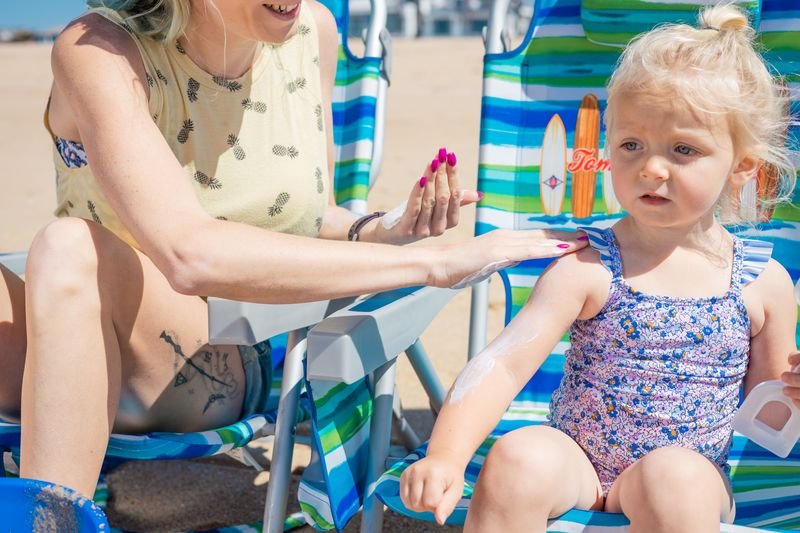
A UPF 50 fabric blocks about 98% of UV radiation, letting through roughly 2%, compared to up to 20% that passes through an average cotton tee — a gap wide enough that MD Anderson Cancer Center lists UPF clothing as a primary defense for kids, not a backup to sunscreen. That matters most for a child’s suit, since kids sunburn faster and most parents reapply sunscreen on a schedule that doesn’t survive actual pool time. If you’re buying one UPF piece this season, put it on the kid first — their skin takes longer-term damage from the same sun exposure than an adult’s does.
A one-piece with built-in coverage, like a full-back lace silhouette, also means less bare skin to track sunscreen on in the first place, which is its own kind of sun protection.

Packing for Two (or Three) Without Overpacking

Two matching sets per person is enough for a week-long trip, not three or four — one suit dries while the other is worn, and a third just sits in the suitcase taking up space you’ll want for towels. Pack the kid’s suits in a separate mesh bag from yours; wet swimwear against dry clothes is the single most common reason a suitcase smells by day four of a trip. For the mechanics of rolling, drying, and fitting swimwear into limited luggage space, our full breakdown is in pack swimwear for travel.
If you’re flying, wear one of the matching sets under your clothes on travel day. It saves suitcase space and means you’re both pool-ready the second you check in, instead of digging through a bag while a tired kid melts down in a hotel lobby.
Where to Shop Without Blowing the Budget
Buy the adult suit first. It’s the harder fit to get right, and once you have a color locked in, matching a kid’s suit to it is easy and cheap — kids’ swimwear runs $15–25 almost everywhere, while a well-made adult suit is the real investment. Shopping that order also means you’re not stuck with a kid’s suit in a color no adult suit actually matches.
Buying one piece from a mid-range brand beats buying the cheapest matching set you can find, because thin fast-fashion swim fabric pills and goes sheer in chlorine within a season — you’ll be rebuying it by July anyway, which erases whatever you saved upfront.
Kids’ and women’s swimwear sizing don’t run on the same scale, and most sites won’t tell you that upfront. A kid’s size 6 isn’t “a smaller version” of a women’s small — it’s built off a completely different growth chart, so check the brand’s actual size chart in centimeters or inches rather than trusting the age label on the tag. This matters more for swimwear than regular clothes, since a suit that’s even slightly too big won’t stay on in the water, and one that’s too small won’t stretch the way a cotton shirt does.

Getting the Photo Without It Looking Forced
Shoot in motion — walking toward the water, mid-splash, a kid being swung by the arms — instead of lining everyone up to smile at the camera. Posed matching-outfit photos read as staged; candid ones read as a real day that happened to include matching suits. Shoot it in the first twenty minutes at the pool too, before sunscreen gets reapplied, hair gets wet, and everyone’s patience for photos runs out.
Here’s a real walkthrough of building a mommy and me look that doesn’t feel like a costume:
None of this needs to be perfect. The suit that gets worn into the water and comes home faded and sand-crusted is doing its job better than the one kept pristine for a single photo. Buy the color, let everyone pick their own cut, and go get in the water.
Sources
- US Travel Association — “Like Their Parents, Children Cherish Family Vacation Memories” — survey data on family vacation bonding and memory.
- MD Anderson Cancer Center — 7 things to know about UPF, sun protection, and clothing — UPF 50 UV-blocking data.
- Spandex by the Yard — Fabric Care Guide — how chlorine degrades elastane/spandex fibers.
- US Consumer Product Safety Commission — Drawstrings in Children’s Upper Outerwear — drawstring safety standards for children’s clothing.