
Beach Vacation Packing List: 15 Women’s Essentials for 2026
A week before a beach trip, most people start packing two days before departure — and forget something obvious anyway. The problem isn’t laziness. It’s that most packing guides are written by people who apparently have unlimited luggage space and a personal assistant. This list is built around what actually matters: the 15 things that make a beach vacation comfortable versus chaotic, organized by category so you can work through it fast.
The full count runs longer than 15 items because some categories have a few non-negotiables inside them. But 15 is the number of decisions you actually need to make — and that’s manageable.
Start With What You’re Going to Wear in the Water
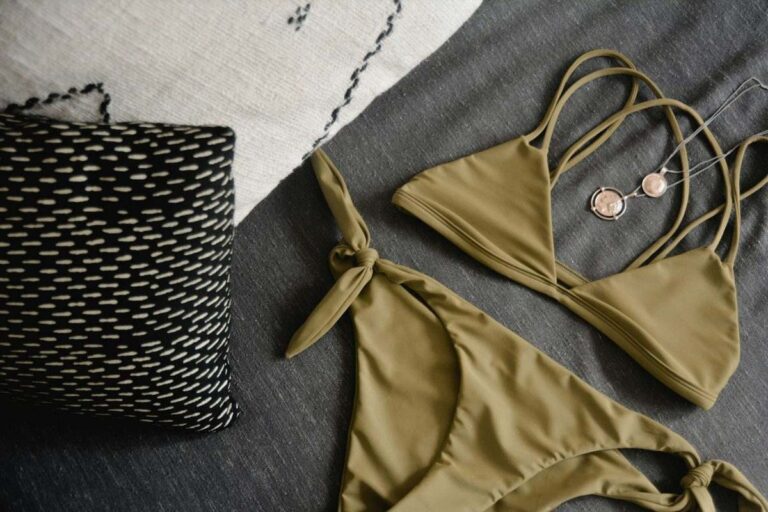
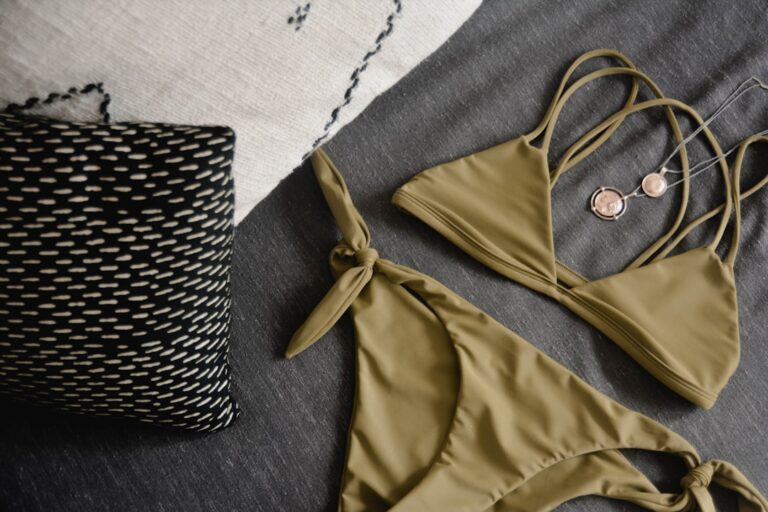
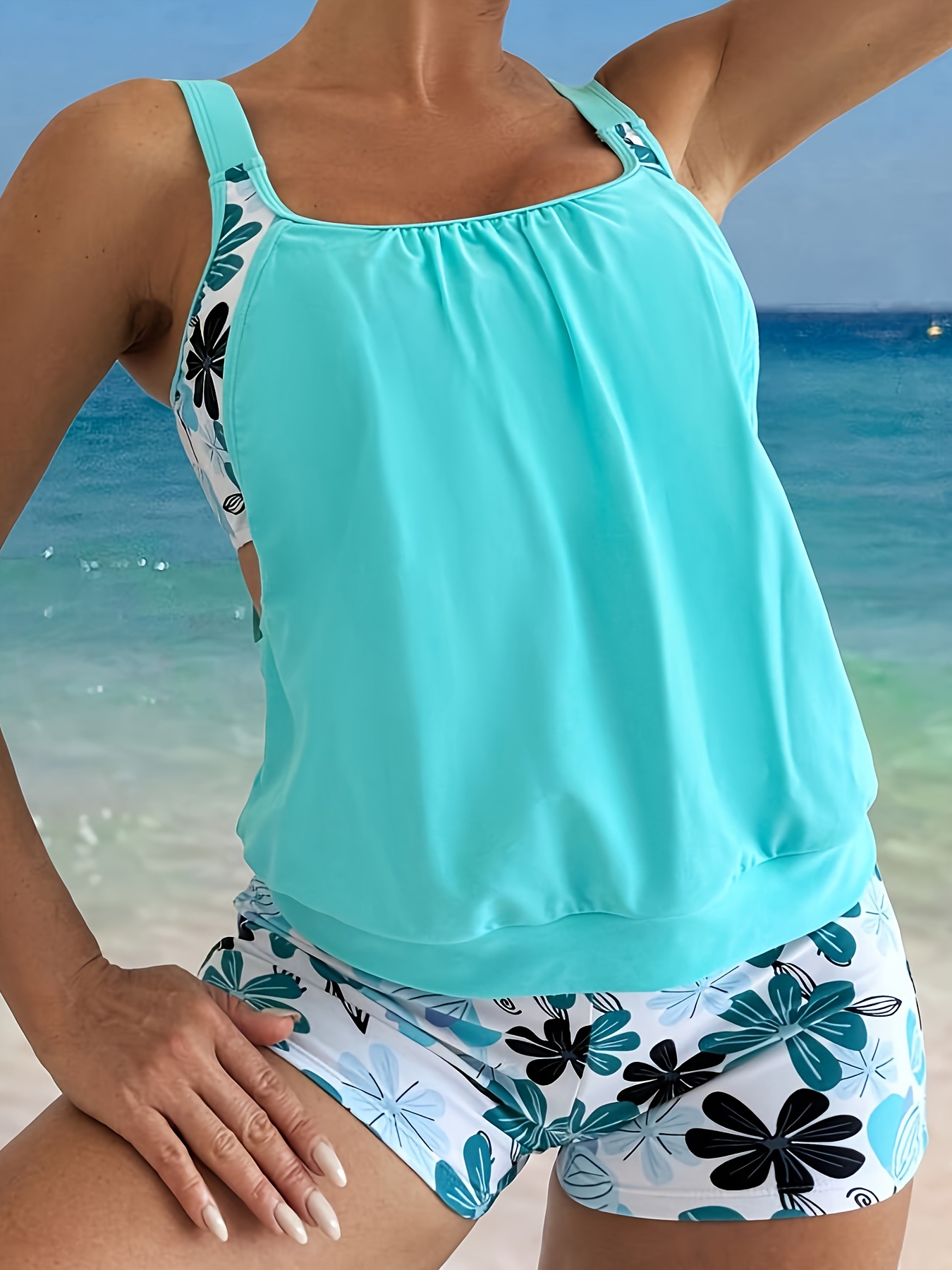
Two swimsuits is the floor, not the target. One dries while you wear the other, which matters more than you’d think after a full day of sun and salt. Three pieces gives you room to mix tops and bottoms across days without repeating a full look. If you’re going somewhere with a pool and a beach, pack at least one set you don’t mind chlorinating and one you’d rather keep for salt water.

For most trips under a week, a mix-and-match bikini approach works better than identical sets. Two tops and three bottoms gives you six theoretical combinations, though in practice you’ll probably default to two favorites. The point is flexibility with less luggage weight.
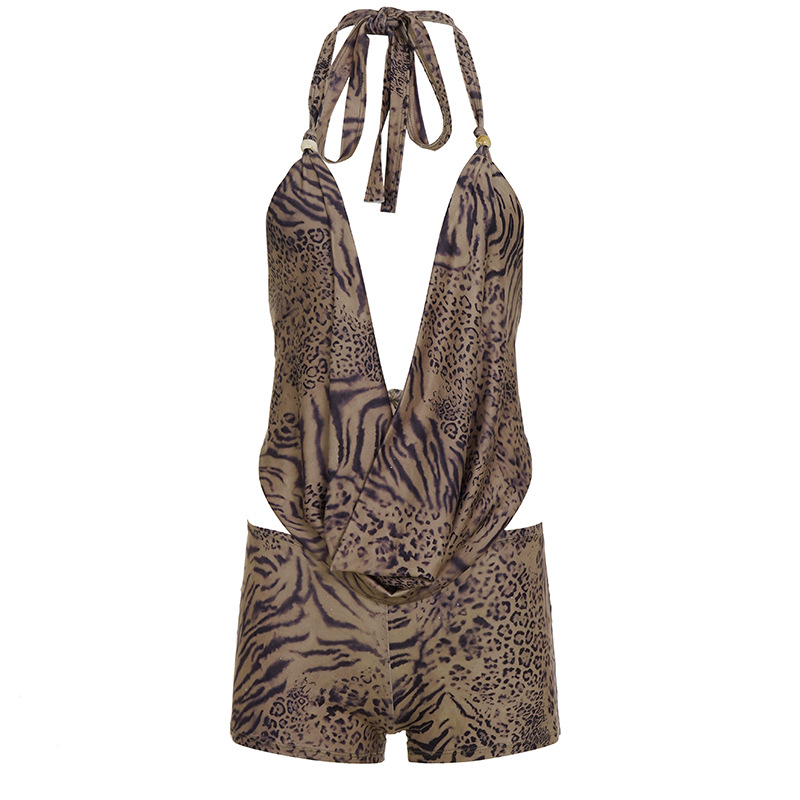
For destinations where modesty is a consideration — certain Mediterranean beaches, Southeast Asian towns with dress codes, or areas where beach-to-town transitions happen frequently — a one-piece or a high-waisted bikini bottom gives you more flexibility to move around without reaching for a cover-up every time. One swimwear piece with that kind of dual purpose earns its spot in the bag across a week-long trip, especially when you’re splitting time between beach days and sightseeing on the same afternoon.

Sun Protection — Every Single Day, No Exceptions
SPF 30 is the minimum. SPF 50 is better. Reef-safe mineral formulas (zinc oxide or titanium dioxide) are worth the extra cost at destinations with protected marine areas — many beaches in Hawaii, Mexico, and the Caribbean now restrict oxybenzone-based sunscreens, and the reef genuinely suffers from them. Apply 20 minutes before going out, reapply every two hours and immediately after swimming. A 100ml travel tube will not last a week for two people. Pack the full-size bottle.
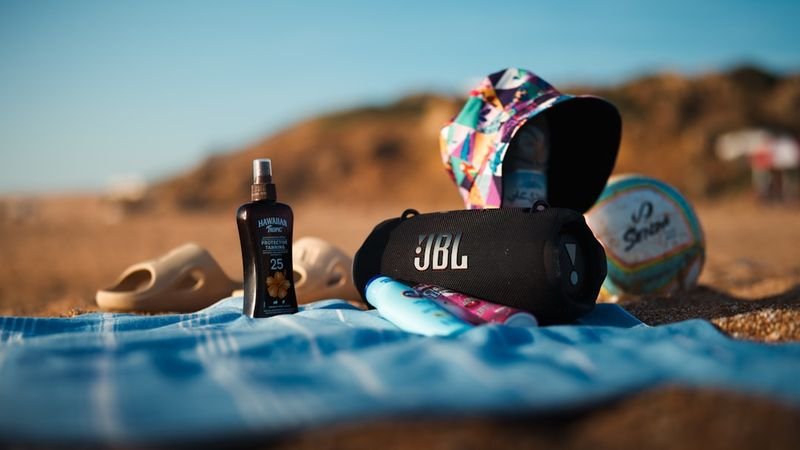
A wide-brim hat (4-inch brim or wider) blocks UV from above in a way that sunscreen can’t. UV-protection rash guards and SPF shirts are worth packing if you’re doing water activities beyond swimming — kayaking, paddleboarding, and snorkeling all keep you exposed for long stretches. The women’s rash guard guide covers what to look for in a UPF-rated option without compromising on fit or style. After-sun lotion (aloe or ceramide-based) belongs in the bag too — it’s not optional on a week-long trip.
The Beach Bag You’ll Actually Carry
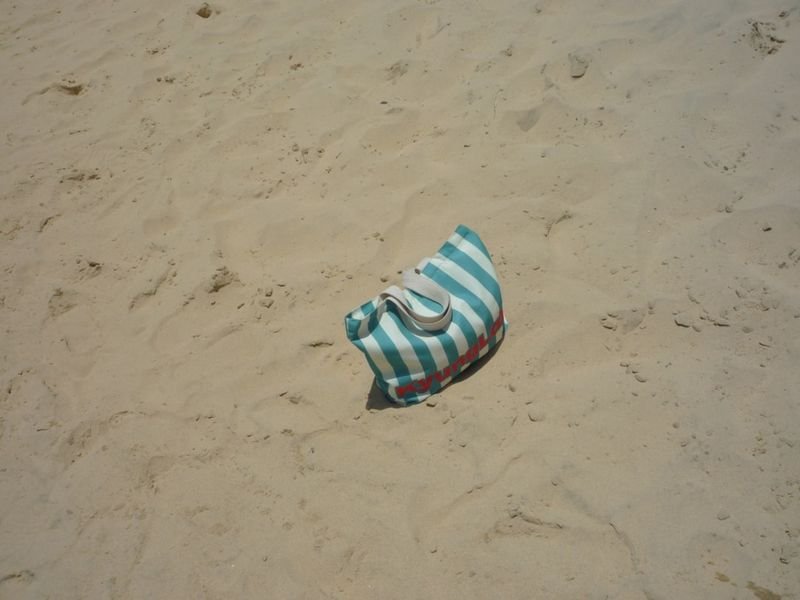
Mesh or canvas, large enough to hold two towels, a water bottle, and a change of clothes. A waterproof inner pouch for your phone and wallet is worth having rather than assuming the outer bag will handle splash. Straw totes look great in photos but disintegrate in a humid sea breeze by day three. A structured canvas tote or nylon mesh bag holds shape, dries fast, and doesn’t turn into a structural problem mid-trip.
Two microfiber towels pack down to a fraction of a standard bath towel and dry fast enough to reuse within a few hours. Hotels provide pool towels but they often don’t cover beach use, and you’ll want something to call your own. Microfiber is the one packing change that most people wish they’d made earlier.
Sunglasses, Skincare, and the Parts Most Lists Skip
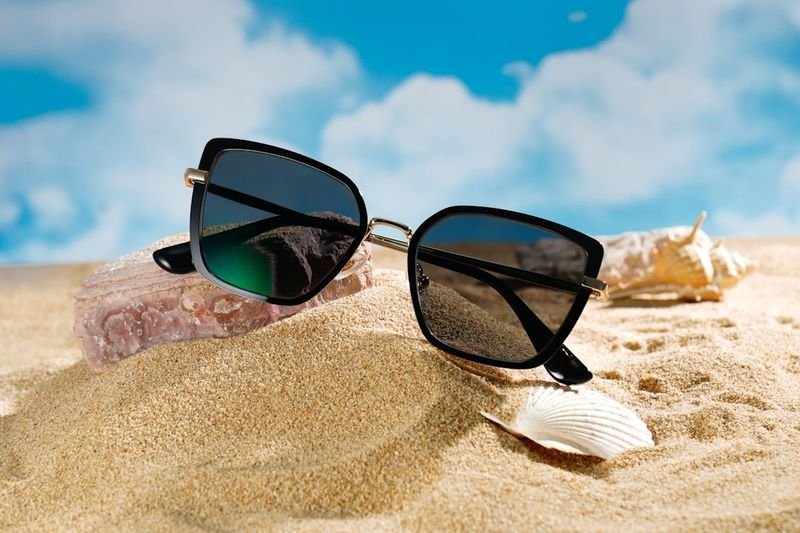
Polarized lenses actually matter near water. The glare off the ocean surface isn’t just uncomfortable — it’s a driver of long-term eye strain and UV damage. UV400 protection is the standard you want; most sunglasses above $30 hit it. The polarization is separate from UV protection, but if you’re spending hours looking at open water, you’ll feel the difference by midday.
Lip balm with SPF is something most packing lists don’t mention until after someone gets a burned lip and wonders why no one told them. Fragrance-free body wash and a gentle face wash hold up better than scented products when your skin is taking daily abuse from salt, chlorine, and sun. Moisturizer with SPF doubles as morning face protection without adding another product.
What to Wear Over Your Swimsuit
A cover-up isn’t just about modesty — it’s about practicality. Walking from the beach to a cafe, hotel lobby, or beachside restaurant in just a bikini gets old fast after the first day. A lightweight sarong, a linen shirt, or a short beach dress covers that transition without weighing down your bag.

Sandals that can handle wet sand and a quick rinse are the footwear answer for most beach days. A pair you can also wear to dinner extends their use considerably. If you’re buying swimwear online before the trip, order two weeks out to leave time for an exchange if the fit isn’t right — don’t leave it to the week before departure.
At the Beach All Day — Entertainment and Comfort
A portable beach chair or inflatable pillow is worth it for trips over three days if you’re actually going to lie on the beach for hours. Borrowing a hotel lounger costs $20–$40 per day at a lot of resort beaches — that adds up. A lightweight fold-flat mat gives you a clean surface and doesn’t require a chair rental line at 9am.

Waterproof earbuds or a small waterproof speaker for the beach bag. A dry bag for your phone — not just a zip-lock, an actual dry bag rated to a meter or so. Kindle or tablet for reading if that’s your thing. A portable charger rated for at least 10,000 mAh handles a full day’s use without needing an outlet.
Food, Hydration, and the Beach Day Snack Strategy
A 32oz insulated water bottle keeps cold water cold for 8+ hours. That matters when beachside vendors charge $5 for a bottle of water and you’re 40 minutes from the hotel. A soft cooler bag with a few reusable ice packs is worth it for half-day beach sessions. Fruit that doesn’t need refrigeration — grapes, apple slices in a container, oranges — holds up better than sandwiches in the heat.

Pack more water than you think you need. Dehydration on a hot beach day is easy to underestimate because you’re sweating in a breeze and don’t always feel it the same way as a muggy city afternoon. A minimum of two liters per person for a full beach day is the starting point — not the ceiling.
Travel Documents, Money, and What You Can’t Afford to Forget
A waterproof phone pouch doubles as a wallet protector in rough surf. Keep one card and emergency cash in the pouch; leave your main wallet at the hotel or in a bag that stays on shore. A laminated backup copy of your passport photo page in the hotel safe is a minor precaution that becomes enormously valuable if you lose the original. Travel insurance that covers medical evacuation from remote coastal areas is worth reading the fine print on before you need it.
Medications go in your carry-on, never checked luggage, and a small first-aid kit covering blister care, antacids, and motion-sickness tablets covers the most common beach-trip ailments without taking up much space.
5 Things That Don’t Belong on Your Beach Packing List
Heavy jewelry oxidizes in salt air — leave it home. Full-size shampoo and conditioner bottles: decant into 100ml containers or buy a small bottle at the destination. A full makeup kit for the beach — sun, sweat, and water will beat it every time; tinted SPF moisturizer and waterproof mascara are enough. Formal shoes unless the trip explicitly includes a formal dinner. Heavy denim, which takes days to dry if it gets wet and adds dead weight to a carry-on.
The version of yourself that’s actually comfortable at the beach doesn’t need 40kg of luggage. Pack for the activities on the itinerary, not for hypotheticals. The packing list above covers a week. For longer trips, the swimwear count goes up slightly and you rotate in a few more cover-up options. For a long weekend, drop to two swimwear sets and cut the entertainment category almost entirely. The core — sun protection, the right bag, hydration — stays constant regardless of how long you’re going.
Sources
- Environmental Working Group — EWG Sunscreen Guide 2026 — Annual independent safety ratings for sunscreen ingredients including oxybenzone and reef-safe alternatives.
- National Library of Medicine — UV Radiation and the Skin — Clinical overview of UV-A and UV-B effects and protective measures including SPF standards.
- NOAA — Ocean and Reef Health — Background on chemical stressors to reef ecosystems relevant to sunscreen ingredient choices.