Best Athletic Swimwear for Women 2026
A regular bikini lasts maybe one season in a chlorinated pool before the elastic goes limp and the color fades. Athletic swimwear, made from chlorine-resistant fabrics like polyester-spandex blends or PBT, holds its shape two to three times longer. That matters not because of durability alone — it’s about staying focused on the water instead of adjusting your top between laps. Here’s what to know about athletic swimwear for women in 2026, from performance one-pieces for serious swimmers to sporty bikini sets built for the beach.

What Separates Athletic Swimwear from Regular Bikinis
Most bikinis are designed for sun lounging, not sustained movement. The moment you dive in or push off a wall, a fashion bikini starts working against you — the top gaps, the bottoms ride up, and the knots pull loose at exactly the wrong moment.
Athletic swimwear fixes this with specific design decisions: racerback straps free up shoulder range of motion, wide underbands don’t roll, low-stretch waistbands grip without digging, and thicker multi-layer panels resist transparency when wet.
Fabric is the real differentiator. Standard swimwear uses 80% nylon / 20% spandex, which softens after repeated chlorine exposure. Athletic suits use polyester-based blends that Speedo’s research shows can handle up to 200 hours of chlorinated water without significant shape loss — versus one summer for standard nylon.
7 Best Athletic Swimwear Styles for Women
1. Racerback One-Piece
The racerback one-piece is the standard for serious swimmers and the most versatile athletic swimwear style overall. The open back frees shoulder movement completely for freestyle, butterfly, and backstroke, while a high-cut leg opening stays put mid-stroke and doesn’t create drag on turns. Built-in lining keeps things fully opaque in the water — something looser fabric suits often fail at. This style works across every body type because the single-piece construction creates a smooth, contained silhouette with nothing to adjust mid-activity.
2. Sport Bikini Set
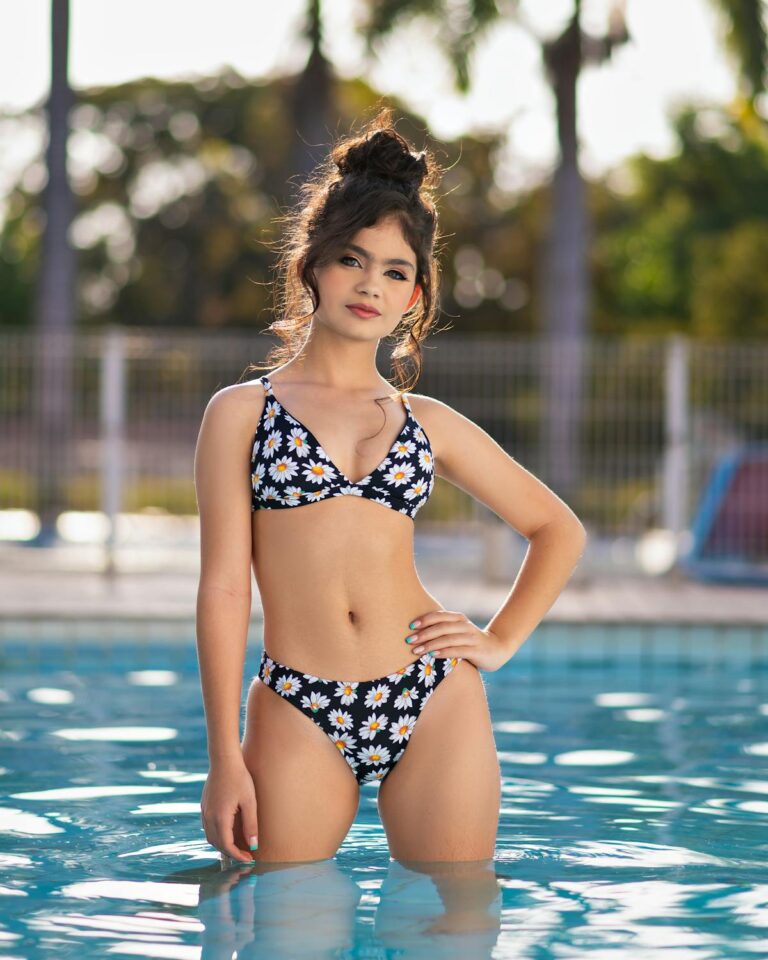
A sport bikini has everything a regular bikini skips: adjustable tops that convert between triangle and bandeau configurations, thick side-tied bottoms with an internal knot so they won’t pull loose under movement, and matte fabric that stays opaque when wet. Best for beach days where you’re active but not doing structured lap training. The separate pieces also make it easier to nail a specific fit if your top and bottom sizes differ — something a one-piece can’t accommodate.

3. Athletic Tankini
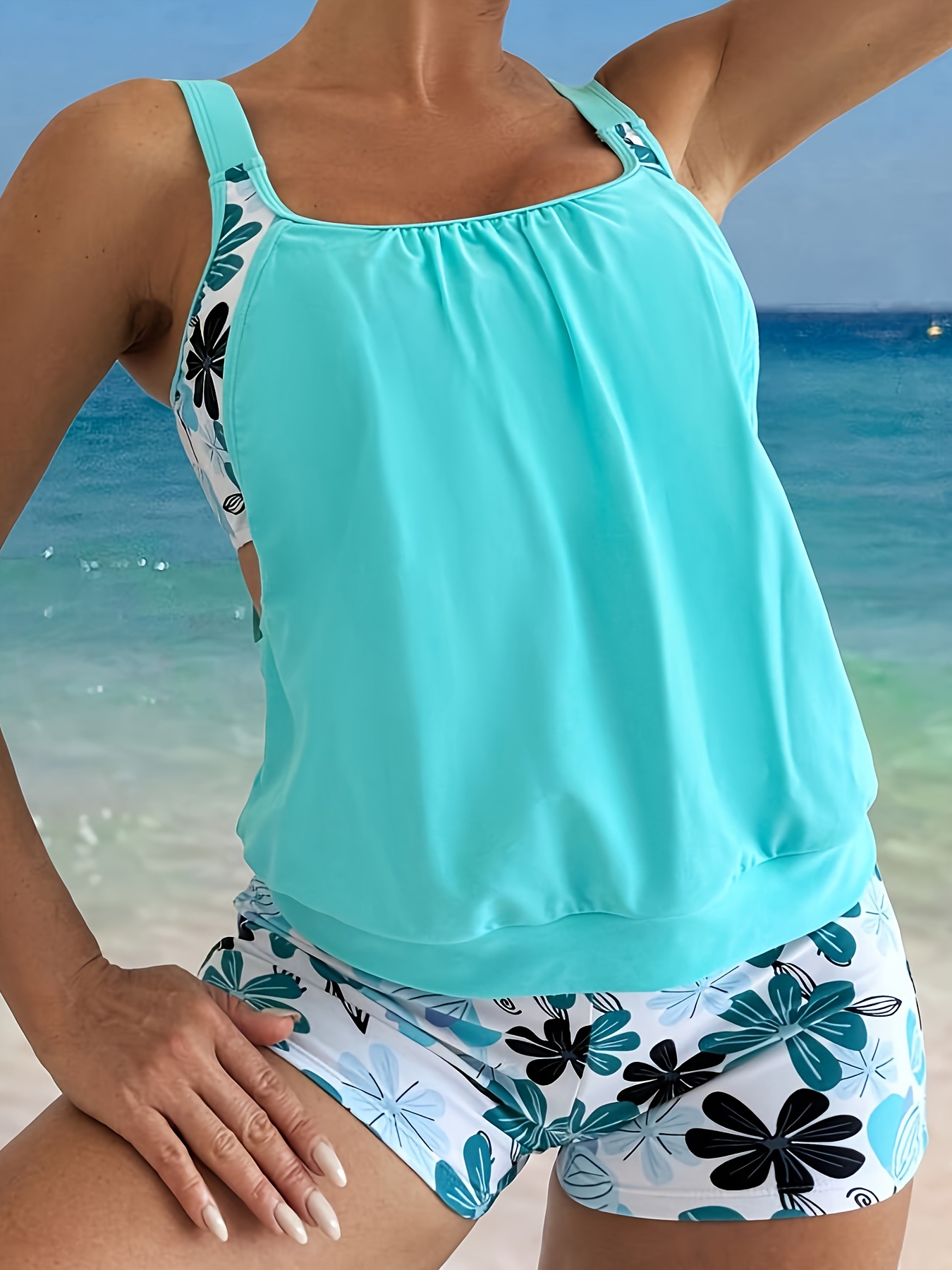
A well-made athletic tankini is genuinely underrated. The long tank top covers the midsection through all kinds of movement — diving, surfing, water aerobics — while the separate bottom is far easier to manage than a one-piece in changing rooms or bathrooms. Size up in the top if you have a longer torso, and look for bra-style shelf lining instead of built-in pads, which tend to shift and bunch during activity. For women who want coverage without compression, this is often the most comfortable choice for multi-hour sessions.
4. High-Neck Crop Top Bikini
High-neck tops deliver full bust support without underwire, which deforms in chlorinated water over time. They also provide significantly more UV coverage on the chest — the Skin Cancer Foundation recommends UPF 50+ fabric for extended sun exposure. Pair with full-coverage bottoms for an athletic beach look that doesn’t need sunscreen reapplication every hour.
5. UV-Protection One-Piece
These look like standard fashion one-pieces but use UPF 50+ rated fabric throughout — the denser weave physically blocks UV rays rather than relying on sunscreen to do the job. The protection is built in and doesn’t wash off or need reapplication. Worth choosing if you spend long days paddleboarding, snorkeling, or sailing where sun exposure accumulates fast on shoulders, chest, and the back of the neck. Most UV-protection suits are also made from chlorine-resistant polyester, so they do double duty for pool sessions.

6. Rash Guard + Swim Shorts
The most protective setup available. A rash guard covers arms and torso against reef abrasion and sun; fitted swim shorts provide leg coverage that stays put through paddling and wipeouts. Best for surfing, kayaking, and open water swimming. Our Women’s Rash Guard Guide covers UPF ratings and sleeve options in full.
7. Hybrid Surf Swimsuit
A newer category blending one-piece structure with surf coverage: neoprene-free stretch fabric, zip-back entry for quick gear changes, and an integrated bra system. Handles repetitive paddle-and-fall movement better than a standard one-piece — a strong choice if board sports are your primary water activity.

How to Choose Athletic Swimwear by Activity
The activity you’re spending most time in should drive the style decision, not the other way around.
Lap swimming calls for a chlorine-resistant racerback one-piece. Anything with ties, ruffles, or decorative hardware creates drag in the water and will fray faster with repeated pool exposure. Streamlined is the goal here.
Water aerobics and aqua fitness need support and comfort across multiple sessions rather than raw speed. A fitted one-piece or athletic tankini with built-in bust support handles continuous movement without bunching or losing its position. You’re not racing, but you are moving non-stop for 45 to 60 minutes, so the suit has to stay in place.
Triathlon and open water swimming call for quick-dry fabric and minimal bulk, particularly around the hips where excess material slows the run-to-bike transition. A thin, chlorine-resistant one-piece or a tri-specific suit goes straight from the water to the bike without a change stop.
Surfing and paddleboarding require grip above everything else. Rash guard combinations and zip-back suits handle the repeated paddle-and-fall cycle without riding up, and they add a layer of protection against board wax abrasion and reef contact.
Beach volleyball and casual ocean swimming suit a sport bikini or high-neck bikini set — more style-forward than a competition suit but built to stay put when you dive for a ball or take a wave. Women who want more coverage below the waist will find that swim shorts pair cleanly with almost any athletic bikini top.

Fit and Coverage at Any Size
Athletic swimwear performs better when it fits correctly — and that means sizing differently than a fashion bikini. A sport top that fits snugly at rest will feel secure in motion. Any looseness at the band when you’re standing will become a gap while you’re actually swimming.
For fuller busts, racerback one-pieces with wide underbands and halter-style sport tops with adjustable ties distribute weight across the back and shoulders rather than relying on thin straps. See our guide to the best swimsuit for a large bust for underwire-free options and coverage sizing tips.
For curvy and plus-size bodies, look for a tummy panel (double-layer front fabric for light compression without restricting breath) and silicone grip tape at the bottom waistband to prevent sliding during pushoffs and water exits.
Chlorine vs. Saltwater: Why Fabric Spec Matters
Chlorine and saltwater damage swimwear in different ways. Chlorine breaks down elastane (spandex) at a molecular level, causing swimwear to lose its stretch. The American Council on Exercise notes that regular pool swimmers should expect standard nylon-spandex to degrade noticeably within three to six months of daily use. Saltwater fades color faster but is gentler on elastic structure.
Look for polyester-based construction labeled “chlorine-resistant” — trade names like Endurance+ or Durafast are the standard. PBT (polybutylene terephthalate) is the competition-grade option: extremely chlorine-resistant but stiffer and slower to dry. A 50–70% polyester blend is the practical middle ground for women splitting time between pools and ocean.
Regardless of fabric: rinse in cold fresh water immediately after every session and lay flat to dry. Never wring out an athletic suit — twisting breaks down elastic fibers faster than water exposure does.


A Suit That Earns Its Place
Athletic swimwear isn’t about signaling dedication to fitness. It’s about removing the friction of managing your gear so you can stay focused on what you’re actually doing in the water. A suit that stays in place through every stroke, holds its shape after a hundred rinse cycles, and gives you the coverage your activity requires is quietly one of the most practical wardrobe investments you can make. Pick the style that matches where you spend most of your time in the water, get the fit right at the band before you worry about aesthetics, and you’ll still be wearing it two summers from now — long after the fashion bikinis you bought the same season have stretched out and faded.
Sources
- Speedo Fabric Technology Guide — chlorine resistance benchmarks for competition suits
- Skin Cancer Foundation: Protective Clothing — UPF ratings for swimmers
- American Council on Exercise: Aquatic Exercise — swimwear durability for pool swimmers