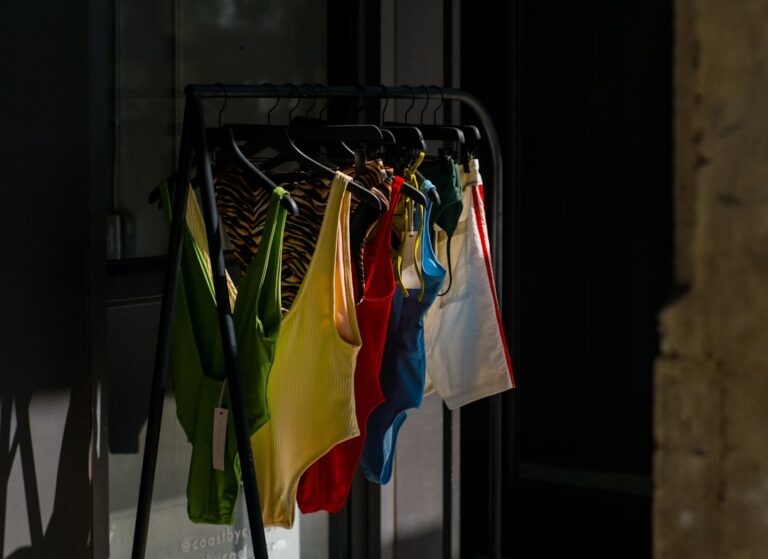

Metallic Swimsuits: 7 Best Picks That Hold Up
Dua Lipa wore a bronze metallic bikini with 3-D snake appliqués to a Roberto Cavalli event this year, and swimwear brands noticed the search spike within a week. Metallic and holographic finishes are the single fastest-growing category in 2026 swimwear, showing up everywhere from Miami Swim Week runways to mall storefronts. The catch nobody mentions in the trend roundups: metallic fabric behaves differently in water than the polyester-spandex blend you’re used to, and if you don’t know that going in, you’ll be disappointed by August.
Why Metallic Swimwear Looks Different From Everything Else in Your Drawer
A regular swimsuit gets its color from dye locked into the fibers. A metallic swimsuit gets its shine from a foil layer or metallic pigment coating bonded to the surface of the fabric — usually a nylon-spandex or recycled-nylon base dipped or laminated with a reflective finish. That coating is what catches the light and makes the fabric look liquid, but it’s also the first thing to go when the suit meets chlorine, sunscreen oil, or friction from a pool ladder.
Brands making 2026’s better metallic pieces are shifting to metallic-infused recycled nylon blends and faux-satin jersey instead of the cheap foil-print suits that flooded the market a few summers ago. The difference matters more than the price tag suggests. A $40 foil-printed bikini can start flaking within a week of regular pool use; a properly bonded metallic-nylon suit from a mid-range brand can go an entire season without visible wear if you treat it right.

Does Metallic Swimsuit Fabric Fade in Chlorine?
Yes, faster than solid colors — but how much faster depends entirely on aftercare. Chlorine is an oxidizer. It doesn’t just fade dye, it actively breaks down the bonding agent holding a metallic coating to the fabric surface. Salt water is gentler on the coating itself but leaves crystallized residue in the weave that dulls the shine and stiffens the fabric if it isn’t rinsed out.
The fix is unglamorous: rinse in cool water within an hour of swimming, every single time. Leaving a wet metallic suit balled up in a beach bag for six hours does more damage than an entire afternoon in the pool. Hand-wash with a gentle detergent made for synthetics, add a tablespoon of white vinegar to the rinse water if you swim in chlorine regularly, and never put a metallic suit anywhere near a washing machine or dryer — the tumbling action is what actually cracks the foil layer, more than the water itself.
Which Metallic Styles Actually Hold Up Best
Not all metallic finishes are built the same, and knowing the difference before you buy saves you from a suit that looks incredible in the dressing room and patchy by week three.
- Metallic-infused nylon-spandex — the shine is woven into the yarn itself rather than printed on top, so it doesn’t flake or peel. This is the most pool-durable option and worth paying more for.
- Foil-laminated fabric — a thin metallic film bonded to the base fabric. Looks the most mirror-like but is the most prone to cracking at stress points like the crotch seam or under the bust.
- Metallic-coated jersey (faux-satin shine) — a softer, less reflective sheen that’s actually the most forgiving in water. Good middle ground if you want the trend without babysitting the suit.
- Sequin and hardware pieces — technically not “metallic fabric” but they deliver the same visual effect and are often more durable in water since the shine comes from individual sequins or metal hardware rather than a coating.
If you want one piece that photographs well and survives more than a single vacation, metallic-infused nylon-spandex or a sequin-and-hardware design will outlast a foil print by a full season, easily.


Does a Metallic Swimsuit Actually Work for Swimming, or Just Photos?
Both, with a caveat. Metallic swimwear performs fine for regular swimming, floating, and lounging — the coating doesn’t wash off in a single dip the way people worry it will. Where it struggles is repeated exposure over a full day: hours of direct sun heat up the coating and make it slightly more brittle, and constant friction against a pool deck, sand, or a beach chair wears the shine down at contact points first.
If your trip is mostly photos and a couple of dips, any metallic style works. If you’re planning to actually swim laps or spend six hours in and out of the ocean every day, go with the sequin-and-hardware route or a metallic-infused nylon blend rather than a cheap foil print — the difference in how it looks by day three is noticeable.

How to Style Metallic Swimwear Without It Looking Like a Costume
The easiest way to wear metallic swimwear without it reading as over-the-top is to keep everything else around it matte. A sheer white kaftan or linen beach pants let the suit do the talking instead of competing with more shine. Gold and bronze metallics photograph best in late-afternoon light — the warm tone of golden hour matches the metal instead of washing it out the way harsh midday sun does.
Silver and gunmetal tones read cooler and work better against a bright blue pool or turquoise water where the contrast makes the shine pop rather than blend in. Skip pairing metallic swimwear with metallic jewelry or a metallic bag at the same time — one shiny statement piece works, three competing for attention just looks busy in photos.
Skin tone matters here more than most trend guides admit. Deeper skin tones tend to pull the most out of gold, bronze, and copper metallics because the warmth in the fabric complements rather than competes with undertone. Lighter or cooler skin tones often get a cleaner result from silver, pewter, or a rose-gold blend, which reflects light without flattening the color of the skin around it. If you’re unsure which way to go, hold the suit up against your wrist in natural daylight before buying — the metallic finish that looks best in a store’s fluorescent lighting is not always the one that looks best on a beach.

Storing Metallic Swimwear So It Doesn’t Crack Between Trips
Heat and folding are what actually kill a metallic finish in storage, not just water exposure. Never fold a metallic suit at the same crease twice — rotate how you fold it, or better, roll it loosely instead of folding flat. A hot car trunk or a suitcase stored in direct sun does more long-term damage to a foil coating than a full summer of pool use, because sustained heat softens the bonding agent and lets it separate from the base fabric over time.
Store it flat or loosely rolled in a cool, dry spot, away from anything with rough texture that could snag the finish. If you’re packing for a trip, wrap it in the same drawstring bag it came in rather than letting it rub against zippers or buckles in your suitcase.
Is a Metallic Swimsuit Worth Buying This Season?
If you’re buying one piece to wear on a single trip or a handful of pool days, yes — the trend is genuinely everywhere right now and a good metallic suit photographs better than almost anything else in your closet. If you want something that survives a full summer of regular swimming, spend the extra $15-20 for metallic-infused fabric or a sequin design instead of the cheapest foil print you can find, and commit to the cold-rinse habit every time you get out of the water.
Budget foil-print metallics in the $20-30 range are fine for a single vacation where the suit only needs to look good for a week. Once you’re past the $45-60 mark, most brands have switched from printed foil to actual metallic-infused yarn, which is the difference that determines whether the suit is still shiny in September or just another suit in the back of the drawer. Read the fabric description before you buy, not just the product photos — “metallic print” and “metallic-infused” are not the same fabric, and only one of them survives repeat pool trips.

A metallic suit that gets rinsed, hand-washed, and stored flat will still be shining next summer. One that gets balled up wet in a beach bag for a week probably won’t make it past July. The fabric isn’t fragile — it’s just less forgiving of the shortcuts a regular swimsuit lets you get away with. Treat it like the going-out top you’d hand-wash, not like the suit you’ve been machine-washing for three years, and the shine actually earns its price tag.

For more on keeping any swimsuit fabric in good shape between wears, see our swimwear care guide and our breakdown of how different swimwear fabrics actually hold up. If a favorite suit is already looking dull, our guide to reviving faded and stretched swimsuits covers how much shine you can realistically bring back.
Sources
- Marie Claire — Summer 2026 Swimsuit Trends — celebrity metallic swimwear moments driving the 2026 trend.
- SwimOutlet — The Swimwear Trends Defining 2026 — materials and finishes shaping 2026 metallic swimwear.
- Arm & Hammer — How to Wash Swimsuits — hand-washing and cold-water care guidance for delicate swimwear fabrics.